
Do these 3 things before closing this tab:
1Scan for outdated or missing drivers - takes under a minute2Repair Windows errors before they cause bigger problems3Fix the driver behind crashes, sound loss and screen glitchesSome links on this page are affiliate links: if you buy through them we may earn a commission, at no extra cost to you.
Arrange a veterinary examination promptly after rescuing a neglected Beagle. The veterinarian should assess the dog’s overall condition, examine areas commonly affected by neglect, review any vaccination and deworming records, and decide which tests or treatments are appropriate for that individual dog. There is no authoritative Beagle-specific intake test panel, and a neglected dog should not be diagnosed from appearance alone.
Bring every record you have, describe what happened before rescue, and note changes in appetite, drinking, stool, urination, energy, scratching, chewing, or breathing. The American Veterinary Medical Association (AVMA) says to schedule an examination as soon as possible so a new companion receives appropriate vaccinations and needed health care.
As an Amazon Associate I earn from qualifying purchases.
What to do first after rescuing a neglected Beagle
Call a veterinary practice and explain that the dog has recently been rescued from suspected neglect. Ask how soon the dog should be seen and whether the practice wants any precautions because the medical history is incomplete. If the Beagle is collapsed, struggling to breathe, unable to stand, bleeding heavily, having repeated seizures, or showing another immediately severe problem, contact an emergency veterinary service rather than waiting for a routine appointment.
Keep the dog in a quiet, temperature-controlled area while you arrange care. Offer water and food only in the manner advised by the rescue organization or veterinarian, particularly if the dog is profoundly thin, vomiting, or has diarrhea. Do not start leftover medicines, human pain relievers, dewormers, antibiotics, or supplements without veterinary direction.
Popular on Amazon

- Quantity and Color: You will receive 8 dog toothbrushes in 8 colors at a time, enough to satisfy your repeated use or disposable use.
- Dual Headed Design Dog Toothbrush:With two different sized heads designed to accommodate both dogs and cats of all sizes (puppy ,small dog and large dog)ensuring a comfortable experience for both pet and owne
- Long Handle Easy To Use: Our dog tooth brush is angled and narrow.It is easy to maneuver and allows for a deep clean for those hard to reach areas in your pet's mouth.This toothbrush large head apply to large dogs and small head are perfect for small dogs. It better than dog finger dog toothbrush because Long handle design avoid finger injury.
- Gentle Dog Dental Care: Our pet puppy Toothbrush has super soft bristles, use dog toothpaste and our brush, you will be able to gently remove debris from your pet's mouth without causing any harm or discomfort.
- Material: the dog toothbrush is made of PP and nylon, strong and wear-resistant, will not hurt or scratch your pet's gums and teeth, so you can use it for a long time.
The AVMA describes the veterinarian as best qualified to evaluate a new companion and advise on immunization, parasite control, nutrition, sterilization, socialization, training, grooming, and other care. The first visit is therefore a starting point for a staged plan, not a one-time pass-or-fail test.
Prepare records and observations before the appointment
Incomplete history is common in rescue work. Your notes help the veterinarian distinguish a long-standing problem from a new change and avoid repeating treatments unnecessarily.
Bring every available document
- Shelter or rescue intake forms and the date and location of rescue.
- Vaccination certificates, vaccination dates, microchip information, and any quarantine instructions.
- Deworming, flea or tick treatment, heartworm testing, laboratory results, surgical notes, and medication labels.
- Prior-owner information about food, appetite, allergies, injuries, behavior, and chronic conditions.
- Transport or interstate-movement paperwork, if applicable.
Do not infer that a vaccine or treatment was given merely because someone remembers it or because a product was found with the dog. Tell the veterinarian when a record is missing, uncertain, or not linked clearly to this Beagle.
Write down changes you have seen
- Food and water intake, vomiting, diarrhea, coughing, sneezing, or changes in stool.
- Urination frequency, accidents, urine odor, or urine scalding on the skin.
- Energy, sleep, exercise tolerance, pain, limping, or difficulty rising.
- Scratching, licking, chewing, hair loss, odor, sores, crusts, or ear discharge.
- Bad breath, dropping food, drooling, bleeding from the mouth, or reluctance to chew.
- Any change in weight since rescue, with dates and approximate amounts of food offered.
Photographs taken on different days can document coat growth, wounds, swelling, or body condition, but they cannot replace hands-on examination.
What the veterinarian should assess at the first examination
The clinician will decide what to examine and test after taking a history and performing a physical examination. Ask for an explanation of each finding and whether it requires immediate treatment, monitoring, or a later recheck.
Also popular on Amazon
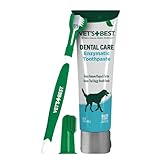
- DOG TOOTH BRUSHING KIT: Keep your dog's teeth and gums healthy with our dog toothbrush and toothpaste kit; our toothpaste is made with aloe, neem oil, grapefruit seed extract, baking soda, and enzymes to keep you dog's mouth fresh
- DOG DENTAL CARE MADE EASY: Our dog tooth paste gently cleans away plaque and tartar, serving as an effective dog breath freshener; rid your dog of bad breath and gift them a healthier mouth with our dog tooth brushing kit.
- TRIPLE HEAD TOOTHBRUSH: Our dog dental cleaning kit features a triple-sided dog tooth brush that cleans all sides of your dog's teeth at once, making tooth brushing faster and more efficient; no more struggling to clean those hard to reach back teeth
- NATURAL FLAVORS: Our toothpaste for dogs has natural flavors that your furry friend will love, making dog tooth brushing a more enjoyable experience even for the pickiest of pups, so you can keep their dog breath fresh without any fuss
- DENTAL KIT FOR DOGS OF ALL SIZES: Regular teeth cleaning supports your pet’s health. Use our dog toothbrush and toothpaste between vet visits to maintain oral hygiene, reduce plaque and tartar buildup, and keep your dog’s mouth fresh and healthy.
Body condition, weight, and hydration
Weight loss and emaciation are among the neglect-related findings the ASPCA says may be documented at intake. The veterinarian will assess body condition rather than relying on a single scale reading, look for muscle loss, and create a safe feeding and weight-recovery plan. A severely undernourished dog may need gradual nutritional changes and monitoring; rapid, unsupervised feeding is not a substitute for veterinary planning.
Recommended Free Tools
Hydration should be assessed clinically. Dry or tacky gums, weakness, sunken eyes, vomiting, diarrhea, or very low urine output can indicate a problem, but appearance alone cannot establish the cause or severity. The veterinarian may recommend fluids, observation, or additional testing based on the examination.
Skin, coat, ears, and paws
Matting, skin irritation, hair loss, wounds, and urine scalding can hide under a neglected coat. The ASPCA’s grooming guidance also treats persistent scratching, licking, or biting as reasons for veterinary attention. The veterinarian may part or clip hair carefully, inspect the skin and ears, and recommend diagnostic testing when parasites, infection, allergy, or another condition is suspected.
Do not shave severe mats at home if the skin beneath is inflamed or attached to wounds. Ask how grooming should be handled safely and whether sedation, pain control, or treatment must come first.
Inspecting paws includes looking at cracked pads, foreign material, pressure sores, swelling, and overgrown nails. Overgrown nails can alter gait and injure the nail bed. Trimming may need to be staged if nails are very long or painful.
Free tools Windows power users keep installed
One-click scans. No signup required.
Also popular on Amazon
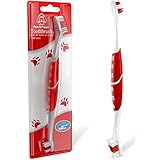
- Soft Bristle Dog Toothbrushes: Soft bristle dog toothbrushes that gently remove plaque and tartar while protecting gums. This dog teeth brushing kit supports daily use and helps maintain better oral hygiene and overall dental health. Pack of 1, 2 & 4 available for easy replacement and multi-pet convenience
- Suitable for Medium & Large Pets: Designed for medium and large pets this cat toothbrush makes daily brushing easier and more comfortable for both pets and owners. Its thoughtful design supports better oral hygiene habits and helps maintain cleaner teeth and healthier gums as part of a regular pet dental care routine
- Dual-Head Design for Deep Cleaning: Designed for medium and large dogs and cats, this dual-headed dog tooth brush features a 45 angled brush head and ergonomic 217 mm handle for better reach and control. The larger 20 mm brush head helps clean back molars and larger tooth surfaces, while the smaller 8 mm head works well for hard-to-reach areas. The soft cross-bristle design helps provide a thorough yet gentle teeth cleaning experience
- Supports Daily Oral Care & Fresher Breath: Help maintain cleaner teeth, healthier gums, and fresher breath with this pet toothbrush designed for regular dental hygiene. The soft bristles help remove plaque, food particles, and surface buildup while gently cleaning along the gumline. Supports daily oral care routines and promotes better overall dental health for dogs and cats
- Premium BPA-Free Materials & Comfortable Grip: Made from durable pet-safe materials (77% PP and 23% TPE), this puppy toothbrush is BPA-free and built for long-lasting use. The textured non-slip handle provides a secure and comfortable grip for improved control during brushing, while the lightweight 18.4 g design helps make daily dental care easier for both pets and owners
Signs of untreated illness or injury
The ASPCA lists untreated conditions among findings that may be documented around intake. The veterinarian will listen to the heart and lungs, palpate the abdomen, check temperature and mucous membranes, assess movement and pain, and examine any wounds or swelling. The exact work-up depends on what is found and on the dog’s history; a normal-looking coat does not rule out internal disease.
Vaccination, deworming, and parasite prevention
Reconstruct the vaccination history
Review every vaccination record with the veterinarian. ASPCA guidance says vaccination decisions should account for age, prior history, environment, lifestyle, exposure risk, and the specific vaccine. If dates or products cannot be verified, the veterinarian will determine how to proceed; do not create a catch-up schedule independently.
Ask which diseases matter in your area and in the dog’s expected lifestyle, when protection is considered established, and whether a follow-up dose or titer discussion is appropriate. Keep the written plan with the adoption records.
Discuss internal and external parasites
Neglected dogs may have internal or external parasites, but the presence and severity must be established in the individual animal. Bring any previous fecal results and product labels. The veterinarian may recommend fecal testing, skin or ear sampling, or treatment based on symptoms, exposure, age, and examination findings.
Quick wins for a faster PC:
Scan for outdated or missing drivers - takes under a minuteDriver Scan →Repair Windows errors before they cause bigger problemsFix Now →ASPCA relocation policy describes veterinary examination, vaccination, and treatment for internal and external parasites as elements of safe adoption transport. It also notes that interstate movement can require a veterinary inspection certificate under state law. That transport rule is not a universal adopter checklist: confirm current requirements for the destination with the veterinarian and relevant authorities.
Also popular on Amazon

- 360º DOG TEETH CLEANING THAT REMOVES 3× MORE PLAQUE – Patented all-around silicone bristles clean every surface at once for superior dog teeth cleaning. Outperforms standard dog tooth brush designs; owners see visibly whiter teeth and dramatically fresher breath in 7–10 days. Works well with dog toothpaste enzymatic.
- ULTRA-SOFT FOR EVEN THE MOST SENSITIVE GUMS – 100% food-grade silicone bristles that are significantly softer than nylon or nano-bristles, making this the perfect small dog toothbrush and toothpaste companion for puppies, toy breeds, seniors, and dogs with gingivitis. Deep cleaning with zero irritation or bleeding.
- REACHES BACK MOLARS EASILY – Finger-fit design gives precise 360° control so you can quickly and thoroughly clean hard-to-reach areas that other brushes miss — the fastest, most effective dog teeth cleaner for daily dog dental care.
- DOGS ACTUALLY TOLERATE & OFTEN ENJOY IT – Soft silicone feels natural and playful; thousands say their dog now accepts brushing willingly with dog toothpaste enzymatic or cat toothpaste. Turns dog tooth brushing kit time from struggle to calm routine.
- LASTS 6–12 MONTHS WITH DAILY USE – Dishwasher-safe, fully sterilizable 2-pack with storage cases. A long-lasting and cost-effective dog toothbrushing kit that is more economical than disposable wipes that need frequent replacements.
Heartworm assessment
Heartworm prevention is prescription-based and should be selected after veterinary evaluation. ASPCA guidance describes examination and testing for diagnosis and prevention. Ask which test is indicated, when it should be repeated, and how prevention will be coordinated with any treatment for other parasites. Do not give a product, dose, or calendar borrowed from another dog.
Dental checks deserve their own discussion
Ask the veterinarian to examine the Beagle’s teeth, gums, tongue, and jaw, especially if there is bad breath, broken or loose teeth, discoloration or heavy tartar, abnormal chewing, drooling, dropping food, reduced appetite, mouth pain, bleeding, or swelling. The AVMA advises at least annual dental checks and an earlier visit when these signs occur.
Dental disease below the gumline can damage supporting structures that cannot be assessed by looking at the visible crown. The AVMA summarizes the American Veterinary Dental College’s position that cleaning without anesthesia does not permit proper cleaning or inspection below the gumline and can injure the animal or a person. Cosmetic or non-anesthetic cleaning is not a substitute for veterinary dental care.
Crashes, No Sound, or Screen Glitches?
Random freezes, missing sound and display glitches usually trace back to one bad driver. Find and replace yours safely.Free scan · under a minutePC Slower Than It Used to Be?
A free scan shows the junk files, broken settings and background clutter dragging Windows down - then fixes them in one click.Free scan · Windows 10 & 11Home brushing after the examination
A dog-specific toothbrush can support home care when the veterinarian has assessed the mouth and says brushing is appropriate. Introduce it gradually and stop if the dog shows pain, bleeding, or panic. Brushing cannot remove disease below the gumline, stabilize a loose tooth, or treat an abscess, so painful or advanced findings need professional care first.
Independent reader supportYour contribution helps us test, update, and keep practical guides available for everyone.How to interpret possible neglect findings
The ASPCA’s cruelty-victim policy names weight loss or emaciation, dehydration, internal and external parasites, matting, overgrown nails, urine scalding, and untreated conditions among findings that may be documented at or shortly after intake. This is a list of possible findings, not a prediction for every rescued Beagle and not an estimate of how often they occur.
Also popular on Amazon

- COMPLETE DOG DENTAL KIT: Includes a 2.5 oz tube of chicken flavor enzymatic dog toothpaste, a long-handled double-ended toothbrush, and a finger brush, giving you a full at-home dog tooth brushing kit in one pack.
- ENZYMATIC BAKING SODA FORMULA: This Arm & Hammer enzymatic toothpaste for dogs uses baking soda for fresh breath and helps with tartar control*. Added calcium is part of the formula for stronger teeth.
- CHICKEN FLAVOR TOOTHPASTE: The chicken flavored dog toothpaste is made to make brushing more appealing. Start with a small amount so your dog can adjust to the flavor, then build a steady brushing habit over time.
- TARTAR CONTROL SUPPORT: Brushing regularly with this dog toothpaste and toothbrush helps with tartar control* and fresh breath. Use the toothpaste with either brush as part of a consistent at-home dental care routine.
- TWO BRUSH SIZES INCLUDED: The long-handled double-ended toothbrush and the finger brush give you two brush sizes to suit all size pets. The finger brush is made for training and for sensitive pets.
A single Best Friends Animal Society rescue account describes one dog diagnosed with mange, tapeworms, giardia, another parasitic infection, and a tick-borne illness. It illustrates why examination and follow-up matter, but it is one case, not evidence that every neglected Beagle has those diseases or needs that exact test panel.
No authoritative Beagle-specific neglect screening protocol or prevalence statistic establishes a standard set of laboratory tests for all dogs in this situation. The veterinarian should match testing to the dog’s signs, exposure history, age, condition, and prior records.
Use the findings to build a staged care plan
| Situation | What to discuss at the visit | Typical next decision |
|---|---|---|
| Records are complete and the dog appears stable | Verify vaccines, parasite prevention, nutrition, dental status, and routine follow-up. | Continue documented prevention and schedule rechecks the veterinarian recommends. |
| Records are missing or contradictory | Explain what is unknown and show every available label or shelter note. | Veterinarian chooses an individualized vaccination, testing, and prevention plan. |
| Visible neglect findings are present | Prioritize hydration, pain, wounds, skin, nails, nutrition, and parasite concerns. | Treat urgent problems first, then address grooming, dental care, and prevention as tolerated. |
| Symptoms are worsening or new | Report the timing, severity, and any food, medication, or environmental change. | Earlier contact, additional testing, or emergency evaluation may be needed. |
Ask for written instructions covering medication names and doses, feeding changes, isolation or hygiene precautions if advised, signs to watch for, and the exact return date. A dog recovering from neglect may need several shorter visits rather than one exhaustive procedure.
Questions to ask before leaving the clinic
- What are the most important findings today, and which are urgent?
- Does the body condition or hydration status change how I should feed or exercise the dog?
- Which vaccines and parasite preventives are documented, and what remains unknown?
- Is testing for intestinal parasites, heartworm, skin disease, or another condition indicated by this dog’s history or signs?
- Are the teeth or gums painful, and is professional dental treatment needed?
- How should mats, nails, ears, or irritated skin be managed safely at home?
- Which changes require a same-day call, and when should the routine recheck occur?
When to seek help between visits
Contact the veterinary practice promptly if the Beagle stops drinking, cannot keep food or water down, develops repeated vomiting or diarrhea, becomes markedly weaker, has worsening pain, develops rapidly spreading swelling or skin lesions, or shows a sudden change in breathing, consciousness, or mobility. Use the emergency service recommended by your veterinarian for severe or rapidly progressive signs.
Keep a simple daily log of appetite, water intake, stool, urination, medications, weight when advised, and new symptoms. This record makes follow-up more precise and helps the veterinarian judge whether treatment is working.
Quick Recap
A practical appointment checklist
- Call the clinic, describe the rescue background, and ask about appointment timing and transport precautions.
- Gather vaccination, deworming, treatment, microchip, shelter, and prior-owner records.
- Write down food, medications, observed symptoms, and changes since rescue.
- Transport the Beagle securely with clean bedding and any requested stool or medication samples.
- Ask the veterinarian to assess body condition, hydration, skin and coat, paws and nails, mouth and teeth, wounds, and possible internal or external parasites.
- Review individualized vaccination, deworming, heartworm, nutrition, dental, and grooming plans.
- Leave with written instructions, warning signs, and a recheck date.





Leave a Reply