What’s actually slowing this PC down?
Pick the symptom - the matching free tool is one click away.
Depo-Medrol is a prescription corticosteroid injection. Its active ingredient is methylprednisolone acetate, and in the current U.S. animal-drug label it is described for intramuscular use in cats. The label lists allergic dermatitis and moist and dry eczema among feline uses. It does not give cat owners a dose to calculate or repeat at home. The veterinarian who examines the cat sets the dose, the interval and the duration for that individual animal, and this article explains what the label says so you can follow that plan and ask the right questions.
What Depo-Medrol is and who may give it
Depo-Medrol is a steroid suspension that is given by injection. The U.S. animal label covers two formulations, 20 mg/mL and 40 mg/mL. The label states that the product is for use in animals and that federal law restricts it to use by or on the order of a licensed veterinarian: “Federal law restricts this drug to use by or on the order of a licensed veterinarian.” Zoetis Inc. is named as packager and distributor, and the label carries FDA approval under NADA 012-204. The label revision is dated January 2026, and the DailyMed record was updated March 27, 2026.
Because a steroid injection is a prescription decision, the practical starting point is always the clinic that examined your cat. If a different product, a different species label, or a human version of methylprednisolone acetate has come up in conversation, check the label on the actual vial or ask the veterinarian to confirm which product was used.
What it is used for in cats
The U.S. animal label lists two feline uses: allergic dermatitis and moist and dry eczema. Those are the conditions the label names; it does not rank them or describe how often a steroid is the right tool for each. Whether a steroid fits a particular cat depends on what is causing the skin problem. Allergic skin disease is often driven by a trigger that continues after the injection, which is why the diagnosis matters as much as the drug.
Recommended Free Tools
#1 Best Overall
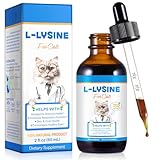
- Supports Immune Health & Overall Wellness – This L-Lysine supplement for cats helps strengthen your cat‘s natural defenses. Enriched with Astragalus and B Vitamins (B1, B2, B6), it supports antibody production and immune system function to keep your feline friend healthy and active every day.
- Promotes Upper Respiratory Comfort – Lysine is widely recommended to help manage common upper respiratory symptoms in cats, including sneezing, nasal congestion, and runny eyes. Our liquid lysine formula supports respiratory function and helps your cat breathe easier.
- Helps Reduce Tear Stains & Supports Eye Health – Regular use of this lysine drops for cats may help minimize excessive tearing and reduce unsightly tear stains. Combined with Vitamin A, it supports healthy eye function and maintains bright, clear eyes.
- Promotes Healthy Skin & Shiny Coat – 100% Natural Formula – This liquid cat supplement is made with all-natural ingredients, free from grain, corn, soy, gluten, and artificial preservatives. Vegetable glycerin base and natural roast chicken flavoring make it easy to administer and highly palatable for even picky eaters.
- Easy-to-Use Liquid Drops for Fast Absorption – No pills or messy powders. Simply add to your cat‘s food bowl, mix with treats, or administer directly orally using the included dropper. Shake well before use. Adjust based on weight: up to 10 lbs use 1 dropper (1 mL); over 10 lbs use 2 droppers (2 mL), 1-2 times daily..
What to expect after an injection
According to the label, relief may begin within a few hours to a few days after the injection and may last anywhere from a few days up to six weeks. Those are label-stated ranges, not a guarantee for your cat. If the underlying allergic cause is still present, signs can come back once the medicine’s effect wears off, so a return of itching or skin lesions does not automatically mean the injection failed. It means the vet should reassess the plan.
Dosage: what the label says and what it does not mean
The current U.S. animal label states: “The average intramuscular dose for cats is 10 mg with a range up to 20 mg.” It adds that the dose varies with the animal’s size, the severity of the condition and the response to treatment, and that injections may be given at weekly intervals or according to severity and clinical response.
Read those numbers as label context, not as a target. An average is not a recommendation for an individual cat, and the upper end of the range is not a safer or stronger choice that an owner should aim for. The label does not provide a weight-based formula, and nothing in it means an owner should give a dose, repeat an injection, or adjust a schedule without the veterinarian. Your vet weighs the diagnosis, any earlier steroid exposure, other health conditions and how the cat responds.
At the appointment, these questions give you a clear record of the plan:
Windows Errors? Fix Them Before They Spread
Repair common Windows errors and clear accumulated junk for a smoother, more stable PC - no reinstall needed.Free scan · no reinstallOutdated Drivers Are Slowing You Down
One free scan finds every outdated or missing driver and matches the right update for your exact hardware.Free scan · exact hardware match- What dose was given, in milligrams and in milliliters of the product in use?
- Is another injection planned, and if so, on what date or interval?
- What changes should I watch for at home, and how soon should I call?
- Will the cat be reassessed, and what happens if the signs return?
- Is a different treatment, or a plan to taper, part of the longer-term picture?
Side effects and safety
How a steroid can change the picture
The label explains that the medicine suppresses inflammation and can also suppress systemic signs such as fever and toxemia. That matters in practice. It warns that this effect may mask infection and may make it easier for microorganisms to spread. For that reason, the cat should be watched for intercurrent infection, and the label discourages continued or prolonged use. A cat that seems better on a steroid may still have an infection that is not obvious from its behavior, so new wounds, discharge, lethargy or appetite loss deserve a call to the clinic rather than a wait.
Rank #2

- Relief for Conjunctival Discomfort — Gentle oral support for cats and kittens that helps soothe red and watery eyes, discharge, squinting, pawing and light sensitivity while supporting tear-film comfort and calm blinking. Ideal for pet parents exploring eye care and treatment-style support for kittens and cats as part of a gentle daily routine.
- Whole-Eye Comfort Beyond Conjunctivitis — Helps with the appearance of tear stains, crusty lids and irritation from grooming dust or litter; supports peri-ocular cleanliness, smoother blinking and everyday ocular-surface comfort without stinging eye drops.
- Science-Led, Antibiotic-Free Formula — L-lysine, lactoferrin and zinc citrate support natural defenses; taurine, EPA & DHA support tear-film comfort and healthy vision; lutein, zeaxanthin and astaxanthin provide advanced antioxidant eye support, while vitamins C & E help protect ocular tissues and overall eye health.
- Easy, Palatable Oral Drops — Alcohol-free, fragrance-free and dye-free liquid that mixes smoothly with food or water or can be given by dropper; a simple daily routine most cats readily accept, gentle for sensitive pets and reassuring for caregivers seeking a low-stress eye care treatment routine.
- Quality & Trust — Formulated in the USA in a GMP facility with transparent labeling, clean-label eye care with professional credibility and warm reassurance for devoted cat families.
Conditions that need careful use or rule out systemic steroids
The label separates two kinds of warning. Some conditions require carefully controlled corticosteroid use. Others are listed as contraindications for systemic corticosteroid treatment. These are label warnings, not a complete assessment of your cat, and your veterinarian should review the full medical history before any injection.
| Label category | Conditions named on the U.S. animal label |
|---|---|
| Requires carefully controlled use | Diabetes mellitus, osteoporosis, renal insufficiency, hypertension, congestive heart failure, predisposition to thrombophlebitis |
| Systemic corticosteroid treatment listed as contraindicated | Arrested tuberculosis, peptic ulcer, Cushing’s syndrome |
Tell the vet about any of these conditions, and about any other medicines the cat takes, before the injection is given.
What the label does not tell us about how often side effects occur
The reviewed label does not provide feline-specific rates for common adverse effects, and it does not give a ranked list of the most frequent ones. No published feline adverse-effect incidence figure was established in the source material. For that reason, this article does not offer percentages or a feline side-effect profile. If your cat develops new or worsening signs after an injection, contact the prescribing clinic, especially if the signs could point to infection or to a serious reaction.
Quick wins for a faster PC:
Repair Windows errors before they cause bigger problemsFix Now →Fix the driver behind crashes, sound loss and screen glitchesFind Drivers →Stopping, tapering and longer-term use
For prolonged and intensive therapy, the label says treatment should be withdrawn gradually rather than stopped abruptly. For chronic maintenance, the label says the initial dose should be reduced gradually until the smallest effective individualized dose is reached. Do not stop a course early or extend it on your own. If the cat’s signs settle and the plan is to stop, ask the vet how the taper will be handled.
When to call the veterinarian promptly
- Any sign of a new or worsening skin infection, such as spreading redness, odor, pus or open sores at injection or lesion sites.
- Lethargy, reduced appetite, vomiting, or any change in breathing.
- Itching or skin lesions returning before the expected window the vet described.
- A concern that a dose was missed, doubled, or given at a different time than planned.
- Any reaction you cannot place, or any sign that worries you about the cat’s overall condition.
Sources and scope
This article is based on the current U.S. animal-drug label for Depo-Medrol, published by Zoetis Inc. and available on DailyMed, with the label revision dated January 2026 and the DailyMed record updated March 27, 2026. The label figures discussed here, including the 10 mg average and the 20 mg upper range, describe the label’s directions and are not population statistics or a guarantee of how any individual cat will respond. Human Depo-Medrol labeling and non-U.S. formulations can differ, so their dosing and warnings should not be applied to a cat in the United States. No named spokesperson quotation was located in the source; the quoted sentences are exact wording from the label.
Quick Recap
Product prices and availability are accurate as of the date/time indicated and are subject to change. Any price and availability information displayed on Amazon at the time of purchase will apply.




