
Dog sore paws have many possible causes, and the appearance alone does not always reveal which one is responsible. The most common problems are burns or abrasions from surfaces, cuts and foreign bodies, nail injuries, winter cracking, salt irritation, allergies, and infection. Less commonly, paw lesions or unexplained lameness reflect immune, metabolic, orthopedic, neurological, or cancerous disease.
Sore paws are a symptom, not a diagnosis. A dog may have a burned pad, a thorn, a torn nail, winter cracking, salt irritation, allergies, infection, or a less obvious disease. The clues that matter most are how suddenly the problem started, whether one or several paws are affected, what the paw looks like, and whether your dog can bear weight.
As an Amazon Associate I earn from qualifying purchases.
Check the paws safely in good light, but arrange veterinary care promptly for a burn, deep wound, embedded object, uncontrolled bleeding, severe pain, pus, marked swelling, repeated refusal to walk, worsening lameness, recurrent lumps between the toes, multiple affected paws, or possible ice-melt ingestion.
Quick wins for a faster PC:
Repair Windows errors before they cause bigger problemsFix Now →Scan for outdated or missing drivers - takes under a minuteDriver Scan →How to check a sore paw safely
Compare all four paws rather than examining only the one your dog is licking. Look at:
#1 Best Overall
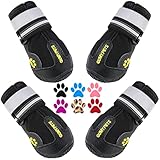
- Please be sure to measure the width of your dog's paws carefully, it is key to choosing the correct size for your dog, weight can only be used as an additional reference; Size 1: 1.8''x2.3''(W*L) for 11-23 lbs; size 2: 1.9''x2.4''(W*L) for 18-27 lbs; size 3: 2.0''x2.5''(W*L) for 23-33 lb; size 4: 2.2''x2.6''(W*L) for 31-40 lbs; size 5: 2.4''x2.8''(W*L) for 40-55 lbs; size 6: 2.6''x3.0''(W*L) for 52-65 lbs; size 7: 2.8''x3.2"(W*L) for 63-75 lbs; size 8: 3.0''x3.3"(W*L) for 74-88 lbs
- SECURE and ADJUSTABLE: Easy to put on / off. These dog shoes expands with a wide split seam opening and two adjustable and reflective straps to ensure a tight fit, also make your dog safe at night
- RUGGED: Tough slip-proof sole of dog boots provides stability and traction, protection from rough terrain
- QUALITY: The dog boots have a rugged sole and high quality fabrics that are then sewn together to ensure they are ready for your adventure
- FASHIONABLE: QUMY dog boots are with cute pet paw embroidery, paws side is the outside, soft and hand washable
- the top and underside of each pad;
- the spaces between the toes;
- each nail, including the nail base and surrounding skin;
- redness, swelling, cracks, blisters, loose skin, ulcers, bleeding, discharge, odor, hair loss, or a lump; and
- grass awns, thorns, splinters, glass, gravel, salt, ice, or other material caught in the fur or between the toes.
Note whether your dog is licking one paw or several, whether the problem began suddenly or gradually, and whether it followed a new walking route, hot weather, snow, lawn treatment, cleaning product, food, or seasonal change. Do not force a painful dog through a prolonged examination: frightened dogs may bite even when they are normally gentle. Do not give human pain medication unless a veterinarian specifically tells you to do so.
Eight common problems that cause sore paws
1. Hot pavement, rough ground, or too much exercise
Hot asphalt and concrete can burn paw pads. Depending on the severity, a burn may cause redness, swelling, blisters, peeling or loose pad skin, and raw ulcerated areas. Pavement, gravel, rough concrete, and rocky trails can also abrade or tear pads, particularly after a sudden increase in running, hiking, or other exercise.
A dog with a surface injury may limp, stop walking, or lick the paws intensely after a walk. However, a dog can have a significant burn before the damage is obvious, and visual inspection at home cannot reliably establish how deep the injury is.
Recommended Free Tools
What to do: move your dog to a cool, safe surface and avoid further walking on the injured paw. A visible burn—especially one with blisters, raw skin, extensive peeling, or ulceration—deserves veterinary advice rather than balm or home remedies alone. Do not peel loose tissue or apply household creams or chemicals.
Preventive measures include walking during cooler hours, choosing grass or another safer surface, and increasing exercise gradually. Properly fitted boots can protect against hot and rough surfaces, but they are not treatment for an existing burn or open wound.
2. Cuts, punctures, abrasions, or something stuck in the paw
Glass, sharp metal, thorns, splinters, grass awns, and other debris can cut or penetrate a pad. A sudden limp, bleeding, focused licking, or pain limited to one paw is more suggestive of a localized injury than generalized itchiness, although the distinction is not dependable enough to diagnose at home.
Rank #2
- Please be sure to measure the width of your dog's paws carefully, it is key to choosing the correct size for your dog, weight can only be used as an additional reference; Size 1: 1.8''x2.3''(W*L) for 11-23 lbs; size 2: 1.9''x2.4''(W*L) for 18-27 lbs; size 3: 2.0''x2.5''(W*L) for 23-33 lb; size 4: 2.2''x2.6''(W*L) for 31-40 lbs; size 5: 2.4''x2.8''(W*L) for 40-55 lbs; size 6: 2.6''x3.0''(W*L) for 52-65 lbs; size 7: 2.8''x3.2"(W*L) for 63-75 lbs; size 8: 3.0''x3.3"(W*L) for 74-88 lbs
- SECURE and ADJUSTABLE: Easy to put on / off. These dog shoes expands with a wide split seam opening and two adjustable and reflective straps to ensure a tight fit, also make your dog safe at night
- RUGGED: Tough slip-proof sole of dog boots provides stability and traction, protection from rough terrain
- QUALITY: The dog boots have a rugged sole and high quality fabrics that are then sewn together to ensure they are ready for your adventure
- FASHIONABLE: QUMY dog boots are with cute pet paw embroidery, paws side is the outside, soft and hand washable
Look gently for a superficial piece of material that is clearly visible and loose. If it comes away easily after gentle cleaning, rinse the area and monitor it. Do not dig into the paw for a deeply embedded object. Probing can push the object farther in, damage blood vessels or nerves, and make later removal more difficult. Grass awns are especially concerning because they can migrate into tissue.
A puncture can look small while carrying contamination deep into the paw. Veterinary examination is appropriate for deep or dirty wounds, persistent pain, continued bleeding, swelling, a suspected embedded object, or any wound that causes significant lameness.
3. Torn, broken, or overgrown nails
A nail can catch on carpet, fencing, vegetation, or another surface and tear. A fracture that reaches the quick—the sensitive blood-supplied tissue inside the nail—can be very painful and may bleed heavily. Nails that are allowed to grow too long can curl into the paw pad and create a wound.
If a broken nail is bleeding, apply firm, steady pressure with clean gauze or a cloth. Styptic powder may help control minor nail bleeding when used as directed. If there is no styptic powder, pressure is the important first step; do not keep disturbing the clot to check it every few seconds.
Have a veterinarian treat a nail fragment that will not come away gently, ongoing bleeding, a nail torn near its base, marked pain, swelling, or a dog that will not bear weight. Do not yank off a firmly attached fragment. Keeping nails at an appropriate length reduces catching and tearing, but nail trimming should be gradual and careful if the quick is long.
4. Dry, cracked, or winter-damaged pads
Cold temperatures, snow, ice, low humidity, and repeated wet-and-dry exposure can dry paw pads until they crack. Cracks can hurt with every step and provide an entry point for dirt and infection. Compacted ice may also pull at hair and skin between the toes.
Rank #3

- Large fits paws 2.5" - 2.8". Measure while dog is standing with weight on paw. Includes 4 dog grip socks. Snug fit is normal—extra grip makes them stiffer than other socks but provides better traction
- 3x More Grip: Performance grip is engineered to provide reliable traction even if the sock twists while dog is using them, making them the ideal anti slip dog socks for both senior dogs and active dogs alike.
- Senior Dogs: Specifically created with senior pet owners in mind. Maximum traction on hardwood floors and other slippery surfaces make them the perfect socks for dogs with joint and mobility issues.
- Patented Grip Design: Revolutionary product designed in USA to provide comfort, stability, and mobility support. Buttonless strap design prevents dog sores and allows for a comfortable fit.
- Multi-Functional: Suitable for large dogs, small dogs, and senior dogs, these socks provide paw protection for summer keeping your dog's paws safe from hot pavement, heat, and other potential hazards.
After winter walks, rinse away residue and dry the paws thoroughly. Remove ice carefully rather than pulling hard on it. Ask your veterinarian whether a dog-safe moisturizer, paw balm, or protective wax is suitable for your dog and the specific condition.
A barrier product is not appropriate for concealing a deep crack, open wound, burn, pus, or a lesion that keeps returning. Those findings need assessment, not simply more product. Preventive balm or wax can also be licked off, so use only a product intended for dogs and follow its directions.
5. Salt and chemical ice-melt irritation
Road salt and ice-melt products can irritate or blister the pads. Residue left between the toes may cause further irritation and can be swallowed when a dog licks the feet. Many exposures result in local irritation or stomach upset, but a larger ingestion can cause serious salt or mineral toxicity depending on the product’s ingredients and the amount consumed.
Do these 3 things before closing this tab:
1Repair Windows errors before they cause bigger problems2Scan for outdated or missing drivers - takes under a minute3Clear out junk files and repair common Windows errorsRinse and dry your dog’s paws after walks on treated roads or sidewalks. Prevent licking while residue remains on the feet, and keep ice-melt products secured at home. If your dog may have swallowed salt or ice melt, contact a veterinarian or an appropriate animal poison-control service promptly. Keep the product container available so its ingredients can be identified. Do not induce vomiting unless a veterinary professional instructs you to do so.
6. Allergies and parasites
Allergies often cause itchy paws and may be related to environmental allergens, food, or direct contact with an irritating substance. Flea allergy is also possible even when you do not immediately see fleas. Repeated licking and chewing damage the skin barrier, creating an opportunity for bacterial or yeast infection.
Allergy is not the only explanation for itchy feet. Parasites, infection, a foreign body, contact irritation, and pain can look similar. Recurring paw licking should therefore not automatically be treated as an allergy without veterinary assessment. A veterinarian may need to examine the skin, review parasite prevention, and investigate seasonal or household patterns before recommending treatment.
Rank #4

- [Prevent From Licking] Our innovative dog socks are specially designed to help prevent your furry companion from licking their paws! These socks are an excellent solution for pet owners experiencing excessive paw licking due to allergies. These anti-lick dog socks are a must-have for any pet owner looking to enhance their dog's health and well-being. Say goodbye to sore, irritated paws for good!
- [Double Side No-Skid] It's our patent-exclusive design, Each side of the sock has [21 Cute Little Paw Grips] to provide strong extra traction when your dog is walking on the smooth floor. Even if the socks twist, they will still work. It's good for active dogs, and If your senior dogs has problems who was splaying and keeps slipping on your wooden floors with their back legs, it can help your old friends walk around in the house again!
- [Premium Material] Made of elastic and comfortable breathable knit fabric, It's soft and light, so dogs will easier to accept it, The durable bottom with extra-thick grip is specially crafted to shield your furry companion's paws from the hot and cold pavement, and rough outdoor surfaces. these socks create a protective barrier between your dog's paw pads and the ground, guarding against extreme temperatures and rugged terrain.
- [Anti-Fall Off] Updated with wider and longer elastic sticky straps, there is more room for adjustment depending on your dog's feet, to prevent socks from falling off, greatly increase wearing comfort, and keep your socks safe from scratches in the wash, we’ve designed a removable sticky straps so you can easily take it off before washing.
- Size Medium:Paw width 2.55", Length 6.3", Grip Width 1.7". Muti sizes available, fit for many pets. Please measure your pet before purchase, if your size is between the two sizes, it's better to choose the smaller size. Because our pet paw protector socks are fabrics with elasticity.
7. Bacterial, yeast, fungal, or interdigital infection
Infectious pododermatitis can cause redness, swelling, hair loss, painful sores, ulcers, discharge, odor, and constant licking. Interdigital furuncles—deep, inflamed nodules between the toes—can be particularly painful. They may drain, recur, or cause lameness.
Recurrent lesions do not necessarily mean that an infection was simply “not strong enough” to treat at home. Recurrence can reflect an untreated foreign-body reaction, abnormal paw structure, allergy, demodicosis, incomplete treatment, or another skin or systemic disease.
Depending on the findings, diagnosis may involve skin cytology, scraping, culture, biopsy, or imaging. Treatment should follow the identified cause. Do not use leftover antibiotics, steroids, or antifungal medication: the wrong treatment can delay diagnosis, worsen some infections, or make testing less informative.
8. Less common but important disease
Some paw problems are signs of disease elsewhere in the body. Immune-mediated disorders, hormonal or metabolic disease, tumors, and other systemic skin conditions can cause lesions, thickened or crusted pads, ulcers, or persistent licking. Orthopedic pain and neurological problems can also produce lameness or licking even when the paw itself looks nearly normal.
Multiple affected paws, recurrent lesions, thickened or crusted pads, unexplained ulcers, general illness, or a limp without an obvious paw injury should lower the threshold for veterinary evaluation. Lameness is a clinical sign, not a diagnosis; pain may come from a toe, wrist, leg, joint, or another structure above the paw.
Free tools Windows power users keep installed
One-click scans. No signup required.
Limited first aid while arranging veterinary advice
For a minor, superficial wound, gently clean the area with a pet-safe product and prevent licking while you arrange advice or monitor it. A recovery cone can be safer and more effective than repeatedly removing a dog’s attention from the paw. Keep the dog quiet and off abrasive surfaces.
Best Value
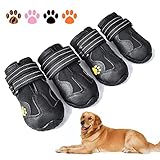
- 【Size】Size 6:(2.9''x2.5'')(L*W) for 52-70 lbs for 52-70lbs.Great for Medium Samoyed;Husky;Labrador;Airedale Terrier;Medium and large Chow Chow etc.Please refer to the picture size chart,You can choose the right size for your dog for the most comfortable fit.
- 【High-quality materials:】 High quality fabrics,wear resistant,to bear or endure dirty, Have cute pet paw embroidery, soft and hand washable, fashionable yet durable.Durable soles,tough anti-slip sole provides stability and traction,Helps dogs with mobility and stability on tile and the sand .
- 【Comfortable:】Soft and breathable to paws,so allows the boots to be used indoors or outdoors, hot and cold in wet and dry conditions.Protection from sharp thorns and hot pavement.Effectively protect dog claws from heat, stones, glass, etc. It protect the weak paw from snow, ice, salt during winter.
- 【Safe and Adjustable:】Easy to put on / off ,the dog shoes are fastened firmly by 2 straps, which are long and adjustable , capable to prevent slipping off and supply a customized tightness for secure closure and have reflective straps,reflective lines enhance visibility all the night ,also make your love dog safe .Please try to tighten the straps after wearing,which can effectively prevent the shoes from falling off the dog's claws.
- Our size is based on the inner diameter of the shoe and is measured by hand,Please allow a little size error.You are welcomed to contact us for any questions about the products and services at any time.
- Use clean, gentle pressure for a bleeding nail or small superficial bleed.
- Use styptic powder for minor nail bleeding if appropriate and directed on the label.
- Rinse off salt, ice melt, dirt, or other surface residue and dry the paw.
- Remove only loose, readily accessible debris; never dig for a deep object.
- Avoid tight wraps, which can restrict circulation and worsen swelling.
- Do not apply household chemicals, human pain medicines, leftover antibiotics, or steroids.
First aid is temporary support, not a diagnosis. If the dog is persistently licking, limping, or worsening, contact a veterinarian even when the wound initially appears minor.
When a sore paw needs prompt or emergency care
Contact a veterinarian promptly for:
- any visible burn, blister, raw pad, deep crack, puncture, or laceration;
- a suspected embedded thorn, splinter, grass awn, glass, or other foreign body;
- bleeding that does not stop with sustained pressure;
- significant swelling, pus, foul odor, spreading redness, or a painful interdigital lump;
- severe pain, repeated refusal to bear weight, or persistent or worsening lameness;
- multiple paws affected, recurrent lesions, thickened pads, or unexplained ulcers; or
- possible ingestion of salt or ice melt.
Seek emergency care when:
- your dog cannot walk or is severely distressed;
- there is heavy or uncontrollable bleeding;
- the dog shows systemic illness such as marked weakness, collapse, repeated vomiting, seizures, or difficulty breathing; or
- a potentially toxic amount of ice melt or another chemical may have been swallowed.
Preventing sore paws
- Walk during cooler hours and choose safer surfaces during hot weather.
- Increase running, hiking, and other strenuous exercise gradually.
- Inspect all four paws after walks for cuts, thorns, grass awns, ice, salt, and chemical residue.
- Rinse and dry paws after exposure to road salt or ice melt.
- Keep nails trimmed to reduce catching and tearing.
- Maintain veterinarian-directed flea and other parasite prevention.
- For hot pavement, rough trails, snow, ice, or salted ground, consider dog paw boots that fit correctly. Introduce them gradually indoors, check for rubbing after short periods, and stop using them if they cause pressure or chafing.
- Use dog-safe balm or wax only when the issue is genuinely dry or chapped skin and your veterinarian considers a barrier appropriate—not to cover an unexplained or open lesion.
Boots are protective equipment, not a cure. They should not be put over an untreated burn, infected lesion, deep wound, or embedded foreign body unless a veterinarian has given specific instructions.
Bottom line
A sore paw after a difficult walk may be an abrasion or irritation, but the same licking and limping can also signal a puncture, torn nail, infection, allergy, toxin exposure, or disease affecting more than the paw. Inspect gently, provide limited first aid, prevent further licking and exposure, and seek veterinary care for significant, persistent, recurrent, or unexplained signs.
Frequently Asked Questions
Seek veterinary care for a burn, blister, deep crack, puncture, embedded object, uncontrolled bleeding, significant swelling, pus, severe pain, repeated refusal to bear weight, worsening lameness, recurrent lesions, multiple affected paws, or possible salt or ice-melt ingestion.
How can I tell if my dog’s sore paw is serious?
A dog-safe balm may be appropriate for uncomplicated dry or chapped pads if your veterinarian agrees. Do not use it to cover a burn, deep crack, open wound, pus, infection, or unexplained recurring lesion.
Can I put paw balm on my dog’s sore paw?
Only remove material that is superficial, clearly visible, and comes away easily after gentle cleaning. Do not dig for a deeply embedded object; probing can cause more tissue damage and should be handled by a veterinarian.
Should I remove a thorn or splinter from my dog’s paw?
Correctly fitted boots can help prevent exposure-related injury from hot pavement, rough terrain, snow, ice, and salt. They do not treat burns, infections, deep wounds, or foreign bodies, and they should not rub or be placed over an untreated lesion.
Can dogs wear boots for sore paws?
The Bottom Line
The safest rule is simple: protect the paw from further exposure, do not dig into it or medicate it with household products, and contact a veterinarian for burns, deep wounds, embedded objects, infection signs, severe or persistent lameness, recurrent lesions, multiple affected paws, or possible ice-melt ingestion.
Quick Recap
Product prices and availability are accurate as of the date/time indicated and are subject to change. Any price and availability information displayed on Amazon at the time of purchase will apply.





Leave a Reply