
Some links on this page are affiliate links: if you buy through them we may earn a commission, at no extra cost to you.
Pet adoption does not follow one national script. Depending on the shelter or rescue, you might walk in and take an animal home the same day, or complete an application, housing verification, counseling session and appointment before approval. A “home check” may be an in-person visit, a request for landlord permission, or another form of housing verification—or it may not be used at all. Read the organization’s current instructions before applying, traveling to meet an animal or buying transport supplies.
What happens after you decide to adopt?
Most first-time adoptions involve the same broad decisions, even though each organization arranges them differently:
As an Amazon Associate I earn from qualifying purchases.
Recommended Free Tools
- Check the animal’s profile and the shelter’s rules. Confirm whether the organization accepts walk-ins, requires an online application, uses appointments or has an approval queue.
- Prepare your household. Discuss the decision with everyone who lives with you, confirm that your landlord allows the animal and consider how resident pets will be introduced.
- Submit an application or adopter profile. Give complete, truthful answers about your home, schedule, experience and current animals.
- Speak with staff and meet the animal. Ask about medical records, behavior, routine, known needs and the type of home that is likely to be a good fit.
- Complete approval, paperwork and payment. If approved, you normally sign an adoption agreement, pay the organization’s fee and receive the records and instructions it provides.
- Transport the animal safely and allow a quiet adjustment. Pickup equipment, introductions and the first days at home all affect the transition.
Some organizations combine several steps or skip an application for walk-in adoptions. Others will not schedule a meeting until an application has been reviewed and approved. The animal can also be adopted by someone else while your application is pending, so an application is not a reservation or a promise of approval.
Before you apply: verify the shelter’s process and your housing
Read the current instructions
Start with the specific animal’s profile and the organization’s adoption page. Look for terms such as “walk-in,” “appointment,” “application approval,” “waitlist,” “meet-and-greet” and “same-day adoption.” Dane County Humane Society tells visitors to plan ahead and check whether an animal is still available. Humane Society of New York requires a completed application to be processed and approved before an appointment is offered.
Popular on Amazon

- Premium Materials And Design: Experience ultimate comfort and durability with the TOMKAS puppy carrier. Our high-quality selected fabric is thick, soft, and ensures safety for your furry friend. The bag's large opening and adjustable safety belt makes it easy to use, and tough sutures prevent cracks. It's perfect for chihuahua and Yorkshire accessories.
- Sufficient Safety: Your pet's safety is our top priority. The TOMKAS small dog carrier sling has a secure safety buckle that keeps your dog safe and in place. Our carrier provides reliable safety and comfort that you and your pet will love. Remember to never tie the safety buckle to the collar, as it could hurt your dog's neck if it attempts to jump out.
- Large-Capacity Zippered Pockets: Stay organized with TOMKAS's front zippered pocket that can store all of your essentials, such as your phone, keys, cards, wallet, and dog leash. Our reliable carrier is designed with your convenience in mind. Unlike other dog slings without zippered pockets, our pocket keeps your belongings secure throughout use.
- Convenient Enough: Take your furry friend anywhere you go with the TOMKAS dog purse carrier. It's comfortable and convenient for walking, outings, and traveling. Our carrier is especially useful for dogs that are old, blind, injured, or have undergone surgery. You can keep them close and comfortable in our carrier, providing the care they need to get through any difficulty.
- Size: The TOMKAS dog carry bag is best suited for pets weighing between 3-10 lbs, with a high capacity of 10 lbs. Our adjustable shoulder strap includes a sturdy plastic buckle for easy length adjustments. The TOMKAS dog sling's shoulder strap adjustment buckle is larger and stronger than other similar products, making it easy to use for both adults and children.
Rules can change when an animal is adopted, a clinic schedule fills or a shelter updates its policy. Confirm by phone or email if the website is unclear, particularly before making a long trip.
If you rent, get permission before committing
Ask your landlord or property manager for written permission and read the lease before applying. Check limits on species, adult size, weight, age or breed, along with pet deposits, monthly pet rent and other fees. Humane Society of Utah specifically warns that restrictions can include breed and age and that deposits or extra pet rent may apply.
What’s actually slowing this PC down?
Pick the symptom - the matching free tool is one click away.
Do not assume that a shelter’s use of the phrase “home check” means someone will visit your home. The organization may ask you to supply landlord consent, verify housing information or do nothing beyond discussing your lease.
What goes on an adoption application?
An application helps staff understand the household and decide whether a particular animal’s needs match it. Answer every question accurately, use current contact information and explain circumstances that may affect care, such as long workdays, frequent travel, children, roommates or plans to move.
Be ready to describe:
- Who lives in the home and who will be responsible for daily care.
- Your housing type, permission to keep the animal and any lease restrictions.
- Current pets, their ages and species, and how they have behaved around other animals.
- Your experience with pets, exercise plans, training expectations and budget for routine care.
- Veterinary information for animals already in the home, when requested.
Documents differ by organization. Humane Society of Greater Dayton asks renters to bring a copy of their lease and asks for current veterinary records for animals already living with them. Another shelter may request landlord confirmation or additional information during its review. Having digital and printed copies can prevent a second trip.
Multiple people may apply for the same animal. Humane Society of Northwest Montana, in process information updated February 2026, says multiple applications are common and that selection is based on the animal’s welfare and the match, not necessarily on first-come order. A complete application improves the staff’s ability to evaluate the match; it cannot guarantee that you will be selected.
Also popular on Amazon
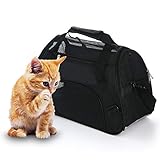
- ✔ WATERPROOF LIGHT WEIGHT DURABLE polyamide materials and Four-Sided Mesh Bring most ventilation for your pets. Let them enjoin their trip with safety and comfortable
- ✔ IDEA DESIGN: There is removable BASE INSERT, creates a solid surface for pet stand on. SIDE BAGS facilitate the storage of snacks, belts or other fur friends may needed. REFLECTIVE STRIPS at bottom add visibility to keep safe at night
- ✔ MEDIUM CAT CARRIER: 17” L x 9” W x10.5” H, it is suitable for pets under 8lb. GREAT for cats, kitten, squirrel, puppies and small animals. Be sure to refer to the pet's weight and size at the same time. Please measure your pet's size and weight before purchase.
- ✔ COMFORTABLE FASHIONABLECARRIER Can be as a tote carrier bag or shoulder carrier bag which with an adjustable padded shoulder strap, comfortable hand feel. DOUBLE SIDED ACCESS- SIDE ZIPPER OPENING
- ✔ REMIND: It is compliant with most airlines. But please check your airline requirements before traveling with your pet due to different airline approved requirements may vary. After receiving the pet bag, please clean it first, and then dry it in a cool and ventilated place
What does a “home check” mean?
Ask the organization exactly what it means before you apply. The term is used for different procedures, and some organizations do not use it.
| Organization | What its published process says |
|---|---|
| Humane Society of New York | States that it conducts home visits. |
| Humane Society of Northwest Montana | Places responsibility on renters to secure landlord consent and notes that the organization may require verification. |
| Humane Society of Utah | Advises renters to check restrictions themselves and says it does not conduct landlord checks. |
A visit, when required, is generally intended to confirm that the environment can safely accommodate the animal—not to judge décor or income. Ask whether every applicant receives a visit, what rooms or outdoor areas are reviewed, who must be present, whether virtual verification is possible and what documents are accepted instead. If the organization only needs landlord consent, obtain that consent before paying a fee or arranging transport.
What happens after you submit an application?
Review and verification
Staff may contact you for clarification, call a landlord or veterinarian, request records or arrange a compatibility meeting. Respond promptly and keep your phone and email available. Delays often mean that information is missing or that several applicants are being considered; they do not automatically mean rejection.
How long does the adoption process take?
Published timelines are local examples, not a national average:
| Organization | Published timing or availability |
|---|---|
| Humane Society of Central Texas | Most applications are reviewed within 2–3 business days; longer waits are possible when more information is needed or multiple applicants are interested. |
| Humane Society of Northwest Montana | Verification may take more than 24 hours. |
| Humane Society of New York | Does not offer same-day adoptions; an approved application is required before an appointment. |
| Dane County Humane Society | Most animals can go home the same day they are adopted, subject to its requirements and the animal’s availability. |
Use the shelter’s estimate for planning, but do not schedule a move, boarding change or time-sensitive pickup until staff confirms approval and availability.
How should you evaluate the animal and the match?
At counseling or a meet-and-greet, be candid about your routine and limits. A good match is more important than taking home an animal quickly. Dane County Humane Society describes counseling that covers medical and behavioral information, your preferences, expectations and experience.
Also popular on Amazon

- AIRLINE APPROVED CARRIER - Pet carrier for dog cat is TSA approved and placed under the seat in the cabin, mainly designed for ①Frontier Airlines, ②Southwest Airlines, ③Allegiant Airlines, We suggest checking carrier size with the airline before traveling. Kindly note: pet size you carry be within 17"L x 12"W x 8.5" (inner size) and weight recommended max load of 15 LBS small cats and dogs, Please refer to your pet's length and height to choose the size of the carrier
- EXPANDABLE SPACE - Top-expandable designe Gaining more space to move around. It is easy for pets to stand and stretch, also creates a safe environment to avoid stress reactions anxiety while traveling
- BETTER BREATHABILITY - The small dog cat carrier has breathable mesh on three sides for a breathable, wide-open view for your pet to look out and for you to view and communicate with your pet
- MORE SAFELY - The pet carrier for dog cat is designed with upgraded structure of stainless steel and fiber rods, it is deformation or sagging, collapse and better stability. Zipper snap lock prevents pets from opening or scratching the zipper open
- STURDY FABRIC - Comparison of similar products made of waterproof, non-toxic, scratch-resistant and wear-resistant new fabrics, mesh material has been upgraded to effectively prevent pets from tearing the mesh with their nails, preventing pets from falling out of the pet carrier for dog cat
Questions worth asking
- What medical care has already been provided, and what follow-up is recommended?
- Which vaccinations, sterilization, microchip, medications and records are included?
- What is known about the animal’s behavior with adults, children, dogs, cats, handling, noise and being alone?
- What daily routine, food, exercise and enrichment has the animal been receiving?
- Has the animal shown fear, guarding, separation distress, reactivity or other behavior that will need management?
- What training referrals, adjustment guidance or post-adoption contact does the organization offer?
Shelter observations are valuable but cannot predict every behavior after a move. Treat staff descriptions as information to plan around, not a guarantee of how the animal will behave in every future situation.
Meeting resident pets
Where another pet already lives in your home, ask whether a compatibility meeting is recommended or required. Humane Society of Central Texas and other organizations may use different procedures; follow the specific shelter’s instructions. Bring only the pets the shelter asks you to bring, keep introductions controlled and do not force immediate interaction.
Quick wins for a faster PC:
Clear out junk files and repair common Windows errorsFree Scan →Fix the driver behind crashes, sound loss and screen glitchesFind Drivers →Repair Windows errors before they cause bigger problemsFix Now →Approval, paperwork and the adoption fee
Once the organization approves the match, expect an adoption agreement and payment before the animal leaves. Read the agreement, including any requirements for veterinary care, identification, housing and return. Ask for a written list of records and supplies you will receive and the date by which follow-up care is due.
Fees and included care vary by organization and animal. Ask specifically whether the fee includes vaccinations, sterilization, microchipping, medications, testing, a starter supply of food or any post-adoption consultation. The fee is not the full cost of ownership: licensing, food, supplies, training, boarding, insurance, routine veterinary visits and unexpected treatment can continue for years.
Return and follow-up terms are also organization-specific. Humane Society of Greater Dayton describes a time-limited return policy, while Humane Society of New York says it welcomes returned animals. Read the agreement you sign rather than relying on another shelter’s policy.
What do you need to bring when you adopt?
Confirm the pickup list with the shelter before you arrive. Requirements differ, and an animal may not be released if transport equipment is unsafe or missing.
Outdated Drivers Are Slowing You Down
One free scan finds every outdated or missing driver and matches the right update for your exact hardware.Free scan · exact hardware matchWindows Errors? Fix Them Before They Spread
Repair common Windows errors and clear accumulated junk for a smoother, more stable PC - no reinstall needed.Free scan · no reinstallAlso popular on Amazon

- HANDS-FREE PET CARRIER FOR EVERYDAY CONVENIENCE Enjoy effortless mobility while keeping your furry friend close. This dog sling carrier allows you to safely carry your small dog or puppy while shopping, walking, traveling, or commuting. Ideal for pets that tire easily, recover from surgery, or need extra comfort in crowded spaces.
- SOFT & BREATHABLE FABRIC FOR MAXIMUM COMFORT Made from premium, lightweight cotton blend fabric that is soft against your pet’s skin and comfortable on your shoulder. The breathable material prevents overheating, making it perfect for year-round use indoors or outdoors.
- SAFETY HOOK The built-in safety leash hook attaches securely to your dog’s collar or harness to prevent accidental jumps or falls.
- ERGONOMIC DESIGN WITH WIDE SHOULDER SUPPORT The widened shoulder strap evenly distributes weight, reducing strain during extended wear. Perfect for small dogs and puppies up to 15 lbs such as Chihuahuas, Yorkies, Maltese, Pomeranians, Shih Tzus, and similar breeds.
- CONVENIENT STORAGE POCKET FOR ESSENTIALS Includes a large front pocket to hold treats, poop bags, phone, keys, or cards—everything you need for quick trips without carrying an extra bag.
| Animal | Example requirement | Preparation |
|---|---|---|
| Dog | Dane County Humane Society requires a leash and collar that meet its rules. | Bring a properly fitted leash and collar, then verify the shelter’s exact specifications. |
| Cat or other critter | Dane County Humane Society requires a secure carrier. | Use a carrier large enough for safe travel and check whether the shelter has size or type requirements. |
Utah Humane Society lists collars, leashes, harnesses, kennels and carrying cages among possible adoption costs. A secure carrier is particularly important for cats and any animal that must travel contained. Ask whether the shelter provides equipment, permits a borrowed carrier or requires you to purchase one before pickup.
Bring government-issued identification, payment in an accepted form and any lease or veterinary documents the organization requested. Do not assume that every shelter accepts the same payment methods or allows a friend to collect the animal for you.
Independent reader supportYour contribution helps us test, update, and keep practical guides available for everyone.How should you prepare the first days at home?
Set up a quiet starting space
Humane Society of Greater Miami describes the “3-3-3 rule” as a guideline: roughly three days to decompress, three weeks to learn a routine and three months to feel at home. It is not a guaranteed timetable. Some animals settle sooner; others need considerably longer.
Prepare a quiet room or defined area with a bed, food, water and toys. Keep the first trip direct, limit visitors and let the animal approach at its own pace. Maintain the food and schedule used by the shelter initially, changing them gradually if needed.
Do these 3 things before closing this tab:
1Scan for outdated or missing drivers - takes under a minute2Clear out junk files and repair common Windows errors3Fix the driver behind crashes, sound loss and screen glitchesIntroduce people, places and pets slowly
Utah Humane Society recommends taking the pet directly home and introducing resident animals gradually. Use barriers, separate feeding areas and short, supervised sessions. Watch for stress signals such as hiding, freezing, persistent panting, growling, appetite loss or attempts to escape. Separate animals and contact the shelter or a qualified veterinary behavior professional if safety is a concern.
Keep identification and microchip information current, arrange the first veterinary appointment according to the records you receive and ask which symptoms require urgent care.
Also popular on Amazon

- 【 Spacious & Comfortable Cat Carrier 】The large cat carrier provides ample space for your feline friend to move, turn, and stretch during travel. Measuring 18 x 12.5 x 14 inches, it is wider and taller than most cat carriers, ensuring your pet feels comfortable and at ease while on the go.
- 【Balanced Mesh Design】Unlike other cat carrier hard, our cat carrier soft strikes the perfect balance with 40% mesh surface area. This ensures your pet can observe the surroundings and breathe easily while feeling safe and secure at the same time. The cat carrier large is suitable for pets in all kinds of situations.
- 【Built-in Dual-Sided Cushion】The detachable pad offers two distinct comforts: a cool side for summer and a super-soft, warm side for winter. You can easily flip it to match the season, providing the perfect temperature for your pet in any weather.
- 【Includes Foldable Bowl】Designed for on-the-go use, our foldable bowl carries 410g of food or 20oz of water. After use, simply collapse it and attach it directly to your pet's collar or leash, perfect for keeping your pet fueled and hydrated anywhere.
- 【Safe & Durable】Safety is our top priority, and the pet carrier for cat is equipped with a secure buckle to prevent your pet from escaping. The cat carrier soft is made of reinforced snow silk fabric and hard mesh material, ensuring durability and preventing any tearing during long-distance travel.
Budget for lifelong care, not only the adoption day
Before applying, estimate recurring costs for food, parasite prevention, licensing, grooming, routine examinations, dental care, training, boarding and replacement equipment. Set aside an emergency reserve for illness, injury or urgent diagnostics. Humane Society of Utah identifies licensing, supplies, training, boarding, insurance, routine care and unexpected veterinary expenses as possible costs and recommends saving for unexpected needs.
Ask the shelter which vaccinations, sterilization, microchip, medications and medical records are included, then obtain any remaining care on the schedule it gives you. Pet insurance and positive-reinforcement training may be useful options, but compare coverage, exclusions, waiting periods and local availability rather than assuming a policy or class will pay for every need.
Free tools Windows power users keep installed
One-click scans. No signup required.
A practical checklist for comparing shelters or animals
If you are deciding among organizations, compare their written answers on these points instead of assuming that one shelter’s procedure applies elsewhere:
- Application, approval and appointment steps.
- Walk-in, waitlist and same-day availability.
- Home visit, landlord consent or other housing verification.
- Expected review time and how staff communicate delays.
- Compatibility meetings for resident pets.
- Medical care, identification and records included in the fee.
- Required leash, collar, carrier or other pickup equipment.
- Adoption fee plus likely ongoing and emergency costs.
- Training resources, follow-up contact and return terms.
Keep screenshots or copies of the current instructions and your signed agreement. Policies can differ between animals at the same organization, especially for medical needs, transport and appointment timing.
Common problems and how to handle them
The animal you applied for is no longer available
Ask whether your application can be considered for another animal with similar needs. Do not pressure staff to hold an animal outside their published policy.
The shelter asks for more information
Reply with the requested lease, landlord confirmation, veterinary record or household detail as quickly as possible. If you cannot meet a requirement, say so; staff may suggest a different animal or explain alternatives.
The Tool Desk
Outbyte PC Repair FREEClear out junk files and repair common Windows errorsFree Scan →Outbyte Driver Updater FREEScan for outdated or missing drivers - takes under a minuteDriver Scan →Your landlord will not give permission
Do not proceed on a verbal assumption that conflicts with the lease. Resolve the restriction, choose an animal that meets documented rules or wait until your housing changes.
The adjustment is harder than expected
Return to a quiet routine, reduce introductions and contact the shelter for the support it offers. If the agreement requires the animal to be returned to that organization, follow that process rather than rehoming impulsively. Seek veterinary help promptly for illness, injury or dangerous behavior.
Questions to ask before you leave with the pet
- What is the next required vaccination, medication or veterinary visit, and on what date?
- Which records and identification numbers are included today?
- What food, feeding schedule, exercise and sleep routine should I use this week?
- Who should I contact if the animal will not eat, becomes ill or has a serious behavior problem?
- What are the organization’s return, follow-up and support rules?
Getting these answers in writing gives you a clear handoff and helps you make the first days predictable for both you and the animal.





Leave a Reply