
Free tools Windows power users keep installed
One-click scans. No signup required.
Some links on this page are affiliate links: if you buy through them we may earn a commission, at no extra cost to you.
Foster if you can provide a safe, temporary home while a shelter or rescue arranges the animal’s next placement. Adopt if you are ready to take continuing responsibility for that particular pet. Fostering is not a trial adoption with universal rules, and adoption is not a commitment to make without investigating the match. Local organizations set their own placement terms, costs, support and timelines, so the right choice starts with an honest look at your household and a detailed conversation with the organization.
The practical question is less “Which role is better?” than “Which commitment can I reliably meet?” The sections below explain the difference, show where each option fits, and give you the questions and preparation steps that prevent avoidable problems.
As an Amazon Associate I earn from qualifying purchases.
The essential difference: temporary care or permanent responsibility?
Animal fostering means a person temporarily cares for a shelter animal in their home, while the organization works toward adoption, transfer or another appropriate outcome. The ASPCA describes fostering as temporary home care. An adopted animal becomes the adopter’s ongoing responsibility; an ASPCA policy definition of a responsible guardian treats adoption as a long-term duty to meet an animal’s physical, behavioral, social and psychological needs.
Neither option is automatically easy. A foster placement can involve medication, recovery, a strict routine, supervision around other animals or extra socialization. Adoption can involve years of ordinary care plus changing health, behavior and household needs. Fostering may end when the animal is adopted or transferred; adoption is intended to continue for the animal’s life.
Popular on Amazon

- Stainless Steel Pet Bowl: Made for daily food or water use with a simple, practical design
- Silicone Nonslip Bottom: Helps reduce sliding and noise on smooth feeding surfaces
- Wide, Stable Shape: Designed to sit steadily during everyday meals
- Easy to Clean: Smooth stainless steel surface rinses clean and is dishwasher safe
- Stackable Design: Bowls can be stacked for compact storage when not in use
| Question | Fostering | Adopting |
|---|---|---|
| What is the commitment? | A temporary placement whose duration and duties are set with the organization. | Continuing responsibility for the animal as part of your household. |
| What is the purpose? | To give the animal a home environment for decompression, recovery, growth, socialization or behavior observation while the organization plans the next step. | To establish a permanent home and transfer ownership. |
| Who directs the outcome? | The shelter or rescue remains involved and determines the appropriate next placement. | The adopter becomes the animal’s responsible guardian and must plan for ongoing care. |
| What should you clarify first? | Expected duration, daily duties, covered expenses, supplies, emergency contact and what happens if the placement is not workable. | Known health and behavior needs, the adoption process, ownership terms and the continuing costs and care duties. |
The ASPCA’s shelter-responsibility policy says shelters retain responsibility for animals in foster homes and should move them in a timely manner toward adoption, transfer or another appropriate outcome. That oversight is a reason to understand your local program’s process rather than assuming that every rescue operates the same way.
When fostering is likely to fit
Fostering can suit you when you want to help a rescue animal but cannot promise lifelong care right now. It also fits people who can accommodate a defined, short-term need and coordinate closely with the organization. A home may provide the quiet space an animal needs to decompress, a place to recover, or opportunities to learn how the animal behaves outside a shelter.
Do these 3 things before closing this tab:
1Repair Windows errors before they cause bigger problems2Scan for outdated or missing drivers - takes under a minute3Clear out junk files and repair common Windows errorsYou can offer a genuinely temporary home
Before agreeing, identify where the animal will sleep, how it will be separated from existing pets if necessary, and who will provide care when you work, travel or become ill. “Temporary” does not mean effortless. The placement may require daily medication, restricted activity, scheduled feeding, transport to appointments or careful introductions. Ask for the expected duration in writing if the organization provides one, while recognizing that the timing can change when an adoption, transfer or medical plan changes.
Your household can manage uncertainty
Foster animals may arrive with incomplete histories. You should be able to follow the organization’s instructions, report changes promptly and accept that the animal’s next step is not yours alone to decide. If you need a guaranteed end date, guaranteed behavior or the ability to keep the animal without further discussion, ask whether the program can meet those conditions before accepting a placement.
Also popular on Amazon
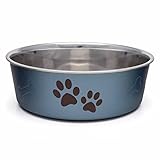
- STAINLESS STEEL & DURABLE - This Bella Bowl (27 oz, 6.75" x 2") features a stainless steel design with a poly-resin exterior great for dog food mat, which makes them dish washer safe and easy to keep clean and hygienic. Perfect cat food bowl or dog water bowl for home & travel.
- REMOVEABLE RUBBER BASE - This feature prevents and ensures no spill water bowl for dogs. It’s perfect for puppy food and makes an excellent addition to your dog feeding station. Watch the bowl stand steady on your pet food mat, making it a great complement to your dog mat and other dog stuff.
- PATENTED AWARD-WINNING DESIGN – Bella Bowls are renowned for being the bestselling bowls in the pet industry. The Bella Bowl Stainless Steel Bowls come in a variety of sizes, making this versatile dog food bowl perfect for all pets—from puppy bowls and small bowls to dog bowls large breed and everything in between! These bowls are also ideal for use as a cat water bowl, with smaller sizes being highly recommended for cat bowls for indoor cats.
- REAL STEEL STYLISH & COLORFUL DOG FEEDER – Available in a wide range of vibrant colors, this dog bowl seamlessly complements any pet supplies collection or dog accessories and makes a fantastic addition to your home’s décor. The Bella Bowls come in beautiful hues like blueberry and artichoke, making them a perfect fit for your dog bowl mat or cat food mat.
- VETERINARIAN RECOMMENDED – This stainless steel dog bowl and stainless steel cat bowls have all the benefits of stainless steel making them hygienic and clean. Bella bowls are truly a must-have for any cat feeding station and essential addition to your dog supplies.
You want to help without making a lifelong decision today
Fostering lets you contribute to an individual animal’s care and gives the organization information about how that animal functions in a home. It does not require you to foster before adopting, and it does not guarantee that you will be able to adopt the animal later. The organization’s matching and placement rules control that outcome.
When adoption is likely to fit
Adoption is the better fit when you are ready to make a particular animal part of your household for the long term and can remain responsible as circumstances change. The decision should include the animal’s known medical, behavioral and social needs, not just an appealing first meeting.
Quick wins for a faster PC:
Repair Windows errors before they cause bigger problemsFix Now →Fix the driver behind crashes, sound loss and screen glitchesFind Drivers →Clear out junk files and repair common Windows errorsFree Scan →You can plan beyond the first weeks
Consider who will provide routine care, what happens during workdays and holidays, and how you would handle a change in housing, schedule or finances. Responsible guardianship includes meeting physical and psychological needs over time, arranging veterinary care and responding appropriately if the match becomes unsafe or unsustainable.
You have investigated the individual match
Ask the organization what it knows about the pet’s health, behavior, history, activity level and interactions with people or other animals. Information may be incomplete, so discuss how the organization handles new concerns after adoption. A good match depends on the fit between this animal and your actual household, not on a general belief that rescue pets are all alike.
Also popular on Amazon

- Cat Dog Automatic Feeder and Water Dispenser: automatic food feeder*1, pet water dispenser* 1. pet food feeder and waterer set suitable for small and medium dogs or cats
- Upgrading Materials of Pet Automatic Feeder: pet water dispenser made of safe, natural material. The bottom of the cat feeder has been upgraded with a movable stainless steel bowl to keep food fresher and easy to clean, not easily deformed, not rusty,sturdy and sanitary.
- Large Capacity:the automatic cat feeder can hold about 6 pound food and about 1 gallon water,can be used by small medium pets about 7-9 days, 3-5 days for large pets
- Gravity Feeder:This auto dispenser combo uses the power of gravity to slowly refills water or food to bottle by gravity.You can rest assured to go to vacation, work, party, don't worry that pets will be hungry.Due to air pressure, the top of the automatic waterer cannot be opened and water can only be poured through the water bottle
- Cat Feeder Novel Design: The water dispenser adopts spiral and spring valve design to ensure that it never leaks. With a transparent storage bottle, you can refill it in time when the food and water are used up
You accept ownership and the accompanying decisions
Adoption transfers the ongoing responsibility for the animal to you. Confirm the adoption paperwork, any return or rehoming provisions and whom to call if a serious problem appears. An adoption counselor can explain local procedures; the ASPCA’s adoption guidance also recommends contacting your local shelter or rescue to learn its process.
A decision framework for your situation
Use these questions before contacting a program. They are not universal eligibility rules; they are a way to identify what you need to clarify.
What’s actually slowing this PC down?
Pick the symptom - the matching free tool is one click away.
Choose fostering first when most of these statements are true
- You want to help an animal but are not ready to accept lifelong responsibility.
- You can provide a safe room or other appropriate space for a temporary placement.
- Your schedule allows the care, observation and communication the organization requires.
- You can manage a defined short-term need such as recovery, medication, growth or socialization.
- You are comfortable with the organization arranging the next placement and possibly ending the foster period sooner or later than expected.
Choose adoption when most of these statements are true
- You are prepared for the animal to remain part of your household on an ongoing basis.
- You have considered routine care, veterinary needs, behavior support, social needs and psychological well-being.
- Household members, landlords and existing pets can accommodate the animal under the organization’s requirements.
- You have a plan for care during work, travel, illness and other disruptions.
- You understand the known needs of this particular pet and accept responsibility for decisions after ownership transfers.
Pause and ask for a consultation when answers are unclear
Uncertainty about housing, household agreement, resident pets, finances, time or care capacity is a reason to talk with the organization before committing. The cited guidance does not establish one national screening test, one standard foster term or one universal expense policy. Local programs decide how they assess homes, match animals and provide support.
How a foster placement usually works
Each shelter or rescue has its own procedure, but the following sequence helps you prepare for the conversation and avoid assumptions.
Also popular on Amazon

- 【Whisker Friendly】The wide and shallow design of Wellbro pet dishes means that a cat's whiskers are not easily rubbed while eating, thus avoiding whisker fatigue and overfeeding.
- 【Anti-Slip System】The cat plates feature an anti-slip silicone bottom that prevents sliding while your cats are eating. The silicone material on the base also protects your floors.
- 【Safe & Easy to Clean】These durable cat food bowls are made of food-grade SUS304 stainless steel, which is non-toxic, non-allergenic, and easy to clean. After washing with detergent or in the dishwasher, it won't retain any food odors. Additionally, the bowls are stackable, saving space.
- 【Perfect Size】With a diameter of 5.9 inches, height of 1.2 inches, capacity of 12.0 ounces, and weight of 0.3 lb, these cat bowls are perfect for dry kibble, wet food, treats, and cat milk.
- 【Widely Applicable】These metal pet bowls are recommended for cats, rabbits, guinea pigs, and other small animals. They are ideal for indoor or outdoor use and suitable for raised cat food stands, silicone pad bowl holes, or for placing on the floor.
- Contact the local organization. Explain your household, schedule, housing limits, experience and the type of temporary need you could handle. Ask whether the program currently needs foster homes and what its orientation or application involves.
- Confirm the match and the time frame. Ask why the animal needs foster care, the expected duration, daily routine, restrictions, medication and likely next outcomes. If the timing is unknown, ask what events usually extend or end a placement.
- Put responsibilities and support in one place. Get the names and contact methods for routine questions, medical emergencies and after-hours problems. Clarify who authorizes veterinary treatment, transport and changes to the care plan.
- Prepare a safe, separate area. Follow the organization’s instructions for introductions, containment, feeding and rest. Check doors, gates and other escape risks. Buy only what the program does not supply.
- Observe and communicate. Keep the agreed routine, give medication exactly as directed and report health or behavior changes promptly. Notes, dates and short videos may help the organization understand what the animal needs, if the program requests them.
- Support the next placement. Be candid about what you observed. The organization may use your information to match an adopter, arrange a transfer or choose another appropriate outcome. Do not promise an adopter a behavior or medical result you cannot verify.
- Plan the handoff. Confirm where and when the animal will go next, what records or supplies travel with it and how to return organization-owned equipment. Emotional difficulty at the end does not change the agreed placement plan; ask for support if the transition is hard.
How an adoption decision usually works
- Learn the organization’s process. Ask about applications, household requirements, meet-and-greets, references, fees, medical records and any trial or return policy the organization offers. Requirements differ by program.
- Describe your real household. Include children, other pets, work patterns, travel, stairs, outdoor access, landlord rules and anyone who may provide care. Accurate information gives the organization a better basis for matching.
- Review known needs. Ask what is established about health, medication, behavior, activity, socialization and handling. Also ask what remains unknown and how concerns are handled after adoption.
- Evaluate the fit, not just the first interaction. A short meeting cannot answer every question. Follow the organization’s introduction process and consider whether you can meet the animal’s needs on ordinary days, difficult days and future life stages.
- Prepare before bringing the pet home. Arrange the sleeping area, food plan, containment, transport, veterinary contact and household responsibilities. Confirm which supplies, records and medications come with the animal.
- Complete the transfer carefully. Read the adoption agreement, confirm ownership and return provisions, collect records and ask whom to contact if a serious issue arises. Keep the organization’s instructions accessible during the settling-in period.
- Provide continuing care. Adoption ends the placement process, not your duties. Continue meeting physical, behavioral, social and psychological needs and revisit your plan when the animal or household changes.
Costs, supplies and organizational support
Do not assume either role is universally free or universally expensive. Policies are local. The ASPCA says its own foster care is free and that its foster caregivers may receive food, supplies such as bowls and collars, medications and support; the same guidance notes that shelters differ. That description cannot be generalized to every rescue.
| Item to clarify | Questions for a foster program | Questions for an adoption program |
|---|---|---|
| Food and routine supplies | What food, bowls, collars, crates or other equipment are provided? What must I buy or return? | What food, equipment and records come with the pet, and what should I purchase before pickup? |
| Veterinary care and medication | Who schedules and pays for appointments? Who authorizes treatment? How are prescriptions refilled? | Which care has already been provided, what is due next, and what ongoing treatment should I budget for? |
| Transport | Who handles transport to veterinary visits, meet-and-greets or the final handoff? | What transport is required at adoption and for initial veterinary care? |
| Emergencies | Whom do I call during business hours and overnight, and what expenses can I authorize? | What post-adoption contact is available if an urgent health or behavior issue appears? |
| Financial responsibility | Which costs are covered, reimbursed or excluded? How are receipts submitted? | What adoption charges apply, and which continuing costs remain my responsibility? |
Practical gear such as bowls may be relevant, but check the organization’s list before buying. A program may provide equipment for the placement, require its return or recommend a particular product. Written answers are useful when several household members share the work.
Outdated Drivers Are Slowing You Down
One free scan finds every outdated or missing driver and matches the right update for your exact hardware.Free scan · exact hardware matchWindows Errors? Fix Them Before They Spread
Repair common Windows errors and clear accumulated junk for a smoother, more stable PC - no reinstall needed.Free scan · no reinstallHousehold readiness checklist
- Housing: Confirm permission, deposits, space, noise limits and any species or size restrictions before accepting an animal.
- People: Make sure every resident understands the care plan, boundaries, introductions and who has authority to contact the organization.
- Existing pets: Ask how introductions and separation should be handled. Do not assume that a calm meeting means unsupervised cohabitation is appropriate.
- Time: Map feeding, medication, exercise, enrichment, cleaning, appointments and communication onto your actual schedule.
- Money: Clarify covered and uncovered costs with the organization and consider how you would handle expenses that are your responsibility.
- Safety: Prepare doors, gates, windows, transport restraints and a quiet retreat. Follow any handling or containment instructions supplied by the program.
- Backup: Identify a person who can provide care if you are sick or delayed, and confirm whether that person must be approved by the organization.
- Emotional capacity: Consider whether you can cope with a difficult adjustment, a changed plan or saying goodbye to a foster animal.
What to ask before you say yes
Bring these questions to the shelter or rescue. The answers should be specific to the animal and the program.
For a foster placement
- Why does this animal need foster care now?
- What is the expected duration, and what circumstances could change it?
- What daily routine, exercise limits, medication or behavioral precautions apply?
- How should the animal be introduced to people, children and resident pets?
- Which food, equipment, medications, veterinary visits and transport are covered?
- Who is the primary contact, and what is the emergency procedure outside office hours?
- What information should I record, and how often should I provide updates?
- Who decides whether the next step is adoption, transfer, return to the shelter or another outcome?
- What should I do if the placement is unsafe, medically urgent or beyond my capacity?
For an adoption
- What health, behavior and social history is known, and what remains uncertain?
- What care, medication, training or environmental setup is recommended?
- What are the adoption, ownership, return and rehoming terms in the agreement?
- Which veterinary records, identification and supplies come with the pet?
- What follow-up support is available, and whom should I contact first?
- How should introductions with household members and existing animals be managed?
- What changes in routine, housing or finances would make care harder, and what is my plan for them?
If a placement is not working
Contact the organization promptly rather than waiting for a crisis. Describe the concrete problem—such as a medical symptom, unsafe interaction, inability to administer medication or a schedule conflict—and ask what action it authorizes. A foster caregiver should not independently rehome, surrender or change treatment without following the program’s instructions. For an adopted pet, responsible guardianship includes taking responsible rehoming steps when the match cannot safely continue; ask the original organization about its return or rehoming policy and disclose the full situation to any prospective placement.
Also popular on Amazon

- INSULATED 3-CUP PET BOWL: Double-wall construction helps keep water cool and food fresh at home or on the go. Sized at 24 oz and designed for pets of all sizes.
- 2-IN-1 SPLASH-RESISTANT LID: Press in the lid to help keep contents fresh between meals or during travel. When it’s time to eat, the lid nests underneath to create a non-slip base.
- DESIGNED FOR EASY EATING: Tapered sides allow comfortable feeding from any angle, while the compact size makes it ideal for everyday use and smaller portions.
- DURABLE & EASY TO CLEAN: Made with 18/8 recycled stainless steel. Stackable, dishwasher safe, and BPA-free for simple cleanup and safe feeding.
- LIFETIME WARRANTY: ‘BUILT FOR LIFE'. Since 1913 we've promised to provide rugged, capable gear for food and drink, built to last a lifetime. It's a promise we still keep
Needing help is not proof that you failed. Early, accurate communication gives the organization more options and protects the animal, your household and any future placement.
Common misconceptions to set aside
“Fostering is always free.”
Some organizations provide food, equipment, medication and support; others set different terms. The ASPCA’s own program is an example of support, not a universal rule. Confirm every expense and reimbursement process before accepting the animal.
“A foster animal will definitely be adopted by me.”
Fostering is intended to move an animal toward an appropriate next outcome, which may be adoption by another household, transfer or another placement. Your role is to provide care and information under the organization’s direction.
“I must foster before I can adopt.”
No. Fostering and adopting are separate pathways. Choose the commitment you can meet and follow the local organization’s process.
“Adoption means the adjustment is finished on day one.”
Ownership can transfer at adoption, but the household still needs a realistic settling-in plan. Ask what the organization knows, follow its introduction guidance and seek help early when something is unclear.
“One shelter’s rules apply everywhere.”
Eligibility, screening, duration, supplies, expenses, veterinary authorization and post-placement support are organization-specific. Treat published guidance as a starting point and verify local terms.
A simple final decision test
- Name the commitment you can keep. If you can offer temporary care but not lifelong responsibility, investigate fostering. If you can assume continuing responsibility for this animal, investigate adoption.
- Match the animal’s needs to your capacity. Include medication, routines, recovery, socialization, behavior management, space, time and existing pets—not just affection or available room.
- Verify the organization’s terms. Ask about duration, costs, supplies, veterinary care, emergency contacts, ownership and return or rehoming procedures.
- Choose only after unresolved risks have an answer. If housing, household agreement, finances or safety remain uncertain, pause and request a consultation instead of relying on assumptions.
Fostering is right when you can be a dependable temporary caregiver within the organization’s plan. Adoption is right when you are prepared to make the animal’s welfare an ongoing household responsibility. Either choice can help a rescue pet, provided the commitment matches what you can actually deliver and the local program’s expectations are clear.





Leave a Reply