Feed your hamster a complete, balanced pelleted food formulated for hamsters as its staple, and provide fresh water at all times. You can add modest amounts of washed vegetables and occasional treats, but treats should make up no more than 10% of the diet, according to the Merck Veterinary Manual.
There is no single daily portion established for every hamster. Follow the food label, account for food your hamster stores, and ask an exotic-animal veterinarian about amounts suited to your hamster’s species, body condition, and health.
What a healthy hamster diet looks like
Hamsters are omnivorous rodents. In the wild, they eat a mixture of seeds, cereals, plant material, insects, and insect larvae. That variety explains why pet hamsters may eat different kinds of food, but it does not mean you should build a homemade diet from random foods. A homemade mix can be deficient in nutrients.
The foundation should be a complete, balanced pelleted food formulated for hamsters. Fresh foods and treats are supplements, not substitutes.
Free tools Windows power users keep installed
One-click scans. No signup required.
#1 Best Overall

- Hamster Bedding: Hamster bedding consists of a variety of natural floral and herbal materials that have been carefully selected. All of them are hand-picked and naturally air-dried without any added ingredients, providing a soft surface for hamsters to walk, sleep and play comfortably
- Soft: Hamster bedding is dry, soft and edible. Hamster flowers and herbs relieve tension and acclimate hamsters to new environments faster, providing a living experience closer to their natural environment
- Adding Attraction: 150 G Hamster dried flowers and hamster herbs can be used with hamster bedding such as wood chips, corn cobs, cotton and many other bedding materials. Multiple colors enrich the hamster habitat, which is more layered and beautiful for your pet home, making it a more interesting and attractive pet environment
- Field Environment: The soft touch of bedding for hamster can make them feel comfortable and they can dig, explore and hide in the bedding, mimicking their behavior in the wild
- Suitable for Small Animals: Small animal bedding is perfect for Syrian hamsters, dwarf hamsters, gerbils, mice, guinea pigs, rabbits and other small pets
- Main food: Complete hamster-formulated pellets or an appropriate formulated rodent pellet intended as a staple.
- Fresh extras: Modest amounts of washed vegetables and suitable greens.
- Treats: Occasional extras; keep treats to no more than 10% of the diet.
- Water: Fresh and accessible continuously.
Merck advises limiting treats to no more than 10% of a hamster’s diet. A seed-heavy diet or treats should not displace the complete staple food.
Choosing the right staple food
How to compare hamster foods
Check whether a food is formulated specifically for hamsters (or explicitly suitable as a hamster/gerbil diet), is complete and balanced, and is intended to be fed as a staple rather than as a treat. UC Davis recommends a pelleted diet such as a rodent laboratory block, while Merck recommends a complete, balanced pelleted diet made for hamsters. Singapore’s Animal and Veterinary Service advises feeding mostly formulated rodent pellets.
| Food type | Role | What to check |
|---|---|---|
| Complete hamster-formulated pellets | Staple | Formulated for hamsters and intended as the main diet. |
| Formulated rodent pellets or lab blocks | Potential staple when appropriate | Confirm the product is suitable for hamsters and follow its label. |
| Seeds, grains, grass, or insects | Supplement or occasional treat | Do not let these replace complete food. |
| Fresh vegetables | Supplement | Wash, offer modestly, and remove moist leftovers before they spoil. |
Do not use a seed-only diet or treats as the staple. Hamsters may selectively eat some ingredients, leaving the complete food uneaten. Buy fresh food, follow storage instructions, and avoid stale food. If considering a homemade mixture, ask an exotic-animal veterinarian or veterinary nutritionist for guidance.
How much should I feed my hamster?
The reviewed veterinary and government sources do not establish one daily amount that fits every hamster. Follow the feeding directions on the complete food’s label and discuss individual needs with an exotic-animal veterinarian, taking species, body condition, and health into account. Do not treat a tablespoon or gram figure as a universal prescription.
Rank #2

- Harvest Flowers: Natural flowers are a beautiful pop of color in hamster bedding. Beautiful and gorgeous flowers and branches, hamster spray is made from hand-picked, carefully selected natural flowers and dried, fresh and without additives, natural raw materials, neatly trimmed branches, hamster cage decoration is the perfect hamster bedding
- Hamster Nest Decoration: Natural dried flowers can be stored longer than fresh flowers and require no maintenance. Hamster spray is very suitable for decorating hamster nests. It can be used as a flower path outside the hamster house or as a decoration next to the hamster nest. With hamster decoration, it looks more natural and warm. Hamster It is a special experience to take shelter among the dried flowers and admire the beautiful flowers and plants
- A Gift from Nature: The hamster decoration is a unique gift for the cute little hamster. The yellow and light purple forget-me-not flowers, the golden reeds and oriole flowers, and the green oat and oriole flower branches are the colors of nature. The elements of flowers and plants create a natural and fresh atmosphere for the hamster. Space, hamster decoration allows hamsters to feel more natural elements and smells, and sit and play comfortably and happily
- Perfect for Pets: Suitable for hamsters, dwarf hamsters, guinea pigs, golden bears, chipmunks, rabbits, hedgehogs, chinchillas, birds and other small animals. Cute pets can not only appreciate the different textures of natural dried flowers, yellow forget-me-nots, purple forget-me-nots, oatmeal, oriole flowers and other dried flowers in the den, but the little hamsters can enrich their experience by chewing them, making them a good chew
- Storage Method: Dried flowers are fragile and may fall off when squeezed, so please handle with care. Please store natural flowers in a dry environment to prevent the dried flowers from coming into contact with moisture and absorbing moisture. Also keep dried flowers in a dark place
Food left in a bowl may not show how much your hamster has eaten. Hamsters carry food in their cheek pouches and hide stores in the enclosure. Check those stores, monitor body condition, and avoid assuming an empty bowl means every piece was consumed. Hong Kong’s Agriculture, Fisheries and Conservation Department describes this storing behavior and advises providing food ad lib throughout the day.
Scatter or hide some dry food to encourage foraging. Do not routinely remove every safe, dry food store; remove damp or spoiled food promptly.
Vegetables hamsters can eat
UC Davis lists carrots, squash, broccoli, cauliflower, cucumber, spinach, and other greens as vegetables hamsters may enjoy. Wash produce before serving. Singapore’s Animal and Veterinary Service also says some fresh vegetables and fruits can be offered as treats.
There is no validated universal portion for each vegetable in the reviewed sources. Offer modest amounts, introduce new foods cautiously, and observe your hamster. Remove uneaten moist food before it spoils.
Recommended Free Tools
Rank #3

- Fine Silica Sand: Bath sand is one of the necessary hamster accessories. And silica sand is a type of sand commonly used in hamster sand baths. It is a natural and absorbent fine sand that helps remove excess grease and dust from the hamster's fur, removes dirt and odors from the body, and keeps the little pet dry and clean
- Suitable For Small Pets: Soft sand is suitable for different rodent small pets, such as hamster, gerbil, guinea pig, chinchilla, bunny, etc. The small animals in this category do not need water for bathing, and the owner provides them with a sand bath to help them keep their coats CLEAN
- Good For Your Pets: Using bath sand helps to better protect your little pet's skin. Silica sand is less dusty than other types of sand, which can help prevent respiratory problems in small pets, as well as keep eyes feeling good by reducing dust counting into the eyes
- Keep Your Pet Happy: Rodents love to dig. As one of the hamster supplies, bath dust is just what the hamster needs, allowing them to cleanse their bodies and relax while rolling and digging
- Tips: 1. One bag includes 14 OZ of hamster bath sand 2. Please note that the product is placed in a cool and dry place
- Wash the produce and serve it plain.
- Introduce one new food cautiously rather than offering several new foods at once.
- Observe your hamster after introducing it.
- Remove uneaten moist food before it can spoil.
Can hamsters eat fruit?
Fruit should be modest and occasional. UC Davis cautions that hamsters have sensitive digestion and may not tolerate high-sugar foods such as fruit. Another government guide allows small amounts as treats. If you offer fruit, keep the portion small and be especially cautious with dwarf hamsters; the reviewed sources do not establish a species-specific amount.
Other foods and treats
Seeds, grass, grain, and occasional insects can be supplements, but they should not displace complete hamster food. The available research does not establish a complete, item-by-item list of safe treats or toxic foods. Choose plain, modest portions and avoid foods that are sharp or sticky, since they may lodge in or injure cheek pouches.
Foods and practices to avoid
Do not rely on an exhaustive online list to identify every toxic food: the reviewed sources do not establish one. The sources do support several practical precautions:
- Avoid sharp or sticky foods that may lodge in or injure cheek pouches.
- Remove uneaten moist foods before they spoil; mould and bacterial growth are risks.
- Avoid stale food.
- Do not change the staple diet suddenly.
- Keep high-sugar foods, including fruit, modest.
The RSPCA warns about mould and bacterial growth from wet food and advises against stale food and sudden diet changes.
Do these 3 things before closing this tab:
1Repair Windows errors before they cause bigger problems2Fix the driver behind crashes, sound loss and screen glitches3Clear out junk files and repair common Windows errorsHow to introduce a new food safely
Do not switch your hamster’s staple food suddenly. The RSPCA advises against sudden dietary changes. Introduce fresh foods cautiously and observe your hamster before offering more.
Rank #4
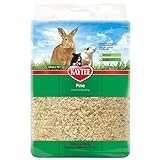
- Soft wood bedding
- All-natural and biodegradable
- Recommended for open, well ventilated cages and aquariums
- Specially processed to eliminate dust and wood debris
- Keep the existing staple food while introducing a new food cautiously.
- Offer only a modest amount of the new food.
- Observe appetite and droppings.
- Remove moist leftovers before they spoil.
- If your hamster becomes unwell or develops abnormal droppings, contact an exotic-animal veterinarian.
Hoarding, spoilage, and enclosure checks
Food hoarding is normal. Hamsters use their cheek pouches to transport food and may hide it in the enclosure, so bowl contents do not reveal exactly what they consumed. Moist food can spoil and encourage mould or bacterial growth.
- Check food stores regularly.
- Remove uneaten moist food before it spoils.
- Discard stale or spoiled food.
- Monitor body condition and appetite as well as the food bowl.
Water: how much and how often?
Fresh, clean water must be available continuously. Check the drinking system daily to make sure water is accessible and the bottle or bowl is working. The reviewed research does not establish a universal daily water amount; needs vary between animals.
Species and health differences
Food amounts should be tailored to the individual hamster’s species, body condition, and health rather than based on one universal portion. Keep sugary foods modest, with extra caution for dwarf hamsters. Hamsters that are ill or have other special needs should be assessed by an exotic-animal veterinarian.
When a food problem needs a veterinarian
Contact an exotic-animal veterinarian promptly if your hamster stops eating, has diarrhea or abnormal or absent droppings, develops breathing changes, or has a bloated abdomen. Singapore’s Animal and Veterinary Service lists lethargy, inappetence, abnormal breathing, abnormal or absent faecal droppings or urine, and abdominal bloating as signs needing medical help. UC Davis warns that “Wet Tail” diarrhea can be fatal if not treated immediately.
Best Value

- ✅【Naturally Air-Dried, Pet-Friendly Material】Made from 100% naturally dried herbs and flowers—no additives, no artificial scent—this bedding blend includes oat, wheat, millet, rabbit tail grass, and more. It’s safe for daily interaction and gentle on tiny paws, making it perfect for hamsters and other small animals.
- ✅【Decorative Touch for Enriched Habitats】Each bundle adds a vibrant pop of color and natural texture to your hamster's environment. Ideal for building natural-style cages, tunnels, or themed hideouts. Whether scattered or placed in a specific corner, these dried flowers enhance both play and rest areas.
- ✅【A Multi-Sensory Bedding Experience】This floral blend adds different textures and mild natural scents that stimulate your pet’s senses, encouraging natural exploration and chewing behavior. A fun way to combat cage boredom while offering a visual upgrade to traditional bedding.
- ✅【Rich Natural Ingredients for Safety and Fun】Crafted with over 10 natural ingredients—including reeds, wheat, rice stalks, rabbit tail grass, wild oats, purple forget-me-nots, glutinous millet, red sorghum, Gypsophila, Small Reed,and millet—this blend contains no additives or artificial fragrances. It offers a safe and chewable material for small pets, while diverse shapes and textures stimulate their natural instincts to explore and play.
- ✅【Simple to Use & Easy to Maintain】Just scatter it around your hamster’s habitat or mix it with existing paper/aspen bedding. A little shedding or floral debris during use is completely normal and safe—it won’t affect performance or enjoyment. Store in a dry, dark place to keep the colors and texture intact.
A simple daily feeding routine
- Offer the complete staple: Follow the food label and consult a veterinarian about an individual amount.
- Account for food stores: Check for food your hamster has carried or hidden before judging what it ate.
- Add fresh food modestly: Wash vegetables and introduce new foods cautiously.
- Limit treats: Keep them to no more than 10% of the diet, as Merck advises.
- Check water and food: Keep water available and remove moist, stale, or spoiled food.
FAQ
What can hamsters eat?
A hamster’s staple should be complete, balanced food formulated for hamsters. Some washed vegetables can be offered as supplements, and treats should be modest and should not replace the staple.
How much should I feed my hamster?
There is no universal daily amount established by the reviewed sources. Follow the food label and ask an exotic-animal veterinarian to tailor feeding to your hamster’s species, body condition, and health.
Can hamsters eat vegetables?
Yes. UC Davis lists carrots, squash, broccoli, cauliflower, cucumber, spinach, and other greens. Wash produce, offer it modestly, and remove moist leftovers before they spoil.
What’s actually slowing this PC down?
Pick the symptom - the matching free tool is one click away.
Can hamsters eat fruit?
Fruit should be a small, occasional treat because it is high in sugar and hamsters may have sensitive digestion. Be especially cautious with dwarf hamsters; the reviewed sources do not establish a species-specific amount.
What foods are toxic to hamsters?
The reviewed sources do not establish a complete item-by-item list of toxic foods. Avoid sharp or sticky foods that could lodge in or injure cheek pouches, and do not feed stale or spoiled food. Contact a veterinarian promptly if you suspect your hamster has eaten something harmful.
Why does my hamster hide food?
Food storing is normal hamster behavior. Hamsters carry food in their cheek pouches and hide it in the enclosure, so check food stores when assessing what has been eaten.
When should I contact a veterinarian about my hamster’s diet?
Seek prompt veterinary help if your hamster stops eating, becomes lethargic, has diarrhea or abnormal droppings, shows breathing changes, or develops a bloated abdomen.
The Tool Desk
Outbyte PC Repair FREEClear out junk files and repair common Windows errorsFree Scan →Outbyte Driver Updater FREEScan for outdated or missing drivers - takes under a minuteDriver Scan →The Bottom Line
Make complete, hamster-formulated food the staple. Offer modest amounts of washed vegetables and keep treats to no more than 10% of the diet. Follow the food label rather than relying on a universal portion figure, account for food your hamster stores, remove moist leftovers before they spoil, and consult an exotic-animal veterinarian about individual needs or signs of illness.
Quick Recap
Product prices and availability are accurate as of the date/time indicated and are subject to change. Any price and availability information displayed on Amazon at the time of purchase will apply.




