The Tool Desk
Outbyte PC Repair FREERepair Windows errors before they cause bigger problemsFix Now →Outbyte Driver Updater FREEScan for outdated or missing drivers - takes under a minuteDriver Scan →“Hepatitis” in cats can refer to different liver problems, so the specific diagnosis matters. One important inflammatory condition is cholangitis or cholangiohepatitis; hepatic lipidosis, or fatty liver, is a separate disorder that can develop when a cat stops eating. If your cat is not eating, is vomiting persistently, or looks jaundiced, contact a veterinarian promptly. These signs need an examination, not home diagnosis or treatment.
What does hepatitis mean in cats?
Hepatitis broadly means inflammation of the liver, but it does not identify one uniform disease. In cats, a common acquired inflammatory liver condition is cholangitis, inflammation involving the bile ducts. When inflammation extends into nearby liver tissue, it is called cholangiohepatitis. Merck Veterinary Manual describes feline cholangitis/cholangiohepatitis syndrome as the most common acquired inflammatory liver disease in domestic cats; that is a qualitative description, not a prevalence estimate. Merck Veterinary Manual: Feline Cholangitis / Cholangiohepatitis Syndrome
As an Amazon Associate I earn from qualifying purchases.
Hepatic lipidosis (“fatty liver”) is different: it is a syndrome in which fat builds up in the liver, often after illness or another stressor leads a cat to eat too little or stop eating. It can occur alongside another liver problem, but it is not another name for cholangitis. Merck Veterinary Manual: Feline Hepatic Lipidosis
Crashes, No Sound, or Screen Glitches?
Random freezes, missing sound and display glitches usually trace back to one bad driver. Find and replace yours safely.Free scan · under a minutePC Slower Than It Used to Be?
A free scan shows the junk files, broken settings and background clutter dragging Windows down - then fixes them in one click.Free scan · Windows 10 & 11What are the signs of hepatitis in cats?
Signs vary by disease and may overlap with many other illnesses, so they cannot confirm hepatitis on their own. Reported signs of cholangiohepatitis include:
#1 Best Overall

- Liver Support for Dogs & Cats: Denamarin is the #1 veterinarian recommended liver support supplement for dogs and cats. This supplement contains s-adenosylmethionine (SAMe) to help increase levels of the antioxidant glutathione - one of the liver’s main detoxifying agents
- High-Quality Ingredients: The Silybin found in Denamarin has shown better absorption by dogs and cats than the standardized milk thistle extract found in many other products
- Support Your Dog and Cat's Liver Health: The liver is one of the most vital organs in your pet and is responsible for removing toxins, storing energy, aiding digestion, and supporting the immune system
- From the #1 Veterinarian Recommended Supplement Company*: Nutramax Laboratories Veterinary Sciences has been a leader in pet health for over 30 years, and provides supplements to support joint health, digestive health, and overall wellness
- Backed by Science: Nutramax Laboratories Veterinary Sciences supplements are veterinarian formulated with high-quality ingredients to ensure your pet is receiving a safe supplement
- Reduced appetite or refusing food
- Vomiting
- Weight loss
- Jaundice, a yellow tint to the eyes, gums, or skin
- Fever, lethargy, dehydration, or sometimes abdominal pain
Some neutrophilic (suppurative) cases can begin more acutely and severely. Lymphocytic disease may be subtle or progress gradually, with signs such as intermittent vomiting, listlessness, or slow weight loss. A cat can have the condition without showing every listed sign. Cornell Feline Health Center: Cholangiohepatitis
Why appetite loss deserves prompt attention
Not eating can be both a sign of illness and a risk in its own right. In hepatic lipidosis, food deprivation can prompt fat mobilization that overwhelms the liver’s ability to process it. Merck describes dramatic weight loss in affected cats, sometimes greater than 25%; this is a possible clinical feature, not a threshold to wait for before seeking help. Contact your veterinarian promptly if your cat stops eating, particularly if there is vomiting, weakness, or yellowing. Merck Veterinary Manual: Feline Hepatic Lipidosis
Rank #2

- 🍃NATURAL INGREDIENTS: We crafted this herbal supplement completely pure. Here is only Milk Thistle (333 mg) as a main ingredient: no GMOs, artificial colorants, or components.
- 💫CAT LIVER SUPPORT: This natural supplement may be helpful with liver moments in cats, supporting their well-being and providing gentle and herbal action.
- 💚KIDNEY SUPPORT FOR CATS: Our product may support the kidney system in cats, allowing proper urination. Care for your cat’s bladder and urinary tract.
- 🐈FOR ALL CAT BREEDS: Sphynx cat, British Shorthair, Abyssinian, or other breeds. This liquid supplement is a solution for different cat breeds, ages, and sizes.
- 🍗APPROPRIATE FLAVOR FOR CATS: We know cats like the chicken taste, so we provide this supplement with this taste to give our beloved cat the best feeling.
What can cause liver inflammation in cats?
Causes depend on the specific condition. Cholangitis/cholangiohepatitis may be neutrophilic (suppurative) or lymphocytic, and the course and suspected cause can differ. Cats may also have inflammation of the pancreas and intestines at the same time; this combination is often called triaditis. In tropical and subtropical areas, liver-fluke infection is one possible cause for cats exposed through prey such as lizards, geckos, or toads. That possibility is not equally relevant to every cat or location. Cornell Feline Health Center: Cholangiohepatitis
What’s actually slowing this PC down?
Pick the symptom - the matching free tool is one click away.
Hepatic lipidosis is multifactorial. A cat may stop eating because of an underlying illness or stressor, and the resulting food deprivation can trigger excessive fat accumulation in liver cells. Finding and addressing the reason for appetite loss is therefore part of veterinary care, not a separate optional step. Merck Veterinary Manual: Feline Hepatic Lipidosis
Rank #3

- 🔸100% ORGANIC MILK THISTLE: ClearMax Liver Support contains Milk Thistle which promotes detoxification and maintains the normal balance of fluids and minerals in cats and dogs.
- 🔸LIVER SUPPORT FOR DOGS & CATS: Our formula specifically protects the liver against toxins, activates protein synthesis and may help stimulates growth of new liver cells to replace those that are dead or damaged.
- 🔸MILK THISTLE FOR DOGS & CATS: Our formula has the best natural ingredients, adjusted for cats and dogs in an easy to serve format that can be given with food or as a daily treat.
- 🔸DENAMARIN FOR DOGS & CATS: Helps promote liver function, detoxification, and overall well-being in your pets, ensuring a healthier and happier life.
- 🔸QUALITY YOUR PET WILL APPRECIATE: All our products are made in the USA and are veterinarian approved as well as hypoallergenic. Our milk thistle for cats and dogs liquid formula may help with liver detox and bring overall liver support for your pet.
How do veterinarians diagnose hepatitis in cats?
The workup depends on what the veterinarian suspects and how ill the cat is. It commonly begins with the history and physical examination, followed by blood tests and abdominal ultrasound. Bloodwork may show increased liver enzyme activity or bilirubin; ultrasound can assess the liver and biliary structures and may reveal changes associated with other disease. Neither a symptom nor a single blood result establishes the diagnosis.
For suspected cholangitis/cholangiohepatitis, a veterinarian may sometimes make a presumptive diagnosis using the clinical picture, bloodwork, and ultrasound. A liver sample or biopsy may be needed to identify the specific inflammatory form or establish a definitive diagnosis, although biopsy is not feasible in every case. For suspected hepatic lipidosis, evaluation may also include an ultrasound-guided liver aspirate; biopsy can be needed to investigate an underlying condition. Merck Veterinary Manual: Feline Cholangitis / Cholangiohepatitis Syndrome Cornell Feline Health Center: Cholangiohepatitis
Rank #4

- Comprehensive liver support Designed to help promote healthy liver function, supporting its metabolic activity and aiding in its crucial role in overall health.
- Aids natural detoxification Supports the body's normal waste elimination and detoxification processes, helping to protect the liver from environmental toxins.
- Enhances kidney health Contributes to the maintenance of normal kidney functions, essential for filtering waste and maintaining internal balance in your cat.
- Supports cognitive function Features S-Adenosylmethionine (SAMe), which aids in supporting normal nerve conduction, memory recall, and overall brain function.
- Promotes hepatic cleansing Assists with the normal cleansing of the liver from impurities, contributing to its proper functioning and health.
How is hepatitis in cats treated?
Treatment is tailored to the diagnosis, severity, and cause. A seriously ill cat may need hospitalization for fluids and supportive care. Depending on the findings, veterinary treatment may include anti-nausea medication, antibiotics when bacterial infection is suspected or confirmed, vitamins, other medicines, or surgery for a selected obstruction. Acute infectious disease and chronic inflammatory disease may require different medication plans, so drug choice and duration belong with the veterinarian. Merck Veterinary Manual: Disorders of the Liver and Gallbladder in Cats Cornell Feline Health Center: Cholangiohepatitis
Nutrition support may be part of treatment
Maintaining or restoring food intake is especially important when a cat has hepatic lipidosis or is at risk of developing it. The veterinary team may correct fluid, electrolyte, and metabolic problems and set a feeding plan. If a cat cannot eat enough on its own, nutrition may be delivered through a feeding tube placed and managed as clinical care, sometimes with continued care at home under veterinary instructions. Do not force a feeding plan, substitute a supplement, or choose a therapeutic diet without veterinary guidance. Merck Veterinary Manual: Feline Hepatic Lipidosis Cornell Feline Health Center: Cholangiohepatitis
Quick Recap
Best Value
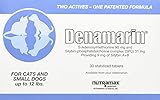
- Liver Support for Dogs and Cats: Denamarin is the #1 veterinarian recommended liver support supplement for dogs and cats. This supplement contains s-adenosylmethionine (SAMe) to help increase levels of the antioxidant glutathione - one of the liver’s main detoxifying agents
- High-Quality Ingredients: The Silybin found in Denamarin has shown better absorption by dogs and cats than the standardized milk thistle extract found in many other products
- Support Your Dog and Cat's Liver Health: The liver is one of the most vital organs in your pet and is responsible for removing toxins, storing energy, aiding digestion, and supporting the immune system
- From the #1 Veterinarian Recommended Supplement Company*: Nutramax Laboratories Veterinary Sciences has been a leader in pet health for over 30 years, and provides supplements to support joint health, digestive health, and overall wellness
- Backed by Science: Nutramax Laboratories Veterinary Sciences supplements are veterinarian formulated with high-quality ingredients to ensure your pet is receiving a safe supplement
When should you contact a veterinarian?
- Call promptly if your cat stops eating, develops yellow eyes or gums, or has persistent vomiting.
- Seek urgent veterinary advice if your cat is very weak, severely lethargic, dehydrated, or appears painful.
- Do not wait for a particular amount of weight loss or try to confirm liver disease from signs at home. Several serious conditions can look alike, and timely assessment helps determine the right treatment.
Product prices and availability are accurate as of the date/time indicated and are subject to change. Any price and availability information displayed on Amazon at the time of purchase will apply.




