What’s actually slowing this PC down?
Pick the symptom - the matching free tool is one click away.
Gas can cause colic, but colic is the broader term for abdominal pain—not a diagnosis of one particular problem. Because gas, impaction, obstruction, displacement, and other serious conditions can cause similar signs, you cannot reliably tell at home that a horse’s pain is “just gas.” Call a veterinarian whenever you suspect colic; call promptly if pain is pronounced, persists, worsens, or returns.
What is the difference between colic and gas?
Colic describes abdominal pain; gas is one possible cause of it. A veterinarian must assess the horse to determine what is causing the pain. Signs that look mild do not rule out a serious problem, and visible symptoms cannot reliably show which part of the digestive system is affected. The Merck Veterinary Manual’s horse-owner guidance, last updated May 2026, describes colic as a range of digestive problems rather than a single condition.

What signs can a horse with colic show?
Possible signs include:
- Pawing, pacing, or repeatedly lying down and getting up
- Looking back at the flank, kicking at the abdomen, or curling the upper lip
- Rolling, stretching unusually, or straining
- Sweating, reduced appetite, or seeming depressed or unusually quiet
- A distended abdomen or fewer bowel movements than usual
A horse may show only some of these signs. The University of Pennsylvania School of Veterinary Medicine’s March 2026 large-animal first-aid sheet notes that signs may be associated with colic without being specific to it. They are reasons to seek veterinary advice, not a home test for gas.
What can cause colic-like pain?
Possible causes vary in seriousness. Gas, fluid, or feed can stretch the intestine; feed, sand, parasites, or other material can contribute to impaction or obstruction. Displacement or twisting of the intestine, inflammation, and reduced blood flow are other possibilities. These causes can overlap in their outward signs, so symptoms alone do not identify which one is present.
Outdated Drivers Are Slowing You Down
One free scan finds every outdated or missing driver and matches the right update for your exact hardware.Free scan · exact hardware matchPC Slower Than It Used to Be?
A free scan shows the junk files, broken settings and background clutter dragging Windows down - then fixes them in one click.Free scan · Windows 10 & 11#1 Best Overall

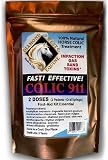
- An Equine Colic is a common and potentially serious condition in horses, characterized by abdominal pain and discomfort. Symptoms can include restlessness, pawing at the ground, rolling, and sweating. Colic can result from various issues, such as gas buildup, intestinal blockages, or spasms, and requires prompt attention to prevent severe complications.
- Equi Spaz is a 15-minute fast-acting colic reliever for horses, made with natural ingredients. This powerful formula provides quick and effective relief from abdominal discomfort, ensuring your horse feels better swiftly. Safe and easy to administer, Equi Spaz is gentle enough for regular use and safe for pregnant mares. Trust Equi Spaz to keep your equine companion comfortable and healthy.
- EASY APPLICATION, ORAL FORMULA THAT ALLOWS ANY PERSON WITHOUT MEDICAL KNOWLEDGE TO BE ABLE TO APPLY IT. Anyone can buy EQUI-SPAZ and we recommend everyone to ALWAYS have it READY in their farm or stables.
- Directions: When the colic gas symtoms begin, empty the entire content of the syringe into back of horse's mouth to ensure digestion. Repeat in half an hour if necessary or as your veteran indicates. Horses greater than 1000 pounds of weight must be administered two doses. 1 Syringe = 1 Dose.
- Equi Spaz, Saratoga Veterinary products, Equine colic relief, fast-acting colic treatment, Horse abdominal pain relief, natural colic remedy, safe for pregnant mares, quick colic solution, Hore digestive health, colic symptoms in horses, equine health supplement, horse colic buster
Sudden diet changes, large amounts of grain, inadequate water intake, and coarse or poorly digestible forage can contribute to digestive upset or impaction risk. They are risk factors, not proof of what is causing an individual horse’s pain. The University of Georgia Cooperative Extension’s Equine Colic bulletin discusses colic signs and contributing factors.
When should you call a veterinarian?
Call whenever you suspect colic rather than trying to decide whether it is only gas. Contact the veterinarian promptly for pronounced pain, signs that persist, worsening discomfort, or signs that improve and then return. Do not treat a suggested monitoring interval as a universal reason to wait: severity, progression, access to care, and the veterinarian’s advice all matter. Signs noticed in the morning may have started overnight.
The University of Pennsylvania’s New Bolton Center owner guidance says to call for greater pain, persistent discomfort, or signs that worsen or return. It also describes persistent pain—especially after medication administered by a veterinarian—and a persistently elevated heart rate as findings that may concern the veterinarian and support referral. Those are clinical considerations, not a standalone owner’s test for whether surgery is needed. Severe pain, dehydration, or concerning examination findings may require care at a clinic.
What should you do while arranging veterinary advice?
- Call the veterinarian and follow their directions. Penn Vet’s guidance puts it plainly: “A phone call to discuss your concerns is always the right first step!”
- Keep yourself and others safe. A horse in pain may roll or move unpredictably. Observe from a safe position and avoid putting yourself in danger.
- Remove food while you seek advice. Penn Vet recommends removing food. Ask the veterinarian about any further steps, including whether walking is appropriate; walking alone does not treat the cause.
- Record useful observations. Note when signs began and how they have changed, when manure last passed, what and when the horse last ate, recent feed or water changes, any previous colic episodes, and any treatment already given.
- Share measurements if available. A temperature or heart-rate reading can provide additional information for the veterinarian, but neither diagnoses the cause. Do not delay the call to obtain measurements.
Do not give medication, laxatives, or other treatment, or attempt stomach tubing, unless the veterinarian directs you to do so. If pain worsens or returns while you are waiting, contact the veterinarian again.
Quick wins for a faster PC:
Scan for outdated or missing drivers - takes under a minuteDriver Scan →Clear out junk files and repair common Windows errorsFree Scan →What if the horse seems better?
Improvement does not establish that the episode was harmless gas or that the underlying problem has resolved. Tell the veterinarian if signs ease and then return, and follow their advice on whether the horse needs examination or referral. A mild, short-lived episode may be managed at home after veterinary assessment; persistent or severe pain or concerning findings may call for referral care.
Quick Recap
Best Value
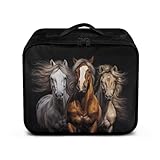
- Note: Package includes only one empty first aid bag!! 【Advanced Medical Kit】 The First aid kit is made of lightweight and strong 310D polyester fabric that is thick enough not easy to fade. Half zipper closure style, seams comfortable and firm, high quality double zipper, to ensure internal medical supplies from damage.
- 【Size】The first aid kit measures 11.02 x 9.46 x 4.92 inches /28 x 24.5 x 12.5cm. Simple and easy to store and large space, easy to take.
- 【Easy to Carry】 With a top handle, you can easily carry the medical kit while camping and outdoors. This first aid kit has organized mesh bags and folders inside to keep your first aid items clean and organized to ensure quick access to basic medical supplies.
- 【Unique Design】 A variety of styles for you to choose from, personalized first aid kit empty medicine storage device to meet all your preferences and needs.
- 【Multi-purpose】 Ideal for home, office, camping, hiking, boating, car, sports, travel, road trips, workplace, school, etc.
Rank #4

- An Equine Colic is a common and potentially serious condition in horses, characterized by abdominal pain and discomfort. Symptoms can include restlessness, pawing at the ground, rolling, and sweating. Colic can result from various issues, such as gas buildup, intestinal blockages, or spasms, and requires prompt attention to prevent severe complications.
- Equi Spaz is a 15-minute fast-acting colic reliever for horses, made with natural ingredients. This powerful formula provides quick and effective relief from abdominal discomfort, ensuring your horse feels better swiftly. Safe and easy to administer, Equi Spaz is gentle enough for regular use and safe for pregnant mares. Trust Equi Spaz to keep your equine companion comfortable and healthy.
- EASY APPLICATION, ORAL FORMULA THAT ALLOWS ANY PERSON WITHOUT MEDICAL KNOWLEDGE TO BE ABLE TO APPLY IT. Anyone can buy EQUI-SPAZ and we recommend everyone to ALWAYS have it READY in their farm or stables.
- Directions: When the colic gas symtoms begin, empty the entire content of the syringe into back of horse's mouth to ensure digestion. Repeat in half an hour if necessary or as your veteran indicates. Horses greater than 1000 pounds of weight must be administered two doses. 1 Syringe = 1 Dose.
- Equi Spaz, Saratoga Veterinary products, Equine colic relief, fast-acting colic treatment, Horse abdominal pain relief, natural colic remedy, safe for pregnant mares, quick colic solution, Hore digestive health, colic symptoms in horses, equine health supplement, horse colic buster
Product prices and availability are accurate as of the date/time indicated and are subject to change. Any price and availability information displayed on Amazon at the time of purchase will apply.




