
What’s actually slowing this PC down?
Pick the symptom - the matching free tool is one click away.
Animal shelters and rescue groups care for orphaned newborn puppies through a coordinated pathway: veterinary assessment, a trained foster placement, carefully prepared milk replacer, controlled warmth, frequent monitoring, and gradual weaning. Because a neonate can deteriorate quickly, the organization’s veterinarian or foster coordinator should set the individual feeding plan and decide when a puppy needs urgent treatment.
What “orphaned” means in shelter care
A puppy is considered orphaned when it cannot reliably nurse from its mother. The mother may be absent, ill, rejecting the litter, producing too little milk, or unable to care for the puppies safely. Some puppies are technically with their mother but still require supplemental feeding or temporary separation. Shelters and rescuers first determine which situation applies rather than assuming every small puppy needs the same protocol.
As an Amazon Associate I earn from qualifying purchases.
Newborns have limited reserves and cannot regulate their body condition as an older puppy can. A shelter therefore treats neonatal care as a managed medical and husbandry task, not simply as providing a bottle. Staff or volunteers record each puppy’s condition, feeding response, elimination, warmth, and changes that might require veterinary intervention.
Do these 3 things before closing this tab:
1Clear out junk files and repair common Windows errors2Fix the driver behind crashes, sound loss and screen glitches3Repair Windows errors before they cause bigger problemsHow a shelter or rescue organizes the care pathway
1. Intake assessment and stabilization
At intake, a veterinary professional or trained shelter staff member assesses breathing, alertness, hydration, body condition, injuries, congenital problems, and whether the puppy can suck and swallow. The team also looks for the mother and littermates when that is safe and practical. Reuniting a healthy litter with its mother is a different plan from caring for a genuinely orphaned puppy.
#1 Best Overall
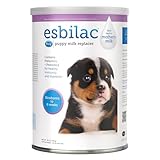
- PUPPY MILK REPLACEMENT — When mom can’t nourish them, Esbilac can. Scientifically the next best to mother’s milk, Esbilac provides all the nutritional elements necessary for puppies, newborn to six weeks old.
- COMPLETE, BALANCED NUTRITION — Our formula is closest to mother's milk in protein, fat, and carbohydrates. We’ve also added vitamins, minerals, and trace nutrients; plus prebiotics and probiotics to support healthy immunity and digestion.
- EASY TO DIGEST — Esbilac is highly palatable and formulated with a special fiber blend for easy digestion and improved gut health.
- EASY-TO-MIX FORMULA — Whisk or shake 1 part powdered Esbilac into 2 parts warm water. Do not mix more Esbilac than can be consumed in 24 hours. Do not use a blender. Must be kept refrigerated after reconstituting.
- ABOUT US — PetAg is a trusted leader in pet wellness, with science-backed formulas in our milk replacers, health supplements, and grooming products helping pet owners to proactively enhance the lives of their pets, for more healthy years together.
A weak, cold, injured, or breathing-impaired puppy may need stabilization before feeding. The shelter’s written protocol determines how warming, fluids, oxygen, medication, testing, and feeding are sequenced. A caregiver should not improvise a medical treatment because a puppy appears quiet or hungry.
2. Foster placement rather than a public kennel
Puppies under eight weeks are one of the groups commonly placed with foster caregivers. A foster home can provide a quiet, clean space and the close observation that a busy shelter floor cannot. The rescue supplies instructions, equipment, contact details, and a schedule for reporting weights or symptoms. Not every organization has an in-house neonatal nursery, so the available arrangement depends on local staffing, veterinary access, and trained foster capacity.
3. Supplies, records, and handoffs
A coordinated program identifies who is responsible for formula preparation, feeding logs, cleaning, weighing, overnight contact, and veterinary decisions. The record should follow the puppy if it moves between a shelter, foster home, and clinic. Useful entries include the time and amount offered, whether the puppy latched and swallowed, urine or stool observations, body weight when the organization requests it, and any coughing, vomiting, diarrhea, unusual crying, weakness, or breathing change.
Recommended Free Tools
| Care function | What the organization arranges | Why it matters |
|---|---|---|
| Veterinary oversight | Initial examination, individual instructions, and an escalation route | Neonatal problems can look similar while requiring different treatment |
| Foster environment | A clean, quiet location with a caregiver available for frequent checks | Young puppies need observation and care around the clock |
| Feeding system | Approved milk replacer, bottle and nipple, preparation directions, and a log | Position, flow, temperature, and hygiene affect safety |
| Monitoring | Scheduled checks and instructions about when to call | Early escalation is safer than waiting for a scheduled update |
| Development | Handling, bathroom support, socialization, and a weaning plan | The goal is healthy progression toward independent eating and adoption |
What orphaned puppies are fed
When a puppy cannot nurse, a commercial puppy milk replacer may be needed. The ASPCA advises contacting a veterinarian for product and feeding recommendations: “If you find yourself in this situation, contact your veterinarian for product and feeding recommendations.” That advice matters because products, concentrations, health conditions, and feeding volumes are not interchangeable. Cow’s milk and an improvised homemade formula should not be treated as a routine substitute for a veterinary-approved puppy diet.
The caregiver follows the organization’s instructions for mixing, storage, warming, and disposal. A formula that is mixed incorrectly can provide the wrong concentration of nutrients; repeatedly reheated or poorly stored milk can become unsafe. The foster should ask how long prepared formula may be kept, whether each feeding needs a fresh portion, and how the organization wants leftovers handled.
Safe bottle-feeding technique
Maddie’s Fund’s orphaned-puppy feeding chart identifies several preventable hazards. The following points describe that chart’s general guidance; the puppy’s veterinary plan takes precedence.
Position the puppy on its stomach
Feed with the puppy supported in a natural, belly-down position, not on its back like a human infant. The head and neck should be aligned so the puppy can suck and swallow without milk pooling in the airway. Feeding in the wrong position can cause aspiration, in which milk enters the lungs.
Use a suitable nipple and controlled flow
The nipple should be an appropriate length and size for the puppy. Milk should not pour freely when the bottle is inverted. Flow that is too fast can overwhelm swallowing; a hole that is too small may frustrate the puppy and encourage unsafe sucking. The caregiver should use the shelter’s specified bottle and nipple rather than enlarging an opening by guesswork.
Check the milk temperature
The Maddie’s Fund chart gives 97–100°F as its milk-temperature guidance. This is a reference from that chart, not a universal prescription for every puppy or formula. The caregiver should verify the temperature as instructed by the veterinary team and avoid feeding milk that is noticeably hot or cold.
Rank #2

- NUTRITIONAL SUPPLEMENT - Esbilac Healthy Development supports healthy growth and development with high-quality protein for dogs weaning to 6 years.
- SUPPORTS COGNITIVE DEVELOPMENT – With DHA (Omega 3 fatty acids) and Vitamin E, our formula supports visual & cognitive development.
- CONTAINS OMEGA 6 FATTY ACIDS - Our powder contains Omega 6 fatty acids to support a healthy skin and coat.
- GREAT TASTE - Esbilac Healthy Development is formulated with a great taste dogs love. Supports transition to solid foods for weaning puppies.
- ABOUT US − PetAg is a trusted leader in pet wellness, with science-backed formulas in our milk replacers, health supplements, and grooming products helping pet owners to proactively enhance the lives of their pets, for more healthy years together.
Offer the planned amount without forcing
The same chart cites 4 ml per 100 g of body weight as a comfortable stomach-capacity reference, with the chart attributing the figure to Lawler’s 2008 veterinary article. It is not an automatic dose, a target for every feeding, or permission to push a reluctant puppy to finish. The veterinarian or rescue sets the schedule and amount based on age, weight, condition, formula, and response. Overfeeding can cause complications, just as too little intake can leave a puppy weak.
Stop for coughing, milk from the nose, or breathing change
If a puppy coughs during a feed, struggles to breathe, becomes suddenly distressed, or shows milk around the nose, stop and contact the designated veterinary or rescue contact. Do not resume simply because the puppy still appears hungry. Aspiration can become a serious respiratory problem.
Clean equipment between feedings
Bottles and nipples need cleaning between feedings according to the organization’s protocol. Residual milk supports bacterial growth, and a contaminated nipple can expose a vulnerable puppy repeatedly. Keep clean equipment separate from used items and follow any instructions for sterilizing or replacing damaged nipples.
Warmth, hygiene, and the daily environment
Neonatal puppies need a controlled environment, but a single room-temperature number cannot safely be supplied without knowing the puppy’s age, health, bedding, equipment, and veterinary plan. Maddie’s Fund provides a puppy temperature chart, yet the retrieved material does not establish its environmental values. For that reason, a shelter should give the foster a written warming protocol rather than relying on a generic target found online.
Caregivers check that the puppy is warm enough to handle and responsive before feeding, while avoiding direct contact with a hot heating source. The setup should allow the puppy to move away from the heat and should be checked frequently for overheating, chilling, damp bedding, and accidental entrapment. The foster keeps the nesting area clean and dry, washes hands before handling, and separates sick animals according to veterinary instructions.
Very young puppies may need help eliminating after feeds. Whether and how to provide that support depends on the puppy’s age and the rescue’s instructions. Ask the foster coordinator to demonstrate the method; vigorous rubbing or unapproved products can injure delicate skin.
The Tool Desk
Outbyte PC Repair FREERepair Windows errors before they cause bigger problemsFix Now →Outbyte Driver Updater FREEFix the driver behind crashes, sound loss and screen glitchesFind Drivers →Monitoring and when the team escalates
Foster care is an observation job as much as a feeding job. The caregiver should know which measurements the organization wants and how often to report them. A log makes a gradual decline visible even when a puppy has occasional periods of normal behavior.
- Feeding response: whether the puppy latches, swallows, tires quickly, vomits, or refuses.
- Breathing: any cough, noisy effort, open-mouth breathing, or change after feeding.
- Behavior: alertness, movement, persistent crying, unusual quietness, or lethargy.
- Body condition: the weight checks and physical observations requested by the veterinary team.
- Elimination and cleanliness: urine or stool changes, diarrhea, soiling, and damp bedding.
Contact the foster coordinator or veterinary team promptly for a puppy that is sick, lethargic, cannot feed, or has trouble breathing. Feeding-related coughing or respiratory difficulty is especially important because it may indicate aspiration. If the organization has given an emergency number, use it rather than waiting for the next routine check-in.
Why a feeding log helps
A single missed feed may have several explanations, but a pattern of smaller intakes, increasing effort, or declining responsiveness can signal a problem. Times and observations allow the veterinarian to adjust the plan with more information than a general report such as “the puppy seems off.” Never change formula concentration, add supplements, or force-feed to correct a trend without instruction.
Rank #3

- MILK REPLACER WITH PROBIOTICS: Suitable for up to 9 young animal species including puppies, kittens, calves, lambs, goats, foals, piglets, llamas, and crias; providing probiotics and balanced nutrition to support healthy growth and development.
- MADE WITH PROTEIN AND FAT: Contains 24% protein and 24% fat; supporting fast, healthy growth, strong muscle development, and overall vitality for young animals during critical early stages of life.
- ALL MILK FORMULA WITH PROBIOTICS: Made with high-quality all-milk protein; supporting healthy growth, proper development, and overall performance for young animals during critical early stages of life.
- SUPPORTS HEALTHY DIGESTION FOR YOUNG ANIMALS: Powered by Opti-Gut probiotics; promoting gut health, nutrient absorption, and digestive balance to support overall growth, vitality, and wellbeing for young animals.
- EASY TO MIX FORMULA: Designed for quick and convenient preparation; ensuring fast mixing, effortless feeding, and optimal consumption so young animals receive balanced nutrition efficiently for healthy growth and development.
How weaning works
Weaning is a gradual transition from milk replacer to an appropriate puppy food. ASPCA guidance places the usual start at three to four weeks of age and says the process is ideally complete by seven to eight weeks. Those are developmental guideposts, not deadlines that override a puppy’s health or the veterinarian’s assessment.
Free tools Windows power users keep installed
One-click scans. No signup required.
Early transition
The rescue introduces a soft puppy-food mixture in the manner its veterinary team specifies while continuing milk replacer as needed. At first, the puppy may investigate, lick, or walk through the food rather than eat a meaningful amount. Clean shallow dishes and close supervision reduce mess and help the caregiver see what was actually consumed.
Increasing independent eating
As the puppy reliably eats and remains well, the team gradually changes the balance between milk replacer and food. The pace depends on intake, stool quality, growth, and overall condition. Abruptly removing milk can leave a puppy short of calories and fluids, while extending bottle feeds without a plan can delay normal eating skills.
Completion
By the organization’s target of roughly seven to eight weeks, a healthy puppy may be eating puppy food independently, but the foster still follows the veterinary and adoption-readiness plan. A puppy that is ill, underweight, or developing slowly may need a different timetable.
Choosing and supporting a foster arrangement
When a shelter or rescue decides where to place a neonate, the most useful questions are practical rather than promotional:
Quick wins for a faster PC:
Repair Windows errors before they cause bigger problemsFix Now →Scan for outdated or missing drivers - takes under a minuteDriver Scan →- Is veterinary oversight available, including an after-hours contact?
- Has the caregiver been trained to position, warm, and feed a newborn safely?
- Can the home provide the frequent checks and hygiene the schedule requires?
- Will the organization supply the approved formula, bottle, nipple, cleaning guidance, and written plan?
- How will weights, feedings, and symptoms be reported?
- What exact signs require an immediate call or transport to a clinic?
A rescue with fewer physical facilities can still provide excellent care if it has reliable veterinary access and a trained foster network. Conversely, a large shelter is not automatically equipped for every neonatal case. The quality of the pathway depends on clear responsibility, appropriate training, and rapid escalation when a puppy’s condition changes.
Common mistakes and safer alternatives
| Risky approach | Why it is a problem | Safer response |
|---|---|---|
| Feeding a puppy on its back | Milk can enter the airway | Use the belly-down position demonstrated by the veterinary team |
| Using milk that is too hot or too cold | Temperature can interfere with safe feeding and comfort | Follow the prescribed warming method and the chart’s 97–100°F reference |
| Letting milk flow too quickly | The puppy may not coordinate sucking and swallowing | Use the correctly sized nipple and controlled flow |
| Encouraging a puppy to finish despite refusal | Overfeeding or aspiration can result | Stop and ask the veterinary or rescue contact what to do |
| Skipping cleaning between feeds | Milk residue can support bacterial contamination | Clean equipment after each feeding as instructed |
| Waiting out lethargy or breathing trouble | Neonates can worsen quickly | Escalate promptly through the organization’s emergency route |
| Switching to solid food overnight | A puppy may not receive enough nutrition | Follow a gradual, monitored weaning plan |
What a responsible handoff to adoption looks like
The care pathway does not end when a puppy takes a few solid bites. Before adoption, the shelter or rescue reviews the medical record, feeding history, parasite and vaccination plan where applicable, social development, and the puppy’s ability to eat independently. Foster caregivers also help puppies learn normal handling, household routines, and appropriate interaction. The receiving adopter should be told what the puppy has been eating, what transition remains, and which veterinary follow-up is due.
For a member of the public who has found an orphaned newborn, the safest first step is to contact a local shelter, rescue, or veterinarian before attempting a full feeding schedule. These organizations can check whether the mother is nearby, provide the correct product and equipment, and place the puppy with someone prepared for neonatal care. If the puppy is lethargic, unable to feed, coughing, or having trouble breathing, describe those signs immediately and follow the emergency instructions given.
Quick Recap
Product prices and availability are accurate as of the date/time indicated and are subject to change. Any price and availability information displayed on Amazon at the time of purchase will apply.





Leave a Reply