
Some links on this page are affiliate links: if you buy through them we may earn a commission, at no extra cost to you.
Most Pomchis are commonly estimated to live about 12–16 years. That figure comes from a PetMD breed guide that draws on Chihuahua and Pomeranian information; it is an informed range, not the result of a representative study measuring Pomchi lifespans. An individual dog may live for less or longer depending on inherited health, veterinary care, accidents, and other factors that breed alone cannot predict.
Small dogs often outlive larger dogs, but published figures vary by source and by population. The most useful way to think about a Pomchi’s lifespan is therefore as a planning range, not a promise or a countdown.
As an Amazon Associate I earn from qualifying purchases.
What the available lifespan figures actually show
There is no representative, published Pomchi longevity cohort in the evidence reviewed. The 12–16-year estimate is a secondary guide’s interpretation of the parent breeds, so it should not be presented as a measured Pomchi average.
| Population or source | Reported figure | How to interpret it |
|---|---|---|
| Pomchi estimate in PetMD’s guide | About 12–16 years | An estimate inferred from Chihuahua and Pomeranian information, not a Pomchi cohort result. |
| Small dogs, American Kennel Club (AKC) | About 10–15 years on average; some reach 18 | A broad small-dog reference range covering many breeds and populations. |
| Chihuahua, AKC | 15–17 years | Parent-breed context, not a formula for predicting a Pomchi. |
| Pomeranian, AKC | 14–16 years | Parent-breed context, not a measured crossbreed average. |
| Chihuahuas in a UK primary-veterinary-care study of 2016 data | 8.2 years average | An observed result for that clinical population of Chihuahuas; it does not forecast Pomchi lifespan. |
These numbers are not interchangeable. A breed-guide range describes an expected span under ordinary ownership assumptions, while the Royal Veterinary College (RVC) VetCompass figure describes the average age at death recorded in a particular UK veterinary-care population. Different sampling, geography, follow-up methods, and causes of death can produce very different results.
Popular on Amazon
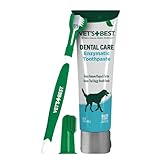
- DOG TOOTH BRUSHING KIT: Keep your dog's teeth and gums healthy with our dog toothbrush and toothpaste kit; our toothpaste is made with aloe, neem oil, grapefruit seed extract, baking soda, and enzymes to keep you dog's mouth fresh
- DOG DENTAL CARE MADE EASY: Our dog tooth paste gently cleans away plaque and tartar, serving as an effective dog breath freshener; rid your dog of bad breath and gift them a healthier mouth with our dog tooth brushing kit.
- TRIPLE HEAD TOOTHBRUSH: Our dog dental cleaning kit features a triple-sided dog tooth brush that cleans all sides of your dog's teeth at once, making tooth brushing faster and more efficient; no more struggling to clean those hard to reach back teeth
- NATURAL FLAVORS: Our toothpaste for dogs has natural flavors that your furry friend will love, making dog tooth brushing a more enjoyable experience even for the pickiest of pups, so you can keep their dog breath fresh without any fuss
- DENTAL KIT FOR DOGS OF ALL SIZES: Regular teeth cleaning supports your pet’s health. Use our dog toothbrush and toothpaste between vet visits to maintain oral hygiene, reduce plaque and tartar buildup, and keep your dog’s mouth fresh and healthy.
Why you should not average the parent breeds
It is tempting to add the Chihuahua and Pomeranian ranges and calculate a “hybrid” lifespan. That would imply a level of precision that the evidence does not support. A Pomchi can inherit different combinations of traits from either parent, and there is no validated equation that converts parent-breed estimates into an individual crossbreed prognosis. The parent figures are useful context only.
What can change a Pomchi’s longevity
Longevity is shaped by several interacting influences. For a particular Pomchi, a veterinarian’s examination, medical records, body condition, family history, and current symptoms are more informative than a generic breed number.
PC Slower Than It Used to Be?
A free scan shows the junk files, broken settings and background clutter dragging Windows down - then fixes them in one click.Free scan · Windows 10 & 11Outdated Drivers Are Slowing You Down
One free scan finds every outdated or missing driver and matches the right update for your exact hardware.Free scan · exact hardware matchInherited and breed-related risks
Chihuahua and Pomeranian guidance identifies dental disease, kneecap problems, and possible heart or eye disorders as relevant health topics. Their presence in parent-breed guidance does not establish how often those conditions occur in Pomchis, but it explains why owners and clinicians commonly monitor them.
Preventive care and early treatment
Regular veterinary examinations can identify dental disease, a shifting kneecap, heart findings, or eye changes before they become advanced. Preventive care cannot guarantee a particular lifespan, yet it gives a veterinarian the opportunity to investigate problems while treatment choices are broader.
Accidents and everyday safety
A small dog can be vulnerable to falls, being stepped on, unsafe interactions with larger animals, and other trauma. The RVC release found traumatic injury among the common causes of death in its Chihuahua study population. That statistic is not a Pomchi rate, but it is a useful reminder to manage stairs, furniture, doors, transport, and play with a toy-sized dog in mind.
Population and geography
Results from a UK veterinary database should not be treated as universal. Access to veterinary care, breeding practices, disease prevalence, owner decisions, and the way deaths are recorded can all differ between countries and between clinical and household populations.
Recommended Free Tools
Also popular on Amazon

- COMPLETE DOG DENTAL KIT: Includes a 2.5 oz tube of chicken flavor enzymatic dog toothpaste, a long-handled double-ended toothbrush, and a finger brush, giving you a full at-home dog tooth brushing kit in one pack.
- ENZYMATIC BAKING SODA FORMULA: This Arm & Hammer enzymatic toothpaste for dogs uses baking soda for fresh breath and helps with tartar control*. Added calcium is part of the formula for stronger teeth.
- CHICKEN FLAVOR TOOTHPASTE: The chicken flavored dog toothpaste is made to make brushing more appealing. Start with a small amount so your dog can adjust to the flavor, then build a steady brushing habit over time.
- TARTAR CONTROL SUPPORT: Brushing regularly with this dog toothpaste and toothbrush helps with tartar control* and fresh breath. Use the toothpaste with either brush as part of a consistent at-home dental care routine.
- TWO BRUSH SIZES INCLUDED: The long-handled double-ended toothbrush and the finger brush give you two brush sizes to suit all size pets. The finger brush is made for training and for sensitive pets.
Pomchi life stages: a practical framework without false age cutoffs
The sources reviewed do not establish a validated Pomchi-specific schedule that assigns exact ages to puppy, adult, or senior status. You can still organize care around these stages, but use your veterinarian’s assessment rather than a rigid birthday rule.
Puppy stage
- Arrange an initial examination and follow-up visits recommended for vaccinations, parasite prevention, growth, and development.
- Introduce tooth handling gently so that brushing can become routine rather than a struggle later.
- Use gradual, supervised socialization and keep play appropriate for a small, developing body.
- Puppy-proof the home: block unsafe drops, secure doors and balconies, remove chewable hazards, and supervise contact with larger dogs.
Ask the breeder or rescue organization for available medical and family-history information. A history cannot predict the future, but it helps your veterinarian decide what deserves closer observation.
Adult stage
- Keep preventive examinations and vaccinations on the schedule your veterinarian sets for the dog’s health and local disease risks.
- Continue dental care, nail and coat maintenance, safe exercise, and nutrition appropriate to the dog’s body condition.
- Watch for changes in gait, chewing, appetite, breathing, vision, energy, or tolerance for activity rather than waiting for an annual visit if a change persists.
- Review the safety plan as the dog’s habits change; a confident small dog can still be injured by a fall or collision.
Senior stage
- Let the veterinarian determine when senior-focused monitoring is appropriate; no evidence establishes one Pomchi age threshold.
- Report gradual changes in sleep, mobility, house-training, hearing, vision, appetite, or weight. Owners often notice these changes first.
- Ask whether examination frequency, blood testing, pain assessment, dental evaluation, or home modifications should change.
- Reassess exercise and feeding so activity remains safe and body condition stays suitable.
Using stages this way helps you adjust care without implying that every Pomchi ages on the same timetable.
Health problems worth discussing with your veterinarian
Dental and periodontal disease
PetMD flags periodontal disease as a concern for toy breeds such as Pomeranians and Chihuahuas. Small mouths can make plaque control difficult, and disease may progress beneath the gumline even when the visible teeth look acceptable.
AKC Chihuahua care guidance recommends brushing the dog’s teeth. Use a toothbrush and toothpaste made for dogs, never human toothpaste, and introduce the process in short, calm sessions:
- Let your Pomchi taste a small amount of dog toothpaste from your finger.
- When the dog accepts that, touch the teeth and gums briefly with a finger or soft brush.
- Progress to gentle brushing on the outer surfaces, especially where the teeth meet the gums.
- Keep sessions brief and reward cooperation; stop if the dog is distressed and ask a veterinary team for alternatives.
Bad breath, red or bleeding gums, loose teeth, difficulty chewing, dropping food, facial swelling, or a sudden refusal to eat warrant veterinary advice. Brushing supports oral hygiene; neither it nor any dental product has been shown to add a guaranteed number of years to a Pomchi’s life.
Also popular on Amazon

- #1 BRAND CHOSEN BY VETERINARIANS: Proven effective and trusted for over 30 years, C.E.T. is the top recommended dental brand by veterinary professionals to reduce plaque & tartar buildup
- Dual-sided toothbrush designed specifically for canine mouths with soft bristles for comfortable brushing
- Long handle with reverse angle allows for easy use and soft bristles for comfortable brushing while the finger-brush slips over finger for ease of use and better control
- Great tasting poultry-flavored toothpaste is ideal for dogs and cats that quickly build up plaque and tartar
- Complete kit with everything pet owners need to start a program of regular oral hygiene for their dog or cat. Ideal to help acquaint dogs/cats and their owners with the tooth brushing experience
Patellar luxation
Patellar luxation means the kneecap moves out of its normal track. Chihuahua guidance identifies it as a concern, and the American Pomeranian Club describes luxating patellas as the most common problem in Pomeranians and recommends patella screening for breeding dogs.
Contact a veterinarian if your Pomchi repeatedly skips, briefly carries a hind leg, becomes reluctant to jump or use stairs, or develops persistent lameness. Diagnosis requires an examination; a brief episode of skipping is not enough to determine severity or treatment.
Heart and eye conditions
AKC Chihuahua guidance lists possible heart and eye problems, while the American Pomeranian Club recommends heart and eye screening in Pomeranians. These recommendations identify areas for attention in the parent breeds, not a claim that every Pomchi will develop either condition.
Seek prompt advice for fainting, unusual exercise intolerance, persistent coughing, rapid or labored breathing, squinting, a cloudy eye, sudden vision difficulty, or a visible change in the eye. Some signs are emergencies, so ask your veterinary practice how it wants urgent symptoms handled.
What the Chihuahua study adds—and what it does not
The RVC VetCompass release concerning 2016 UK primary-veterinary-care data reported an average Chihuahua lifespan of 8.2 years. It also listed heart disease (18.8%), lower respiratory tract disorder (16.3%), and traumatic injury (13.8%) among the most common causes of death in that Chihuahua population.
Those percentages are not Pomchi disease rates, and the 8.2-year result does not replace the parent-breed guide ranges or the 12–16-year Pomchi estimate. They are useful as population-specific evidence showing why clinical records can differ from breed-guide expectations. Bill Lambert, Head of Health and Welfare at the Kennel Club, said of the work: “This research, supported by the Kennel Club Charitable Trust, enables us and all those who care about the health of Chihuahuas to know and understand more about breed-specific issues.” His comment applies to Chihuahua health knowledge, not to a forecast for Pomchis.
Quick wins for a faster PC:
Fix the driver behind crashes, sound loss and screen glitchesFind Drivers →Clear out junk files and repair common Windows errorsFree Scan →Scan for outdated or missing drivers - takes under a minuteDriver Scan →Also popular on Amazon

- SUPERIOR FORMULA FOR DOGS & PUPPIES - Upgrade to a professional-grade pet toothpaste crafted from natural ingredients. Our superior pet dental care formula ensures unparalleled oral hygiene without the harsh chemicals.
- IRRESISTIBLY DELICIOUS BACON & CHICKEN FLAVORS – Dogs and cats go absolutely wild for our real bacon and chicken flavors! They lick the brush clean and beg for more, turning daily tooth brushing into the highlight of their day instead of a battle.
- DOUBLE ENZYMATIC PLAQUE BUSTER - Unlock a brighter smile for your furry friend! Our enzymatic puppy toothpaste for small dog is enriched with the dual power of papaya and pineapple enzymes. Our natural pet teeth cleaning formula eliminates plaque and tartar buildup, ensuring a radiant smile.
- GOODBYE BAD BREATH - Harness the natural power of extra virgin coconut oil in our dog and cat toothpaste. Say goodbye to bad dog and cat breath and reduce the risk of dental issues like plaque and gum disease.
- NATURALLY SOOTHING & MOISTURIZING - Soothe inflamed gums and promote oral health with our dog and cat toothpaste's Virgin Hemp Seed Oil and Calendula Oil. Our toothpaste is an essential component of your pet tooth brushing kit in preventing gum disease and oral discomfort.
A realistic longevity-support plan
No single food, supplement, toy, dental kit, screening test, or exercise routine can promise extra years. A sensible plan combines routine care with fast attention to changes.
- Establish a baseline: Have a veterinarian examine the dog, record weight and body condition, review available family history, and create a preventive-care schedule.
- Protect the mouth: Build regular tooth brushing with dog toothpaste into the routine and arrange professional dental assessment when advised.
- Monitor movement: Note skipping, stiffness, reluctance to climb, or repeated lameness and report it rather than assuming it is a harmless quirk.
- Monitor heart and eyes: Keep scheduled examinations and report breathing, fainting, exercise-tolerance, or vision changes promptly.
- Control preventable hazards: Supervise around stairs, furniture, doors, vehicles, children, and larger animals; use secure handling and transport.
- Keep records: Save examination findings, dental procedures, medications, vaccinations, and changes in appetite or weight. Trends are easier to interpret than isolated memories.
If your Pomchi already has a diagnosis, ask the treating veterinarian how that condition changes monitoring, exercise, dental care, anesthesia planning, or emergency thresholds. Breed-level information cannot substitute for an individualized plan.
How to interpret a lifespan question for your own Pomchi
“How many years does my dog have left?” is usually not answerable from breed alone. A veterinarian may be able to discuss prognosis after considering the dog’s age, examination findings, diagnoses, test results, treatment response, and quality of life. Even then, a range is more honest than a precise date.
Use the 12–16-year figure as a planning estimate: it can help with long-term budgeting and expectations, but it should not cause false reassurance in a dog with concerning symptoms or unnecessary alarm in a healthy dog that falls outside the range. The absence of a Pomchi-specific cohort means uncertainty is part of the answer.
Do these 3 things before closing this tab:
1Repair Windows errors before they cause bigger problems2Fix the driver behind crashes, sound loss and screen glitches3Clear out junk files and repair common Windows errorsBottom line
A Pomchi is commonly said to live about 12–16 years, but that range is inferred from parent-breed information rather than measured in a representative Pomchi study. AKC estimates for small dogs, Chihuahuas, and Pomeranians provide context, while the RVC’s 8.2-year Chihuahua finding demonstrates why population and study design matter. Focus on individualized veterinary care, dental hygiene, monitoring of knees, heart, and eyes, and careful injury prevention instead of treating any lifespan figure as a guarantee.





Leave a Reply