
Do these 3 things before closing this tab:
1Fix the driver behind crashes, sound loss and screen glitches2Clear out junk files and repair common Windows errors3Scan for outdated or missing drivers - takes under a minuteSome links on this page are affiliate links: if you buy through them we may earn a commission, at no extra cost to you.
After every walk, look over all four paws, remove visible grit or residue with a clean cloth and warm water or a gentle rinse, dry carefully between the toes, and watch for licking or limping. Pay particular attention after snow, beach walks, road-salt exposure, or walks on treated sidewalks. If a substance may be corrosive, treat it as an exposure rather than ordinary dirt: flush the foot under running water for several minutes, wash with mild soap, rinse well, and contact a veterinarian when the injury or chemical involved is serious.
A five-minute post-walk paw routine
VCA Animal Hospitals recommends looking at your dog’s paws after a walk. A consistent routine helps you notice a problem while it is still visible and lets you remove material your dog might otherwise lick off later.
As an Amazon Associate I earn from qualifying purchases.
- Check all four paws. Examine the pads, the spaces between the toes, and the area around each nail.
- Remove possible residue. For ordinary dirt, salt, sand, or material picked up from the route, wipe with a clean cloth moistened with warm water or gently rinse the paws.
- Reach the crevices. Work between the toes and around the pads, where residue can remain even when the outside of the paw looks clean.
- Dry completely. Dry the paw surface and the spaces between the toes after cleaning.
- Observe your dog. Continued paw licking or limping can indicate discomfort or irritation and should change how closely you monitor the paw.
This routine is for post-walk inspection and cleaning. It is not a substitute for veterinary care when there is a deep wound, a serious burn, exposed tissue, or bleeding that will not stop.
How to inspect each paw without missing a problem
Start with the pads
Look at the main pads and the smaller pads around them. Check for cuts, bruises, cracks, redness, swelling, or unusual discoloration. A paw can collect residue without an obvious wound, so do not stop after a quick glance at the bottom surface.
Popular on Amazon

- Large fits paws 2.5" - 2.8". Measure while dog is standing with weight on paw. Includes 4 dog grip socks. Snug fit is normal—extra grip makes them stiffer than other socks but provides better traction
- 3x More Grip: Performance grip is engineered to provide reliable traction even if the sock twists while dog is using them, making them the ideal anti slip dog socks for both senior dogs and active dogs alike.
- Senior Dogs: Specifically created with senior pet owners in mind. Maximum traction on hardwood floors and other slippery surfaces make them the perfect socks for dogs with joint and mobility issues.
- Patented Grip Design: Revolutionary product designed in USA to provide comfort, stability, and mobility support. Buttonless strap design prevents dog sores and allows for a comfortable fit.
- Multi-Functional: Suitable for large dogs, small dogs, and senior dogs, these socks provide paw protection for summer keeping your dog's paws safe from hot pavement, heat, and other potential hazards.
Look between every toe
Separate the toes enough to see the skin between them. This is where damp salt, sand, plant material, and other residue can remain. Look for redness, swelling, lodged particles, or a reaction that appears different from the other paws.
Check around the nails
Inspect the skin and tissue around the nails for cuts, swelling, or trapped material. A bur or splinter may be easier to see around the nails or in the toe spaces than on the center of the pad.
Identify lodged objects carefully
Burs and splinters are examples of material that can become lodged in a paw. If an object is obvious and comes away easily during gentle cleaning, remove the residue and inspect the area again. Do not turn a routine wipe into forceful digging or scraping; a painful, deeply embedded, or bleeding area needs veterinary assessment.
Compare the paws and the dog’s behavior
Use the other paws as a visual reference. Also watch what your dog does after you finish. Paw licking or limping can signal discomfort or irritation, even when the initial visual check was brief.
Also popular on Amazon

- [Prevent From Licking] Our innovative dog socks are specially designed to help prevent your furry companion from licking their paws! These socks are an excellent solution for pet owners experiencing excessive paw licking due to allergies. These anti-lick dog socks are a must-have for any pet owner looking to enhance their dog's health and well-being. Say goodbye to sore, irritated paws for good!
- [Double Side No-Skid] It's our patent-exclusive design, Each side of the sock has [21 Cute Little Paw Grips] to provide strong extra traction when your dog is walking on the smooth floor. Even if the socks twist, they will still work. It's good for active dogs, and If your senior dogs has problems who was splaying and keeps slipping on your wooden floors with their back legs, it can help your old friends walk around in the house again!
- [Premium Material] Made of elastic and comfortable breathable knit fabric, It's soft and light, so dogs will easier to accept it, The durable bottom with extra-thick grip is specially crafted to shield your furry companion's paws from the hot and cold pavement, and rough outdoor surfaces. these socks create a protective barrier between your dog's paw pads and the ground, guarding against extreme temperatures and rugged terrain.
- [Anti-Fall Off] Updated with wider and longer elastic sticky straps, there is more room for adjustment depending on your dog's feet, to prevent socks from falling off, greatly increase wearing comfort, and keep your socks safe from scratches in the wash, we’ve designed a removable sticky straps so you can easily take it off before washing.
- Size Medium:Paw width 2.55", Length 6.3", Grip Width 1.7". Muti sizes available, fit for many pets. Please measure your pet before purchase, if your size is between the two sizes, it's better to choose the smaller size. Because our pet paw protector socks are fabrics with elasticity.
Wipe or rinse? Match the method to the residue
The right choice depends on how much material is present, whether it could be chemically irritating, and whether you can dry the paw afterward. A wipe may be enough for a light film; a rinse is more appropriate when residue is more substantial or has entered the spaces between the toes.
| Situation | Preferred approach | Why | Important follow-up |
|---|---|---|---|
| Light dirt or a small amount of ordinary residue | Clean cloth with warm water | Removes a limited amount of material without requiring a full wash | Wipe between toes and around the pads, then dry |
| Visible sand, road salt, snow residue, or material on several surfaces | Gentle rinse, or a thorough warm-water wipe if rinsing is impractical | More water can reach the pad edges and toe spaces where grit collects | Dry every paw, including between toes |
| Treated sidewalk or another route where chemical residue is possible | Rinse thoroughly; use the corrosive-exposure procedure if the substance may burn or damage tissue | Routine wiping may leave residue behind, while a corrosive substance requires immediate flushing | Do not wait for licking or a visible burn before seeking advice |
| Any method that leaves the paws wet | Finish with careful drying | Drying removes remaining moisture and residue from the areas you inspected | Recheck the toe spaces before your dog resumes normal activity |
Use clean water and a clean cloth. Do not substitute harsh household cleaners for a paw rinse, and do not assume that a product marketed as “pet-safe” is safe for a dog to eat. Salt and de-icers can irritate the paws, dry the pads and skin between the toes, and become an ingestion hazard when licked from the feet.
Step-by-step: wiping paws after a normal walk
- Prepare before handling the paw. Have a clean cloth and warm water ready, along with a dry towel. Preparing first helps you keep the dog’s paw supported rather than leaving it wet while you search for supplies.
- Inspect before wiping. Look for cuts, bruises, cracks, redness, swelling, burs, splinters, or other lodged material on every paw.
- Wipe the outer pad surfaces. Use the damp cloth to lift visible dirt or residue rather than rubbing aggressively.
- Clean the toe spaces. Use a clean part of the cloth for the spaces between the toes and around the pad edges. These areas are specifically important after sand, salt, or a treated-surface walk.
- Wipe around the nails. Remove residue that has collected near the nails without forcing material deeper into the skin.
- Dry each paw. Use a towel on the pads, around the nails, and between the toes. A clean household towel is suitable; an absorbent dog-grooming towel is optional.
- Observe afterward. Note any persistent licking, limping, redness, swelling, or a change in how your dog places the foot.
Step-by-step: rinsing paws after salt, sand, snow, or treated sidewalks
- Inspect all four paws first. Identify whether the issue is ordinary residue or whether you see a wound, burn, exposed tissue, or another sign that needs veterinary attention.
- Use a gentle stream of clean water. Rinse the paw surfaces and direct the water into the spaces between the toes and around the pads. The aim is to carry residue away, not to scour the skin.
- Check the paw again. Once the visible material is gone, look again for cracks, redness, swelling, bruising, or a lodged bur or splinter.
- Dry thoroughly. Pat the paw dry, then carefully dry between the toes. Do not leave the dog’s feet damp after cleaning.
- Monitor behavior. Paw licking or limping after the rinse suggests that irritation or injury may remain and warrants closer observation and, when marked or persistent, professional advice.
Snow, beach sand, road salt, and treated sidewalks are common reasons to choose a rinse or a particularly thorough wipe. The cleaning removes material from the areas you can reach; it does not promise to heal an existing wound.
What to do if the substance may be corrosive
A suspected corrosive chemical is different from routine post-walk dirt. VCA guidance advises holding the foot under running water for several minutes, then washing with mild soap and rinsing thoroughly. Wear gloves if available to protect yourself while cleaning the paw.
Also popular on Amazon
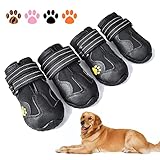
- 【Size】Size 6:(2.9''x2.5'')(L*W) for 52-70 lbs for 52-70lbs.Great for Medium Samoyed;Husky;Labrador;Airedale Terrier;Medium and large Chow Chow etc.Please refer to the picture size chart,You can choose the right size for your dog for the most comfortable fit.
- 【High-quality materials:】 High quality fabrics,wear resistant,to bear or endure dirty, Have cute pet paw embroidery, soft and hand washable, fashionable yet durable.Durable soles,tough anti-slip sole provides stability and traction,Helps dogs with mobility and stability on tile and the sand .
- 【Comfortable:】Soft and breathable to paws,so allows the boots to be used indoors or outdoors, hot and cold in wet and dry conditions.Protection from sharp thorns and hot pavement.Effectively protect dog claws from heat, stones, glass, etc. It protect the weak paw from snow, ice, salt during winter.
- 【Safe and Adjustable:】Easy to put on / off ,the dog shoes are fastened firmly by 2 straps, which are long and adjustable , capable to prevent slipping off and supply a customized tightness for secure closure and have reflective straps,reflective lines enhance visibility all the night ,also make your love dog safe .Please try to tighten the straps after wearing,which can effectively prevent the shoes from falling off the dog's claws.
- Our size is based on the inner diameter of the shoe and is measured by hand,Please allow a little size error.You are welcomed to contact us for any questions about the products and services at any time.
- Move your dog away from the source. Prevent additional contact while keeping the contaminated paw from rubbing on other surfaces.
- Flush under running water for several minutes. Keep water moving over the affected foot rather than relying on a quick splash.
- Wash with mild soap. Use mild soap after the initial flush, then rinse thoroughly so soap and loosened residue are removed.
- Dry and assess. Dry the paw enough to inspect it. Look for severe burns, marked discoloration, exposed tissue, or bleeding that does not stop.
- Contact a veterinarian for serious injury or uncertainty. Do not delay care while trying repeated home cleaning when the paw appears badly damaged.
If your dog may have swallowed a de-icer or another toxic substance by licking the paws, contact a veterinarian or an animal poison service promptly. Have the product details available. A “pet-safe” label does not mean the material is safe to ingest.
Salt and de-icer: why a rinse matters
Road salt and chemical de-icers can irritate paw tissue and dry the pads and the skin between the toes. They also create a second problem: a dog may lick the residue from its feet and ingest it. Cleaning and drying reduce what remains on the paw, but they do not make a swallowed product harmless.
After ordinary salt exposure
Use a warm-water wipe or gentle rinse, working between the toes and around the pads. Dry thoroughly and watch for licking, limping, redness, swelling, cracks, or other changes.
After a treated-sidewalk walk
Treat the exposure more cautiously because the exact substance may be unknown. Rinse rather than giving the paw only a superficial wipe. If you suspect a corrosive chemical, follow the running-water and mild-soap procedure instead of treating it as ordinary salt.
Also popular on Amazon

- SIZE M: Paw width 2.55 ", Length 6.3", Grip width 1.7 ". This dog sock is available in 5 sizes. Please measure your paw size before purchasing. If your size is between two sizes, it is better to choose a smaller size. Because our paw protector socks are made of elastic fabric.
- DOUBLE-SIDED GRIPS: Designed with unique wave-shaped grips on both sides, these socks offer excellent traction, reducing the risk of slips on smooth surfaces. Perfect for puppies, senior dogs, and pets who need extra stability. The anti slip rubber covers a larger area, providing more effective grip
- ALL-WEATHER PAW PROTECTION: Protect your dog's paws in every season with Expawlorer Dog Socks & Boots. Hot ground can cause discomfort and even injury to the paws, but our dog paws can prevent direct contact with the hot ground, making it easier to walk dogs during hot summers. Our dog socks can also be used on cold snow and slippery ice in winter, on hardwood floors in homes, and with injury prevention and licking functions. Breathable and comfortable, suitable for all seasons
- COMFORTABLE TO WEAR: Our dog socks are made from high-quality, breathable materials(75%cotton + 25%Polyester), these socks provide comfort and support while withstanding everyday wear and tear. The socks have elasticity and do not feel tight, making them comfortable to wear. Summer won't feel stuffy, winter can provide warmth, making them ideal for both indoor and outdoor use
- SUPER VALUE 6 PACK: 6 socks and 6 detachable belts are packed in one package. Multiple colors to choose from, suitable for both boys and girls as well as different holidays. If you find that the size is not suitable for your pet or there is a lack of accessories after ordering, please contact us in time, and we will help you solve the size problem or any other problem
If licking continues
Persistent licking means your dog may still feel irritation or pain. Reinspect the paw and seek veterinary advice when the behavior is marked, does not settle, or occurs with limping, visible injury, or swelling.
When a paw problem needs veterinary care
| Finding | What to do |
|---|---|
| Deep or serious wound | Arrange veterinary care rather than relying on wiping or rinsing. |
| Severe burn or suspected corrosive injury | Flush under running water for several minutes, wash with mild soap, rinse thoroughly, and contact a veterinarian. |
| Exposed tissue | Seek veterinary care promptly. |
| Bleeding that will not stop | Seek veterinary care; do not delay while repeating routine cleaning. |
| Possible ingestion of de-icer or another toxic product | Contact a veterinarian or animal poison service promptly and provide the product details. |
| Persistent limping or paw licking without an obvious cause | Reinspect the paw and obtain veterinary advice if the behavior continues or is pronounced. |
A rinse can remove residue, but it cannot determine how deep a wound is or treat serious tissue damage. When the paw looks badly injured or your dog may have ingested a toxic product, professional advice takes priority over home troubleshooting.
What’s actually slowing this PC down?
Pick the symptom - the matching free tool is one click away.
Optional prevention: booties and towels
Booties
Dog booties can reduce direct contact with cold, ice, salt, and chemical de-icers. They are an optional preventive measure, not a replacement for checking and cleaning the paws after the walk. The practical questions are whether the boot fits securely, whether your dog is comfortable wearing it, and whether it is intended for the conditions you expect to encounter.
| What to evaluate | Why it matters |
|---|---|
| Fit | A secure fit helps keep the boot on while avoiding an obviously uncomfortable or restrictive fit. |
| Comfort | A dog that cannot tolerate the boot may walk differently or refuse to use it. |
| Walking conditions | Cold, ice, salt, and chemical de-icers are the conditions for which paw booties are described as protective. |
| Post-walk check | Booties reduce contact but do not eliminate the need to inspect the paw and clean any residue that got inside or around the boot. |
Towels
An absorbent dog-grooming towel can make wiping and drying convenient, but a clean household towel performs the same basic job. Keep the towel clean and use a dry section for the spaces between the toes so you are not redistributing residue.
Also popular on Amazon
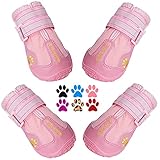
- Please be sure to measure the width of your dog's paws carefully, it is key to choosing the correct size for your dog, weight can only be used as an additional reference; Size 1: 1.8''x2.3''(W*L) for 11-23 lbs; size 2: 1.9''x2.4''(W*L) for 18-27 lbs; size 3: 2.0''x2.5''(W*L) for 23-33 lb; size 4: 2.2''x2.6''(W*L) for 31-40 lbs; size 5: 2.4''x2.8''(W*L) for 40-55 lbs; size 6: 2.6''x3.0''(W*L) for 52-65 lbs; size 7: 2.8''x3.2"(W*L) for 63-75 lbs; size 8: 3.0''x3.3"(W*L) for 74-88 lbs
- SECURE and ADJUSTABLE: Easy to put on / off. These dog shoes expands with a wide split seam opening and two adjustable and reflective straps to ensure a tight fit, also make your dog safe at night
- RUGGED: Tough slip-proof sole of dog boots provides stability and traction, protection from rough terrain
- QUALITY: The dog boots have a rugged sole and high quality fabrics that are then sewn together to ensure they are ready for your adventure
- FASHIONABLE: QUMY dog boots are with cute pet paw embroidery, paws side is the outside, soft and hand washable
A practical decision guide for common walks
| Where your dog walked | At-home response | Escalate when |
|---|---|---|
| Dry pavement or ordinary dirt | Inspect all four paws; wipe visible material and dry. | You find a cut, swelling, lodged object, or your dog limps or licks persistently. |
| Beach or loose sand | Check pad edges and toe spaces; rinse or wipe thoroughly, then dry. | Sand remains lodged, the skin is cracked or swollen, or discomfort continues. |
| Snow or road salt | Use warm water to wipe or gently rinse, clean between toes and around pads, and dry fully. | There are burns, marked redness, swelling, persistent licking, or possible ingestion. |
| Treated sidewalk | Rinse thoroughly; use the corrosive-exposure steps if the substance may burn. | There is severe injury, exposed tissue, uncontrollable bleeding, or uncertainty about a chemical exposure. |
| Visible bur or splinter | Inspect closely and remove only what comes away easily during gentle cleaning. | The object is deeply embedded, removal causes bleeding, or your dog is painful. |
How to make the routine easier for your dog
Keep the sequence predictable: inspect, clean, dry, then observe. Support one paw at a time and pause if your dog becomes distressed. A calm, consistent routine makes it easier to see the pads, toe spaces, and nail area rather than rushing through the inspection.
Set out the cloth, warm water, and dry towel before you begin. This is especially useful after a wet or salted walk, when residue can remain while you search for supplies. If you use booties, remove them and inspect the paws rather than assuming the boot prevented every contact.
Free tools Windows power users keep installed
One-click scans. No signup required.
Record what you saw if a problem recurs on the same route: the walking surface, the paw affected, the visible change, and whether licking or limping followed. That information can help your veterinarian evaluate a recurring irritation, but it does not replace an examination when the signs are serious.
Quick Recap
Post-walk checklist
- All four paws inspected
- Pads checked for cuts, bruises, cracks, redness, and swelling
- Toe spaces checked for residue, burs, and splinters
- Nail areas checked
- Salt, sand, snow residue, or sidewalk residue wiped or rinsed away
- Paws dried, including between the toes
- Licking and limping monitored
- Veterinary or poison-service contact made promptly when exposure or injury warrants it





Leave a Reply