
Free tools Windows power users keep installed
One-click scans. No signup required.
The best show steer is not necessarily the biggest, hairiest, or most muscular animal in the pen. It is a healthy, manageable, structurally sound steer whose age, weight, frame, growth rate, muscle, finish potential, paperwork, and seller support fit the rules and date of your specific show.
Start with the show endpoint, not a breeder’s sale photo. Before you compare cattle, determine the show’s ownership deadline, age requirements, weight limits, breed or breed-type classes, identification rules, and weigh-in or rate-of-gain requirements. Then estimate the steer’s target purchase weight, feeding period, daily gain, and expected show weight. Only after that should you begin selecting an animal.
As an Amazon Associate I earn from qualifying purchases.
1. Confirm the show requirements before shopping
Show rules can determine whether an otherwise excellent steer is eligible. Obtain the current rules directly from the county fair, state show, breed show, or major livestock show you plan to enter. Verify:
Quick wins for a faster PC:
Fix the driver behind crashes, sound loss and screen glitchesFind Drivers →Clear out junk files and repair common Windows errorsFree Scan →Scan for outdated or missing drivers - takes under a minuteDriver Scan →- Ownership and possession deadlines
- Age or birth-date requirements
- Minimum and maximum show weights
- Breed, breed-type, or crossbred classification rules
- Ear tags, brands, registration, and other identification requirements
- Whether cattle are weighed in, placed into weight classes, or judged under a required rate-of-gain system
- Health papers, vaccination timing, and interstate-movement requirements
These rules should determine the kind of steer you buy. Texas A&M youth-beef guidance emphasizes coordinating age, weight, frame size, breed type, and show date rather than treating any one trait as decisive.
#1 Best Overall

- Multicolored Rope Halter: Ensure effortless and reliable handling with Weaver Livestock’s classic style cattle show halter; this fully-adjustable cow halters are designed for easy control and unmatched comfort, ideal for all cattle breeds
- High Quality Build: Crafted from durable braid poly rope this show halter for cattle provides a tight, secure fit and professional appearance for your animals; the Weaver halter is designed for daily use, ideal for all livestock showmen
- 7' Lead Included: The cow halter lead rope offers ample length of approximately 7' which is perfect for guiding and controlling cows, bulls, oxen, calfs; great use for various tasks, from daily handling to showing your prized livestock
- Perfect Fit: Adjustable design allows you to customize your cattle rope halter for just the right fit, reducing the risk of discomfort; the performance cow halter for cattle is a suitable and reliable solution for your livestock management needs
- Versatile Use: Our multicolored cow show halter is also available in a wide selection of other trendy and traditional color options to suit any style - ideal for both young and adult cattle, making it an essential barn tool and training accessory
Project the show weight
A simple planning equation is:
projected show weight = current weight + (expected average daily gain × days until the show)
Use a realistic expected gain supplied by an Extension agent, agriculture teacher, nutritionist, veterinarian, or experienced cattle adviser. Do not assume that every steer will gain at the same rate. Starting weight, age, cattle type, health, ration, weather, stress, transport, and feed intake all affect performance.
A common project may begin with a steer around 400–600 pounds and end with an animal approximately 1,100–1,300 pounds at 16–20 months of age for a winter or spring show. Those are broad planning ranges, not universal targets. Some county-fair guidance gives a wider example of roughly 1,000–1,400 pounds at show age. Your local rules control.
Leave room for normal variation. The projection should account for transport shrink, changes in intake, illness or injury, training, fitting, and the possibility that the show date or weigh-in schedule will not go exactly as planned. A steer that is already too heavy or too fat has less flexibility than one with an appropriate frame and room to grow.
2. Evaluate every candidate from the ground up
Look at cattle in a quiet, safe area if possible. Observe each candidate standing naturally, walking toward you, walking away, and moving from the side. A single posed or fitted view can conceal structural problems.
Feet, legs, and soundness
Soundness is a selection filter, not a minor finishing detail. A steer that cannot walk comfortably, stand correctly, tolerate daily handling, or remain functional as it gains weight is a poor project regardless of its sale-ring appearance.
Look for:
- Large, square feet that set flat on the ground
- Strong but flexible pasterns, without weak or collapsing angles
- Clean, flexible joints
- Correct knee and hock angles
- Freedom of movement and an even stride
- A reasonably straight topline
- A long, level rump
- Enough bone and joint integrity to support additional weight
Be cautious with cattle that are sickle-hocked, excessively post-legged, weak in the pasterns, swollen at the joints, reluctant to move, or visibly uncomfortable. Watch the topline while the steer walks. Notice whether it carries itself normally, tracks evenly, and takes a long, powerful stride.
The Tool Desk
Outbyte Driver Updater FREEScan for outdated or missing drivers - takes under a minuteDriver Scan →Outbyte PC Repair FREERepair Windows errors before they cause bigger problemsFix Now →Judging priorities can vary, and some market-steer guides rank muscling and finish ahead of soundness. That does not make structure unimportant. The practical approach is to eliminate obvious soundness problems first, then compare the finer differences in muscle, balance, finish, and style among the sound cattle.
Rank #2
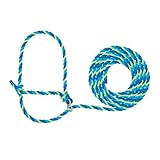
- Unique Rope Breaking Halter: Features quick pull-and-release action that helps prevent swollen jaws, unlike the slower release of conventional breaking cow halters; this fully-adjustable cattle show halter with lead is ideal for all cattle breeds
- High Quality Build: Crafted from durable poly rope this show halter for cattle provides a tight, secure fit for your animal's comfort; the nickel plated special figure-eight hardware prevents the rope from rubbing together for easy sliding action
- 8 1⁄2' Lead Included: The cow halter lead rope offers ample length of approximately 8 1⁄2' which is perfect for guiding and controlling cows, bulls, oxen, calfs; great use for various tasks, from daily handling to showing your prized livestock
- Convenient Design: Pressure points and easy slide action of the breaking cattle rope helps acclimate calf to the feel of a show halter; the performance cow halter for cattle is a suitable and reliable solution for your livestock management needs
- Versatile Use: Our one of a kind multicolored cow show halter is also available in a wide selection of other trendy color options to suit any style - ideal for both young and adult cattle, making it an essential barn tool and training accessory
3. Judge muscle without mistaking fat for muscle
Evaluate muscle from the rear first, then from the side and above. A muscular steer should have thickness through the quarter and loin while remaining reasonably smooth and functional.
Compare candidates for:
- Width between the rear feet while standing and walking
- Depth and thickness through the stifle and quarter
- Width and shape across the loin
- Length and smoothness of the muscle pattern
- Consistency of muscle from the shoulder through the loin and quarter
Do not select on one dramatic feature. A huge-looking hip, excessive hair, or flashy rear view cannot compensate for weak feet, poor movement, inadequate body capacity, an unsuitable frame, or an impossible growth schedule.
Muscle and finish are different. Muscle is the amount and shape of lean tissue; finish is fat cover and condition. A steer can look thick because it is carrying excess fat, while another can be muscular but still too green for the intended endpoint. Compare body condition in relation to age, current weight, frame size, show date, and expected gain.
Do these 3 things before closing this tab:
1Fix the driver behind crashes, sound loss and screen glitches2Clear out junk files and repair common Windows errors3Scan for outdated or missing drivers - takes under a minute4. Choose the right growth capacity and frame
Growth capacity describes the steer’s ability to continue growing appropriately. Useful visual indicators include:
- Width through the chest
- Open rib and adequate body depth
- Width between the feet
- Long body length
- Uniform depth from front to rear
- A frame size that matches the show’s weight window
A large-framed steer may have more time to grow before becoming overly mature. A smaller-framed steer may reach finish earlier. Neither is automatically better. The right frame is the one that can reach the show’s acceptable weight and finish at the correct time.
Age and starting weight matter as much as appearance. Cattle type, starting weight, and age influence feed intake, average daily gain, efficiency, days on feed, and eventual carcass traits. Ask an adviser to help you compare the candidate’s current size with the number of days remaining and the show’s weight limits.
5. Assess finish potential, not just current condition
Finish is often evaluated closely in market-steer competition, but selecting a steer that is already fat can create problems. An overfinished animal may have less time to grow and may exceed the show’s maximum weight or become too mature before the event.
What’s actually slowing this PC down?
Pick the symptom - the matching free tool is one click away.
Conversely, a very green or late-maturing steer may not develop adequate finish by show day. The best choice depends on:
Rank #3

- Modern Sheep Halter: Ensure effortless and reliable handling of your livestock with Weaver Livestock’s poly rope sheep halters; fully-adjustable sheep halter is designed for optimal comfort and control, making it ideal for both sheep and goats
- High Quality Build: Constructed from soft braid ski rope, these rope halters for sheep and goats provide a comfortable and secure fit for your animals; the durable Weaver halter is designed for daily use, ideal for all livestock showmen
- Durable Lead Included: The included sheep and goat lead measures 7/16" x 4', giving you ample length for guiding and controlling your animals; perfect for various tasks, from daily handling to showing your prized livestock
- Animal Friendly: These sheep showing supplies are gentle on your animals, reducing the risk of discomfort - the sheep and goat halter is a suitable and reliable solution for your livestock management needs
- Versatile Use: Our sheep and goat supplies and equipment seamlessly and securely fits sheep, goats, and lambs of all ages; making our rope halter an essential barn tool and training accessory
- Current weight and body condition
- Age and frame size
- Genetics and cattle type
- Days until the show
- Expected daily gain
- Ration and health status
- The show’s weight and carcass endpoint
Nutrition should support growth, muscle development, and appropriate fat cover. Commercial steer feeds commonly contain about 12–14 percent protein, but that range is not a universal ration prescription. Follow the feed label and develop the program with an Extension professional, nutritionist, or veterinarian who knows the animal, forage, facilities, climate, and show requirements. Provide appropriate concentrates, roughage, minerals, and clean water.
6. Give health and disposition equal practical attention
Health checks before purchase
Before buying, look for a bright, alert animal with normal appetite, breathing, manure, skin, and hair. Check for clear eyes and nose, normal posture, and freedom from obvious lameness, swelling, chronic coughing, or signs of ongoing illness.
Ask to review:
- Birth date and identification
- Vaccination and deworming records
- Medication and treatment history
- Recent health observations
- Current ration and feed intake
- Any history of lameness, respiratory disease, digestive problems, or injury
For an expensive animal or a first-time buyer, a pre-purchase examination by a veterinarian can be worthwhile. A health certificate or certificate of veterinary inspection may be required by the destination, state, or show; it is not a substitute for examining the animal and reviewing its history.
Recommended Free Tools
Disposition is a safety trait
Choose a steer that is calm, responsive, and willing to be handled. The animal will need to be halter broken, tied, washed, groomed, exercised, loaded, hauled, and controlled in a busy show environment. A reactive or dangerous steer can put the exhibitor, parents, advisers, and other animals at risk.
Ask whether the candidate has already been halter broken, tied, washed, clipped, loaded, exposed to dogs or other cattle, and handled by young people. Early training and daily care are central to successful showmanship. A manageable steer with slightly less extreme appearance is often a better project than a more impressive animal that cannot be safely controlled.
7. Verify eligibility and paperwork
Do not leave the seller without the documents required for your project. Depending on the location and show, you may need:
- Bill of sale
- Brand-inspection paperwork, where applicable
- Animal identification and ear-tag information
- Birth-date documentation
- Registration or breed documentation, if required
- Vaccination and treatment records
- Certificate of veterinary inspection or other movement paperwork
Interstate movement may require a legible USDA ear tag and a certificate of veterinary inspection signed by an accredited veterinarian. Individual shows can impose additional conditions, so confirm requirements with the show authority before transport.
Breed classification can be subjective
Do not assume that the seller’s breed description guarantees a particular class. Some shows classify cattle by visual characteristics, and modern crossbred cattle can be difficult to place. Texas A&M’s 2024–2028 Texas guidelines illustrate why current show-specific classification rules matter: visual classification may involve judgment, especially among crossbreds.
Rank #4

- Modern Sheep Halter: Ensure effortless and reliable handling of your livestock with Weaver Livestock’s poly rope sheep halters; fully-adjustable sheep halter is designed for optimal comfort and control, making it ideal for both sheep and goats
- High Quality Build: Constructed from soft braid ski rope, these rope halters for sheep and goats provide a comfortable and secure fit for your animals; the durable Weaver halter is designed for daily use, ideal for all livestock showmen
- Durable Lead Included: The included sheep and goat lead measures 7/16" x 4', giving you ample length for guiding and controlling your animals; perfect for various tasks, from daily handling to showing your prized livestock
- Animal Friendly: These sheep showing supplies are gentle on your animals, reducing the risk of discomfort - the sheep and goat halter is a suitable and reliable solution for your livestock management needs
- Versatile Use: Our sheep and goat supplies and equipment seamlessly and securely fits sheep, goats, and lambs of all ages; making our rope halter an essential barn tool and training accessory
If breed-class placement is important, read the current rules, ask how the show defines the class, and ask the seller how cattle from the same breeding program have classified previously. Past classification is useful context, not a guarantee.
8. Evaluate the breeder or seller
A reputable seller should be willing to discuss the steer’s birth date, sire and dam information when available, vaccination and treatment history, ration, feed intake, growth history, handling routine, and known structural or health concerns.
Look for a seller who:
- Provides complete, consistent records
- Allows you to observe the animal move
- Answers questions without minimizing concerns
- Explains the current feeding and handling program
- Can provide references or a history of successful projects
- Offers practical post-sale guidance
Follow-up support can be more valuable than a small difference in initial appearance. Ask what the steer is eating, how quickly to change the ration, how it has been handled, and what transition problems to watch for during the first weeks at home.
9. Use a written scorecard
Score every serious candidate before making a decision. A written comparison keeps hair, color, sale hype, or one spectacular body part from dominating your judgment.
| Category | What to record |
|---|---|
| Show fit | Age, birth date, current weight, projected show weight, frame, breed class, and rule compliance |
| Health | Appetite, breathing, eyes, skin, manure, records, and absence of lameness |
| Disposition | Calmness, response to people, halter experience, loading, and handling behavior |
| Structure | Feet, pasterns, knees, hocks, joints, topline, rump, stride, and flexibility |
| Muscle | Quarter, stifle, loin, rear-foot width, length, and uniformity |
| Growth capacity | Chest, rib, body length, body depth, and frame size |
| Finish potential | Current condition relative to age, weight, show date, and expected gain |
| Seller support | Records, honesty, references, feeding information, and post-sale help |
| Total project cost | Purchase price, feed, health care, bedding, equipment, hauling, grooming, fees, and contingency funds |
Use the scorecard to organize expert advice, not to create a false sense of mathematical precision. Selection is not exact science. A county Extension agent, agriculture teacher, experienced breeder, rancher, or successful exhibitor can notice problems that a first-time buyer may miss.
Independent reader supportYour contribution helps us test, update, and keep practical guides available for everyone.10. Prepare for handling and presentation
Halter breaking should begin in a safe pen with close supervision. Oklahoma State showmanship guidance recommends an appropriately fitted nylon rope halter, commonly around 1/2 to 5/8 inch for early halter breaking. A beef cattle show halter is a practical starting point, but fit and humane control matter more than brand or appearance.
Never leave a haltered animal tied unattended. Use a quick-release setup, keep the lead positioned safely, and have an experienced adult supervise youth handlers. Colorado State project materials specifically caution that halter breaking requires a quick-release arrangement and close observation.
PC Slower Than It Used to Be?
A free scan shows the junk files, broken settings and background clutter dragging Windows down - then fixes them in one click.Free scan · Windows 10 & 11Crashes, No Sound, or Screen Glitches?
Random freezes, missing sound and display glitches usually trace back to one bad driver. Find and replace yours safely.Free scan · under a minuteOnce the steer understands leading and stopping, a show stick can help teach foot placement, stance, and ring responses. A livestock show stick should be used as a communication and positioning tool, not as an excuse for rough handling. Training should be gradual and consistent.
Best Value

- Basic Braided Rope Halter: Ensure effortless and reliable handling with Weaver Livestock’s classic style cattle show halter; these fully-adjustable cow halters are designed for easy control and unmatched comfort, ideal for all cattle breeds
- High Quality Build: Crafted from durable braid poly rope this show halter for cattle provides a tight, secure fit and professional appearance for your animals; the Weaver halter is designed for daily use, ideal for all livestock showmen
- 7' Lead Included: The cow halter lead rope offers ample length of approximately 7' which is perfect for guiding and controlling cows, bulls, oxen, calfs; great use for various tasks, from daily handling to showing your prized livestock
- Perfect Fit: Adjustable design allows you to customize your cattle rope halter for just the right fit, reducing the risk of discomfort; the performance cow halter for cattle is a suitable and reliable solution for your livestock management needs
- Versatile Use: Our black cow show halter is also available in a wide selection of other trendy and traditional color options to suit any style - ideal for both young and adult cattle, making it an essential barn tool and training accessory
Basic show-box supplies
Depending on your facilities and budget, a show box may include:
- Properly fitted halter and lead
- Livestock show stick
- Cattle grooming blower
- Livestock show cattle shampoo or soap
- Rice-root cattle brush
- Scotch comb
- Feed and water pans
- Clippers and other grooming tools
- Safe tie equipment and quick-release hardware
A blower is useful for preparing the hair coat but is optional when access, noise, or budget makes it impractical. Use animal-safe grooming products according to their labels and introduce equipment gradually so the steer does not become frightened.
Common mistakes to avoid
- Buying before checking the rules: An ineligible age, weight, identification, or breed class cannot be repaired after purchase.
- Choosing the largest steer: Size is useful only when it fits the show date and weight window.
- Buying the hairiest steer: Hair can improve presentation, but it does not prove muscle, soundness, health, or project fit.
- Ignoring movement: Structural problems often become clearer when the animal walks.
- Confusing fat with muscle: Evaluate quarter, loin, stifle, and overall muscle pattern separately from condition.
- Skipping records: Missing birth-date, health, identification, or ownership documentation can create eligibility and management problems.
- Trusting a breed label blindly: The show’s classification rules determine eligibility.
- Selecting an unsafe animal: Disposition is part of project suitability, not an optional bonus.
- Starting training unsafely: Use a secure area, quick-release knot, supervision, and experienced instruction.
- Copying another exhibitor’s ration: Feed programs must match the individual steer and local advice.
Frequently Asked Questions
What weight should a show steer be when I buy it?
There is no universal purchase weight. A common planning range is about 400–600 pounds, but the correct starting weight depends on the steer’s age, frame, expected daily gain, show date, and local minimum or maximum weights. Project the endpoint before buying.
Should I choose the most muscular steer?
Muscle is important, but it should be compared only after obvious health and soundness problems are eliminated. The best project combines muscle with correct structure, body capacity, manageable disposition, suitable frame size, and enough time to reach the required finish and weight.
How can I tell whether a steer is sound?
Watch it walk toward you, away from you, and in profile. Look for square feet, flexible pasterns, clean joints, correct knee and hock angles, an even stride, a reasonably straight topline, and no signs of pain or reluctance.
Is a large-framed steer always better?
No. A large frame may allow more growth time, while a smaller frame may finish earlier. Choose the frame that fits the show’s weight window and the number of days until the event.
What paperwork should I get when buying a show steer?
Request the bill of sale, identification and birth-date information, brand-inspection paperwork where applicable, breed or registration documents if required, and vaccination and treatment records. Interstate movement may also require a USDA ear tag and a certificate of veterinary inspection.
How important is disposition in a show steer?
Very important. The steer must be safely halter broken, tied, washed, groomed, loaded, transported, and controlled in a crowded show environment. A calm, responsive animal is usually a better youth project than a dangerous steer with more extreme appearance.
The Bottom Line
Choose the steer that gives you the greatest probability of safely reaching your show’s endpoint. Verify the rules first, project weight and growth, then prioritize health, disposition, soundness, muscle, body capacity, finish potential, paperwork, and reliable seller support. The animal that looks best in one sale picture is not necessarily the one that will perform best as a complete show project.
Quick Recap
Product prices and availability are accurate as of the date/time indicated and are subject to change. Any price and availability information displayed on Amazon at the time of purchase will apply.





Leave a Reply