Choose a food labeled complete and balanced for your pet’s species and life stage, then tailor the amount to that animal’s condition, activity and calorie needs. Check the nutritional adequacy statement and feeding directions; don’t use ingredient-list order or words such as “premium” as a shortcut for judging nutrition. If your pet is sick or has special dietary needs, ask a veterinarian to guide the choice.
How do I choose the right food for my pet?
Start with the basics that determine whether a food is suitable at all:
- Species: Choose food intended for your pet, such as dog food for a dog or cat food for a cat. Their nutrient requirements differ.
- Life stage: Look for a food intended for growth, maintenance, gestation or lactation, or the stated life-stage range that fits your pet. A food suitable for one stage may not be suitable for another.
- Health and condition: Account for your pet’s health, body condition, activity and any dietary requirements identified by a veterinarian.
- Practical fit: Consider whether your pet tolerates and eats the food, as well as its price and reliable availability, after establishing nutritional suitability.
For a comparison between two foods, first confirm that both fit the species and life stage and make an appropriate complete-and-balanced claim. Then compare calories, feeding directions and practical suitability for your individual pet. There is no universally best brand or ingredient profile established by these criteria.
What does “complete and balanced” mean on pet food?
Look for the nutritional adequacy statement, usually in small print on the back or side of the package. It identifies the species and life stage for which the food is represented as complete and balanced, and describes the basis for that claim. A statement may say the food is formulated to meet nutrient profiles, substantiated by animal feeding tests using AAFCO procedures, or comparable to a tested product.
Quick wins for a faster PC:
Repair Windows errors before they cause bigger problemsFix Now →Fix the driver behind crashes, sound loss and screen glitchesFind Drivers →Clear out junk files and repair common Windows errorsFree Scan →#1 Best Overall

- DOGS WITH FOOD SENSITIVITIES: Veterinary-exclusive dry dog food made with hydrolyzed protein for adult dogs with food sensitivities
- HYDROLYZED PROTEIN: Hydrolyzed soy protein, composed of low molecular weight peptides, is highly digestible and supports gastrointestinal and dermatological health
- SKIN BARRIER: Formulated to support the skin’s natural protective barrier
- EPA AND DHA: Enriched with EPA+DHA fatty acids to help maintain a healthy skin & digestion
- DIGESTIVE HEALTH: Helps regulate intestinal transit and supports a balanced digestive flora
These are different ways of supporting a nutritional claim; neither means that AAFCO has approved the product. AAFCO states, “AAFCO does not approve, certify or otherwise endorse pet foods.” Its nutrient profiles cover 37 nutritional parameters for dogs and 44 for cats, according to AAFCO; the page does not state a publication year for that count.
AAFCO label guidance is grounded in the United States model-regulation context. Label rules and product wording can differ elsewhere, so check the package and applicable local requirements where you live.
Rank #2
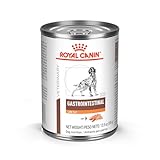
- DOGS WITH DIGESTIVE CONCERNS: Royal Canin Gastrointestinal low fat dog food loaf is a veterinary-exclusive dog wet food for digestive health concerns
- LOW FAT DOG FOOD: Specialized sensitive digestion wet dog food that is low in fat and easy to digest
- PREBIOTICS FOR DOGS: Royal Canin gastrointestinal dog food made with prebiotics to help support healthy bacteria in the gut
- FIBER FOR DOGS: Low fat dog food contains a blend of dietary fibers to help support healthy digestion for optimal stool quality
- HIGHLY FLAVORFUL: Pate dog food loaf is highly flavorful and appeals to dogs, including those with picky appetites
How do I know if dog food or cat food is right for my pet’s age?
Use the life-stage wording in the nutritional adequacy statement, not just the product name or front-of-package imagery. Check that the statement covers your pet’s current stage—such as growth, adult maintenance, or gestation and lactation—or a range that includes it. If the wording is unclear or your pet’s needs are unusual, ask your veterinarian to interpret the label.
How much food should I feed?
Use the package’s feeding directions as a starting point, not a guaranteed portion. The right amount depends on the individual animal, including activity and condition. Follow your pet’s weight and body condition over time and adjust intake when needed; AAFCO notes that directions may need revision if activity or condition changes or weight is increasing or decreasing. WSAVA provides body-condition and calorie-needs resources for owners and veterinary teams, but an appropriate calorie target depends on the particular pet.
Rank #3
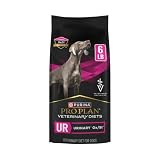
- Great tasting Purina Pro Plan Veterinary Diets dog food promoting a urinary environment unfavorable to the development of both sterile struvite* and calcium oxalate crystals
- Dry dog food designed to help dissolve sterile struvite stones*
- Dog kibble that helps reduce the risk of both sterile struvite* and calcium oxalate stone recurrence
- Includes high-quality protein for dogs
- Adult dog food formula containing antioxidants
Is the ingredient list the most important part of pet food?
No. Ingredients are listed in descending order of predominance by weight, but their order does not establish the quality of the ingredients or the overall nutritional adequacy of the food. WSAVA’s Global Nutrition Committee cautions that “the ingredient list gives no information on the quality of the ingredients and can be very misleading on the overall quality of the food.” A complete food is formulated to meet nutrient needs through the overall balance of its ingredients.
Marketing terms also need context. AAFCO says “premium” is not a specially regulated feed-law standard, and “natural” is not a statement of safety. Neither term, by itself, demonstrates that a food is nutritionally superior or right for your pet.
Rank #4

- Sensitive stomach cat food containing hydrolyzed protein sources
- Hydrolyzed protein cat food includes a single carbohydrate source
- Highly digestible Purina Pro Plan Veterinary Diets cat food formula to promote optimal nutrient absorption
- Great-tasting Purina Pro Plan Veterinary Diets dry cat food formula featuring high-quality protein and antioxidants to support immune health
- St/Ox Defense: This cat kibble promotes a urinary environment unfavorable to the development of both struvite and calcium oxalate crystals
Does my pet need treats or supplements?
Treats and supplements are not automatically complete diets. Check their intended use: products labeled “intermittent or supplemental feeding only” are not represented as ordinary complete food. Treats should not replace a suitable complete diet.
AAFCO says healthy dogs and cats eating complete and balanced food appropriate for their life stage generally do not need supplements. Excess nutrients can be harmful, so discuss supplements with your veterinarian and follow professional instructions. Some supplements and therapeutic diets are used under veterinary direction.
What’s actually slowing this PC down?
Pick the symptom - the matching free tool is one click away.
Best Value

- DOGS WITH DIGESTIVE CONCERNS: Royal Canin Gastrointestinal dog food is a veterinary-exclusive dog dry food for digestive health concerns
- LOW FAT DOG FOOD: Specialized sensitive digestion dog food that is low in fat and easy to digest
- PREBIOTICS FOR DOGS: Sensitive digestion dog food made with prebiotics to help support good bacteria in the gut
- FIBER FOR DOGS: Low fat dog food contains a blend of dietary fibers to help support healthy digestion for optimal stool quality
- HIGHLY FLAVORFUL: Dog kibble texture is highly flavorful and appeals to dogs, including those with picky appetites
When should I ask a veterinarian about food?
Consult a veterinarian if your pet is sick or has a condition or special nutritional need. A veterinary team can assess overall health, body and muscle condition, and dietary requirements. Do not use a general food guide to select a therapeutic diet, prescribe supplements, or create a homemade recipe for a pet with medical needs.
Quick Recap
Product prices and availability are accurate as of the date/time indicated and are subject to change. Any price and availability information displayed on Amazon at the time of purchase will apply.




