
Start by looking for a certified behavior consultant or trainer with recent, relevant experience—not simply someone who advertises general obedience classes. Ask how they assess your dog, keep people and animals safe, use reinforcement-based methods, measure progress, and decide when to adjust the plan or refer to another professional. Credentials help you shortlist candidates, but they do not guarantee that a particular person is the right fit.
Fear and reactivity can make a group class or generic training plan a poor starting point. You want a professional who will understand your individual dog’s behavior and circumstances before deciding what training should look like.
As an Amazon Associate I earn from qualifying purchases.
Know what kind of professional to look for
Dog training is not uniformly licensed. The Certification Council for Professional Dog Trainers (CCPDT) says there are no licensing requirements or regulatory oversight for dog trainers. A person may therefore advertise as a trainer without holding a standardized professional credential. Check qualifications, relevant experience, and methods rather than treating a job title or referral as proof of competence.
Do these 3 things before closing this tab:
1Scan for outdated or missing drivers - takes under a minute2Repair Windows errors before they cause bigger problems3Fix the driver behind crashes, sound loss and screen glitchesFor a dog whose behavior involves fear, anxiety, or aggression, look for behavior-consulting experience. The International Association of Animal Behavior Consultants (IAABC) distinguishes its Certified Dog Behavior Consultant credential from its Accredited Dog Trainer credential: the former is intended for complex behavior cases, while the latter is for training such as manners and life skills. CCPDT also offers trainer and behavior-consultant credentials with different scopes.
#1 Best Overall
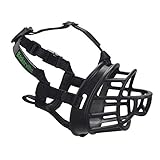
- DOGS CAN PANT AND DRINK: The Baskerville Ultra Muzzle PATENTED HUMANE DESIGN allows dogs to pant (when hot or stressed) and drink. SUITABLE FOR DAILY WALKS and longer periods of wear.
- SHAPE FOR CUSTOM FIT: Like a mouth-guard, the Ultra Muzzle can be HEAT SHAPED using warm water to fit DIFFERENT DOG NOSE SHAPES. See fitting guide for more info and to find the BEST SIZE for your dog.
- IDEAL FOR REACTIVE DOGS: you can TRAIN and REWARD treat your dog if they are reactive around other dogs, people or in new situations like the vet.
- STRONG & SAFE: Built with strong Thermo Plastic Rubber (TPR) the Ultra Muzzle is SAFE TO PREVENT BITES. Extra secure with LOCKABLE NECK STRAP CLIP, HEADSTRAP and COLLAR ATTACHMENT if needed.
- COMFORTABLE FIT: Comes in 6 sizes with PADDED STRAPS and NO METAL WORK ON DOGS FACE. Great for dog owners looking for SMALL, MEDIUM or LARGE sized dog muzzles.
What the credentials indicate
| Credential | What it is for | Experience or assessment detail |
|---|---|---|
| CCPDT CPDT-KA | Professional dog-trainer credential reflecting assessed knowledge. | CCPDT describes it as a knowledge-based credential; ask the candidate about their specific fearful or reactive dog experience. |
| CCPDT CPDT-KSA | Professional dog-trainer credential with an added skills-assessment component. | The KSA adds an objective skills assessment to the knowledge credential. |
| CCPDT CBCC-KA | Behavior-consultant credential for canine behavior modification. | CCPDT’s current eligibility information requires at least 300 hours of canine behavior consulting in fear, phobias, compulsive behaviors, anxiety, and aggression within the previous three years. This is an eligibility requirement, not a claim about training results. |
| IAABC CDBC | Certified Dog Behavior Consultant credential for complex cases, including fear, anxiety, aggression, and phobias. | IAABC describes eligibility as requiring three or more years consulting on complex cases. |
| IAABC ADT | Accredited Dog Trainer credential for teaching manners, life skills, sports, enrichment, and prevention. | IAABC describes eligibility as requiring two or more years of training experience. |
Credential scopes and requirements can change, so confirm current details with CCPDT or IAABC. Even a credential aimed at behavior consulting does not tell you how much experience someone has with your dog’s particular pattern, how they communicate, or whether their plan will suit your household.
Think of a credential as evidence that a person met an organization’s stated education, experience, or assessment standard—not as a guarantee of a particular outcome. Ask whether the person’s recent caseload includes adopted or shelter dogs, what types of triggers they have handled, and whether they regularly work with fear, anxiety, reactivity, or aggression rather than only basic manners.
Build a shortlist from directories and referrals
Use official credential directories to find people you can interview. CCPDT’s directory supports searches by postal code, city, state or province, and name. IAABC’s consultant locator lets you select a species and country. Check each person’s current credential and service area; directory listings are a starting point, not a guarantee of fit or quality.
What’s actually slowing this PC down?
Pick the symptom - the matching free tool is one click away.
You can also ask your veterinarian, shelter or rescue organization, or another trusted local animal professional for names. Veterinary and shelter professionals are often asked to refer owners to trainers. Treat a referral as a lead, then apply the same checks you would to anyone you found in a directory: relevant experience, humane methods, an appropriate assessment process, and clear communication.
Compare practical fit as well as credentials. Ask where consultations occur, what service format is available, whether the professional serves your area, and whether the setting can be managed safely for your dog. A candidate who is highly qualified but cannot offer a workable arrangement for your household may not be the best match. If you find no nearby listing, ask a veterinarian, shelter, or rescue whether they know a qualified consultant who serves your location; do not lower your standards simply because the search is difficult.
- Write down the behavior you need help with. Note what your dog does, the situations in which it happens, and what you want to be safer or easier. Be as specific as you can without trying to diagnose the cause.
- Search the official directories. Look for certified behavior consultants or trainers who serve your location and work with dogs showing fear or reactivity.
- Check experience and methods. Review the candidate’s stated qualifications, then contact them to ask about comparable cases, their assessment process, and how they approach behavior change.
- Interview more than one candidate if you can. Compare the quality of their answers, how well they listen, and whether they explain their plan in a way you understand.
- Choose based on case fit, not the title alone. The right candidate should be able to explain why their approach fits your dog and what they will do if the plan is ineffective or causes unintended effects.
Prepare useful information for the first conversation
Before contacting a candidate, organize a short, factual description of your dog. Include how long the dog has lived with you, the situations that reliably produce fear or reactivity, what people or animals are involved, and what you do now to keep everyone safe. Mention any known medical concerns and whether a veterinarian has evaluated them. You do not need to assign a label or identify the cause; the professional should help assess that.
Rank #2
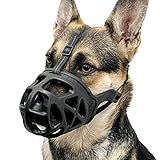
- The Only Muzzle You Need: Say goodbye to your old muzzle. The BARKLESS practical muzzle has features you need to prevent your dog from nipping, destroying, fighting and digging and eating everything while the basket-style design gives all-around mouth protection allowing your pet unrestricted drinking and panting. This muzzle for dogs make it the ideal choice for reactive dogs’ daily walks, occasional use, dog park socialization, grooming, vet visits, training, traveling, and walking
- Safe & Humane: Friendly dog muzzles are more pliable and softer, making them comfortable for the dog. Humane muzzle for dogs allow your dog to pant, drink and treat train while being worn with the uniquely designed bar spacing which forms the canine muzzle
- Easy to Use: Comfort-fit design for most sizes of breeds with adjustable head and neck straps allow you to quickly adjust the size to fit your dog, making it ideal for the puppy, small, medium, and large dogs. The twist on each side of the strap is part of a unique design, ensuring a better fit for your dog’s head shape. This is a thoughtful feature, not a defect, aimed at providing a more comfortable and secure fit
- Prevent Muzzle Slippage: An incorrect size, improper fit, or lack of muzzle training can cause the dog to remove the cage muzzle. Adjust the straps to ensure a snug fit—secure enough to keep the basket muzzle for dogs in place without causing discomfort. Check the head strap to prevent slippage. Refer to the included instructions to help your dog adjust to the dog muzzles to prevent biting
- Desensitizing Your Dog to a Muzzle: Many dogs may resist wearing cage muzzles for dogs initially, especially if they've never worn one before. To help them adjust, use gradual desensitization training—start with short periods and reward calm behavior. Over time, your dog will accept it as part of their routine
Describe the context, not only the most dramatic incident. Explain what happens before the behavior, what the dog does, how long recovery takes, and what helps or worsens it. This lets a consultant judge whether they have relevant experience and helps them plan an assessment. Do not stage a trigger or deliberately expose your dog to test a trainer’s advice. Immediate safety comes first.
Ask how the professional will assess your dog
A responsible candidate should want to understand the individual dog before prescribing a routine. Ask how they will assess triggers, context, learning history, possible health concerns, and immediate safety needs. A fearful or reactive behavior may look different across situations, so an answer that assumes every dog with the same label needs the same plan is not enough.
Ask what the first few sessions involve and what information they will need from you. The professional should explain how you will take part in the process and how they will observe not only visible behavior but also the dog’s emotional response. You should leave the conversation understanding what the initial assessment is meant to establish, rather than being handed a fixed program without discussion.
Ask how the plan will account for your household’s routines and limitations. You should know what management steps are expected between sessions, how exposure will be kept at a level the dog can handle, and how you will communicate observations back to the professional. A clear plan identifies the dog’s welfare and immediate safety as priorities while still giving you practical responsibilities you can follow consistently.
Questions for an initial call
- What experience do you have with dogs showing this specific pattern of fear or reactivity, including adopted or shelter dogs?
- How do you assess likely triggers, context, learning history, possible health concerns, and immediate safety needs?
- What would the first few sessions involve, and how would you track my dog’s emotional response as well as observable behavior?
- How will you involve me in the assessment and day-to-day plan?
- What would count as progress for this dog, and how would you decide whether the plan needs to change?
- When would you collaborate with a veterinarian, veterinary behaviorist, or another specialist, or refer the case elsewhere?
- Can you provide references or describe comparable cases while respecting those clients’ privacy?
- Where would sessions take place, and what service format is appropriate for a dog who may react in particular environments?
- What should I do if my dog has a setback, a new safety concern, or a reaction that is stronger than expected?
CCPDT recommends asking about experience with the problem, requesting references, and noticing whether answers are clear and patient. A candidate who answers carefully and welcomes questions gives you more useful information than one who relies on a title or a promise of a quick fix.
Make sure the methods prioritize welfare
Ask the candidate to explain which reinforcement-based procedures they expect to use and how they will avoid overwhelming your dog. CCPDT endorses reinforcement-based strategies as the primary approach to behavior modification and to reducing fear and aggression. Its guidance flags dominance or “alpha” framing and approaches that rely primarily on punishment as warning signs.
Rank #3
- The Only Muzzle You Need: Say goodbye to your old muzzle. The BARKLESS practical muzzle has features you need to prevent your dog from nipping, destroying, fighting and digging and eating everything while the basket-style design gives all-around mouth protection allowing your pet unrestricted drinking and panting. This muzzle for dogs make it the ideal choice for reactive dogs’ daily walks, occasional use, dog park socialization, grooming, vet visits, training, traveling, and walking
- Safe & Humane: Friendly dog muzzles are more pliable and softer, making them comfortable for the dog. Humane muzzle for dogs allow your dog to pant, drink and treat train while being worn with the uniquely designed bar spacing which forms the canine muzzle
- Easy to Use: Comfort-fit design for most sizes of breeds with adjustable head and neck straps allow you to quickly adjust the size to fit your dog, making it ideal for the puppy, small, medium, and large dogs. The twist on each side of the strap is part of a unique design, ensuring a better fit for your dog’s head shape. This is a thoughtful feature, not a defect, aimed at providing a more comfortable and secure fit
- Prevent Muzzle Slippage: An incorrect size, improper fit, or lack of muzzle training can cause the dog to remove the cage muzzle. Adjust the straps to ensure a snug fit—secure enough to keep the basket muzzle for dogs in place without causing discomfort. Check the head strap to prevent slippage. Refer to the included instructions to help your dog adjust to the dog muzzles to prevent biting
- Desensitizing Your Dog to a Muzzle: Many dogs may resist wearing cage muzzles for dogs initially, especially if they've never worn one before. To help them adjust, use gradual desensitization training—start with short periods and reward calm behavior. Over time, your dog will accept it as part of their routine
IAABC’s 2025 standards oppose intentional methods involving pain, fear, or intimidation and require its members to refrain from using shock in behavior modification. Ask a candidate to explain what they would do, not just what labels they use for their approach. If their explanation centers on forcing compliance, intimidating the dog, or punishing signs of fear, keep looking.
Listen for a willingness to change the environment as well as train a behavior. A professional should be able to discuss management that reduces unnecessary exposure, then explain how reinforcement-based work will be introduced at a level the dog can handle. Be cautious of anyone who promises a rapid transformation, treats visible suppression as proof that fear has resolved, or says the same technique must be used regardless of the dog’s response.
Ask about equipment before agreeing to use it
A professional may discuss equipment, but no particular tool is automatically appropriate for every fearful or reactive dog. Ask why they recommend an item, what alternatives exist, what risks they see, what outcome they expect, and how they would teach you to introduce and use it safely. CCPDT’s position emphasizes educating clients about equipment, alternatives, potential risks, expected outcomes, and conditioning.
The Tool Desk
Outbyte PC Repair FREEClear out junk files and repair common Windows errorsFree Scan →Outbyte Driver Updater FREEFix the driver behind crashes, sound loss and screen glitchesFind Drivers →A muzzle, for example, should not be treated as a universal requirement or as a replacement for assessment and training. If a qualified professional recommends a basket muzzle as part of an individual plan, ask how it will be introduced and conditioned so the dog can become comfortable wearing it. The candidate should explain the reason for the recommendation and how it fits into the broader safety plan. Never infer that buying a muzzle, leash, or other tool by itself addresses the underlying behavior.
Agree on safety, progress, and what happens if the plan stalls
Before starting, ask how the professional will address immediate safety and manage exposure to situations that worry your dog. CCPDT’s position emphasizes health, environmental management, and the least-intrusive effective procedures. A useful plan should make clear what you are expected to do, how the dog’s response will be monitored, and what would prompt the trainer to reduce difficulty, change course, or seek additional help.
Health belongs in this discussion. Ask when the trainer would recommend involving your veterinarian and how medical concerns could affect the behavior plan. For complex cases, ask when collaboration with a veterinary behaviorist or another specialist would be appropriate. A willingness to collaborate or refer is a strength, not an admission that the trainer has failed.
Rank #4
- DOGS CAN PANT AND DRINK: The Baskerville Ultra Muzzle PATENTED HUMANE DESIGN allows dogs to pant (when hot or stressed) and drink. SUITABLE FOR DAILY WALKS and longer periods of wear.
- SHAPE FOR CUSTOM FIT: Like a mouth-guard, the Ultra Muzzle can be HEAT SHAPED using warm water to fit DIFFERENT DOG NOSE SHAPES. See fitting guide for more info and to find the BEST SIZE for your dog.
- IDEAL FOR REACTIVE DOGS: you can TRAIN and REWARD treat your dog if they are reactive around other dogs, people or in new situations like the vet.
- STRONG & SAFE: Built with strong Thermo Plastic Rubber (TPR) the Ultra Muzzle is SAFE TO PREVENT BITES. Extra secure with LOCKABLE NECK STRAP CLIP, HEADSTRAP and COLLAR ATTACHMENT if needed.
- COMFORTABLE FIT: Comes in 6 sizes with PADDED STRAPS and NO METAL WORK ON DOGS FACE. Great for dog owners looking for SMALL, MEDIUM or LARGE sized dog muzzles.
Ask how progress will be reviewed. Look for an explanation of how the professional will assess both changes in observable behavior and the dog’s emotional response, rather than judging success only by whether a behavior stops in a session. CCPDT’s policy calls for reviewing whether a plan is effective and adjusting it when it fails or causes unintended consequences. You should be able to ask questions and understand why any change is being made.
Quick wins for a faster PC:
Fix the driver behind crashes, sound loss and screen glitchesFind Drivers →Clear out junk files and repair common Windows errorsFree Scan →Scan for outdated or missing drivers - takes under a minuteDriver Scan →Agree on how updates will be shared and what happens between appointments. Clarify what observations you should record, how quickly to report a concern, and how the professional will respond to a setback. Progress with a fearful or reactive rescue dog is not a single pass-or-fail test; the important safeguard is a plan that is monitored and revised responsibly.
Independent reader supportYour contribution helps us test, update, and keep practical guides available for everyone.Use communication and references to check fit
Experience and credentials matter, but so does the working relationship. You will need to share observations, follow the plan between sessions, and tell the professional when something is not working. Notice whether the candidate listens to your concerns, explains options in understandable language, and treats you and your dog with patience.
Ask for references or for a description of similar cases, with client privacy respected. A professional should not need to reveal another client’s confidential information to explain the kind of work they do. Use the conversation to find out whether they have handled cases with relevant similarities—not to assume that another dog’s progress predicts yours.
When speaking with a reference, focus on process: Was the assessment explained? Did the professional adapt the plan? Could the caretaker ask questions? Were safety and welfare taken seriously? Those answers can tell you more about day-to-day fit than a general claim that the trainer is popular.
Recognize warning signs before you commit
- They rely on “alpha” or dominance explanations. CCPDT identifies dominance/submission framing, including calling dogs “dominant” or “alpha,” as a warning sign.
- Their approach is primarily punishment-based. CCPDT flags this approach and instead endorses reinforcement-based strategies as the primary method for behavior modification.
- They will not explain their assessment or plan. You should be able to ask what the professional will assess, what procedures they expect to use, how they will manage safety, and how they will review progress.
- They present equipment as a one-size-fits-all solution. Ask about purpose, alternatives, risks, expected outcomes, and safe conditioning before agreeing to use equipment.
- They cannot explain when they would change course or refer. A professional should be willing to review a plan and adjust it if it is ineffective or causes unintended effects, and to collaborate with or refer to another professional when appropriate.
- They make the decision feel rushed. A clear, patient discussion of experience, references, and methods is part of choosing a suitable professional.
- They dismiss health or context. A candidate who refuses to consider possible health concerns, learning history, or environmental management is not offering the individual assessment this case requires.
- They guarantee a fixed result or timetable. A responsible professional should describe how progress will be evaluated and what they will do if the dog’s response differs from expectations, rather than promise an outcome before assessment.
Make the decision using the whole picture
Compare candidates on the things that matter to your dog’s case: the scope of their qualifications, recent experience with similar behavior, the quality of their assessment, their methods and welfare standards, and their communication with you. Also consider whether their services and location work for your household. A more advanced credential can be a useful signal, but it cannot replace a specific conversation about your dog.
Best Value
- DOGS CAN PANT AND DRINK: The Baskerville Ultra Muzzle PATENTED HUMANE DESIGN allows dogs to pant (when hot or stressed) and drink. SUITABLE FOR DAILY WALKS and longer periods of wear.
- SHAPE FOR CUSTOM FIT: Like a mouth-guard, the Ultra Muzzle can be HEAT SHAPED using warm water to fit DIFFERENT DOG NOSE SHAPES. See fitting guide for more info and to find the BEST SIZE for your dog.
- IDEAL FOR REACTIVE DOGS: you can TRAIN and REWARD treat your dog if they are reactive around other dogs, people or in new situations like the vet.
- STRONG & SAFE: Built with strong Thermo Plastic Rubber (TPR) the Ultra Muzzle is SAFE TO PREVENT BITES. Extra secure with LOCKABLE NECK STRAP CLIP, HEADSTRAP and COLLAR ATTACHMENT if needed.
- COMFORTABLE FIT: Comes in 6 sizes with PADDED STRAPS and NO METAL WORK ON DOGS FACE. Great for dog owners looking for SMALL, MEDIUM or LARGE sized dog muzzles.
Keep your notes from each interview. Writing down the candidate’s answers about assessment, safety, equipment, progress measures, references, and referrals makes comparisons less dependent on sales language or first impressions. If two candidates appear similarly qualified, choose the one whose explanations are clearer, whose plan respects your dog’s emotional state, and whose service arrangement you can follow consistently.
If a candidate cannot explain how they will assess your dog, keep the process safe, use humane methods, measure progress, and respond if the plan is not working, continue your search. A good match is a professional who can make those decisions understandable and individual to your dog.
Frequently Asked Questions
Does my dog need a behavior consultant rather than a regular trainer?
For fear, anxiety, aggression, or complex reactivity, prioritize a professional with behavior-consulting experience. IAABC’s CDBC and CCPDT’s CBCC-KA are examples of credentials aimed at complex behavior work, while trainer credentials may focus more on manners and life skills. Discuss your dog’s specific pattern before deciding.
Is a certification required to work with my dog?
Dog training is not uniformly licensed, so certification is not a universal legal requirement. A current CCPDT or IAABC credential can help you identify assessed knowledge or experience, but you still need to verify recent case experience, methods, references, and fit.
Should I buy a muzzle before the first appointment?
Not automatically. A muzzle is not required for every fearful or reactive dog and is not a substitute for assessment. If a qualified professional recommends a basket muzzle for your dog’s individual safety plan, ask how it will be fitted and gradually conditioned.
Are group obedience classes a good first step?
They may be a poor starting point when fear or reactivity makes the environment overwhelming. Ask for an individual assessment first and choose a professional who can explain how exposure will be managed and whether the service format suits your dog.
When should a trainer involve my veterinarian or another specialist?
Ask how the professional evaluates possible health concerns and when they collaborate with a veterinarian, veterinary behaviorist, or another specialist. A willingness to refer or collaborate is an important part of responsible case management.
Free tools Windows power users keep installed
One-click scans. No signup required.
How many trainers should I interview?
Interview more than one candidate if you can. Compare their relevant experience, assessment questions, reinforcement-based methods, safety planning, progress measures, communication, references, and willingness to adjust or refer.
The Bottom Line
Use CCPDT and IAABC directories, veterinarian or rescue referrals, and careful interviews to find a professional with relevant behavior experience. Choose the candidate who assesses your individual dog, prioritizes reinforcement and safety, explains equipment and progress measures, communicates patiently, and will adjust the plan or refer when needed.
Quick Recap
Product prices and availability are accurate as of the date/time indicated and are subject to change. Any price and availability information displayed on Amazon at the time of purchase will apply.





Leave a Reply