
Some links on this page are affiliate links: if you buy through them we may earn a commission, at no extra cost to you.
Keep your distance, assess hazards, and call the local animal-control service or equivalent before trying to move a roaming dog. A dog that looks like a familiar “community dog” may instead be lost, frightened, injured, or abandoned. Appearance alone cannot tell you which. The safest response is to protect people and the dog first, then support identification, reporting, and reunification through your local process.
The ACT Government’s guidance puts the priority plainly: “If you find a stray pet, it’s important to put your safety first.”
As an Amazon Associate I earn from qualifying purchases.
Free tools Windows power users keep installed
One-click scans. No signup required.
Start with a safety assessment
Stop where you are and observe from a distance. Do not walk directly toward the dog, stare at it, run after it, or block its escape route. Chasing or cornering can increase fear and send a dog into traffic or another dangerous area. Even a dog that has approached people before can react unpredictably when it is injured, distressed, or frightened.
Do not approach when any of these risks are present
- The dog is growling, snapping, lunging, baring its teeth, stiffening, or repeatedly retreating.
- It is injured, entangled, trapped, very distressed, or behaving abnormally.
- It is close to moving traffic, a steep drop, water, construction, or another hazard that would require you to enter danger.
- You are alone and cannot safely manage the dog’s size or strength.
- Children, older people, or your own animals would have to come close.
- You cannot identify a safe place to contain it or a safe way to leave if its behavior changes.
If you cannot safely contain the situation, contact municipal animal control, a dog warden, the local council, or the equivalent emergency animal service. Tell the dispatcher that the dog is loose and describe any immediate hazard. Follow the responder’s instructions rather than improvising a capture.
Popular on Amazon

- Engineered for Ultimate Strength: Constructed from 1/2 inch diameter rock climbing rope, this heavy duty dog leash is distinctively durable and strong. It is designed to withstand the strongest pulls from large and energetic dogs, giving you peace of mind that your pup won't break free during walks
- Comfortable Padded Handle: Say goodbye to rope burn. Our soft, cushioned foam handle provides an amazing grip and protects your hands from sudden tugs. Enjoy longer walks and extended training sessions with total comfort, even if your dog is a puller
- Maximum Nighttime Visibility: Highly reflective threads are woven through the entire length of the rope (not just painted on), keeping you and your fur baby visible to passing cars and cyclists during early morning jogs or late-night strolls. Perfect for urban streets and low-light environments
- Tangle-Free 360° Swivel: Featuring a heavy-duty metal clasp that rotates 360 degrees, this ensures the rope never gets twisted or tangled, no matter how much your dog moves around. The zinc alloy hook is rust-proof and easy to clip onto any dog collar or harness in seconds
- Versatile for Any Activity: Park walks, trail hikes, or yard training. Offers ideal balance of freedom and control. Comes in 4ft, 5ft, 6ft lengths and 12 colors. 3/8" diameter suits small to medium dogs – lightweight and non-bulky. For medium and large dogs, choose 1/2" diameter
If the dog is calm
Remain at an angle rather than facing it head-on. Keep your voice low, movements slow, and hands to yourself. Ask other people to give the dog space. A calm dog can still become defensive if someone grabs its collar, surrounds it, or tries to lift it.
Decide whether to approach or call for help
There is no universal “best” response. The practical choice depends on behavior, traffic and other hazards, your handling ability, and how quickly local responders can attend.
Recommended Free Tools
| Situation | Safer option | Why |
|---|---|---|
| Dog is relaxed, allows people to remain nearby, and a secure area is immediately available | Consider gentle containment while contacting the local authority | You may prevent wandering without chasing, but local policy should determine what happens next. |
| Dog is fearful, aggressive, injured, or repeatedly trying to escape | Keep your distance and call animal control or the local equivalent | Approach can trigger a bite or a dangerous flight into traffic. |
| Dog is near a road or other immediate hazard | Call for coordinated help; do not step into traffic or pursue it | Untrained intervention can endanger you, motorists, and the dog. |
| You are unsure how to read the behavior | Assume uncertainty is a reason to call | A friendly appearance does not guarantee safe handling. |
Look for identification without forcing contact
If the dog remains calm and you can do so without putting your hands near its head, look for a collar or tag. Read the information from the side; do not wrestle the dog or pull its collar to turn it toward you. Note a phone number, license number, name, or other visible details and pass them to the responding service.
No tag does not prove that a dog has no owner. Collars can fall off, tags can become unreadable, and some owners rely on a microchip. Ask the local animal service or a veterinary clinic about scanning. A scan should be performed by trained staff who can manage the dog safely and use the local registry process.
Information to record from a safe distance
- Exact location, nearby landmarks, and the direction the dog is traveling.
- Time first seen and whether it has remained in one area.
- Size, coat color and pattern, sex if known, and distinctive markings.
- Collar, harness, tag, leash, or other equipment.
- Behavior: relaxed, fearful, injured, defensive, chasing vehicles, or approaching people.
- Clear photographs only if taking them does not require moving closer or distracting you from traffic.
Report the dog promptly through the local route
Contact the municipal animal-control agency, local council, dog warden, shelter intake line, or another officially designated service. Give the location, description, behavior, visible identification, and any immediate safety concern. Ask whether you should wait, leave the dog where it is, transport it, or provide short-term care.
Also popular on Amazon

- 【Professional Retractable Dog Leash】 The ultimate combination: 16 ft strong nylon reflective tape, impact-resistant ABS housing, and a stainless steel anti-chew cable. This design greatly reduces the risk of being bitten through, extending the leash’s lifespan. Augwind’s retractable leash is specifically designed for small to medium dogs under 50 lbs, offering the best value on the market
- 【Safe & Effective】16 ft Strong Reflective nylon webbing; Over 100,000 retraction times; Max anti-jerk tensile strength: 350 lbs; . Whether day or night, on the street or lawn, the Augwind retractable leash makes every walk safe and easy
- 【Quick Lock System】 Operate the pause, lock, and unlock buttons with a single thumb. Enjoy smooth braking and instant response. The Augwind retractable dog leash ensures the safety of both you and your pet on every outing
- 【2026 Equipment Upgrades】1. Reflective webbing 2. Chrome-plated, rust-proof 360° rotating clasp 3. Ergonomic soft silicone handle 4. Reserved slot for poop bag holder 5. Stainless steel anti-chew cable
- 【2-Year Warranty】 We are a professional pet products company committed to bringing the safest, most practical, and affordable pet products to pets and their owners. We promise to solve any quality issues within 2 years. We provide 24/7 after-sales service. If you have any questions, please feel free to contact us
Rules differ by country, state, county, and municipality. In England and Wales, Defra guidance defines a stray dog as “any dog found in a public or private place without a responsible person there to look after it” and says local authorities have a statutory duty to deal with stray dogs. That legal duty and definition apply to England and Wales; they should not be treated as a general rule elsewhere.
PC Slower Than It Used to Be?
A free scan shows the junk files, broken settings and background clutter dragging Windows down - then fixes them in one click.Free scan · Windows 10 & 11Crashes, No Sound, or Screen Glitches?
Random freezes, missing sound and display glitches usually trace back to one bad driver. Find and replace yours safely.Free scan · under a minuteLocal agencies may also have different hours, intake limits, identification requirements, and instructions for after-hours reports. Record the case number, staff member’s advice, and the time of your call so you can update the service if the dog moves.
Containment is conditional, not automatic
Only attempt containment when the dog is calm, you have a secure area, and you can stop safely if it resists. A fenced yard, closed room, or other escape-proof space is preferable to physically restraining a roaming dog. Keep gates closed and remove hazards such as tools, pools, toxic substances, and narrow gaps.
A leash can be useful for a dog that willingly approaches and can be handled safely, but it is not a tool for chasing, lassoing, or restraining a frightened or aggressive animal. Food may sometimes coax a calm dog toward a secure area; it is not a reason to approach a dog that appears unsafe. If the dog backs away, stiffens, growls, or bolts, stop and call for help.
Prepare before moving a dog
- Confirm where the local service wants the dog taken and whether transport is authorized.
- Use a vehicle with a secure, washable space and avoid transporting an unfamiliar dog loose in the passenger compartment.
- Keep children and other animals away from the loading area.
- Do not put your face near the dog, hug it, or attempt to examine an injury.
- Ask the agency or a veterinarian about safe restraint and scanning if the dog is injured or difficult to handle.
The CDC’s emergency pet-safety guidance notes that injured animals may bite and that restraint matters during transport. This is general safety context, not a protocol for capturing every roaming dog.
What’s actually slowing this PC down?
Pick the symptom - the matching free tool is one click away.
Also popular on Amazon
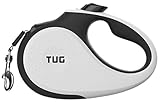
- Small Retractable Dog Leash is Suitable for Dogs Under 35 lbs; Medium For Dogs Under 55 lbs; Large For Dogs Under 110 lbs; Retractable Leashes Not Suitable For Chewing
- 16 ft Tape Retractable Dog Leash With Easy-Adjust Retraction; 360 Degree Tangle-Free Inlet
- Quick Lock And Unlock Feature - Easy Roll-On and Roll-Off With Your Thumb
- Super Comfortable Grip For Those Long Walks! Ergonomic Anti-Slip Handle
- Heavy Duty Internal Coil For Consistent Retraction and Recoil
Choose between temporary care and agency intake
Some jurisdictions allow a capable finder to keep a dog briefly while an agency coordinates scanning and owner searches. Others require immediate intake or have specific holding procedures. Do not quietly keep a found dog or assume that feeding it transfers ownership.
| Option | May fit when | Questions to resolve first |
|---|---|---|
| Finder-based temporary care | You can safely separate the dog, your household is suitable, and the local service approves the arrangement. | Who provides food or supplies? When and where will scanning occur? Who contacts owners? What happens if the dog becomes ill or aggressive? |
| Agency or shelter intake | You cannot safely isolate the dog, have children or resident animals at risk, or need professional handling. | Which facility is authorized? Is transport required or will an officer collect the dog? What identification or case number should you receive? |
Fairfax County Animal Services describes a local model in which eligible finders may receive basic supplies and help with microchip scanning and return coordination. That is an example of one county’s process, not a promise that services elsewhere will provide supplies or permit home care.
If you are approved to keep the dog briefly
- Place the dog in a separate, secure room or fenced area away from children and resident pets.
- Use separate bowls, bedding, and cleaning equipment. Wash your hands after handling the dog or its waste.
- Keep doors and gates secured; a frightened dog can escape through an opening that a familiar pet would ignore.
- Give only ordinary water and suitable food unless a veterinarian or agency advises otherwise. Do not give human medicines.
- Follow the agency’s timetable for a microchip scan, photographs, notices, and handoff.
- Report changes in behavior, illness, injury, or an escape immediately.
Search for the owner without exposing yourself
Once the dog is safely under an approved plan, share a factual notice through the channels your local agency recommends. Include the general area, date found, coat description, and a way to contact the responsible service. Avoid publishing sensitive details that could help someone falsely claim the dog, such as every distinctive marking or the full microchip number.
Let the agency or an authorized shelter verify ownership through records, photographs, identification, or other questions. A person who recognizes the dog is not automatically entitled to take it from you. Follow the legal and administrative process for your area.
What to do after a bite, scratch, or possible rabies exposure
Wash a bite or scratch promptly with soap and running water and seek medical advice. Contact a health-care provider and your local public-health authority when skin is broken, saliva may have entered a wound or mucous membrane, or the dog’s vaccination status is unknown. The Florida Department of Health gives this advice for its jurisdiction; elsewhere, use your own health department’s instructions.
Also popular on Amazon

- ENHANCED NIGHT VISIBILITY: Keep your dog safe during early morning or evening walks. The upgraded double-sided reflective stitching catches streetlights and car headlights brightly, ensuring you both remain highly visible to traffic in low-light conditions
- CUSHIONED ANTI-BURN HANDLE: A savior for hands when walking active dogs that pull. The soft, thick interior padding prevents painful rope burn and strain, providing a secure, comfortable grip for better control when your furry friend lunges. Includes a sturdy metal D-ring for clipping poop bag dispensers
- PERFECT 6FT BALANCE: The ideal length for urban walks, offering your dog enough freedom to sniff around while keeping them close enough for easy command in busy areas. Choose the 3/4'' width for small breeds, or the robust 1.0'' width for powerful medium to large dogs
- HEAVY-DUTY TANGLE-FREE CLASP: Features a strong metal spinning snap that allows 360° movement, preventing frustrating leash tangles so your dog can move freely around you. Built with high-density nylon webbing for reliable daily strength. NOTE: While tough for pulling, this nylon material is NOT chew-proof. Don't leave unattended with chewers
- COMPLETE THE LOOK: Available in vibrant colors tailored to match your dog's style. For the ultimate coordinated walking set, pair this leash with our matching Joytale reflective nylon collar
Do not try to catch a dog solely to determine whether it has rabies. Tell health officials and animal control where the dog was seen, what contact occurred, and whether it can be safely identified. Keep records of medical advice and the incident report.
Separate a “community dog” from an ownerless dog
Some neighborhoods know particular free-roaming dogs that are fed or watched by several households. That familiarity does not establish legal ownership, vaccination status, or permission for the dog to roam. Conversely, an unfamiliar dog may be a recently lost pet whose family is searching nearby.
Use neutral language when reporting: describe what you observed rather than labeling the dog abandoned. “Brown dog with a blue collar, seen near the bus stop, limping and avoiding people” is more useful than “ownerless dog.” This helps responders choose an appropriate approach and reduces the chance that a lost pet is treated as a permanent community animal.
Quick wins for a faster PC:
Scan for outdated or missing drivers - takes under a minuteDriver Scan →Clear out junk files and repair common Windows errorsFree Scan →Supporting dogs at community level
Long-term roaming-dog management requires coordinated work by local authorities, veterinarians, animal-welfare organizations, and residents. The World Organisation for Animal Health discusses Catch, Neuter, Vaccinate and Return as one possible approach where it is acceptable to the community and supported by suitable veterinary capacity. It also emphasizes education on safe dog–human interaction.
That framework is not a do-it-yourself instruction. Before any population program is considered, local partners need to assess:
Also popular on Amazon

- Upgrade: The product has been modified to use nylon thread directly sewing, very strong.All handles was sewn onto the leash instead of the cord ties.Package includes: frosted zipper bag,two handles dog leash.
- MAXIMUM TOUGHNESS AND DURABILITY: Nearly 2X thicker and stronger than standard dog leashes. 3mm thick and 1” wide with tightly webbed nylon for enhanced rugged construction.
- DUAL HANDLES FOR TOTAL CONTROL: Soft Neoprene and padded handle, comfortable than ever ;Equipped with an extra traffic handle for amazing control. Use the standard handle for those casual dog walks or quickly grab the built in traffic handle to guide your pup through crowded areas with ease.
- 360° Rotating Clasp: Swivel clasp prevents the leash from twisting and dog getting tangled. Heavy-duty metal clasp makes our training leashes last longer than most ones. Premium components for maximum strength
- BE SAFE AND VISIBLE AT NIGHT: Luminous reflective threading keeps you both safe and visible on your late-evening walks. Enjoy a large 2” heavy duty clip for added safety and thick D-ring to attach your favorite dog training clicker or dog poop bag holder.Packaging details:Frosted zipper bag,Dog leash with D ring
- How many dogs roam, where they congregate, and whether owned dogs are being misidentified as strays.
- Traffic, bite incidents, livestock or wildlife conflicts, waste, and other public-safety issues.
- Access to humane capture, surgery, vaccination, identification, follow-up, and emergency veterinary care.
- Community acceptance, cultural expectations, funding, and responsibility for monitoring returned dogs.
- Options for reuniting or rehoming socialized dogs that cannot safely remain at large.
Residents can help by reporting repeated hazards, supporting vaccination and identification efforts offered by legitimate local services, keeping their own dogs licensed and supervised, and learning safe interaction practices. Feeding a roaming dog without a plan can draw it toward roads, create conflict with neighbors, or conceal an untreated illness.
Jurisdiction matters
England and Wales
Defra’s 22 September 2026 guidance places stray-dog handling responsibilities on local authorities and describes checks for tags and microchips, holding arrangements, and temporary-care requirements. Contact the relevant council or dog warden and follow its instructions; do not assume another country uses the same definitions, fees, or holding periods.
Canberra and the Australian Capital Territory
The ACT Government’s 1 October 2026 guidance emphasizes putting safety first, avoiding approach when unsure, and not chasing or handling an aggressive or uncontainable animal. Use the ACT’s designated reporting channel for the current instructions in that area.
United States examples
Fairfax County’s finder-support process and the Florida Department of Health’s rabies advice illustrate why county and state procedures must be checked locally. A service may offer temporary-care supplies in one county while requiring direct intake in another. Public-health reporting and post-exposure steps also vary by jurisdiction.
A quick decision checklist
- Pause: stay out of traffic and keep people and pets back.
- Observe: assess behavior, injuries, hazards, and escape routes from a distance.
- Call: contact the local animal-control service or equivalent and describe the situation precisely.
- Identify safely: read a tag only if the dog permits it; arrange a professional microchip scan.
- Contain only if approved and safe: use a secure area, not a chase or forced restraint.
- Separate: isolate the dog from children and resident animals during any authorized temporary care.
- Document and update: keep the case number, report behavior changes, and follow the agency’s reunification process.
- Get medical advice: after any bite, scratch, or possible rabies exposure, contact health care and public health promptly.
Common mistakes to avoid
- Assuming a friendly dog is safe to grab.
- Chasing it because it is moving toward a road.
- Using a leash as a snare or approaching with food when the dog is showing fear or aggression.
- Letting children or pets “help” with the rescue.
- Taking the dog home without telling the local authority.
- Posting unverified ownership claims or the full microchip number.
- Delaying medical advice after a bite because the wound looks small.
- Starting a neighborhood capture, vaccination, or sterilization effort without veterinary and authority coordination.
Bottom line
Helping a community dog responsibly means making the safest next decision, not making the fastest physical intervention. Keep distance when behavior or hazards are uncertain, report the dog through the local system, use tags and professional microchip scanning to support reunification, and provide temporary care only when it is safe and explicitly coordinated. For repeated roaming dogs, durable solutions require local veterinary expertise, public-safety planning, and community agreement.





Leave a Reply