
Some links on this page are affiliate links: if you buy through them we may earn a commission, at no extra cost to you.
A newly rescued dog may ignore toys, avoid games, or remain motionless because the world still feels unsafe. The fastest route to play is not more coaxing: give the dog control, make daily life predictable, reward tiny voluntary choices, and increase challenges only while the dog stays relaxed. Some dogs begin exploring in days; others need weeks, months, or longer, especially after prolonged poor socialization.
Set up a quiet retreat, keep interaction optional, and treat a glance, sniff, step away from the bed, or toy investigation as meaningful progress. If fear is intense, persistent, or interferes with eating, sleeping, movement, handling, or safety, involve a veterinarian and a qualified reward-based behavior professional rather than trying to push through it.
As an Amazon Associate I earn from qualifying purchases.
PC Slower Than It Used to Be?
A free scan shows the junk files, broken settings and background clutter dragging Windows down - then fixes them in one click.Free scan · Windows 10 & 11Crashes, No Sound, or Screen Glitches?
Random freezes, missing sound and display glitches usually trace back to one bad driver. Find and replace yours safely.Free scan · under a minuteWhy a rescued dog may not play yet
Play requires enough emotional safety to investigate, move freely and recover quickly from surprises. A dog that has lived with neglect, crowding, punishment, unstable housing or little social exposure may devote its energy to monitoring people and surroundings instead. Freezing, hiding, refusing toys or staying on a bed can be signs of inhibition, not stubbornness, ingratitude or a lack of intelligence.
In an American Veterinary Society of Animal Behavior (AVSAB) case involving a dog from a hoarding situation, play and confident exploration appeared only after many small confidence-building steps. The case guidance states: “To bring a dog from a chronically fearful state to one that allows her to play freely, explore her world confidently, and meet new situations with ease requires many steps.” That sequence matters. Asking for a game before the dog feels secure can make the person, toy or room part of the threat.
Popular on Amazon

- BUDDY TRAINING BITES - These bite-sized treats are chock full of meaty flavor from appetizing pork liver as the 1st ingredient, so they are easy to eat and perfect for dogs of all ages.
- ALL THE GOOD STUFF - Our training treats are made in the USA and they are free of corn, soy, artificial flavors and preservatives. With Buddy, you can feel good about serving your best bud the treats they deserve!
- LOW CALORIE - Only 1.5 calories per treat to help make your dog training sessions last longer! The delicious aroma will have your pup coming back for more.
- 501 TREATS PER BAG - Reward your dog's good behavior with 500 treats per bag. Buddy is healthy, tasty & fun!
- EVERYBODY LOVES BUDDY: Buddy is the perfect companion for your best friend! Buddy's delicious flavors are sure bring your pup joy! Buddy has a range of treats - all made with real, simple ingredients that you can pronounce.
First identify what the dog can tolerate. A dog that will eat near you may be ready for a food-based exercise but not a hand reaching toward its collar. A dog that watches a toy from its bed may be ready to investigate it later, but not to have it waved over its head. Start below the point at which fear is obvious.
Create safety and choice in the home
Provide a retreat that nobody invades
Choose a quiet bed, mat, open crate or other resting location away from busy doorways. The specific product is less important than the rule: when the dog is there, people leave it alone. Do not reach into the bed, corner the dog, pull it out, or repeatedly ask it to come. Children and visitors need the same instruction.
The Tool Desk
Outbyte Driver Updater FREEFix the driver behind crashes, sound loss and screen glitchesFind Drivers →Outbyte PC Repair FREEClear out junk files and repair common Windows errorsFree Scan →Keep water, comfortable bedding and, when appropriate, a chew or safe toy within easy reach. A dog that can rest without being watched or touched is more likely to emerge voluntarily. If the dog chooses a different safe corner, adapt the room rather than dragging it to the location you selected.
Make the day predictable
Use a steady pattern for meals, toilet trips, rest and quiet interaction. Predictability reduces the number of decisions a worried dog must make. Keep voices and movements calm, and limit avoidable novelty during the first stage of adjustment: large gatherings, crowded outings, repeated introductions and unnecessary handling can wait.
Let the dog approach. Sit sideways rather than facing it directly, avoid looming over its head, and allow it to end an interaction. Looking away, pausing, walking off or returning to the retreat are valid choices, not failures to obey.
Manage the environment, not the dog
Use gates, closed doors or a leash held without pressure to prevent escapes and unsafe encounters. These are management tools, not ways to force proximity. Keep a clear path to the retreat and avoid placing food or toys where the dog must pass a person it fears. Household members should agree on the same boundaries so the dog does not receive conflicting signals.
Free tools Windows power users keep installed
One-click scans. No signup required.
Also popular on Amazon

- REAL BEEF FIRST: Blue Buffalo Bits dog training treats feature high-quality, real beef as the first ingredient to deliver essential nutrition and the savory beef flavor dogs crave
- EXPERT-LED NUTRITION: Designed to help your pet thrive from the inside out, Blue Buffalo all-natural dog treats are developed by a dedicated team of veterinarians and animal nutritionists for a trusted option in healthy dog snacks
- ENHANCED WITH DHA: These BLUE Bits soft dog treats are enhanced with DHA, an Omega-3 fatty acid that supports healthy cognitive development for puppies and dogs of all ages and sizes
- PERFECT FOR DOG TRAINING: Soft, tender, bite-sized training treats for dogs make repeat rewarding easy during dog training sessions without slowing or interrupting your dog’s focus
- HEALTHY SKIN & COAT: Omega 3 & 6 fatty acids from flaxseed support healthy skin and a shiny coat
Read the dog’s body language before offering play
Look for the whole pattern rather than one isolated movement. A relaxed dog may move with a loose body, blink normally, sniff, take food and return to an activity. Fear can be subtle: a stiff posture, lowered body, tucked tail, lip licking, yawning outside a sleepy context, turning the head away, freezing, retreating or refusing food. Growling or snarling is a clear request for more distance.
When practicing calm settling or handling, VCA Animal Hospitals advises focusing on relaxation rather than forcing stillness or touch. If the dog becomes tense, retreats, snarls or growls, make the exercise easier and seek professional guidance instead of holding the dog in place.
A practical response guide
| What you observe | What it may indicate | Your next move |
|---|---|---|
| Loose body, normal movement, sniffing, taking food | The dog may be able to learn in that moment | Offer one easy choice and stop while the dog remains comfortable |
| Stiffness, freezing, repeated lip licking, head turns or refusal of food | The situation is becoming difficult | Increase distance, reduce movement or end the interaction |
| Retreating, snarling or growling | The dog needs immediate relief from pressure | Do not touch or follow; create space and obtain behavior advice |
Never punish a warning such as a growl. Suppressing the warning can leave the fear intact while removing useful information about the dog’s limit.
Build confidence with tiny, voluntary steps
Think of progress as a ladder. Each rung should be easy enough that the dog can remain relaxed, and you should repeat a successful rung before making it harder. If the dog stops eating, freezes, hides or cannot disengage from a trigger, you moved too quickly.
Do these 3 things before closing this tab:
1Scan for outdated or missing drivers - takes under a minute2Clear out junk files and repair common Windows errors3Fix the driver behind crashes, sound loss and screen glitches- Start with orientation. Sit quietly at a comfortable distance. Reward a glance toward you, a softening of the body or a voluntary sniff if the dog accepts food. Do not call repeatedly or move closer to obtain the behavior.
- Reward movement away from the retreat. Place a tiny reward where the dog can take it without passing your body. In an AVSAB case, guardians reinforced the dog first for looking toward them and later for leaving the bed. A single step can be the entire session.
- Add easy exploration. Put a safe toy or novel object on the floor at a distance. Allow the dog to investigate, ignore it or return to safety. Reward curiosity; never use the object to lure the dog into unwanted contact.
- Increase duration before difficulty. Let the dog remain comfortably in the room for a little longer before adding a new person, sound or location. Change one variable at a time.
- Practice recovery. If a mild surprise occurs and the dog looks back, then relaxes or resumes sniffing, quietly reward that recovery. Do not manufacture scares to test progress.
Short sessions are easier to evaluate than long attempts. End after a voluntary success, provide rest, and record what happened: distance, trigger, body language, reward accepted and recovery time. This record helps you spot patterns and gives a professional useful information if progress stalls.
Choose rewards the dog can actually use
Reward-based work is individual. Some fearful dogs will not play with a toy but will eat a very small food reward. The AVSAB case used tiny pieces of chicken or lunch meat; that example does not make those foods suitable for every dog. Account for allergies, medical diets, calorie limits and veterinary instructions. Break an approved treat into pieces small enough that the reward does not become a meal.
Also popular on Amazon
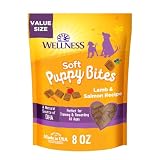
- GRAIN-FREE PUPPY TREATS: These bite-sized, soft puppy training treats are the perfect reward during training sessions or any time you want to thank your dog for good behavior. Puppy bites contain 6 calories per individual treat!
- SUPPORTS BRAIN DEVELOPMENT: Soft dog treats are crafted with salmon, a healthy source of DHA to promote healthy brain development.
- HEALTHY INGREDIENTS: These treats for dogs are made with minimal ingredients focused on quality proteins: made with lamb and salmon, with added vitamins specifically for puppies.
- NO CORN, WHEAT, OR SOY: Treats for dogs do not contain wheat, wheat gluten, corn, soy, or artificial colors.
- MADE IN USA: Our dog treats are quality-assured, made in USA, and crafted from the finest globally-sourced ingredients. Treats are tender, healthy, and bite-sized for small, medium, and large dogs of all lifestages, and activity levels.
| Possible reward | When it can help | How to offer it safely |
|---|---|---|
| Small food pieces | The dog is willing to eat but too inhibited to play | Deliver at the dog’s current comfort distance for a voluntary look, step or sniff |
| A toy the dog already chooses | The dog shows curiosity about an object or picks up toys independently | Leave it accessible; reinforce the dog for investigating or carrying it, without pulling or waving it at the dog |
| Quiet social attention | The dog approaches and remains loose while a person is present | Use a soft voice or brief interaction, then pause so the dog can opt in again |
A reward is only useful if the dog can accept it without becoming more worried. If food is refused, do not keep presenting larger or tastier pieces while closing distance. Change the environment and lower the demand.
Introduce play without pressure
Make toys available, not mandatory
Keep a few safe toys in the dog’s accessible areas and rotate them quietly. Avoid filling the room with objects or repeatedly placing a toy in the dog’s face. If the dog picks up a toy, looks at it, nudges it or plays alone, let the behavior continue. AVSAB guidance for newly adopted dogs specifically supports reinforcing a dog for picking up its own toy.
Recommended Free Tools
Do not turn a toy into a lure that brings the dog toward your hands, body or a doorway it fears. A dog may want the toy and still not want contact. Tossing a toy can also be too stimulating for a dog that startles at sudden movement; place it down instead and wait.
Follow the dog’s preferred play style
Some dogs eventually enjoy tug, retrieving, chasing, chewing, scent games or simple food searches. You do not need to select a style in advance. Notice what the dog initiates and build from that behavior. A dog that sniffs may prefer a quiet scatter of approved food in a safe area; a dog that carries objects may prefer access to several soft toys. Stop before excitement turns into frantic movement or avoidance.
Keep hands out of the game at first
Hands reaching toward a fearful dog can be more alarming than the toy itself. Begin with floor-level placement and let the dog approach. Touch, collar handling and picking up should be separate training goals, introduced gradually when the dog is comfortable, not combined with the first play attempts.
Use daily routines as confidence practice
Ordinary activities can teach the dog that choices have predictable outcomes. Place the food bowl down and step away. Open a door only when the dog is ready to move, rather than pulling it through. Allow sniffing on walks in quiet areas and return home before the dog is overwhelmed. If outside is too difficult, provide low-key indoor enrichment while you consult a professional about a safe toileting and exercise plan.
Quick wins for a faster PC:
Fix the driver behind crashes, sound loss and screen glitchesFind Drivers →Repair Windows errors before they cause bigger problemsFix Now →Also popular on Amazon

- BIG MOTIVATION IN EACH MINI BITE. Each of these 3 calorie treats are packed with flavor from pork liver, real bacon, and added botanicals that will keep dogs focused and eager to learn!
- TRAIN. ENRICH. TREAT. These low calorie training rewards are great for training sessions, enrichment activities such as puzzle toys and snuffle mats, and every day treating occasions.
- GREAT FOR DOGS OF ALL SIZES. These bite-sized treats are the perfect size for training and every day treating for dogs of all sizes. Each 20 oz bag includes approximately 500 treats.
- REWARD THE EVERYDAY Pet Botanics healthy training rewards are perfect for training and treating every day in every way. These soft & chewy treats have no artificial flavors, colors or preservatives.
- PROUD MEMBER THE CLOUD STAR FAMILY. With Cloud Star products, you can spend less time worrying about what to feed your pet and spend more time Living Life with Your Dog by Your Side.
Visitors should be brief and optional. Ask guests to ignore the dog at first: no reaching, staring, calling, hand-feeding or attempts to pet. The dog can observe from behind a gate or from its retreat. Reward calm looking or choosing to leave the retreat only if the dog remains comfortable. One calm visitor is more useful than a succession of greetings.
Do not assume another dog will bring a rescue out of its shell. An ASPCA foster story describes one individual dog who benefited from a canine companion, but that single case does not establish a general strategy. A second dog can add stress, competition or safety risks. Consider it only with careful temperament matching and professional guidance.
How long does it take?
There is no reliable universal schedule for a newly rescued dog. AVSAB describes formerly poorly socialized dogs needing weeks or months, with severe cases sometimes requiring months or years. A fixed “3-3-3” promise or a deadline for play can make guardians push too hard. A move-related adjustment answer from VCA should not be treated as a rescue-specific timetable.
Look for a trend rather than a date: the dog eats more consistently, rests in the open, recovers faster from ordinary sounds, explores a little farther or chooses to approach. Plateaus are common. Time by itself may not change fear; the dog needs appropriately paced behavior work and an environment that does not repeatedly exceed its limits.
What’s actually slowing this PC down?
Pick the symptom - the matching free tool is one click away.
When veterinary or professional help is needed
Rule out medical contributors
Pain, illness, sensory problems, gastrointestinal upset and medication effects can change appetite, movement and willingness to interact. Arrange a veterinary examination, especially when the dog will not eat, has sudden behavior changes, seems painful, cannot sleep, loses weight or reacts to touch. A veterinarian can also advise on safe treats and exercise for the dog’s health status.
Choose qualified behavior support
Seek a qualified reward-based behavior professional when fear is intense, persists despite careful management, includes growling or snapping, prevents necessary care, or leaves the household unable to keep everyone safe. A veterinary behaviorist may be appropriate for severe or complex cases. Ask prospective professionals how they handle fear, what equipment they use and how they measure progress; avoid methods based on intimidation, flooding or punishment.
Also popular on Amazon
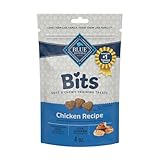
- REAL CHICKEN FIRST: BLUE Bits dog training treats are made with delicious real chicken as the first ingredient making them an ideal reward for your best friend’s best behavior
- SOFT TRAINING TREATS: For dogs that love a soft treat, BLUE Bits are tender, bite-sized morsels that are the perfect size for training; plus, with DHA to help support cognitive development, they’re an ideal puppy treat
- WHOLESOME INGREDIENTS: These dog treats don’t contain any chicken (or poultry) by-product meals and are free from corn, wheat, and soy; plus, they’re free from artificial preservatives like Propylene Glycol and colors like Red Dye 40
- HEALTHY DOG TREATS: Blue Buffalo natural dog treats feature the healthy, wholesome ingredients you’ll love feeding as much as they’ll love eating
- Contains: One (1) 4-oz bag of BLUE Bits Natural Soft-Moist Training Dog Treats, Chicken Recipe
Medication is not a do-it-yourself solution. AVSAB discusses medication as one veterinarian-supervised option alongside environmental support and behavior modification. Only a prescribing veterinarian can determine whether it is appropriate, which drug to use and how to monitor it.
Know what a specialist shelter program can—and cannot—tell you
A 2026 AVSAB article by Zazie Todd summarized research from the ASPCA Behavioral Rehabilitation Center, a structured program for shelter dogs with severe fear who were considered unadoptable on intake. The article reports that 86% of dogs completed the program and entered adoptive homes. It also reports that 100% of program graduates with known outcomes were adopted, while outcomes for some dogs were unknown.
Those figures describe that specialist shelter program, not the expected outcome for every newly adopted dog. Todd wrote: “These results show that it was the behavioural modification program, and not a delay to allow settling in, that resulted in improvements in the dogs’ fears.” All dogs had a three-day settling-in phase, so the study does not establish whether that phase matters. The findings support timely, structured treatment when fear is severe; they do not justify rushing a fearful pet through exposure at home.
Common mistakes that slow progress
- Forcing interaction: carrying the dog to people, pulling it from hiding, cornering it or insisting on petting teaches that retreat does not work.
- Flooding: taking the dog into a crowded place or surrounding it with unfamiliar people before it can cope can intensify fear.
- Using play as a test: repeatedly presenting a ball to prove improvement adds pressure and produces misleading results.
- Ignoring warnings: punishing growls or stiffening removes communication without resolving the underlying emotion.
- Changing too many variables: a new room, visitor, harness and toy on the same day makes it impossible to know what helped.
- Expecting a companion dog to cure fear: individual success stories do not replace assessment, matching and supervision.
- Waiting indefinitely for time to work: persistent fear, health effects or safety concerns warrant veterinary and behavior support.
A simple way to judge progress
At the end of each day, ask three questions: Did the dog have a protected place to rest? Did it get at least one chance to make a voluntary choice without pressure? Did I stop or make the task easier when body language tightened? If the answers are yes, you are building the conditions in which play can emerge.
The goal is not to produce a playful dog on a schedule. It is to give this individual dog enough safety, control and successful experience that exploring becomes worthwhile. Play is then a consequence of security, not a demand the dog must satisfy.





Leave a Reply