You can help reduce puppy-mill demand by adopting from a shelter or rescue, carefully checking any breeder before buying, reporting specific welfare concerns, and supporting stronger oversight and local retail protections. No single purchase or complaint is likely to close a mill by itself, but informed choices and well-documented action can make a difference.
Start with where you get a dog
If you are ready to bring home a dog, consider adoption from a local shelter or rescue first. If you decide to buy from a breeder—perhaps because you are looking for a particular breed—verify the conditions in person rather than relying on a website or sales pitch.
| # | Preview | Product | Price | |
|---|---|---|---|---|
| 1 |

|
Gotcha Day!: Adoption Tales of Remarkable Rescue Dogs | $8.10 | Buy on Amazon |
| 2 |

|
Can I Be Your Dog? | $8.19 | Buy on Amazon |
| 3 |
|
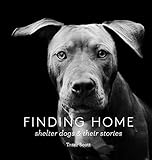
Finding Home: Shelter Dogs and Their Stories | $21.50 | Buy on Amazon |
| 4 |

|
Successful Dog Adoption | $11.63 | Buy on Amazon |
| 5 |

|
I'll Be Your Dog | $8.99 | Buy on Amazon |
As an Amazon Associate I earn from qualifying purchases.
Visit before you commit
- Visit the breeder’s premises in person.
- Meet the parent dogs and see where the dogs are housed.
- Do not proceed if the seller refuses an in-person visit.
These are practical screening steps, not a guarantee that every problem will be visible during one visit. Registration papers, polished photos, and online claims do not establish that dogs are being treated humanely. The ASPCA’s guidance on taking action against puppy mills and its adoption guidance recommend adoption as a first option and in-person checks for people choosing a breeder.
Free tools Windows power users keep installed
One-click scans. No signup required.
Check public records, but treat them as one source
The USDA Animal and Plant Health Inspection Service (APHIS) provides an Animal Care Public Search Tool with records for licensees and inspection reports. Use it to look for available information about a facility before making a decision.
#1 Best Overall
A USDA license is not an endorsement of a breeder or proof that every dog is well cared for. Inspection reports can inform your judgment, but they may not answer every welfare question. APHIS says inspection frequency depends on factors such as compliance history; focused inspections may also follow public complaints or allegations of unlicensed activity. Its process includes unannounced visits to licensed or registered facilities and can lead to corrective deadlines or enforcement action, depending on the case. For context on what an inspection record does—and does not—establish, see the APHIS Animal Welfare Act services information.
Report concrete welfare concerns safely
If you suspect neglect or cruelty involving animals covered by the Animal Welfare Act, submit a complaint through the USDA APHIS Animal Welfare Complaint form. Specific observations help the agency assess a concern; rumors or general accusations are less useful.
Rank #2
Include details you directly observed
- Date and location of the incident or conditions.
- The animals’ condition and the facility’s condition.
- What the responsible person did or failed to do.
- The licensee’s name or number, if you know it.
APHIS permits anonymous complaints. Providing contact information may help with follow-up, but the agency notes that a licensee may obtain complaint information and identity through a Privacy Act request. Do not trespass, confront someone who may be dangerous, or put yourself or animals at greater risk to gather evidence.
The Tool Desk
Outbyte PC Repair FREEClear out junk files and repair common Windows errorsFree Scan →Outbyte Driver Updater FREEFix the driver behind crashes, sound loss and screen glitchesFind Drivers →Use advocacy to change oversight and sales channels
Individual choices address demand one home at a time. Advocacy can focus on the rules and sales channels that affect a wider area. Contact your federal representatives about enforcement of animal-welfare laws, and follow bills through official congressional records rather than assuming an introduced proposal has become law.
For example, Goldie’s Act, H.R. 349, was introduced on January 13, 2025 and referred to the House Committee on Agriculture. Its introduced text would amend the Animal Welfare Act to increase enforcement. The cited bill text does not establish its current status; check the live Congress.gov record for H.R. 349 before describing whether it has advanced or become law.
Support local retail protections
Some state and local measures restrict pet-store sales of commercially bred puppies; some also encourage stores to partner with shelters or rescues. The rules, scope, and effective dates vary by jurisdiction, so check current official law where you live. The ASPCA explains the approach in its overview of retail puppy-sale protections. It reported that Colorado enacted the 2026 Pistol the Pomeranian Protection Act, scheduled to take effect in January 2028; verify the effective date and current law before relying on it.
Rank #4
Community advocates can also ask local pet stores to stop selling commercially raised puppies and support shelter or rescue adoption programs. The Humane Society’s puppy-mill action guide offers ideas for organizing that kind of outreach.
What recent reporting says about enforcement
On January 27, 2026, the ASPCA published an analysis of USDA data reporting 680 documented animal-welfare violations at USDA-licensed commercial dog-breeding facilities in 2025, with no action taken against the dealers in those cases. This is the ASPCA’s interpretation of USDA records, not a USDA-published total. The figure describes documented violations in that year and scope; it is not a count of all puppy mills or all dogs affected. Read the ASPCA’s report on its 2025-data analysis for its methodology and findings.
Quick Recap
Best Value
Choose the action that fits your role
| If you are… | Useful action | Reach and limits |
|---|---|---|
| A prospective dog owner | Adopt from a shelter or rescue, or visit and screen a breeder before buying. | Affects your own purchase decision; a visit or record check cannot guarantee that every welfare problem will be found. |
| A witness to a suspected violation | Submit a detailed complaint to USDA APHIS when the concern involves animals covered by the Animal Welfare Act. | Alerts the agency to a specific concern; include direct observations and use the proper channel. |
| A community advocate | Encourage pet stores to stop selling commercially bred puppies and support shelter or rescue partnerships. | Can influence local sales practices; check what programs and laws are currently available in your area. |
| A voter | Contact elected officials about enforcement and support relevant state or local retail protections. | Can contribute to broader policy change; proposed bills and local rules vary and may change. |
Product prices and availability are accurate as of the date/time indicated and are subject to change. Any price and availability information displayed on Amazon at the time of purchase will apply.




