
Free tools Windows power users keep installed
One-click scans. No signup required.
To eliminate darkling beetles from a poultry coop, use an integrated plan rather than a single spray: confirm the insect, monitor where each life stage is hiding, dry the litter, remove feed and organic debris, clean out promptly between flocks, inspect insulation and structural voids, manage infested manure, and use only a current treatment label that permits the intended poultry-premise application. This approach reduces the population and prevents it from rebuilding.
What darkling beetles are—and why they keep coming back
In poultry housing, the name darkling beetle usually refers to the lesser mealworm, Alphitobius diaperinus. It is a small tenebrionid beetle that thrives where warm, humid litter, manure, spilled feed, and protected cracks occur. Adults, larvae, and pupae can occupy different parts of the same coop, so killing the beetles you can see rarely ends the infestation.
As an Amazon Associate I earn from qualifying purchases.
Females lay eggs in litter, manure, crevices, and around feeder and drinker lines. Eggs may hatch in about four to seven days. Larvae develop through several stages before leaving the litter to pupate in protected locations such as cracks, insulation, soil, or wall voids. Depending on temperature, humidity, and food quality, development from egg to adult may take roughly 40 to 100 days; under especially favorable poultry-house conditions, a 35-to-60-day cycle is also reported. Adults can live for months and females may continue laying eggs repeatedly.
That life cycle makes control a systems problem. The practical goal is sustained suppression below damaging or nuisance levels, followed by prevention of a rebound—not a promise that one spray, one cleanout, or one trap will reach every life stage.
#1 Best Overall
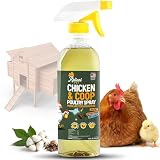
- SAFE & EFFECTIVE: Our plant-based chicken mite spray delivers powerful punch without the harsh chemicals found in traditional poultry sprays. Safe to use around your entire flock when used as directed, this gentle formula is tough on mites, lice, fleas, and flies - making it the smarter, safer choice for backyard chicken keepers, small farms, and homesteaders who want real results without the risks
- Made For All Poultry: This fast-acting poultry spray works as a complete chicken lice and mite spray, targeting mites, lice, fleas, and dust mites where they live and breed. Use it as your go-to dust mite spray for bedding and nest boxes, and as reliable chicken coop fly spray for runs, roosts, and yard areas - one bottle replaces multiple products and the old lime routine
- ZERO EGG WITHDRAWAL: Because our formula is plant-based, there's no egg withdrawal period. Treat your flock as often as needed during active infestations or on a regular schedule for prevention - and never lose a single day of egg collection. No waiting, no waste, no choosing between protecting your birds and gathering your eggs
- ONE BOTTLE, FULL COVERAGE: Spray directly on hens, roosters, and chicks - under the wings, around the vent, and along the chest - then use the same bottle on your coop, roosts, nest boxes, bedding, runs, and surrounding yard. This all-in-one poultry spray covers your entire flock environment, making it a true chicken coop essential that saves you time, money, and hassle
- PROUDLY MADE IN USA: Every bottle of our plant-based poultry spray is made right here in the USA. From first-time chicken keepers to experienced homesteaders, our chicken mite spray has earned its spot as a must-have chicken coop essential - giving you a dependable, plant-based way to keep your flock healthy, comfortable, and pest-free
How to identify a darkling beetle infestation
Adults, larvae, and pupae
| Life stage | What it looks like | Where to look |
|---|---|---|
| Adult | Dark reddish-brown to black, hard-bodied beetle with six legs | Litter, manure, walls, support posts, beneath equipment, and around feeder and drinker lines |
| Larva | Elongated, segmented, mealworm-like insect | Under caked litter, in manure, near feed, and in cracks as it matures |
| Pupa | Creamy white to tan and relatively soft-looking | Usually hidden in insulation, wall voids, cracks, soil, or other protected sites |
The common names litter beetle, lesser mealworm, and sometimes black bug may describe the same poultry pest. However, “darkling beetle” is not proof that every black insect in a coop is A. diaperinus. Hide beetles and other beetles can also occur in poultry litter and manure. If the insect does not clearly match the description above, collect a specimen or take a sharp photograph for identification by a local extension office, veterinarian, or entomologist.
Darkling beetles versus bird mites
Bird mites are much smaller arachnids with eight legs. They are associated with birds, nests, and nesting material and may appear as moving specks. Darkling beetles are insects: adults and larvae have six legs and are strongly associated with litter, manure, feed, carcasses, and structural hiding places. The two pests require different control plans, so misidentification can waste time and expose birds or people to unnecessary treatments.
Signs that the infestation is substantial
A few beetles do not, by themselves, reveal how serious the problem is. Look for a pattern of activity and for evidence that the insects are using the building as well as the litter.
Quick wins for a faster PC:
Clear out junk files and repair common Windows errorsFree Scan →Fix the driver behind crashes, sound loss and screen glitchesFind Drivers →- Adults or larvae under manure crusts and in caked litter
- Beetles concentrated beneath feeders, drinkers, and equipment
- Adults along walls, support posts, joints, and corners
- Larvae around carcasses, spilled feed, cracked eggs, or other organic material
- Small holes, tunnels, or loose areas in insulation
- Beetles appearing in wall voids, eaves, equipment supports, or other structural gaps
- Large numbers of beetles moving during the day, when they would normally remain hidden
- Beetles emerging from removed litter, manure piles, or stored organic material
Mature larvae may leave the litter to tunnel into insulation or other structural materials before pupating. Damage to insulation is therefore more than a cosmetic issue: it indicates that parts of the population may be outside the reach of ordinary litter treatment.
Inspect regularly—ideally weekly—and record what you find. In a larger house, inspect at intervals of about 30 to 40 feet, with particular attention to walls, posts, feeder and drinker lines, carcasses, litter, and insulation. Dig approximately one to two inches into caked litter to look for young larvae. Record the date, location, life stages, and approximate count. Trends over several inspections are more useful than a single sighting.
What damage can darkling beetles cause?
Feed waste and flock disturbance
Darkling beetles consume spilled feed, manure, litter, carrion, and other organic material. Heavy populations can waste feed, disturb birds, and contribute to poor production performance. Their presence can also make litter management more difficult because the insects exploit the same moist, nutrient-rich areas that support other poultry-house pests.
Insulation and structural damage
Larvae and adults may damage insulation and other structural materials while seeking protected sites or pupae. Once beetles occupy insulation, wall voids, cracks, and joints, a surface treatment may suppress exposed adults without removing the source of reinfestation.
Potential disease and parasite concerns
Darkling beetles have reported reservoir or carrier relationships with poultry pathogens and parasites, including organisms associated with Salmonella, E. coli, Marek’s disease virus, and poultry worms. The careful conclusion is that beetles may harbor or may contribute to potential transmission; an infestation does not prove that a particular disease is present, and eliminating beetles alone does not prevent disease.
Rank #2

- NATURAL AND NON-TOXIC FORMULA: Made from natural essential oils, Premo Poultry Spray is a safe alternative to harsh chemicals like permethrin and mite dusts. Veterinarian and farm approved. Apply directly on all poultry. Treat your entire flock, pens, roosts, coops, nest boxes, and yards. Enjoy peace of mind knowing that your chickens and other poultry is protected naturally and safely
- NATURAL AND PLEASANT SMELL: Natural ingredients with a pleasant clove smell with no artificial colors and no harsh chemicals. No harmful side effects that come from other pest treatment products. Use with confidence knowing that your chickens, and other poultry are protected naturally
- SAFE FOR ALL POULTRY WITH NO EGG WITHDRAWAL: Gentle enough for chicks, hens, roosters, and other poultry. Spray as often as needed to eliminate pests on your birds as well as poultry houses and runs. Safe to use around the entire home and family. Provides natural protection for chickens, turkeys, ducks, and geese against mites such as northern fowl mites, scaly leg mites, fleas, ticks, lice, and flies
- PROVEN TO WORK ON CONTACT: Our formula of natural oils is proven to kill on contact and treats mites, lice, fleas, and ticks. It is effective against all life cycles of bugs, including eggs, larvae, and adult stages
- QUALITY TESTED AND EFFECTIVE: Tested and proven to work. We ensure our products are supplied from Certified Natural Products Association (NPA) and Approved Good Manufacturing Practice (GMP) facilities. All our products are third party tested and approved.
If birds are sick, dying, losing weight, producing poorly, or showing unexplained symptoms, involve a poultry veterinarian. Do not attribute a flock-health problem to beetles without investigating other causes.
Dispersal from litter and manure
Infested litter and manure can become a nuisance when moved or spread. Beetles may leave manure piles or fields and migrate toward nearby buildings or lights. Treat removed material as a potential source of reinfestation, and follow local agricultural and environmental requirements for storage, transport, and land application.
Integrated control plan
1. Confirm the pest before treating
Collect a beetle or photograph whenever identification is uncertain. Confirm that you are dealing with a beetle or mealworm-like larva rather than a bird mite, fly larva, flea, or another stored-product pest. Identification matters because the hiding sites, life cycle, and permitted treatments differ.
Crashes, No Sound, or Screen Glitches?
Random freezes, missing sound and display glitches usually trace back to one bad driver. Find and replace yours safely.Free scan · under a minutePC Slower Than It Used to Be?
A free scan shows the junk files, broken settings and background clutter dragging Windows down - then fixes them in one click.Free scan · Windows 10 & 11For a flock with health or production problems, identification should happen alongside veterinary evaluation—not instead of it.
2. Monitor before and during control
Monitoring tells you where the population is concentrated and whether the plan is working. Inspect weekly, increasing attention during warm, humid weather and around flock removal and cleanout.
A simple tube trap can be made from a section of PVC pipe containing rolled corrugated cardboard. The cardboard provides a protected surface where beetles can gather, making the trap useful for consistent sampling. Put traps in representative areas, including near feeder lines, entrances, walls, and warm locations. Check them on the same schedule each time and record counts by location.
A darkling beetle trap can help measure activity and remove some adults, but it cannot be expected to reach eggs, larvae deep in litter, or pupae hidden in insulation and structural voids. Purpose-built poultry litter beetle traps are another option when used according to their instructions. Treat trapping as monitoring and supplemental adult control, not as a stand-alone cure.
3. Remove food and moisture sources
- Repair leaking drinkers, plumbing, roofs, and condensation problems.
- Keep litter as dry as practical.
- Remove spilled feed promptly, especially beneath feeder lines.
- Remove dead birds, cracked eggs, and other organic accumulations promptly.
- Inspect damp corners, drinker areas, and caked litter more often than dry areas.
Sanitation will not necessarily remove beetles already hidden in the structure, but it reduces the food and moisture that support continued development.
Rank #3

- NATURAL AND NON-TOXIC FORMULA: Made from natural essential oils, Premo Poultry Spray is a safe alternative to harsh chemicals like permethrin and mite dusts. Veterinarian and farm approved. Apply directly on all poultry. Treat your entire flock, pens, roosts, coops, nest boxes, and yards. Enjoy peace of mind knowing that your chickens and other poultry is protected naturally and safely
- PROVEN TO WORK ON CONTACT: Our formula of natural oils is proven to kill on contact and treats mites, lice, fleas, and ticks. It is effective against all life cycles of bugs, including eggs, larvae, and adult stages
- SAFE FOR ALL POULTRY WITH NO EGG WITHDRAWAL: Gentle enough for chicks, hens, roosters, and other poultry. Spray as often as needed to eliminate pests on your birds as well as poultry houses and runs. Safe to use around the entire home and family. Protects chickens, turkeys, ducks, and geese against mites such as northern fowl mites, scaly leg mites, fleas, ticks, lice, and flies
- NATURAL INGREDIENTS WITHOUT HARSH CHEMICALS: Natural ingredients with no artificial colors and other harsh chemicals. No harmful side effects that come from other pest treatment products. Use with confidence knowing that your chickens, and other poultry are protected naturally
- QUALITY TESTED AND EFFECTIVE: Tested and proven to work. We ensure our products are supplied from Certified Natural Products Association (NPA) and Approved Good Manufacturing Practice (GMP) facilities. All our products are third party tested and approved. Made in the U.S.A
4. Clean out promptly between flocks
When birds leave, remove litter and caked manure as soon as practical. Beetles may move into cracks, wall voids, insulation, and other protected sites within days after a house becomes empty.
After litter removal:
- Inspect the floor, walls, support posts, equipment, joints, and insulation seams.
- Remove remaining organic debris and caked material.
- Clean and sanitize according to the facility’s biosecurity program.
- Repair or remove damaged insulation where beetles have established protected sites.
- Seal feasible cracks and crevices before the next flock arrives.
Cleaning alone may provide only temporary suppression in a severe infestation because pupae can remain in insulation or structural voids. Cleanout, structural repair, treatment of hiding places, and reinvasion prevention need to be planned together.
5. Manage removed litter and manure
Taking infested litter outside does not automatically solve the problem. Stored or land-applied material can allow beetles to disperse and return to the poultry house or nearby buildings.
Do these 3 things before closing this tab:
1Fix the driver behind crashes, sound loss and screen glitches2Clear out junk files and repair common Windows errors3Scan for outdated or missing drivers - takes under a minute- Cover or otherwise manage stored litter to reduce beetle movement.
- Handle and transport material in a way that limits dispersal.
- Incorporate land-applied litter where appropriate and permitted.
- Follow local manure-management and environmental requirements.
Some extension guidance discusses turning composted or stockpiled litter to expose beetles to heat. This is not automatically effective: the process must achieve and maintain conditions capable of killing the relevant beetle stages. Do not assume that a pile is safe merely because it has been stored or labeled compost.
6. Reduce hiding places and migration
Inspect wall joints, posts, insulation seams, eaves, equipment supports, and other protected areas. Fill or seal cracks and crevices where feasible. Physical barriers or angled metal flashing may reduce climbing and migration in some facilities.
Pay attention to exterior lighting and the area around stored litter or manure. Beetles can be attracted to lights and may disperse from infested material. Perimeter changes should be made carefully so they do not simply move beetles toward another building or flock.
7. Consider biological control only as a supplemental option
Natural enemies—including entomopathogenic fungi, mites, nematodes, parasitoids, and predatory beetles—have been investigated or used in some poultry integrated pest-management programs. Results vary with humidity, sanitation, pesticide use, facility design, and product availability.
Biological control may be worth discussing with an extension specialist or qualified pest professional, particularly for a recurring commercial problem. It should not be presented as a universal cure or used as a substitute for dry litter, cleanout, structural repair, and monitoring.
Rank #4

- Effective Flock & Coop Care: Kills mites, lice, fleas, and ticks on your chickens and throughout their coop.
- Poultry Formula: Formulated for use on chicks (over 10 days old) and laying hens when used as directed. Requires no egg withdrawal period, so you can keep harvesting while treating.
- Plant-Based Active Ingredients: Harnesses the power of clove and cottonseed oils.
- Ready-to-Use Spray: Convenient, pre-mixed formula. Apply directly to birds, bedding, runs, and coop surfaces—no dilution or extra equipment required.
- Quality You Can Trust: Proudly made in the USA. Our family-owned business is dedicated to providing dependable poultry care solutions for your backyard flock.
8. Use insecticides only according to the current label
Chemical treatment is a regulated step, not a generic “spray the coop” recommendation. Choose only an EPA-registered poultry-premise insecticide whose current label names the target pest and the intended poultry-premise site. Federal registration does not mean that every product is legal or suitable in every state, and state requirements, availability, and use restrictions can differ.
Labels may distinguish between floor, litter, wall, post, crack-and-crevice, dry, and wet applications. Labels reviewed for poultry premises commonly specify between-flock use, bird removal, protection of feeders and waterers, prevention of contamination, and complete drying before restocking—but the instructions for a particular product control its use.
Before applying any product, verify all of the following on the current label:
What’s actually slowing this PC down?
Pick the symptom - the matching free tool is one click away.
- The target pest includes darkling beetles or lesser mealworms.
- The site is the type of poultry premise or surface you intend to treat.
- Birds must be removed, or the label expressly permits treatment with birds present.
- Feeders, drinkers, feed, water, eggs, litter, and other materials are protected or removed as directed.
- Application rate, dilution, equipment, personal protective equipment, ventilation, re-entry, and drying requirements are understood.
- The product is registered and permitted for the intended use in your state or jurisdiction.
Never assume that a household insecticide is safe for poultry, eggs, meat, feed, water, litter, or an occupied coop simply because it kills beetles elsewhere. Do not treat birds directly unless the exact product label expressly permits that use. Commercial operations should coordinate with their veterinarian, integrator, extension specialist, licensed pesticide professional, or state pesticide regulator.
A practical elimination sequence
Use this sequence to turn the control plan into an operation:
- Confirm and map the infestation. Identify the insect and note where adults, larvae, pupae, and structural damage occur.
- Establish a baseline. Place tube or purpose-built traps and record counts by location.
- Remove immediate resources. Repair leaks, dry damp areas, remove spilled feed and carcasses, and improve sanitation.
- Clean out after flock removal. Remove litter and manure promptly, then inspect the empty house.
- Address protected sites. Clean cracks and equipment, inspect insulation, repair damaged areas, and seal feasible voids.
- Control the removed material. Store, transport, compost, or land-apply litter in a way that limits beetle survival and dispersal.
- Apply a treatment only when justified. Use a current, label-compliant poultry-premise product or a qualified applicator.
- Wait for safe re-entry. Allow treated areas to dry and meet every label restriction before restocking birds.
- Continue monitoring. Check weekly through the next flock cycle and revise the plan if counts rise.
Why beetles are still present after cleanout or spraying
Beetles appear again within days
Check for missed litter under equipment, damp areas around drinkers, carcasses, spilled feed, and beetles arriving from stored or land-applied manure. Also inspect exterior walls, entrances, lights, and material moved out of the house.
Adults disappear, then return weeks later
Hidden pupae or developing larvae may have survived in insulation, cracks, soil, or wall voids. Because the life cycle can take several weeks to a few months, continue monitoring after visible adults decline and inspect protected sites during the next empty-house period.
There are fewer beetles, but insulation is damaged
Structural damage suggests that mature larvae have found protected pupation sites. Traps and surface treatments may reduce adults without resolving the source. Prioritize insulation inspection and repair, crack sealing, and professional assessment if voids cannot be accessed safely.
Best Value
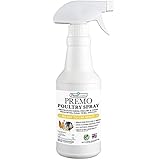
- NATURAL AND NON-TOXIC FORMULA: Made from natural essential oils, Premo Poultry Spray is a safe alternative to harsh chemicals like permethrin and mite dusts. Veterinarian and farm approved. Apply directly on all poultry. Treat your entire flock, pens, roosts, coops, nest boxes, and yards. Enjoy peace of mind knowing that your chickens and other poultry is protected naturally and safely
- PROVEN TO WORK ON CONTACT: Our formula of natural oils is proven to kill on contact and treats mites, lice, fleas, and ticks. It is effective against all life cycles of bugs, including eggs, larvae, and adult. A good addition to chicken dust bath treatments for mites
- SAFE FOR ALL POULTRY WITH NO EGG WITHDRAWL: Gentle enough for chicks, hens, roosters, and other poultry. Spray as often as needed to eliminate pests on your birds as well as poultry houses and runs. Safe to use around the entire home and family. Give your chickens, turkeys, ducks, and geese natural protection against mites such as northern fowl mites, scaly leg mites, fleas, ticks, lice, and flies
- NATURAL AND PLEASANT SMELL: Natural ingredients with a pleasant clove smell with no artificial colors and no harsh chemicals. No harmful side effects that come from other pest treatment products. Use with confidence knowing that your chickens, and other poultry are protected naturally
- QUALITY TESTED AND EFFECTIVE: Tested and proven to work. We ensure our products are supplied from Certified Natural Products Association (NPA) and Approved Good Manufacturing Practice (GMP) facilities. All our products are third party tested and approved. Made in the U.S.A
Birds are showing unexplained illness or production loss
Do not assume the beetles are the sole cause. Contact a poultry veterinarian for examination, diagnostic testing, and a broader flock-health plan. Beetle control is one part of biosecurity, not a replacement for veterinary care.
When professional help is the better option
Seek qualified help when beetles have entered insulation or inaccessible structural voids, when repeated cleanouts do not reduce counts, when a commercial flock or food-producing operation is involved, or when pesticide selection and re-entry requirements are unclear.
Look for a licensed poultry pest-management or poultry-house cleanout service rather than assuming that any general residential exterminator is qualified. The provider should understand poultry premises, agricultural pesticide rules, flock biosecurity, and the restrictions around feed, water, eggs, meat, and bird re-entry.
The Tool Desk
Outbyte PC Repair FREEClear out junk files and repair common Windows errorsFree Scan →Outbyte Driver Updater FREEFix the driver behind crashes, sound loss and screen glitchesFind Drivers →Prevention checklist for the next flock
- Inspect litter, manure, walls, posts, equipment, and insulation weekly.
- Use consistent trap locations and record counts rather than relying on visual impressions.
- Keep drinker areas dry and repair leaks promptly.
- Remove spilled feed, carcasses, cracked eggs, and other organic material.
- Clean out promptly between flocks.
- Inspect and repair insulation, wall joints, cracks, and equipment supports.
- Manage removed litter and manure to reduce dispersal.
- Review the current pesticide label and state requirements before any chemical application.
- Do not return birds until the label’s drying, ventilation, and re-entry conditions are satisfied.
- Keep monitoring after treatment; a falling count is evidence of progress, not proof that every life stage is gone.
Bottom line
Darkling beetles are best controlled by combining accurate identification, dry litter, prompt sanitation, between-flock cleanout, structural inspection, careful manure management, monitoring traps, and—when necessary—a current, label-compliant poultry-premise treatment. The most useful first product is a trap for measuring activity and removing some adults. Severe or recurring infestations, especially those involving insulation, may require a qualified poultry-house cleanout or pest-management professional.
Frequently Asked Questions
What do darkling beetles look like?
In poultry housing, darkling beetles usually mean the lesser mealworm, Alphitobius diaperinus. Adults are dark reddish-brown to black beetles, larvae are elongated and mealworm-like, and pupae are creamy white to tan. Hide beetles and other beetles can look similar, so use a specimen or clear photograph for confirmation when uncertain.
Are darkling beetles the same as bird mites?
No. Bird mites are tiny eight-legged arachnids associated with birds and nests. Darkling beetles are six-legged insects associated with litter, manure, feed, carcasses, and structural hiding places. The distinction matters because the pests require different control methods.
Will a darkling beetle trap eliminate an infestation?
A trap can measure activity and remove some adult beetles, but it will not reliably reach eggs, larvae deep in litter, or pupae hidden in insulation and wall voids. Use traps as part of monitoring and integrated control, not as the only treatment.
Recommended Free Tools
Why do darkling beetles return after spraying?
Not necessarily. A spray may kill exposed adults while eggs, larvae, and pupae survive in litter, cracks, insulation, or structural voids. Chemical treatment must be selected and applied according to the current label, including bird-removal, surface, PPE, drying, and re-entry requirements.
Can darkling beetles make chickens sick?
Darkling beetles may harbor or contribute to potential transmission of poultry pathogens and parasites, but an infestation does not prove that a particular disease is present. If birds are sick, dying, losing weight, or showing production problems, consult a poultry veterinarian rather than blaming beetles alone.
The Bottom Line
Do not try to solve a darkling beetle infestation with a single spray or household remedy. Find the beetles’ food, moisture, and protected pupation sites; clean and repair the house between flocks; manage infested litter; monitor weekly; and use only treatments whose current labels specifically permit the intended poultry-premise application.
Quick Recap
Product prices and availability are accurate as of the date/time indicated and are subject to change. Any price and availability information displayed on Amazon at the time of purchase will apply.





Leave a Reply