
Do these 3 things before closing this tab:
1Fix the driver behind crashes, sound loss and screen glitches2Clear out junk files and repair common Windows errors3Scan for outdated or missing drivers - takes under a minuteSome links on this page are affiliate links: if you buy through them we may earn a commission, at no extra cost to you.
A new cat is not a treatment for grief, and a bereaved cat does not automatically need a feline companion. Some cats change after another pet dies; others show little outward reaction. If you decide that adoption is right for your household, the safest approach is a slow introduction that protects both cats from being overwhelmed.
Start with a veterinary check for persistent or severe changes, prepare a separate room for the newcomer, and move through scent, separation, positive associations, exploration, visual contact and supervised meetings. Advance only when both cats remain relaxed. The process can take a few days to a few months.

As an Amazon Associate I earn from qualifying purchases.
First decide whether another cat is appropriate
Grief-like behavior and loneliness are not the same thing, and neither proves that a cat wants a new companion. Cats Protection says cats do not need another cat to be happy and advises owners not to rush the decision. There is no evidence-based waiting period that applies to every household. Choose a time based on readiness and welfare, not a calendar rule.
American Humane Society’s guidance specifically includes homes in which a companion has recently died, but that inclusion is practical rather than a recommendation that every surviving cat should receive a replacement. A newcomer adds territory changes, unfamiliar smells, noise and competition for resources. Those stresses can intensify tension if the resident cat is ill, unsettled or naturally prefers solitary living.
Popular on Amazon
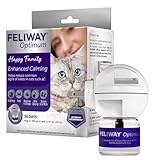
- HELPS REDUCE SIGNS OF STRESS USING A PATENTED PHEROMONE: FELIWAY Optimum is an advanced cat pheromone diffuser that helps reduce signs of stress in cats and helps ease tension between cats.*
- HELPS CATS FEEL CALM IN EVERYDAY SITUATIONS: FELIWAY Optimum is a cat calming diffuser that helps reduce stress‑related behaviors like urine spraying, scratching, hiding, and fearful reactions to change. Cat parents reported noticeable reductions in these behaviors, including a 77% reduction in urine spraying.
- SUPPORTS HARMONY IN MULTI‑CAT HOMES: Helps promote calmer interactions between cats. 72% of cat parents noticed reduced tension between their cats
- SAFE** AND NON-SEDATING: FELIWAY Optimum is not a sedative. It’s safe for use around cats, kittens, people and other pets.
- CONTINUOUS CALMING SUPPORT: This plug‑in cat pheromone diffuser provides 24/7 support when used as directed. To get started, plug into an open outlet with the vents pointed upward, allow at least 4 feet of clearance, and follow the label instructions.
What changes may follow a loss
Cornell University College of Veterinary Medicine lists anxiety or restlessness, altered eating or drinking, sleep and activity changes, reduced interest, destructive behavior, high-pitched vocalization, house soiling and searching familiar places as possible signs after an animal dies. Cats Protection also describes wandering, crying, reduced confidence and less interest in usual activities.
These observations can be associated with adjustment, but they are not proof that a cat understands death in a human sense. Grief in animals is not well understood, and some animals show no visible signs. Pain, kidney disease, thyroid disease, urinary problems and other medical conditions can look like emotional distress.
Outdated Drivers Are Slowing You Down
One free scan finds every outdated or missing driver and matches the right update for your exact hardware.Free scan · exact hardware matchPC Slower Than It Used to Be?
A free scan shows the junk files, broken settings and background clutter dragging Windows down - then fixes them in one click.Free scan · Windows 10 & 11When a veterinarian should come first
Arrange veterinary advice before beginning an introduction when appetite, toileting, energy or behavior changes persist, worsen or seem severe. Cornell specifically flags stopping eating, incessant crying, self-mutilation and pronounced anxiety as urgent reasons to seek help. Do not use a new cat to test whether an unexplained symptom improves.
Use a readiness check instead of a fixed waiting period
Consider adoption only when the people in the home are ready for a potentially long, management-heavy process and the resident cat has a stable place to retreat. A local shelter or rescue can help identify a cat whose needs fit your household; American Humane recommends adopting from a local animal shelter.
| Decision area | Questions to answer | Why it matters |
|---|---|---|
| Resident cat’s condition | Is eating, toileting, sleeping and daily behavior reasonably settled? Are medical issues being treated? | An introduction should not be used to solve an unresolved health or behavior problem. |
| Human capacity | Can you provide daily supervision, separate feeding and litter areas, and veterinary care for two cats? | Progress may require weeks or months and occasional regression. |
| Space | Can you dedicate a quiet room to the newcomer and preserve the resident cat’s familiar resources? | Distance and escape options reduce pressure and prevent forced contact. |
| Prospective cat | How do age, activity, confidence, health and previous social experience compare with the resident cat? | A high-energy, assertive newcomer may overwhelm an older, ill or timid cat. |
| Observed response | Can each cat eat, explore, rest or disengage when the other’s scent or presence is introduced? | Comfort at each stage is a better guide than a promised compatibility score. |
The 2024 American Association of Feline Practitioners intercat tension guidelines identify careful adoption choices and gradual positive integration as ways to reduce household tension. They do not provide a guaranteed matching formula.
Prepare the home before the newcomer arrives
Set up a secure, quiet room that the new cat can occupy with the door closed. Provide that cat’s own food and water bowls, litter tray, resting area, scratching surface and hiding places. Keep the resident cat’s established resources in their usual locations where possible. Separate resources prevent a newcomer from immediately displacing the resident cat.
Also popular on Amazon
Check doors, windows, screens and gaps for escape routes. Remove hazards and keep carriers, cleaning supplies and medications inaccessible. A secure visual barrier, such as a suitable cat introduction gate, can help later, but it does not replace a closed-door separation phase or active supervision.
Ask the shelter, rescue or previous caregiver about the prospective cat’s health, vaccination and parasite-treatment status, diet, litter habits, temperament and history with other cats. Have a veterinary plan for the newcomer. Moving home is stressful, so let the new cat eat, sleep and explore its room before asking it to cope with another cat.
Follow the six-stage introduction plan
American Humane Society’s six-step sequence is scent, separation, feeding across a door, exploration of each other’s spaces, secure visual contact and supervised face-to-face meetings. UC Davis veterinary guidance likewise recommends a settling-in period and gradual progression.
1. Trade scents before the cats see one another
Keep the new cat behind its closed door. When both cats are calm, exchange bedding or a soft cloth carrying each cat’s scent. Place the item at a comfortable distance from food, water and resting places rather than pushing it into a hiding spot. You can also gently rub a clean cloth around one cat’s cheeks and leave it for the other to investigate, provided neither cat becomes distressed.
What’s actually slowing this PC down?
Pick the symptom - the matching free tool is one click away.
Watch the response rather than trying to make the cats interact. Sniffing briefly and returning to normal activity is useful information. Avoid waving the cloth at a cat, trapping a cat with the scent or interpreting a single hiss as a final verdict.
2. Maintain complete separation at first
Do not carry the new cat into the resident cat’s room and place it in front of them. Keep the newcomer in its prepared room while the resident cat retains access to familiar territory. Check on each cat separately, using a calm routine for meals, play and rest.
Also popular on Amazon

- SPECIFICALLY DESIGNED FOR MULTI-CAT HOMES: FELIWAY MultiCat is a cat calming diffuser that helps reduce tension between cats, including conflict, fighting, chasing, and blocking, supporting a calm home for cats living together
- HELPS CATS GET ALONG BETTER: This cat pheromone diffuser promotes calm interactions and helps ease ongoing tension, supporting more peaceful relationships in multi-cat households
- HELPS REDUCE TENSION BETWEEN CATS: 84% of cat parents noticed improvement in tension and conflict between their cats when using FELIWAY MultiCat
- SAFE* AND NON-SEDATING: FELIWAY MultiCat is not a sedative. It is safe for use around cats, kittens, people and other pets.
- CONTINUOUS CALMING SUPPORT FOR SHARED SPACES: Plug-in cat pheromone diffuser provides 24/7 calming support. To get started, plug into an open outlet with vents pointed upward and allow 4+ ft of clearance, and follow the label instructions.
Separation is not isolation without care. Spend quiet time with the newcomer, but let it choose whether to hide or approach. Continue meeting the resident cat’s normal social and play needs so the arrival does not remove all familiar attention.
3. Build positive associations on opposite sides of a door
Feed the cats on opposite sides of the closed door. Begin far enough away that both will eat normally, then gradually move bowls closer over multiple meals if neither cat shows stress. Short play sessions or treats can be used in the same way, always keeping the door shut.
The Tool Desk
Outbyte PC Repair FREERepair Windows errors before they cause bigger problemsFix Now →Outbyte Driver Updater FREEScan for outdated or missing drivers - takes under a minuteDriver Scan →If a cat stops eating, stares at the door, growls continuously, hides or refuses to settle, increase the distance and shorten the session. The purpose is to pair the other cat’s smell and sounds with safe experiences, not to force tolerance.
4. Let each cat explore the other’s area separately
When both cats are comfortable with the closed-door routine, confine the resident cat in a secure room and allow the newcomer to explore a limited part of the resident cat’s territory, or reverse the arrangement. Keep the cats physically separate. Return each cat to its own area before releasing the other.
Start with brief explorations and expand gradually. Preserve access to litter, water, food and hiding places during every rotation. If either cat becomes agitated, end the exploration and return to the previous comfortable arrangement.
5. Offer secure visual contact
Use a firmly secured barrier that prevents paws, bodies and escape attempts from passing through. Open the closed door only to the extent needed for a safe visual view, or use a gate designed for the space. Position food, play items or resting spots far enough from the barrier that both cats can choose distance.
Recommended Free Tools
Also popular on Amazon

- Help Your Cat Feel Safe Again: Create a calmer, more comfortable home with advanced calming pheromone technology that helps reduce common signs of stress including hiding, scratching, urine spraying, conflicts between cats, and nervous behavior. Ideal for everyday emotional support
- Continuous 120-Days Comfort: Each refill delivers calming support for up to 30 days when used continuously, package include: 2 diffusers, 4 refills. Designed to cover rooms up to approximately 750 sq ft, making it perfect for bedrooms, living rooms, and multi-cat households
- Supports Positive Everyday Behavior: Whether introducing a new pet, moving into a new home, welcoming visitors, or dealing with loud noises such as fireworks or thunderstorms, the diffuser helps cats feel more secure and adapt to changes more comfortably
- Easy Plug-In, No Daily Effort: Simply plug the diffuser into an open wall outlet and let it work around the clock. No sprays, no pills, no complicated routines—continuous calming support with minimal maintenance
- Trusted Care for Cats of Every Age: Suitable for kittens, adult cats, senior cats, and multi-cat families. Designed to support a peaceful home environment while helping strengthen the bond between cats and their owners
Keep the first views brief. Reward calm looking, eating, grooming or turning away. Do not hold a cat up to the barrier, corner it for a better view or allow unsupervised contact through a barrier that could be climbed or pushed aside.
6. Hold short, supervised meetings
Choose a quiet room with escape routes and no narrow corner where one cat can be trapped. Let both cats enter under their own control, keep the session short and end it while behavior remains calm. A toy or treat can redirect attention, but do not use food to lure a cat into unavoidable proximity.
Some hissing, brief retreating or a warning swat can occur without becoming a fight. Intervene before chasing, ambushing, blocking or sustained staring escalates. Use a cushion, large piece of cardboard or another safe visual divider to interrupt; never put your hands between fighting cats. Separate them and allow a full recovery before trying an easier stage.
Read behavior and set the pace
Progress when both cats can eat, explore, rest, play or disengage in the other’s presence. A cat that chooses to walk away has used an appropriate coping option. Increase duration or proximity in small increments, and change only one variable at a time.
| Observation | What it suggests | Response |
|---|---|---|
| Sniffing, eating, grooming or calmly looking away | The cat may be coping at the current distance. | Keep sessions predictable and make the next change gradual. |
| Flattened body, persistent hiding, dilated pupils, growling or repeated hissing | The cat is fearful or over its threshold. | End or shorten the session, increase distance and return to the prior stage. |
| Persistent chasing, ambushing, blocking access or fighting | Contact is unsafe and tension is escalating. | Separate safely, stop face-to-face sessions and seek veterinary or qualified behavior advice. |
| Reduced eating, toileting changes or withdrawal outside sessions | Stress may be affecting welfare, or illness may be present. | Pause the introduction and contact a veterinarian. |
American Humane Society states: “Go slowly. If either cat seems stressed, nervous or fearful, give them more time before moving to the next step.” The practical rule is to let the less comfortable cat set the pace.
Independent reader supportYour contribution helps us test, update, and keep practical guides available for everyone.How long does introduction take?
The UC Davis Clinical Animal Behavior Service describes a range of a few days to a few months, depending on the cats. Treat that as a range, not a target. Confident cats with compatible routines may progress quickly; fearful, territorial, older or medically fragile cats may need repeated sessions at one stage.
Also popular on Amazon

- Valua Pack – This cat pheromone diffuser set includes 3 pack, making it easier to provide a calming environment in multiple rooms or for multiple cats.
- SUITABLE FOR CATS OF ALL AGES – Designed for kittens, adult cats, and seniors, this diffuser helps create a soothing atmosphere. For optimal performance, replace the diffuser head every six months.
- LONG-LASTING SUPPORT – Each refill vial provides continuous use for up to 30 days. The diffuser is odorless, making it a great choice for households sensitive to scents.
- VISIBLE RESULTS IN TWO WEEKS – Many cat owners notice a reduction in common unwanted behaviors such as excessive grooming, meowing, or restlessness within two weeks of use. Individual results may vary.
- EASY TO USE – Simply plug the diffuser into a standard electrical outlet to begin releasing calming pheromones throughout your home. Its compact design makes it suitable for travel or temporary environmental changes.
Do not advance because a certain number of days has passed. If a setback follows a longer meeting, return to the last stage at which both cats were relaxed. Calm coexistence is a realistic initial goal; instant friendship is not promised or required.
Common mistakes and safer alternatives
- Rushing because the resident cat appears lonely: loneliness is difficult to establish from behavior alone. Check health and readiness before adopting.
- Putting the cats together immediately: moving and unfamiliar territory already create stress. Use the separate room and staged sequence.
- Taking hissing personally or punishing it: hissing is communication. Punishment can increase fear; create distance instead.
- Allowing resources to become contested: maintain separate food, water, litter, resting and hiding options throughout the process.
- Leaving early meetings unattended: supervision is needed until interactions are consistently calm and neither cat is being cornered.
- Assuming a barrier solves the problem: a gate supports visual contact only when secure and monitored; it cannot replace closed-door separation.
- Using a new cat as emotional treatment: adoption may be right for the family, but it is not a guaranteed remedy for grief.
When to pause and get professional help
Pause progression for persistent fear, repeated aggression, chasing, ambushing, blocking, hiding, reduced eating or toileting changes. Contact your veterinarian if aggression occurs or progress remains poor; UC Davis recommends veterinary involvement in those circumstances. A veterinarian can investigate medical contributors and refer you to a qualified feline behavior professional when needed.
Seek prompt veterinary guidance for the severe signs Cornell identifies—stopping eating, incessant crying, self-mutilation or marked anxiety—regardless of whether the introduction has started. Do not wait for the cats to resolve those symptoms themselves.
What a successful outcome looks like
The cats may eventually play and sleep together, but success can also mean peaceful cohabitation with separate preferred spaces. Continue providing choices, predictable routines and individually accessible resources after the formal introduction ends. Observe whether each cat can move through the home without being stalked or blocked and whether normal eating, toileting, sleep and activity have returned.
Introducing a new cat after a loss is therefore a welfare decision, not a replacement exercise. Let the resident cat’s health and behavior, the newcomer’s temperament and your household’s capacity determine whether to adopt. If you do, protect the first days with separation, use the six stages patiently and retreat whenever either cat says the pace is too fast.





Leave a Reply