
Some links on this page are affiliate links: if you buy through them we may earn a commission, at no extra cost to you.
Introduce a newly adopted dog to children slowly, with an adult controlling distance and an escape route available at every moment. Give the dog a quiet, child-free place to decompress first; then use brief, calm meetings that the dog may approach voluntarily, ending at the first sign of discomfort.
Why the first days matter
Moving from a shelter, rescue, foster home, or another household into yours is a major change. New smells, people, sounds, routines, and confinement can leave a dog nervous or overwhelmed even when it appeared friendly during adoption. Shelter observations and a dog’s known history are useful, but neither guarantees how the dog will behave in a different home.
As an Amazon Associate I earn from qualifying purchases.
The Tool Desk
Outbyte PC Repair FREEClear out junk files and repair common Windows errorsFree Scan →Outbyte Driver Updater FREEScan for outdated or missing drivers - takes under a minuteDriver Scan →The American Veterinary Medical Association (AVMA) estimates that more than 4.5 million people are bitten by dogs each year in the United States and that children account for at least half of those injuries. The figure appears in the AVMA’s April 9, 2026 National Dog Bite Prevention Week release; it is an attributed estimate, not a newly conducted 2026 study. AVMA president Dr. Michael Q. Bailey said, “Most dog bites are preventable, and prevention starts with understanding how dogs communicate and teaching children how to interact with them safely.” Read the AVMA guidance.
Safety is an adult responsibility. A young child cannot reliably recognize subtle tension, decide when to stop, or open a gate while keeping a frightened dog from following. Every contact needs active supervision; a baby or young child must never be left alone with a dog, even one that has been gentle previously.
Popular on Amazon

- Auto-Close Baby Gate: Designed with an intelligent self-closing system, this dog gate automatically swings shut at angle under 90°, providing reliable protection against accidental openings
- Dual-Lock Safety: This baby gate for stairs features a secure dual-lock mechanism, ensuring curious children and pets stay safely contained while allowing adults to open it effortlessly with one hand. Parents can pass through the baby gates for doorways with ease even while carrying groceries or a baby
- Tool-Free Installation: The pressure-mounted dog gate indoor provides a secure hold while protecting your walls or furniture from damage, ideal for renters and hassle-free setups. The dog gates for doorways offer a quick, temporary solution that's both safe and convenient. The attached sticky pads are provided to keep the wall cups in place, so you don't need to drill
- Stroller-Friendly Baby Gate for Stairs: Features an anti-stumble pedal, ensuring a seamless transition between the pet gate and the floor. This design reduces the risk of tripping and allows strollers to roll through the child gate effortlessly, making the pressure mounted baby gate ideal for families with elderly members and young children
- Adjustable Pet Gate Indoor: With an adjustable width from 29 to 40 inches, the baby gate with door fits most standard doorways and stair openings, creating a safety environment for your little ones and furry friends while giving you peace of mind. Please measure the width of the openings you want to place the child gate before installation
Prepare the home before the dog meets the children
Create a protected retreat
Set up a quiet area where the dog can rest without being followed. It might be a separate room, a bed behind a barrier, or a crate in a protected location. A crate is an option, not a requirement: never force a dog into it or use it to trap the dog during a child’s approach. The retreat should remain off-limits to children, and the dog must be able to leave an interaction and reach it without passing through a crowd.
A sturdy pet gate can limit access to parts of the home and make separation easier. It is a management aid, not a substitute for supervision. Check that the gate cannot be climbed, pushed aside, or used by a child to corner the dog. A dog bed is another way to designate a resting place, but an existing quiet room works just as well.
Crashes, No Sound, or Screen Glitches?
Random freezes, missing sound and display glitches usually trace back to one bad driver. Find and replace yours safely.Free scan · under a minutePC Slower Than It Used to Be?
A free scan shows the junk files, broken settings and background clutter dragging Windows down - then fixes them in one click.Free scan · Windows 10 & 11Keep the first days predictable
Use a simple routine for meals, toilet breaks, walks, sleep, and quiet time. Let the dog watch household activity from a comfortable distance instead of requiring greetings. Avoid a parade of visitors, parties, and repeated introductions during the settling-in period. The ASPCA recommends time, space, patience, and avoiding forced early interactions in its adoption guidance.
Collect information without treating it as a guarantee
Ask the shelter or rescue what it knows about the dog’s history, behavior, and previous experience with children. Ask how the dog reacted around food, toys, handling, noise, and unfamiliar people, and whether the observations came from a foster home or a brief shelter assessment. Background information can guide your plan, but behavior can change with pain, stress, competition for resources, or a new environment. The ASPCA discusses both the value and limits of shelter information in its dog-bite prevention advice.
Before the dog arrives, ask specifically whether there has been any growling, snapping, biting, guarding of food or objects, or difficulty being touched. Ask what situations caused concern and what distance allowed the dog to remain relaxed. These details help you decide whether a child should initially see the dog only through a barrier. A “no known history” answer means the behavior is unknown, not that the dog is proven safe in every household situation.
Arrange veterinary care
Schedule a veterinary visit within a few days to a week after adoption, as the CDC recommends on its Dogs | Healthy Pets, Healthy People page (updated January 30, 2025; reviewed May 4, 2026). Discuss vaccination records, parasites, pain, illness, and any behavior change you have noticed. Pain can make a dog more likely to bite, so a sudden reluctance to be touched or a new defensive response deserves medical attention.
Do these 3 things before closing this tab:
1Scan for outdated or missing drivers - takes under a minute2Clear out junk files and repair common Windows errors3Fix the driver behind crashes, sound loss and screen glitchesPlan the first introduction
Choose the conditions
Pick a quiet time when the child is rested and the home is free of visitors and other children. Use a room or fenced area with enough space for everyone to move away. Remove food bowls, high-value chews, and favorite toys for the first meeting so nobody has to compete over an object.
Also popular on Amazon

- [Worry-Free Safety]: Our expandable dog gate is great for doorways and blocking off other indoor spaces to keep your pet safe and secure. This durable puppy gate is made of strong, appealing fieldstone gray plastic with adorable paw print accents.
- [Convenient and Portable]: This gate for dogs is 23" tall, fits a variety of openings 26" - 40" wide. Please measure carefully: it will not work in a wider doorway. It is easy to take down and install - which means you can use it anywhere you need it!
- [Perfect for Modern Homes]: Our portable, adjustable pet gate features rubber bumpers that protect your walls and are positioned higher than other gates to accommodate up to 4" molding. It's an ideal indoor dog gate.
- [Easy and Comfortable to Use]: The sturdy, curved handle allows for a firm grip, which makes mounting and disassembling a breeze!
- [Proud USA-Owned Company]: Our rigorously tested gates & yards bring peace of mind to your family. We stand for the highest safety & quality standards while creating the ideal products for your furry friends. This item is proudly made in the USA!
Two adults are ideal: one watches and supports the child while the other manages the dog. If one adult cannot safely attend to both, keep a physical barrier between them and postpone close contact. Have treats available for the adult handler, but do not use food to pull an uncertain dog toward a child.
Start with distance and stillness
Have the child sit or stand quietly at a distance where the dog can notice them without freezing, retreating, or barking. The child should keep hands to themselves, avoid staring into the dog’s face, and never run toward, reach over, hug, or climb on the dog. Speak normally and keep movements slow.
The ASPCA’s dogs-and-babies guidance describes a helper using a short but loose leash, calm speech, a brief investigation, and rewards for relaxed behavior. With an adopted dog meeting an older child, apply the same principles conservatively: preserve choice and distance, and do not lure the dog close when it appears unsure.
Let the dog decide whether to approach
Allow the dog to observe, sniff the air, or move away. An approach is appropriate only when the dog’s body remains loose and the dog shows interest without pressure. Keep the leash loose; a tight leash can add frustration or make retreat difficult. The child can remain still while the dog investigates, but should not reach out automatically. The adult can reward calm behavior from a distance.
If the dog chooses not to approach, that is a successful first session. The goal is a safe, predictable coexistence, not an immediate greeting or friendship. End after a short, uneventful interaction, separate the dog to its retreat, and offer quiet time. Repeat on later occasions only while both child and dog remain comfortable; there is no evidence-based fixed number of days that every newly adopted dog needs before meeting a child.
Match the plan to the child’s age
Infants and toddlers cannot reliably follow rules or recognize a warning, so use the greatest physical separation: a closed door, gate, or another adult-controlled barrier whenever the dog and child are in the same home area. A school-age child may be able to sit still, ask before petting, and call an adult, but still needs direct supervision. Do not give a child responsibility for holding the leash, opening a gate, or deciding that a dog is safe.
Rehearse before contact
Practice the child’s actions without the dog present: freeze in place, keep hands down, move away when an adult says “stop,” and call for help if the dog leaves. Adults should also rehearse which door or gate will be closed during meals, naps, visitors, and moments when no one can watch. A plan that works only when everyone remembers it is not a reliable safety plan.
What’s actually slowing this PC down?
Pick the symptom - the matching free tool is one click away.
Also popular on Amazon

- WORRY FREE SAFETY: Our expandable dog gate is great for doorways and blocking off other indoor spaces to keep your pet safe and secure. This durable puppy gate is made of strong, appealing light gray plastic with adorable paw print accents.
- CONVENIENT AND PORTABLE: This gate for dogs is 23" tall, fits a variety of openings 26" - 40" wide. Please measure carefully: it will not work in a wider doorway. It is easy to take down and install - which means you can use it anywhere you need it!
- PERFECT FOR MODERN HOMES: Our portable, adjustable pet gate features rubber bumpers that protect your walls and are positioned higher than other gates to accommodate up to 4" molding. It's an ideal indoor dog gate.
- EASY AND COMFORTABLE TO USE: The sturdy, curved handle allows for a firm grip, which makes mounting and disassembling a breeze!
- PROUDLY MADE IN THE USA: Our rigorously tested gates, yards & pens bring peace of mind to the entire family. We stand for the highest safety, quality and operational standards while creating the ideal collection of products for your furry friends. This item is proudly made in the USA!
Teach children rules they can actually follow
Explain and practice the rules before the dog arrives, then repeat them in the moment. Adapt the language to the child’s age, but keep the boundaries consistent:
- Leave the dog alone while it is sleeping, eating, chewing, or resting.
- Do not take food, bones, toys, or other objects from the dog.
- Never chase, corner, ride, hit, pull, tease, or hug the dog.
- Do not enter the dog’s room, crate area, bed space, or gated retreat.
- Call an adult if the dog walks away; do not follow.
- Ask an adult before petting, feeding, opening a gate, or joining a game.
Adults should model gentle petting only on areas the dog accepts, then pause so the dog can choose whether to remain. Petting is not a test of tolerance. A dog that leaves has communicated clearly; the child should let it go.
Read discomfort before it becomes a bite
Children often notice a wagging tail but miss the rest of the body. Watch the whole dog and act on early signals rather than waiting for a growl. The AVMA identifies these signs of discomfort:
| What you see | What it can mean | Adult response |
|---|---|---|
| Turns away or avoids eye contact | The dog is asking for distance | Stop the child’s approach and allow the dog to leave |
| Body stiffens or becomes suddenly still | The dog is tense and may escalate if pressure continues | Calmly separate child and dog; do not touch or restrain the dog unnecessarily |
| Growls | A clear warning that the interaction feels unsafe | Increase distance immediately; never punish the growl |
| Tries to move out of reach | The dog cannot obtain enough space | Open a route to the safe area and prevent pursuit |
These signs are reasons to pause, not to scold. Punishing a growl can suppress an important warning while leaving the underlying fear or conflict unresolved. Move the child away, give the dog a clear route to its retreat, and let everyone settle. The ASPCA’s bite-prevention guidance also stresses respecting a dog’s body, belongings, and space.
Manage everyday situations, not just greetings
Meals, chews, and toys
Feed the dog in its protected area, behind a closed door or gate, and collect bowls only after the dog has finished and moved away. Children should never approach a dog that is eating or chewing. Keep high-value items out of shared play areas until you understand how the dog responds to people nearby.
Sleep and retreat
Do not wake a sleeping dog by touching it, climbing beside it, or shouting. Teach children to call an adult if the dog is in its bed, crate, room, or behind a gate. A retreat must remain reliable; if the dog is repeatedly disturbed there, it may stop using it and seek less safe places.
Play and movement
Running, squealing, chasing, and rough games can trigger fear or predatory excitement in some dogs. Begin with adult-led activities such as tossing a toy away from the child, practicing simple cues with the adult holding the treats, or taking parallel walks with ample space. Stop any game that produces grabbing, body slamming, frantic barking, or loss of control.
Also popular on Amazon

- NO TRIP HAZARD, SPACE-SAVING: No bottom rail to trip over, and the mesh rolls away neatly when not in use—perfect for narrow hallways, doorways, and open-plan homes.
- NO BASEBOARD DAMAGE: The adjustable lower bracket slides up and down to fit any baseboard, so you get a snug, secure fit scratching your trim.
- SEE-THROUGH DURABLE MESH: Strong, tear-resistant mesh lets you keep an eye on children and pets while keeping them safely in their zone.
- ONE-HAND OPERATION: Open and close with a single hand while you carry your baby, laundry, or groceries—just press and pull.
- FITS EVERYWHERE, EASY INSTALL: Extends 0–54" wide, 34" tall for stairs, doorways, hallways, decks, and porches—comes complete with anchors, screws.
Visitors and multiple children
Do not use a group of children to “socialize” the dog. Add people one at a time after the dog is settled, and use a barrier when visitors cannot follow the household rules. Keep supervision active even when the dog and child have already had calm meetings; familiarity does not remove the need for management.
Compare separation options
A closed room provides the strongest physical separation when a child cannot follow instructions or the dog is showing concern. A pet gate allows the dog to observe household life while limiting access, but it must be secure and monitored. A bed marks a resting place but is not a barrier. A crate can provide a protected retreat if the dog already accepts it; it should never be forced or used as a place where a child can approach the dog. Choose the option that gives the dog a genuine way to withdraw and gives adults immediate control.
What to do after a concerning incident
Fear, guarding, snapping, or a bite
If the dog snaps, bites, guards food or objects, or repeatedly shows fear around children, stop close introductions. Do not stage another meeting to test whether the behavior has disappeared. Use closed doors, gates, or separate rooms so the dog and child cannot reach each other accidentally. Keep a written record of what happened, including the location, objects present, people involved, and the dog’s signals before the incident.
Contact a veterinarian and a qualified behavior professional. Useful credentials may include Certified Applied Animal Behaviorist (CAAB), board-certified veterinary behaviorist (Dip ACVB), or Certified Professional Dog Trainer (CPDT-KA), credentials the ASPCA lists in its behavior guidance. Verify the person’s credentials, methods, and experience with child–dog cases. A veterinarian can also investigate pain or illness that contributes to defensive behavior.
When separation is the right long-term plan
Some households need permanent management, such as a closed-door dog room, double barriers, or no direct contact between a particular dog and a young child. Separation is not a failure or a punishment; it is the appropriate choice when the child cannot follow safety rules, the dog cannot relax around children, or professional assessment has not established a safe plan. Adults must prevent “accidental” contact during doors opening, feeding, visitors, and play.
Quick wins for a faster PC:
Repair Windows errors before they cause bigger problemsFix Now →Fix the driver behind crashes, sound loss and screen glitchesFind Drivers →Choose an approach based on four factors
There is no single introduction protocol or required product for every family. Decide how much contact is appropriate by considering:
- Separation and control: Can adults create distance instantly with doors, gates, leashes, or another barrier?
- Retreat access: Can the dog leave without being chased or trapped?
- Child’s abilities: Can the child remain still, follow instructions, and call an adult? Babies and toddlers require the greatest physical separation.
- Observed comfort: Does the dog remain loose and able to disengage, or does it freeze, avoid, guard, or growl?
Direct contact should be brief and adult-controlled. When concern appears, increase separation and seek professional assessment rather than attempting more exposure.
Also popular on Amazon
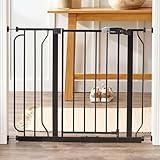
- ✅TESTED & TRUSTED BABY SAFETY GATE FOR OVER 30 YEARS: Parent-trusted safety gate certified by the Baby Safety Alliance.
- ❤️AMERICAN DESIGNED & FAMILY OWNED BABY GATE BRAND: Designed in the USA by parents, for parents. Regalo is a family-owned, US-based brand delivering trusted baby safety gates and child safety products for over 30 years.
- 🔒EXTRA WIDE BABY GATE FOR DOORWAYS & BOTTOM OF STAIRS: Expands to fit openings 29–38.5" wide and stands 30". Ideal for bottom of stairs, hallways, and doorways. FITS OPENINGS: 29–32" no extension, 35.5–38.5" with 6". DOES NOT FIT OPENINGS: 32–35.5".
- EASY SETUP WITH PRESSURE MOUNT DESIGN: ⚠️Install according to manufacturer’s instructions. ⚠️Wall cups must be used to keep the gate securely in place. ⚠️ To prevent falls, never use at the top of stairs.
- 🐾CHILD & PET SAFE | PUERTA DE SEGURIDAD PARA BEBÉS Y MASCOTAS: Walk-through safety gate designed for babies 6–24 months and small to medium pets. Features a secure safety locking system for parent convenience.
A practical safety checklist
- Quiet, child-free retreat prepared before arrival
- Reliable gate, closed door, or other barrier checked by an adult
- Predictable routine with few visitors during the settling-in period
- Shelter or rescue history discussed, without assuming it predicts home behavior
- Veterinary appointment scheduled within a few days to a week
- Two-adult plan or a barrier for the first meeting
- Child calm, still, and not holding food or toys
- Dog free to approach or leave; no forced greeting
- Food, chews, and resting areas protected from children
- Immediate separation at turning away, stiffening, growling, or retreat attempts
- Professional help arranged after guarding, snapping, biting, or repeated fear
Frequently Asked Questions
How long should I wait before introducing my adopted dog to my child?
There is no evidence-based number of days that fits every dog. Give the dog time and space to decompress, then begin only when you can provide a quiet setting, adult control, and a clear retreat. Keep the first meeting brief and repeat only while both remain comfortable.
What if my dog will not approach my child?
Do not lure or carry the dog closer. Remaining at a distance, observing, or choosing to leave can be a successful first session. Preserve that choice and try again later only if the dog stays relaxed.
Can my child pet the dog during the first meeting?
Not automatically. Keep the child still and let the dog approach voluntarily. An adult should model brief, gentle contact only where the dog accepts it, then pause so the dog can leave.
Is a pet gate enough to keep my child safe?
A gate can limit access and support separation, but it is not supervision. Adults must check that it is secure, prevent children from cornering the dog, and use a closed room or another barrier when closer control is needed.
Should I use a crate for the introduction?
A crate is optional. Use it only as a protected resting place the dog accepts; never force the dog inside or let a child approach and trap the dog there. A quiet room or bed behind a barrier can work instead.
What warning signs mean I should stop?
Turning away, stiffening or freezing, growling, and trying to move out of reach are signs to increase distance immediately. Do not punish a growl; separate the child and dog and provide the retreat.
Free tools Windows power users keep installed
One-click scans. No signup required.
When should I call a professional?
Keep the dog and child physically separated and contact a veterinarian and qualified behavior professional after snapping, biting, guarding food or objects, or repeated fear around children. Credentials may include CAAB, Dip ACVB, or CPDT-KA.
Why is a veterinary visit part of the safety plan?
The CDC recommends a newly adopted dog see a veterinarian within a few days to a week. The visit addresses health and pain, and pain can increase the likelihood of defensive biting.
The Bottom Line
Decompression, distance, choice, and continuous adult supervision are the foundation. Let the dog retreat, teach children to respect sleep, food, belongings, and space, and stop immediately at discomfort. Any guarding, snapping, biting, or repeated fear calls for physical separation and professional help.





Leave a Reply