
Some links on this page are affiliate links: if you buy through them we may earn a commission, at no extra cost to you.
Prevent the habit before trying to correct it: put baby toys away, block the dog’s access to the nursery or play area, and supervise every dog-and-baby interaction. Then teach the dog to leave objects alone and release anything it picks up, rewarding a clearly identified dog toy or another approved activity. A child should never retrieve an item from a dog, and any stiffening, growling, snapping, guarding, or other threatening behavior requires immediate separation and professional help.
Why preventing access comes first
Stealing is self-rewarding. When a dog grabs a soft, noisy, or interesting baby toy, it gets an object to carry, chew, chase, or trade for human attention. Each successful grab gives the behavior another rehearsal. Management removes those easy wins while you teach a replacement behavior.
As an Amazon Associate I earn from qualifying purchases.
The Tool Desk
Outbyte Driver Updater FREEScan for outdated or missing drivers - takes under a minuteDriver Scan →Outbyte PC Repair FREEClear out junk files and repair common Windows errorsFree Scan →VCA Animal Hospitals notes that stealing can have different motivations. Instead of assuming the dog is being spiteful or simply demanding attention, watch what happens immediately before and after the grab. Does the dog search for toys when the baby is active, run away when an adult approaches, chew the item, or drop it when offered food? Those details help you choose between better storage, more exercise or enrichment, calmer interaction, and a behavior professional’s help.
Use a simple access plan
- Store baby toys in a lidded bin, cabinet, or closed room whenever they are not being used.
- Keep the nursery, play mat, and changing area behind a closed door or a properly installed baby gate when an adult cannot actively supervise.
- Scan the floor before the dog enters a play area. Babies can leave teethers, rattles, pacifiers, stuffed animals, and small parts in places adults do not notice.
- Give the dog a separate basket of toys that are visibly different from the baby’s toys. Oklahoma State University College of Veterinary Medicine advises that the dog should have safe, appropriate toys while the baby has access only to baby toys.
- Use a barrier, crate, or another comfortable separation area during cleaning, feeding, phone calls, or any task that prevents you from watching both animals.
Management is not a punishment or a sign that training has failed. It is the safety layer that prevents the dog from practicing the unwanted behavior while learning is still underway.
Popular on Amazon

- ✅ TESTED & TRUSTED BABY SAFETY GATE FOR OVER 30 YEARS: Parent-trusted baby safety product certified by the Baby Safety Alliance. Designed to support everyday baby proofing and help keep babies and toddlers safe at home.
- ❤️AMERICAN DESIGNED & FAMILY OWNED BABY GATE BRAND: Designed in the USA by parents, for parents. Regalo delivers dependable baby gates and baby safety products trusted by families for over 30 years.
- 🔒EXTRA WIDE BABY GATE FOR DOORWAYS & BOTTOM OF STAIRS: Expands to fit openings 29–38.5" wide and stands 30" tall. Ideal for bottom of stairs, hallways, and wide openings. FITS OPENINGS: 29–32" no extension, 35.5–38.5" with 6". DOES NOT FIT OPENINGS: 32–35.5".
- EASY SETUP WITH PRESSURE MOUNT DESIGN: ⚠️Install according to manufacturer’s instructions. ⚠️Wall cups must be used to keep the gate securely in place. ⚠️ To prevent falls, never use at the top of stairs.
- 🐾 CHILD & PET SAFE | PUERTA DE SEGURIDAD PARA BEBÉS Y MASCOTAS: Walk-through safety gate designed for babies ⚠️6–24 months and small to medium pets. Features a secure safety locking system for parent convenience.
Supervise the dog and baby as separate responsibilities
Direct supervision means a responsible adult is watching the dog and child closely enough to intervene immediately. UC Davis School of Veterinary Medicine states that a dog should never be left unattended with a young child and recommends separating them with a baby gate when a caregiver needs to focus on the baby. The American Academy of Pediatrics gives the same core rule: never leave a young child alone with an animal.
Do not count a sleeping dog, a baby monitor, or the dog being in the same room as supervision. If you need both hands for the baby, move the dog behind a gate with a suitable chew or favorite dog toy before starting the task.
Do these 3 things before closing this tab:
1Clear out junk files and repair common Windows errors2Fix the driver behind crashes, sound loss and screen glitches3Repair Windows errors before they cause bigger problemsMake the room predictable
- Before bringing the baby into a floor-play area, remove loose baby toys that the dog could reach.
- Place the dog’s own toy, food puzzle, or chew in its designated area.
- Keep a few small treats in a sealed container nearby for rewarding calm choices.
- Watch the dog’s body language while the baby crawls, squeals, or handles toys. End the interaction and create distance if the dog becomes tense, fixated, or difficult to redirect.
Teach “leave it” away from the baby
“Leave it” asks the dog not to approach or take an item. Train it when the dog is calm, using a safe, low-value object—not a baby toy and not an item the dog is likely to guard. VCA recommends building the cue gradually and rewarding the dog for turning away.
Foundation exercise
- Put a boring object on the floor and cover it with your hand or foot.
- Let the dog notice it. The instant the dog stops investigating, looks at you, or moves away, mark the choice with a calm “yes” and give a treat from your other hand.
- Repeat until the dog quickly disengages when you say “leave it.”
- Uncover the object, but be ready to cover it again. Reward only the turn-away, not a lunge or grab.
- Progress to different safe objects, greater distance, mild movement, and brief distractions. Increase one difficulty at a time.
Do not test the cue by placing a tempting baby toy in front of the dog before the response is reliable. Practice in rooms where the baby is absent, then use the cue at a distance during calm family routines. If the dog ignores you, lower the difficulty rather than repeating the cue louder.
Teach “drop” for an item already in the dog’s mouth
“Drop” or “give” is an emergency release skill. It does not mean you should chase the dog or pull an object from its mouth. Start with an uninteresting dog toy and a treat that is more valuable than the toy.
- Offer the dog the toy and let it hold it briefly.
- Place the treat at the dog’s nose and say “drop” once.
- When the dog releases the toy, give the treat and return the toy or offer another dog toy.
- Repeat until the dog releases promptly when the cue is spoken.
- Practice with several dog toys, then with safe household objects that are not valuable to the dog. Keep sessions short and end while the dog is successful.
Returning the toy sometimes prevents the dog from learning that “drop” always ends the game. If the dog runs away, do not chase; move away, use a cheerful voice, and trade from a distance. If the dog stiffens, growls, freezes, or guards the object, stop the exercise and follow the guarding guidance below.
Also popular on Amazon

- Auto-Close Baby Gate: Designed with an intelligent self-closing system, this dog gate automatically swings shut at angle under 90°, providing reliable protection against accidental openings
- Dual-Lock Safety: This baby gate for stairs features a secure dual-lock mechanism, ensuring curious children and pets stay safely contained while allowing adults to open it effortlessly with one hand. Parents can pass through the baby gates for doorways with ease even while carrying groceries or a baby
- Tool-Free Installation: The pressure-mounted dog gate indoor provides a secure hold while protecting your walls or furniture from damage, ideal for renters and hassle-free setups. The dog gates for doorways offer a quick, temporary solution that's both safe and convenient. The attached sticky pads are provided to keep the wall cups in place, so you don't need to drill
- Stroller-Friendly Baby Gate for Stairs: Features an anti-stumble pedal, ensuring a seamless transition between the pet gate and the floor. This design reduces the risk of tripping and allows strollers to roll through the child gate effortlessly, making the pressure mounted baby gate ideal for families with elderly members and young children
- Adjustable Pet Gate Indoor: With an adjustable width from 29 to 40 inches, the baby gate with door fits most standard doorways and stair openings, creating a safety environment for your little ones and furry friends while giving you peace of mind. Please measure the width of the openings you want to place the child gate before installation
Make the dog’s toys the better choice
Redirection works when the alternative is genuinely appealing and available before the dog grabs a baby item. Keep dog toys in several rooms, especially near the nursery entrance and the baby’s usual play area. When the dog investigates a baby supply, calmly call it away, present one of its toys, and praise the choice to engage with that toy. ASPCA guidance recommends introducing baby supplies gradually under supervision and redirecting a dog that picks one up.
Keep toy categories unmistakable
- Choose dog toys with a distinct texture, shape, and color from the baby’s rattles, plush toys, and teethers.
- Do not use discarded baby toys as dog toys. A dog cannot learn a rule based on which identical-looking object is currently “allowed.”
- Inspect dog toys regularly. Remove items with torn seams, loose pieces, or damage that could be swallowed.
- Match the toy to the dog’s size and chewing style. VCA’s enrichment guidance says a toy should be large enough not to be swallowed and should be introduced with supervision.
Reward the dog for choosing its own toy even when no baby toy is present. That builds a habit of carrying and chewing approved items rather than making rewards dependent on a theft.
Use enrichment without creating a guarding problem
A food puzzle, stuffed feeder, or supervised chew can occupy the dog during a baby’s quiet time, but enrichment is an additional activity—not a substitute for storage, barriers, or direct supervision. VCA advises selecting an appropriately sized, durable item, watching the dog initially, and discontinuing it if the dog can break off or swallow pieces.
Set up enrichment safely
- Choose an item designed for dogs and sized for the individual dog; avoid anything small enough to fit fully in the mouth.
- Offer it in the dog’s own area, away from the baby’s blanket, high chair, and play space.
- Observe the first sessions for frantic chewing, attempts to break the item, or guarding.
- Collect the item only after the dog has finished and moved away, or trade calmly for a treat if it must be removed.
Never give the dog a high-value chew beside a crawling child. The child may approach unexpectedly, and the dog may feel pressure to protect the item.
Crashes, No Sound, or Screen Glitches?
Random freezes, missing sound and display glitches usually trace back to one bad driver. Find and replace yours safely.Free scan · under a minutePC Slower Than It Used to Be?
A free scan shows the junk files, broken settings and background clutter dragging Windows down - then fixes them in one click.Free scan · Windows 10 & 11What to do when the dog steals a baby toy
Stay calm and prevent a chase. Chasing can turn the incident into a rewarding game and can make the dog swallow the item faster.
- Move the baby behind a barrier or have another adult take the baby to a safe location.
- Assess the object. If it is small, sharp, damaged, or likely to cause choking or intestinal blockage, contact a veterinarian promptly for advice rather than guessing whether it will pass.
- If the dog is relaxed, use the practiced “drop” cue and offer a high-value treat or an approved dog toy. Keep your hands and the baby away from the dog’s mouth.
- Once the dog releases the object, calmly remove the baby toy and reward the dog away from the baby.
- Record what happened: location, object, time, what the dog did before and after, and what successfully ended the incident. Use that information to improve storage and training.
Do not pry open the dog’s mouth, punish, yell, or corner the dog. If the dog will not release the item or shows tension, create distance and contact a veterinary professional for guidance.
Also popular on Amazon

- [Worry-Free Safety]: Our expandable dog gate is great for doorways and blocking off other indoor spaces to keep your pet safe and secure. This durable puppy gate is made of strong, appealing fieldstone gray plastic with adorable paw print accents.
- [Convenient and Portable]: This gate for dogs is 23" tall, fits a variety of openings 26" - 40" wide. Please measure carefully: it will not work in a wider doorway. It is easy to take down and install - which means you can use it anywhere you need it!
- [Perfect for Modern Homes]: Our portable, adjustable pet gate features rubber bumpers that protect your walls and are positioned higher than other gates to accommodate up to 4" molding. It's an ideal indoor dog gate.
- [Easy and Comfortable to Use]: The sturdy, curved handle allows for a firm grip, which makes mounting and disassembling a breeze!
- [Proud USA-Owned Company]: Our rigorously tested gates & yards bring peace of mind to your family. We stand for the highest safety & quality standards while creating the ideal products for your furry friends. This item is proudly made in the USA!
Recognize resource guarding and aggression
Guarding can include freezing over the object, lowering the head, hard staring, lip lifting, growling, snarling, snapping, or biting when a person approaches. These signs are different from a dog that cheerfully drops a toy during a trade.
If any guarding or aggression appears around a baby, separate dog and child immediately and keep them apart until a veterinarian and a qualified behavior professional have assessed the situation. ASPCA advises prompt separation and professional help for aggression around a baby; UC Davis likewise recommends separation and veterinary contact for unusual or unwanted behavior.
Recommended Free Tools
Why punishment is dangerous
Do not punish a growl. ASPCA warns that suppressing warning signals can remove the visible cue without changing the dog’s discomfort, potentially making a later bite less predictable. Punishment can also worsen the dog’s association with the child or with people approaching valued objects. Use physical separation and professional treatment instead.
A child must never be asked to take a toy, bone, chew, or food from a dog. The American Academy of Pediatrics specifically advises that children should not remove a toy or bone from a dog.
Choose the right response for the pattern you observe
| What you observe | Most useful first response | What to avoid |
|---|---|---|
| The dog grabs toys when the baby is playing, then runs happily away. | Remove access, keep dog toys nearby, practice “leave it” and “drop” away from the baby, and reward calm redirection. | Chasing, shouting, or turning every grab into a high-energy game. |
| The dog searches for baby items after adults react dramatically. | Make access boring through storage and barriers; reward quiet choices and give planned attention at other times. | Repeatedly scolding after each theft, which can add attention to the behavior. |
| The dog chews or swallows pieces. | Secure small and damaged toys, use barriers, and ask a veterinarian about any swallowed item. | Waiting for symptoms after a potentially dangerous ingestion. |
| The dog freezes, stiffens, growls, snaps, or guards. | Separate dog and baby and arrange veterinary and qualified behavior help. | Taking the object by force, testing the dog, or punishing warnings. |
| The dog cannot disengage even with distance and treats. | Stop the session, increase separation, and get individualized professional advice. | Escalating commands or allowing the baby closer. |
There is no controlled comparison showing that one gate style, cue, or toy prevents stealing better for every dog. The appropriate combination depends on the home’s layout, the dog’s motivation, the child’s mobility, and whether guarding is present.
Arrange the household for fewer mistakes
Storage and barriers
Use one closed container for baby toys and another for dog toys. Put the baby-toy container where the dog cannot nose it open. A closed nursery door is the most reliable boundary; a correctly installed baby gate is useful when adults need visual access while preventing the dog from entering. Check that the dog cannot push under, jump over, or dislodge the barrier.
What’s actually slowing this PC down?
Pick the symptom - the matching free tool is one click away.
Also popular on Amazon
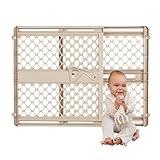
- PROVIDES PEACE OF MIND - The kids gate creates a secure barrier to help prevent access to stairs, bathrooms, kitchens, and other off-limit areas, so your little one can safely explore.
- ADJUSTABLE SAFETY GATE - This plastic child safety gate is adjustable, fits openings 26 to 42 inches wide, and is 26 inches tall. It is designed to be difficult for kids to climb. Our baby gate is perfect for stairs, doorways, hallways, and more.
- EASY TO INSTALL - Two installation options, pressure-mounted baby gate for a quick setup or hardware-mounted for use as a stairway safety gate that swings open. All necessary hardware is included. For stairway use, hardware mounting is required.
- COMFORTABLE HANDLE - Our baby gate for doorways features an ergonomic, easy-press handle that allows smooth opening and secure locking in seconds, even with one hand.
- MADE IN USA - Our JPMA-certified baby gate brings peace of mind to the entire family. We stand for the highest safety, quality, and operational standards while creating the ideal collection of products for babies ages 6-24 months. Proudly made in the USA!
Caregiver handoffs
Agree on one routine for transitions. Before an adult picks up the baby, opens the nursery, or starts feeding, the dog goes to its mat, behind the gate, or into another comfortable area with an approved activity. Consistency matters because a single unsupervised opportunity can restart the pattern.
Visitors and older children
Tell visitors not to tease the dog with baby toys and not to retrieve objects from its mouth. Older children can help place toys in the storage bin, but an adult should handle any item the dog has taken and should supervise all interactions.
Independent reader supportYour contribution helps us test, update, and keep practical guides available for everyone.A practical two-week training routine
The schedule below combines prevention with short skills sessions. Adjust the pace if the dog becomes frustrated or overexcited.
- Days 1–2: remove opportunities. Install or check gates, close storage containers, and identify a separation area. Keep baby toys off the floor between uses.
- Days 3–4: build “leave it.” Practice several one- to two-minute sessions with low-value objects in a room without the baby. Reward the instant the dog turns away.
- Days 5–6: build “drop.” Trade a dog toy for a treat, return the toy, and stop if the dog shows tension.
- Days 7–9: add mild distractions. Practice while a family member walks through the room or handles a baby supply at a distance. Keep the baby elsewhere.
- Days 10–12: rehearse calm family routines. Place the dog behind a gate with an approved activity while an adult handles feeding, changing, or floor play.
- Days 13–14: supervised proximity. With the baby present and an adult fully attentive, reward the dog for settling and choosing its own toy. End before the dog becomes fixated.
If a theft occurs, return to the previous successful difficulty level. Training should make the correct choice easy; it should not require the dog to withstand a temptation it has not learned to ignore.
Quick wins for a faster PC:
Scan for outdated or missing drivers - takes under a minuteDriver Scan →Clear out junk files and repair common Windows errorsFree Scan →When veterinary help is appropriate
Contact a veterinarian if the dog may have swallowed part of a toy, if behavior changes suddenly, or if stealing is accompanied by unusual anxiety, pain, irritability, or confusion. A veterinarian can look for medical contributors and refer you to a qualified behavior professional when needed.
Seek behavior help promptly for guarding, lunging, snapping, bites, repeated fixation on the baby, or failure to remain safely separated. Ask about the professional’s veterinary or recognized behavior credentials, experience with dogs and infants, and use of reward-based methods. Until the appointment, maintain physical separation and do not conduct do-it-yourself guarding tests.
Also popular on Amazon

- WORRY FREE SAFETY: Our expandable dog gate is great for doorways and blocking off other indoor spaces to keep your pet safe and secure. This durable puppy gate is made of strong, appealing light gray plastic with adorable paw print accents.
- CONVENIENT AND PORTABLE: This gate for dogs is 23" tall, fits a variety of openings 26" - 40" wide. Please measure carefully: it will not work in a wider doorway. It is easy to take down and install - which means you can use it anywhere you need it!
- PERFECT FOR MODERN HOMES: Our portable, adjustable pet gate features rubber bumpers that protect your walls and are positioned higher than other gates to accommodate up to 4" molding. It's an ideal indoor dog gate.
- EASY AND COMFORTABLE TO USE: The sturdy, curved handle allows for a firm grip, which makes mounting and disassembling a breeze!
- PROUDLY MADE IN THE USA: Our rigorously tested gates, yards & pens bring peace of mind to the entire family. We stand for the highest safety, quality and operational standards while creating the ideal collection of products for your furry friends. This item is proudly made in the USA!
Bottom line
Keep baby toys inaccessible, separate dog and child whenever direct supervision is not possible, and make the dog’s own toys rewarding and easy to choose. Train “leave it” and “drop” in calm settings, then use those skills only as part of the management plan. A child should never take an object from a dog. Any guarding or aggression changes this from a training nuisance into a safety issue requiring separation, veterinary input, and qualified behavior support.
Frequently Asked Questions
Should I let my dog play with one old baby toy so it learns the difference?
No. Identical or similar objects make the rule harder to understand. Keep baby toys and dog toys separate and visibly distinct, and provide only dog-designated items for the dog.
Is a baby gate enough to keep my dog safe around the baby?
A gate is a management tool, not supervision. Use a properly installed gate to block access when you cannot actively watch both, and check that your dog cannot push, jump, or climb over it.
What if my dog swallows part of a toy?
Call your veterinarian promptly with the toy’s material, approximate size, and the time of ingestion. Do not wait for symptoms or induce vomiting unless a veterinarian specifically directs you.
Can treats make my dog more interested in stealing?
Reward the dog after it turns away or releases an item, then remove the baby toy. Do not give treats for grabbing, chasing, or guarding, and keep high-value rewards away from the child.
How long will it take to stop the behavior?
The timeline varies with the dog, household routine, and presence of guarding. Management should begin immediately; continue short, successful training sessions and seek professional guidance if progress stalls or safety concerns appear.





Leave a Reply