
Quick wins for a faster PC:
Repair Windows errors before they cause bigger problemsFix Now →Scan for outdated or missing drivers - takes under a minuteDriver Scan →Some links on this page are affiliate links: if you buy through them we may earn a commission, at no extra cost to you.
There is no single temperature that makes every dog unsafe. A Chihuahua with a thin coat, an underweight senior dog, and a healthy, acclimated double-coated dog can experience the same fall evening very differently. Plan around your dog’s size, coat, age, health, body condition, acclimation, the wind and dampness, and how long you will be outside.
For most dogs, comfort comes from a warm, dry indoor resting place, shorter outings when conditions are harsh, an optional well-fitting sweater or coat for dogs that need extra insulation, and careful paw cleanup afterward. If your dog begins showing cold-discomfort behavior, end the outing and move them somewhere warm and dry. Suspected frostbite or hypothermia requires immediate veterinary assessment.
As an Amazon Associate I earn from qualifying purchases.
Why the same fall evening feels different to different dogs
Cold tolerance is individual rather than a thermometer-only decision. A dog loses heat faster when its body is small, its coat is short or sparse, its body condition is low, or its health limits circulation or energy use. Age matters too: puppies may not regulate temperature as reliably, while older dogs may have less body fat, muscle, or mobility. Dogs that live mostly indoors may also be less acclimated than dogs regularly exposed to cooler weather.
Weather changes the risk beyond the air temperature. Wind strips away the insulating layer of warm air around the coat. Rain, wet grass, melting snow, and puddles conduct heat away from the body, and ice can make a short walk more physically demanding. Time matters: a dog may be comfortable for a quick bathroom break but not for a long, stationary outing.
Popular on Amazon
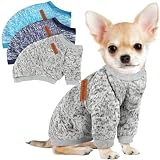
- Warm & Soft Dog Sweaters: Made of 100% polyester, breathable, soft, skin-friendly and warm. The dog sweaters for small dogs has better moisture absorption, breathability, and durability, which keeps your boys girls feeling comfortable and warm all winter long. With strong elasticity and super stretchy, it is easy to put on and take off
- Suitable Size to Choose: These puppy sweaters have 5 sizes to choose from, from XS to XL, suitable for puppies, kittens, cats, small medium dogs. Various styles and colors. Please check the size chart by measuring chest, back length, and neck before purchasing. Follow the chest girth in priority. Please size up if between size
- Eye-Catching Design: Our dog clothes for small dogs come in a variety of colors to choose from, classic simple patterns, warm designs, suitable for various occasions. Add some fashion vibe to your dogs and make your boys and girls stand out in the crowds
- Wide Applications: These pet clothes is suitable for your boys girls to wear on many occasions,like daily life, walking, running, camping, wedding, shopping, travelling, birthday parties, Christmas Party and cold weather
- Buy With Confidence: Our dog sweaters for small dogs is backed by a Satisified Guarantee, your satisfaction is our priority. For any reason if the product miss the expectation, please feel free to contact us and we will dedicate to solve for you
| Factor | Why it matters | Practical adjustment |
|---|---|---|
| Size | Small dogs have more surface area relative to body mass and can cool quickly. | Use shorter trips and watch closely; a layer may help. |
| Coat | Thin, short, clipped, or hairless coats provide less insulation than dense coats. | Consider a comfortable sweater or coat in cool, windy, or damp weather. |
| Age | Puppies and older dogs may regulate heat less effectively. | Keep outings brief and provide a warm indoor retreat. |
| Health and body condition | Illness, low weight, and reduced mobility can lower cold tolerance. | Ask your veterinarian for individualized advice and avoid prolonged exposure. |
| Acclimation | A dog accustomed to warm indoor conditions may chill sooner than one gradually adapted to cool weather. | Increase exposure gradually rather than assuming a previous routine still fits. |
| Wind and wetness | Both accelerate heat loss, even when the air does not feel extremely cold. | Choose sheltered routes, add a weather-appropriate outer layer, and dry the dog promptly. |
| Exposure time | Heat loss accumulates during a long walk or time spent standing still. | Shorten the outing and return indoors before discomfort begins. |
These factors work together. A small, thin-coated dog in wet wind needs a more conservative plan than a large, healthy dog with a dense coat on a dry, calm evening.
Make home the warm fallback
Set up a dry resting place before the evening cools. Put the bed or crate away from open doors, drafty windows, and cold floors. A thick, dry blanket or bed helps insulate the dog from the floor; keep the bedding clean and replace it if it becomes damp. The dog should be able to move away from any heat source rather than being confined directly beside a heater, fireplace, or radiator.
Keep the dog indoors when outdoor conditions are too cold for that individual. Outdoor shelter does not remove the risks of wind, dampness, ice, or prolonged exposure, and a dog that is already cold needs a warm, dry environment rather than more time outside.
Prepare a simple return-home routine
- Keep a towel near the door for wet fur and muddy legs.
- Have a shallow bowl of clean water available after activity.
- Use a washable mat to catch melting snow, rain, and de-icer residue.
- Keep a flashlight so you can inspect paws and fur in the dark.
Do not rely on a blanket or indoor heat to justify extending an outing. The safest plan is to prevent excessive chilling in the first place.
Also popular on Amazon

- WARM ENOUGH FOR EVERYDAY WINTER WALKS - A soft fleece lining inside a 4-way stretch shell makes this an everyday warm layer for cool and cold walks. For deep freezes, choose a lined winter coat or jacket and wear this hoodie underneath
- WHAT SIZE TO ORDER - Eight sizes from Small to 5XL, with a fit for a small puppy, a medium dog and a large or XL dog. Most of our buyers pick Large and up. Measure chest girth, check the size chart in the images and size up if between two
- BUTTERY-SOFT FEEL - Our butter-stretch blend of 67% polyester, 30% cotton and 3% spandex feels smooth on the coat and moves with your dog. A dog sweatshirt and a dog sweater in one, soft enough for all-day wear at home or out
- BUILT FOR BROAD CHESTS - Fit tested on a wide range of dogs and cut with room for broad chests like the French Bulldog, frenchie, pitbull, English bulldog and Labrador. Made to fit a girl or boy dog, female or male, without restricting movement
- MADE FOR DAILY WEAR - Durable butter-stretch fabric with 4-way stretch gives with every move on walks, runs and play. Quality dog clothes designed to be worn every day of the cold season, not saved for photos
Does your dog need a sweater or coat?
Clothing is an optional aid, not a universal requirement. Cornell University College of Veterinary Medicine, VCA Animal Hospitals, and the ASPCA all identify clothing as useful for some dogs, particularly small, older, short-haired, thin-coated, or otherwise cold-sensitive dogs. A coat can be especially helpful when rain, snow, or wind makes the dog wet or exposed.
| Dog or condition | When an extra layer may help | What to check |
|---|---|---|
| Small or toy-sized dog | Cool, windy, or damp evenings; brief walks may still be preferable. | The garment must not restrict shoulder movement, breathing, toileting, or vision. |
| Short-haired, hairless, or recently clipped dog | Most cool-weather outings, especially in wind or rain. | Choose coverage appropriate to the weather; keep the fabric dry. |
| Older, underweight, or medically vulnerable dog | When your veterinarian agrees that added insulation is appropriate. | Check for pressure over joints, surgical areas, or sensitive skin. |
| Dense-coated, healthy dog | Often unnecessary for a brief, dry walk, though individual preference and conditions still matter. | Watch for overheating, rubbing, or a change in gait. |
Fit and introduction
- Choose a garment sized for your dog’s chest, neck, and back rather than relying only on breed labels.
- Try it indoors for a few minutes while the dog is calm. Reward relaxed behavior.
- Check that the dog can walk, sit, lie down, turn, breathe normally, and eliminate without obstruction.
- Inspect the skin and fur after removal for rubbing, dampness, or tangled hair.
- Keep the garment clean and completely dry between uses.
Remove clothing if the dog struggles, freezes, chews at it, overheats, or cannot move naturally. Never treat a sweater or coat as a guarantee of safety; it does not prevent cold injury during prolonged exposure.
Do these 3 things before closing this tab:
1Repair Windows errors before they cause bigger problems2Fix the driver behind crashes, sound loss and screen glitches3Clear out junk files and repair common Windows errorsPlan a safer chilly-evening outing
Use the least demanding route and schedule that meets your dog’s needs. A bathroom break may be enough on a wet, windy evening, while a dry, calm evening may allow a somewhat longer walk for a comfortable dog. Let behavior, weather, and the individual dog determine the duration rather than following a fixed minute count.
Before leaving
- Check whether the route is wet, icy, windy, or treated with salt or de-icer.
- Decide whether your dog needs a sweater or coat based on size, coat, age, health, acclimation, and conditions.
- Bring a towel and plan where you will inspect and clean the paws afterward.
- Choose a route with shelter and an easy way home if the dog becomes uncomfortable.
During the walk
Keep the dog moving at a comfortable pace instead of standing outside for long periods. Avoid unnecessary puddles, slush, and heavily treated surfaces when possible. Check the dog’s posture and willingness to continue. A dog that repeatedly stops, lifts a paw, or tries to turn back is giving you useful information; do not coax the dog into extending the walk.
Also popular on Amazon

- Warm & Soft Dog Sweaters: Made of 100% polyester, breathable, soft, skin-friendly and warm. The dog sweaters for small dogs has better moisture absorption, breathability, and durability, which keeps your boys girls feeling comfortable and warm all winter long. With strong elasticity and super stretchy, it is easy to put on and take off
- Suitable Size to Choose: These puppy sweaters have 5 sizes to choose from, from XS to XL, suitable for puppies, kittens, cats, small medium dogs. Various styles and colors. Please check the size chart by measuring chest, back length, and neck before purchasing. Follow the chest girth in priority. Please size up if between size
- Eye-Catching Design: Our dog clothes for small dogs come in a variety of colors to choose from, classic simple patterns, warm designs, suitable for various occasions. Add some fashion vibe to your dogs and make your boys and girls stand out in the crowds
- Wide Applications: These pet clothes is suitable for your boys girls to wear on many occasions,like daily life, walking, running, camping, wedding, shopping, travelling, birthday parties, Christmas Party and cold weather
- Buy With Confidence: Our dog sweaters for small dogs is backed by a Satisified Guarantee, your satisfaction is our priority. For any reason if the product miss the expectation, please feel free to contact us and we will dedicate to solve for you
Leash control is particularly important around frozen ponds, black ice, and snow-covered hazards. Cold weather can conceal sharp debris or make footing unstable. Choose traction and visibility over distance.
When the outing ends
Return indoors as soon as the dog’s comfort declines. Remove a wet coat promptly, dry the body and legs thoroughly, and begin the paw-cleaning routine below. Warm the dog gradually in a normal indoor environment; avoid placing chilled skin directly against a heating pad, hot-water bottle, or other intense heat source.
Recommended Free Tools
Signs your dog is too cold
Cornell University College of Veterinary Medicine identifies several behavior and posture changes that should end an outing:
- Shivering or trembling
- Whining or other signs of distress
- A tucked tail or hunched posture
- Lifting one or more paws
- Reluctance to walk or repeated attempts to stop
- Sudden anxiety or an unusual change in behavior
These signs are a practical threshold: move the dog to a warm, dry place rather than waiting for a particular thermometer reading. If the dog does not recover promptly indoors, seems weak or confused, has abnormal breathing, or you suspect a cold injury, contact a veterinarian immediately.
Also popular on Amazon

- Paiaite - Playful Attire, Inspired by Adorable Tails Everywhere!
- Sizes: The shirt is available in different sizes to fit small to medium-sized dogs. Be sure to measure your dog's chest and neck girth before purchasing to ensure the best fit. The size chart can help guide you in choosing the right size for your pup.
- Versatility: The shirt can be worn all year round. During colder months, they can be used as a sweatshirt to keep your dog warm and cozy. During warmer months, they can be worn as standalone apparel to keep your dog cool and comfortable.
- Easy to Wear: The sleeveless design and stretchable material make it easy to put on and take off these shirts. This is especially helpful for pet owners who may have trouble dressing up their dogs due to wriggling or squirming.
- Cleaning: The shirt is easy to clean and maintain. They can be washed by hand or machine washed on a gentle cycle. Always use mild detergent and avoid using bleach or fabric softener to prevent damage to the material.
Protect paws from ice, salt, and de-icers
Winter and fall treatments can irritate paw pads. Salt and de-icing products may also cause harm if a dog licks residue from its feet. Snow and ice can collect between the toes, creating painful clumps and keeping the paws wet.
Use protection when it suits the dog
Booties can reduce contact with salt, ice, and rough surfaces when the dog accepts them and they fit securely. A suitable paw protectant may help in some settings, but neither option replaces inspection and cleaning. Introduce booties indoors gradually, one or two at a time, and stop if they cause rubbing or change the dog’s gait.
The Tool Desk
Outbyte PC Repair FREEClear out junk files and repair common Windows errorsFree Scan →Outbyte Driver Updater FREEFix the driver behind crashes, sound loss and screen glitchesFind Drivers →Clean paws after every treated or snowy walk
- Bring the dog onto a washable mat or towel.
- Inspect each paw, including between the toes and around the pads.
- Remove snow or ice accumulation gently; do not pull forcefully on stuck clumps.
- Wipe or rinse away salt and de-icer residue with clean water.
- Dry thoroughly, including between the toes.
- Wash your hands and the towel if it carries chemical residue.
Call your veterinarian or a pet poison service for advice if you think the dog has swallowed de-icer or develops persistent paw irritation, vomiting, drooling, or other illness after exposure.
Independent reader supportYour contribution helps us test, update, and keep practical guides available for everyone.Adjust the plan for vulnerable dogs
Puppies
Young dogs can become distracted and fail to signal discomfort. Keep their first cool-weather outings short, supervise continuously, and provide frequent indoor warm-up opportunities. Increase duration only when the puppy remains comfortable and dry.
Also popular on Amazon

- Versatility: Suitable for year-round wear, this shirt easily adapts to every season. In colder weather, it functions as a cozy sweatshirt to keep your dog warm and snug. In warmer months, it can be worn on its own, providing a light and breathable feel to keep your dog comfortable.
- Suitable Size to Choose: These puppy clothes have 5 sizes to choose from, from XS to XL, which is available in different sizes to fit small to medium-sized dogs. Various styles and colors. Please check the size chart by measuring chest, back length, and neck before purchasing. Follow the chest girth in priority. Please size up if between size
- Eye-Catching Design: Our dog clothes for small dogs come in a variety of colors to choose from, classic simple patterns, warm designs, suitable for various occasions. Add some fashion vibe to your dogs and make your boys and girls stand out in the crowds
- Wide Applications: These pet clothes is suitable for your boys girls to wear on many occasions,like daily life, walking, running, camping, wedding, shopping, travelling, birthday parties, Christmas Party and cold weather
- Buy With Confidence: Our dog shirts for small dogs is backed by a Satisified Guarantee, your satisfaction is our priority. For any reason if the product miss the expectation, please feel free to contact us and we will dedicate to solve for you
Older or medically vulnerable dogs
Arthritis, weakness, low body weight, and other health problems can make cold and slippery surfaces harder to tolerate. Choose level, well-lit routes, reduce time outside, and ask your veterinarian whether a coat or paw protection is appropriate for the dog’s condition.
Thin-coated or recently groomed dogs
A clipped coat may provide less insulation than usual. Use a shorter route, avoid wet weather when possible, and consider a comfortable layer that covers the trunk without restricting movement.
PC Slower Than It Used to Be?
A free scan shows the junk files, broken settings and background clutter dragging Windows down - then fixes them in one click.Free scan · Windows 10 & 11Outdated Drivers Are Slowing You Down
One free scan finds every outdated or missing driver and matches the right update for your exact hardware.Free scan · exact hardware matchDogs moving from a warm climate or indoor routine
Acclimation takes time. Start with brief exposure in mild conditions and watch the dog closely rather than assuming a cold-weather routine from another season or location still applies.
Common mistakes to avoid
- Using one temperature cutoff for every dog: individual tolerance and weather conditions vary too much for a universal rule.
- Assuming a thick coat makes a dog invulnerable: wind, wetness, age, illness, and long exposure can still cause discomfort or injury.
- Leaving clothing on without supervision: a garment can rub, snag, restrict movement, or become wet.
- Extending the walk to “wear the dog out”: physical activity does not cancel the effects of cold, wind, or dampness.
- Skipping paw cleanup: residue and ice can remain after the dog comes indoors and may be swallowed during grooming.
- Warming chilled skin aggressively: intense direct heat can injure tissue; use a normal warm room and seek veterinary advice when signs persist.
When cold exposure is an emergency
Prolonged cold exposure can cause frostbite or life-threatening hypothermia. Cornell advises immediate veterinary assessment when either is suspected. Move the dog indoors, keep the body dry, and contact a veterinary clinic rather than attempting to diagnose the injury at home. Do not massage numb or discolored areas, apply direct high heat, or delay care while waiting for the dog to improve.
For routine fall evenings, the most reliable approach is individualized: keep the dog dry and indoors when conditions demand it, make outdoor time brief enough for that dog, add clothing only when it improves comfort and mobility, and clean the paws before settling in for the night.





Leave a Reply