
Recommended Free Tools
Some links on this page are affiliate links: if you buy through them we may earn a commission, at no extra cost to you.
The most reliable way to reduce mountain-lion risk is a layered plan: place vulnerable livestock in sturdy, covered housing at night when practical; use secure enclosures or appropriately designed fencing as the durable foundation; remove carcasses and other attractants; and add guardian animals, range riding or temporary deterrents where they fit your operation. No single scare device or animal guarantees safety. California and Montana wildlife agencies, along with USDA APHIS, recommend combining husbandry, exclusion and locally informed nonlethal methods.
After a suspected loss, protect surviving animals, document what happened, report it promptly to the relevant wildlife agency and ask for an identification visit and prevention advice. Rules for permits or other action are state-specific. The steps below show how to build a plan without assuming that a California rule, a Montana grant or one fence design applies everywhere.
As an Amazon Associate I earn from qualifying purchases.
Quick wins for a faster PC:
Fix the driver behind crashes, sound loss and screen glitchesFind Drivers →Clear out junk files and repair common Windows errorsFree Scan →Scan for outdated or missing drivers - takes under a minuteDriver Scan →Start with the measures that physically separate livestock from a lion
Move vulnerable animals into secure housing at night
When animals can be moved, use a sturdy covered shelter, enclosed shed or barn at night. California Department of Fish and Wildlife (CDFW) and Montana Fish, Wildlife & Parks both identify night housing and secured outbuildings as core precautions. Doors, gates and other openings should be closed so an animal cannot simply enter the building or push through a weak section. A properly enclosed night pen can be a practical version of the same approach for a small operation.
This is most useful for young, small or otherwise vulnerable livestock that can be gathered without creating a handling hazard. A large grazing operation may not be able to bring every animal in each evening; in that case, use night housing for the animals you can handle and apply pasture-scale measures to the rest. USDA APHIS describes husbandry and habitat changes as part of an integrated predator-management approach rather than a universal prescription for every ranch.
Popular on Amazon

- CONTAIN LIVESTOCK: Use this AC electric fence charger to energize up to 10 miles of electric fencing in ideal conditions (no weeds) and up to 1 mile (heavy weed conditions). Delivers 0.5 joules output with up to 10,500 volts to effectively contain cattle, horses, pigs, and goats
- MAINTAIN PERFORMANCE: Power through heavy vegetation as the low impedance design helps maintain effective electric fence performance even when weeds contact your wire fencing system
- VERSATILE FENCING: Compatible with all electric fence wire types including high tensile, polywire, and polytape, this fence energizer is ideal for farm fence applications and livestock containment projects
- USE YEAR-ROUND: Protect circuitry from weather extremes with the heavy-duty cabinet and moisture-resistant internal components, while the electric fence indicator light shows fence status for reliable electric fencing operation year-round
- MADE IN THE USA: Each Zareba electric fence charger is manufactured in the USA, designed to help keep out pests or predators while securing your livestock investment. Utilize this charger alongside Zareba electric fence wire and insulators to complete your electric fence project
Make exclusion the durable core
CDFW distinguishes exclusion from deterrence. An enclosed shed, secure pen or well-planned perimeter fence physically blocks access. A light, noise device or other deterrent merely discourages approach and may lose effect. Build the plan around the strongest exclusion that your livestock, terrain and daily handling routine can support, then use deterrents and human presence to reinforce it.
CDFW lists exclusion fencing and permanent electric fencing among possible options, while USDA APHIS includes electric fencing in its nonlethal work. The agencies do not publish one universal height, wire spacing, energizer rating or layout that fits every species and landscape. A useful design depends on the animals being contained, the existing fence, slopes, vegetation, gates, power availability and local predator pressure. Ask a wildlife specialist, livestock-extension professional or experienced fence installer to evaluate those conditions before you buy equipment.
Remove carcasses and other attractants
Remove dead livestock where feasible and manage disposal areas so carcasses do not remain accessible. CDFW explicitly includes carcass removal in its prevention recommendations. This step reduces an attractant but does not replace secure housing or exclusion. Include fallen animals, discarded meat and any place where carcasses are temporarily held in your routine inspection of the ranch.
Build an integrated plan for your operation
USDA APHIS describes integrated approaches that can combine husbandry and habitat changes with several nonlethal tools. Its initiative names range riding, fladry, guard dogs and electric fencing as methods being used and evaluated. That list does not mean every method works equally well against mountain lions in every setting. Treat each as a component to test and maintain within a broader plan.
1. Map where animals and risk meet
List each livestock group, where it spends the night, which groups can be moved, and where pasture borders brush, broken ground or other cover. Mark gates, corners, water points, calving or lambing areas, carcass-disposal locations and any place where a fence is difficult to inspect. This inventory tells you where a secure night pen will have the greatest value and where a pasture barrier or regular human presence is more realistic.
Separate the animals that need the highest level of protection from those that can remain on range. Young stock, injured animals and animals that cannot flee or be gathered easily may justify a closer enclosure or more frequent supervision. The agencies’ guidance supports tailoring rather than applying one device uniformly across an entire property.
Do these 3 things before closing this tab:
1Scan for outdated or missing drivers - takes under a minute2Clear out junk files and repair common Windows errors3Fix the driver behind crashes, sound loss and screen glitches2. Establish a night-security routine
- Choose the housing area. Use a sturdy covered shelter, enclosed shed, barn or properly enclosed night pen that matches the number and species of animals you can safely handle.
- Secure every opening. Close and check doors, gates and outbuildings before animals are left unattended. Repair weak sections instead of assuming a deterrent will cover the gap.
- Gather the priority animals first. If the whole herd or flock cannot be moved, protect the most vulnerable group and apply pasture measures to the remainder.
- Keep the routine consistent. A plan that depends on bringing animals in is only useful when the handling, access and staffing required are practical every night.
For a large grazing operation, discuss alternatives with local wildlife or livestock-extension specialists. A specialist can help determine whether a smaller protected night area, strategic fencing or range riding can reduce exposure without creating unsafe handling conditions.
3. Select fencing for the actual site
Use exclusion fencing where it can create a meaningful barrier around livestock or a night area. Consider permanent electric fencing when a powered barrier is appropriate, and include compatible components such as posts, conductors, gates and an energizer sized for the finished installation. The official sources support electric fencing as a possible measure but do not endorse a brand, model, wattage or universal kit.
Also popular on Amazon
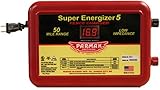
- 4 Low impedance 110/120 volt 50 mile range electric fence controller S.E. 5
- Equipped with a built-in digital performance meter, which tells you the exact condition of fence; shocks through wet weeds and brush
- Over 8,000 volts of holding power with 500 OHM load.
- New color coded fence and ground terminals; red to the fence and black to ground; controls both predators and livestock, including sheep and goats
- Charges over 50 miles of fence – 6.3+ Joules
Before installation, evaluate whether vegetation will short the fence, whether snow, flooding or steep slopes will interrupt it, and how you will reach every gate and corner for inspection. Plan a maintenance route and a way to keep the fence functioning when livestock, weather or vegetation change. A fence that is difficult to inspect can create a false sense of security.
Use local advice for the final design. Terrain, livestock species, existing fences and predator pressure vary too much for a generic online specification to be reliable. If the proposed barrier cannot be kept closed, powered and maintained, combine it with a secure night area or other measures instead of treating it as a complete solution.
PC Slower Than It Used to Be?
A free scan shows the junk files, broken settings and background clutter dragging Windows down - then fixes them in one click.Free scan · Windows 10 & 11Crashes, No Sound, or Screen Glitches?
Random freezes, missing sound and display glitches usually trace back to one bad driver. Find and replace yours safely.Free scan · under a minute4. Evaluate livestock guardian animals
CDFW lists livestock guardian dogs and other livestock guardian animals as possible preventive measures. USDA APHIS also names guard dogs in its nonlethal initiative. A guardian animal must be matched to the livestock, fencing, climate, working area and your ability to provide training, food, veterinary care and supervision.
Do not assume that owning a dog or another guardian animal will prevent every attack. Introduce and manage the animal so it remains with the stock, does not create a separate livestock problem and can be checked regularly. Local livestock specialists can advise on suitable working arrangements. Guardian animals work best as one layer alongside secure housing or fencing, not as a substitute for a physical barrier.
5. Use range riding and human presence where they fit
USDA APHIS includes range riding among the nonlethal methods it is using and evaluating. Regular, purposeful presence can help you detect problems, move animals and identify fence or carcass issues sooner. It requires a realistic schedule, safe access and a clear response plan when you find an injured or missing animal.
Riding is not the same as leaving a person near livestock continuously, and it does not create a guaranteed exclusion zone. Use it to support night housing, fencing, carcass management and timely reporting rather than relying on visits alone.
6. Treat fladry, lights and hazing as temporary tools
Fladry, lights, hazing devices and other forms of human presence appear in agency prevention material. CDFW cautions that deterrents can be short-term and may not fully protect livestock when used alone. Their effectiveness can change as animals become accustomed to them or as conditions on the ranch change.
Use these tools to reinforce an exclusion plan, protect a particular area for a limited period or respond while a more durable measure is being installed. Inspect and reposition temporary equipment as needed, and stop using any method that creates a hazard for livestock, workers or neighboring properties. Do not interpret the presence of a deterrent on a fence or pasture as proof that the area is secure.
Also popular on Amazon
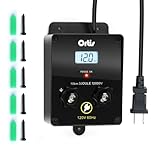
- POWERFUL ELECTRIC FENCE CHARGER: Ortis electric fence charger delivers up to 12,000V and 3 joules of pulse energy, ideal for fences up to 6.2 miles. Effectively controls pets and keeps out small wild animals like raccoons and foxes. Compatible with most soil types and perfect for gardens, coops, and small farms
- UPGRADED LCD DISPLAY WITH STATUS AT A GLANCE: Features a backlit LCD screen for real-time voltage display and a red LED that flashes with each pulse. The display remains clear even in sunlight. If a fault occurs, the LED stops flashing, letting you spot issues instantly and ensure your fence stays protected
- SAFE AND EFFECTIVE ANIMAL MANAGEMENT: Uses pulse technology to deter without harm. Safely trains animals like dogs, poultry, and rabbits to stay away, while keeping pests like skunks and foxes out. A safe solution to guard your livestock and crops, day and night
- TOOL-FREE INSTALLATION IN MINUTES: Equipped with twist-to-tighten terminal knobs for fast connection to ground rods and fence wires (not included). No tools required. For outdoor setups, we recommend adding a waterproof cover to improve weather resistance and reliability
- DURABLE, SAFE, AND BUILT TO LAST: Made with flame-retardant materials and a rugged shell for long-lasting outdoor use. A clear warning label instructions help maintain safe operation, especially in areas where people may come into contact with the fence
Choose methods by scale and handling needs
| Measure | Primary role | Where it fits best | Important limitation |
|---|---|---|---|
| Covered shelter, enclosed shed or barn | Physical exclusion | Animals that can be gathered at night, including small-operation herds or flocks | Large grazing groups may not be practical to house completely |
| Enclosed night pen | Physical exclusion | Small operations or a selected group of vulnerable animals | It must be fully enclosed and workable for daily handling |
| Permanent or temporary electric fencing | Exclusion or reinforced deterrence | Pasture boundaries, night areas and sites where a powered barrier can be maintained | Design depends on livestock, terrain, existing fence and upkeep; no universal specification is provided by the cited agencies |
| Livestock guardian dogs or other guardian animals | Animal-based protection | Operations able to provide suitable housing, training, care and supervision | They are not a guarantee and should complement exclusion |
| Range riding | Human presence and early detection | Large or dispersed grazing operations with safe access and a workable schedule | It does not physically exclude a mountain lion |
| Fladry, lights or hazing devices | Deterrence | Short-term protection or reinforcement while a broader plan is in place | Deterrents may be temporary and may not fully protect livestock alone |
The table is a planning aid, not a ranking. A small flock may gain more from a secure night pen than from a large pasture project, while a dispersed herd may need fencing, riding and selected guardian animals. Reassess the combination after changes in livestock numbers, pasture location, fencing condition or local agency advice.
Use an electric-fence project responsibly
An electric livestock-fence energizer is a legitimate equipment category when it is part of a properly planned predator-prevention installation. Choose the energizer and fencing components only after the site and livestock requirements are known. The cited guidance does not establish a universal wattage, product size or kit.
What’s actually slowing this PC down?
Pick the symptom - the matching free tool is one click away.
- Design the complete barrier, including corners, gates, grounding, power and vegetation control, rather than buying an energizer in isolation.
- Make sure the fence is compatible with the livestock and will not create an entanglement or access hazard.
- Plan how workers will safely enter, isolate power for repairs and inspect the entire line.
- Check performance after weather, flooding, vegetation growth or livestock contact changes the installation.
- Ask local wildlife or livestock professionals to review the layout when terrain or predator pressure is unusual.
Equipment can support exclusion, but it cannot compensate for an open gate, an unpowered section or a night shelter that is not secured.
What to do after a suspected attack
Protect people and surviving livestock first
Move people and surviving animals to a secure location if you can do so safely. Do not approach a mountain lion or attempt to corner, trap or relocate it. Keep children, visitors and dogs away from the area until you have advice from the relevant authority.
Record the event for an agency investigation
Write down the date, location, livestock affected and when the animals were last seen safe. Photograph the site, injuries, carcass and damaged fencing from a safe distance, and note any changes you make before an investigator arrives. Preserve information that can help an agency distinguish a suspected depredation from another cause, but do not take risks to obtain a photograph or handle an injured animal.
Report the loss promptly
CDFW directs property owners to report potential or actual livestock depredation and can provide identification and technical assistance. Use its Human-Wildlife Conflicts: Mountain Lions guidance for California contacts and prevention information. Ask the agency what evidence it needs, whether an inspection is available and which prevention measures are appropriate for your site.
The Tool Desk
Outbyte Driver Updater FREEScan for outdated or missing drivers - takes under a minuteDriver Scan →Outbyte PC Repair FREEClear out junk files and repair common Windows errorsFree Scan →Outside California, contact your state wildlife agency or equivalent authority. Reporting channels, investigation standards and legal options differ by jurisdiction, so do not assume that a process described for one state applies elsewhere.
Understand California’s permit process without generalizing it
In California, a property owner whose livestock or pets have been injured or killed by a mountain lion can request a depredation permit under Fish and Game Code section 4802. CDFW says nonlethal approaches are prioritized where feasible. Details and decisions are handled through the state process described in CDFW’s Mountain Lions in California: Depredation guidance.
Also popular on Amazon
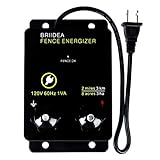
- [Available Controlling Range] Having been designed for use with electric animal fences, the fence energizer is capable to control an area of 8 acres, and is compatible with most soil types
- [Two Terminals] This fence energizer is standard equipped with two terminals, of which one is fence ground terminal for connecting to a separate ground system, the other one is fence output terminal for connecting to the fence
- [Security Protection] With its cable having been listed by UL after a series of strict tests, this unit is more secure and reliable to use and is capable of fire prevention
- [Warning Sings Needed] A warning sign shall be fitted to every point where persons may gain ready access to the conductors
- [For Controlling Animals] This unit is capable to both defend the domestic animals inside the fence and prevent wild animals such as bears, raccoons, skunks intruding on the domestic ones
This California rule is not a nationwide license. Before taking, trapping or attempting to relocate a mountain lion anywhere, contact the responsible wildlife agency and follow current local law.
Independent reader supportYour contribution helps us test, update, and keep practical guides available for everyone.Ask about local technical help and cost-share
Wildlife agencies can help identify a suspected loss and suggest measures suited to local conditions. USDA APHIS describes integrated husbandry, habitat and nonlethal approaches in Protecting Livestock From Predators and lists methods under its Wildlife Services Nonlethal Initiative.
Montana offers a state livestock-depredation-prevention grant program. The Montana Livestock Loss Board lists examples such as fencing, fladry, carcass composting, range riding and livestock guardian dogs on its Livestock Loss Board Grants page. Eligibility, application windows and covered expenses can change, and the program is specific to Montana. Check the current rules before budgeting around a grant or beginning work.
Other states may have different grants, cost-share programs or technical-assistance arrangements. Ask your wildlife agency, county extension office or livestock department whether a current program applies to your county, species and proposed project.
Common planning mistakes and better fixes
Relying on one scare device
Problem: A light, noise maker, hazing device or flag line is treated as a permanent barrier.
Fix: Put secure housing or exclusion first, then use deterrents for limited periods or as reinforcement. CDFW specifically warns that deterrents may be temporary and may not fully protect livestock alone.
Buying a generic fence kit
Problem: The installation ignores terrain, gates, vegetation, livestock behavior or the existing fence.
Fix: Have the complete site assessed and choose components for the actual layout. The official guidance supports electric fencing but does not provide one universal design.
Also popular on Amazon

- Powerful Shock Effect: The electric fence charger delivers 2 joules of high energy output and 10kV voltage with a 1 pulse per second frequency. The high-voltage current helps create a conditioned reflex, preventing livestock and wildlife from touching the fence, offering long-term protection for crops and livestock.
- Multiple Power Supply Options: This electric fence energizer supports AC, DC battery (external lithium battery), and solar power, ensuring reliable operation in both grid-powered and off-grid areas, providing consistent power to keep your fence system running all day.
- Exceptional Durability: IP65 waterproof design works in extreme weather, with a temperature range of -40°F to 131°F (-40°C to +55°C). Stable performance in both cold and hot weather, protecting the fence power system from environmental conditions. The power adapter is rigorously safety-tested for stable electrical performance.
- Real-Time Monitoring: Equipped with LED indicators, this system shows the working status. When the high power fence charger pulses, the work light flashes, helping you monitor performance and quickly address any issues to ensure the fence operates smoothly.
- Flexible Installation & Wide Application: The plug in fence charger comes with a full installation kit for easy setup and quick start. With an effective range of 1-3 km, it's ideal for home farms or agricultural use to prevent wildlife intrusion. Note: Place the grounding stake on moist ground for better conductivity. Recommended depth for copper/iron stakes is 31.5-39.37 inches (80-100 cm).
Assuming a guardian animal is automatic protection
Problem: A dog or other guardian is placed with stock without a management, care or inspection plan.
Fix: Match the animal to the livestock and working area, provide training and veterinary care, and keep exclusion measures in place.
Free tools Windows power users keep installed
One-click scans. No signup required.
Leaving carcasses accessible
Problem: Dead livestock or disposal areas remain near the herd or flock.
Fix: Remove carcasses where feasible and manage disposal so they do not remain an attractant. Include this task in routine ranch checks.
Skipping the report
Problem: An owner handles a suspected loss privately and misses an opportunity for identification, technical advice or knowledge of local requirements.
Fix: Report potential or actual depredation promptly to the relevant wildlife agency and ask what evidence and next steps it requires.
A maintenance checklist for an ongoing plan
- Confirm that night shelters, barns, sheds and pens are fully secured before animals are left unattended.
- Walk the exclusion route and inspect gates, corners, power, grounding, vegetation and storm damage.
- Check that guardian animals remain healthy, appropriately managed and with the livestock they are meant to protect.
- Remove dead livestock and review disposal areas.
- Record missing, injured or unusually stressed animals and report suspected depredation.
- Review whether the current method still fits the livestock group, pasture location, terrain and staffing.
- Ask the wildlife agency for updated local guidance after a confirmed or suspected loss.
Regular maintenance matters because exclusion is only effective while openings stay closed, fencing remains functional and attractants are managed. Revisit the plan when you change species, stocking density, pasture rotation, night-housing capacity or fencing.
Bottom line: layer protection instead of betting on a single solution
Use secure night housing whenever practical, make exclusion fencing or enclosed areas the structural foundation, remove carcasses, and add guardian animals, range riding or temporary deterrents according to the ranch’s scale and terrain. Report suspected losses and obtain local advice before taking legal action. The right combination is the one you can maintain consistently and that complies with your state’s wildlife rules.





Leave a Reply