
Short answer: Pyoderma is a bacterial skin infection or overgrowth in dogs. It may cause pustules, red bumps, circular crusts, scaling, hair loss, odor, itching, pain, or draining sores. Mild surface or superficial cases may improve with veterinarian-directed topical treatment, while deep, painful, recurrent, or rapidly worsening infections can require prescription medication, bacterial culture, pain control, and investigation of an underlying disease.
Because allergies, fleas, mites, fungal infections, hormonal disease, immune disorders, trauma, and even tumors can look similar, you cannot reliably identify pyoderma—or its depth—from appearance alone. This article is educational and does not replace an examination by a veterinarian.
As an Amazon Associate I earn from qualifying purchases.
What pyoderma means in dogs
“Pyoderma” means bacterial dermatitis: a bacterial infection or clinically significant overgrowth affecting the skin. The bacteria most often associated with canine pyoderma is Staphylococcus pseudintermedius. These bacteria may normally live on a dog’s skin, so finding bacteria does not automatically prove that a rash is pyoderma. A veterinarian interprets the organisms together with the lesions, inflammation, clinical history, and skin-cytology findings. Merck Veterinary Manual explains the classification and diagnosis of pyoderma.
Pyoderma is often secondary to another problem rather than a standalone disease. Allergic dermatitis, fleas and other parasites, demodicosis, dermatophytosis, endocrine disease, skin folds, trapped moisture, trauma, pressure, poor grooming, and immune-suppressing medication can all make bacterial skin disease more likely. If that trigger is not addressed, the infection may return after apparently successful treatment.
#1 Best Overall
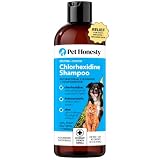
- A HEALING CLEAN : Yes, it’s shampoo for dogs! Yes, it’s shampoo for cats! And yes, it’s shampoo that cleans & heals! It soothes irritated skin, providing itch relief for cats, & dogs. An effective shampoo for dogs with allergies & cats, it promotes a shiny coat, reduces inflammation, & helps heal hot spots. This cat & dog antibacterial shampoo also reduces smelly odors associated with bacteria & fungus. Basically, our cat & dog shampoo for yeast & itching is 16 ounces of a better clean routine.
- FROM THE INSIDE OUT: Made with a veterinary strength formula, our shampoo for dogs with itchy skin & cats is made with soothing aloe & without sulfates, parabens, phthalates, alcohol, & artificial colors. Our shampoo with chlorhexidine & ketoconazole for dogs & cats is a gentle, safe & effective way to help heal skin issues while keeping your pet comfortable & clean.
- THE PET, PET WASH: You know our cat & dog shampoo for sensitive skin provides relief for itchy skin, soothes irritated & inflamed skin, targets smelly odors, & promotes a shiny coat. But did you know that’s it’s the #1 chlorhexidine shampoo on Amazon*? Don’t wait to give your pet the healing wash they deserve. *Based on Stackline Atlas data (had to combine all grooming & other pet health supplies to capture entire market*L52W as of December 2024
- ON THE RIGHT SCENT: Not only does our medicated dog shampoo for itchy skin soothe irritation, promote a health coat & leave your pet feeling fresh & clean, it also has a light cucumber melon scent that helps with unpleasant odors from fungus & bacteria.
- THE HONEST DIFFERENCE: Our products are made with clean, science-backed ingredients for results you can trust, & with no fillers, artificial preservatives, colors, or flavors, you'll have no doubt your dog is getting the best. Proudly supporting pets in need nationwide & using recycled plastic in our packaging, there's also no doubt that we're committed to doing our best. -- All products are made in the U.S.A. | NASC Member Company
The three practical depth categories
| Type | What it involves | Typical examples or clues |
|---|---|---|
| Surface pyoderma | The outer skin surface | Hot spots, skin-fold pyoderma, and bacterial overgrowth in moist or irritated areas |
| Superficial pyoderma | The epidermis and superficial hair follicles | Superficial bacterial folliculitis and puppy impetigo; small pustules, crusts, scaling, and patchy hair loss |
| Deep pyoderma | The deeper skin, including the dermis and sometimes ruptured hair follicles | Painful swelling, nodules, ulcers, blood or pus, draining tracts, furunculosis, and marked odor |
The distinction matters. A small superficial lesion may be managed with topical care, but deep disease is more likely to need systemic treatment, culture and susceptibility testing, a biopsy, treatment for pain, and a search for an underlying cause.
Signs of superficial pyoderma
Superficial pyoderma commonly produces several of the following:
- Small red bumps or pustules, sometimes visibly centered on individual hairs
- Circular areas of crusting or scale known as epidermal collarettes
- Patchy hair loss, a moth-eaten coat, or hairs standing up over inflamed follicles
- Redness, flaky skin, or a greasy appearance
- Mild, moderate, or severe itching—or very little itching at all
- Lesions on the trunk, abdomen, groin, or underside, although any body area can be affected
In puppies, pyoderma may appear as pustules or crusts on sparsely haired areas such as the groin and armpits. In adult dogs, the distribution can provide clues but does not establish the diagnosis.
Do these 3 things before closing this tab:
1Repair Windows errors before they cause bigger problems2Fix the driver behind crashes, sound loss and screen glitches3Clear out junk files and repair common Windows errorsItching is not a reliable measure of infection severity. A dog can have substantial bacterial infection with modest itching, while a dog with an underlying allergy may scratch intensely even when the bacterial lesions are relatively limited. Bacteria seen on the skin must be interpreted alongside the visible lesions and cytology.
How deep pyoderma looks different
Deep pyoderma is more serious and often more painful. Possible signs include:
- Marked swelling, warmth, tenderness, or pain
- Thick crusts, ulcers, blisters, nodules, or areas of broken skin
- Blood, pus, or fluid draining from the skin
- Draining tracts or recurrent boils
- Strong or foul odor
- Extensive hair loss over swollen or damaged skin
- Swollen, painful paws or lesions between the toes
Deep infection can occur anywhere, but veterinarians commonly investigate it on the muzzle, chin, elbows, hocks, knees, paws, and between the toes. Interdigital furunculosis, muzzle furunculosis, acral lick-associated lesions, and post-grooming furunculosis may involve deep infection or bacterial infection secondary to damaged follicles.
Rank #2

- CLINICALLY PROVEN RESULTS: DOUXO S3 is proven to show results in as soon as 7 days.
- ANTISEPTIC CHLORHEXIDINE DOG SHAMPOO FOR YEAST AND BACTERIAL SKIN INFECTIONS: Formulated for dogs with bacterial or yeast skin infections – DOUXO S3 PYO chlorhexidine dog shampoo provides an antiseptic cleansing while hydrating the skin.
- #1 TOPICAL BRAND RECOMMENDED BY VETS: Confirmed by veterinary and scientific expertise. DOUXO provides the best and the safest care for your pet.
- ENRICHED WITH OPHYTRIUM: Contains 0.5% Ophytrium, a purified, natural ingredient that helps soothe irritated skin and support skin hydration.
- FREE FROM soaps, sulphates, parabens, colorants, nanoparticles, and phthalates.
When a dog with possible pyoderma needs prompt care
Contact a veterinarian promptly—and seek same-day advice for severe or rapidly changing cases—if your dog has:
Recommended Free Tools
- Rapidly spreading lesions or rapidly increasing swelling
- Significant pain, extensive pus, bleeding, ulcers, or draining tracts
- Severe odor or large areas of damaged skin
- Lesions around the eyes or mouth
- Marked swelling of a paw or pain that interferes with walking
- Fever, lethargy, reduced appetite, or other signs of illness
- A weakened immune system or medication that suppresses immunity
- Recurrent pyoderma, treatment failure, or a relapse soon after treatment
Do not wait for a routine appointment if a dog seems systemically ill or the infection is deep and painful. A dog that fails to improve after approximately three to four days of the prescribed treatment should be reassessed rather than being given a different antibiotic or product at home. Merck Veterinary Manual recommends reconsidering the diagnosis or treatment plan when response is inadequate.
Why a rash that looks like pyoderma needs testing
Pustules, crusts, redness, hair loss, odor, and itching are not specific to bacterial infection. Similar signs can occur with fleas, mites, ringworm and other fungal disease, allergies, immune-mediated disease, hormonal disorders, trauma, and neoplasia. Some dogs have more than one problem at the same time—for example, an allergy that causes skin damage followed by secondary bacterial infection.
A veterinarian may use several tests:
- History and physical examination. The veterinarian will assess lesion type, location, depth, pain, itch, recurrence, grooming and bathing practices, flea prevention, diet and allergy history, current medications, and systemic signs.
- Skin cytology. Impression smears, tape preparations, swabs, or samples from an opened pustule can show inflammatory cells, cocci, rod-shaped bacteria, and concurrent Malassezia yeast. Cytology is one of the most useful initial tests because it helps determine whether the visible lesions contain clinically relevant organisms.
- Skin scrapings or hair examination. Deep skin scrapings may help identify demodicosis. Hair examination, fungal testing, culture, or PCR may be used when dermatophytosis is possible.
- Bacterial culture and susceptibility testing. Culture is especially important for deep, severe, recurrent, nonresponsive, or suspected methicillin-resistant infections, and when systemic treatment is being considered.
- Testing for an underlying disease. Depending on the history, the veterinarian may investigate allergies, inadequate flea control, mites, endocrine disease such as hypothyroidism or hyperadrenocorticism, immune suppression, skin-fold disease, conformation-related problems, or other triggers.
- Biopsy or additional testing. Deep, unusual, ulcerated, or unexplained lesions may require a biopsy when routine cytology and culture do not adequately explain the problem.
A culture result is not a substitute for sampling the correct lesion. It must be interpreted with the physical examination, cytology, and clinical response; bacteria recovered from a contaminated surface may not be the organism driving the disease.
How pyoderma is treated
1. Topical treatment for surface and many superficial infections
For surface and superficial pyoderma, topical treatment is generally preferred and may be sufficient on its own. It also helps reduce unnecessary systemic antibiotic exposure and may be useful in some cases involving methicillin-resistant bacteria.
What’s actually slowing this PC down?
Pick the symptom - the matching free tool is one click away.
Veterinary topical options can include chlorhexidine shampoos, mousses, sprays, wipes, creams, or other leave-on formulations. A veterinarian chooses the format based on the infection’s depth and extent, lesion location, the dog’s coat, and what the owner can apply consistently. Localized lesions may be easier to manage with a wipe, mousse, or spray than with a full bath.
Rank #3

- Supports healthy skin for animals with conditions
- Helps prevent and treat fungal skin
- Can be used on cats, dogs and horses
Merck describes antimicrobial shampoos containing approximately 2% to 4% chlorhexidine and medicated bathing two or three times per week with about 10 to 15 minutes of contact time. The exact concentration, frequency, contact time, and duration should come from the prescribing veterinarian and the product label; longer contact time is not automatically better.
Veterinarian-directed topical option
A veterinarian may approve a chlorhexidine dog shampoo for a confirmed or strongly suspected superficial bacterial skin infection. For example, DOUXO S3 PYO is a dog-and-cat shampoo labeled with 3% chlorhexidine digluconate; its manufacturer’s directions state to avoid the eyes and leave the shampoo on for five to ten minutes before rinsing. Check the manufacturer’s product directions, and use any medicated shampoo only as directed by your veterinarian and its label.
This is a treatment example, not a diagnosis or a guarantee that the product is appropriate for every rash. Do not put it in the eyes, mouth, or other sensitive areas unless a veterinarian specifically instructs you to do so.
For small or hard-to-bathe areas, ask the veterinarian whether chlorhexidine dog wipes, a mousse, or a spray is more appropriate. Do not combine several antiseptic products, apply them more often than directed, or use a leave-on product under a bandage unless instructed.
2. Prescription systemic treatment for selected cases
Oral or injectable antimicrobials are generally reserved for deep pyoderma or superficial disease that cannot be adequately treated with topical therapy. The choice depends on infection depth, previous antimicrobial exposure, resistance risk, culture and susceptibility results, the dog’s age and health, and local veterinary judgment.
The AAHA antimicrobial table lists examples of first-tier empiric choices for some canine skin infections, including clindamycin, cephalexin, amoxicillin-clavulanate, and trimethoprim-sulfonamide combinations. That information is not a prescription guide: the correct drug, dose, route, duration, and need for culture must be determined for the individual dog.
Rank #4

- HELPS SUPPORT HEALTHY SKIN - With a wash and soaking of the coat for 5-10 minutes, our powerful ingredients work to help soothe red, scaly, greasy, or smelly skin that may cause your pet discomfort
- FAST ACTING – Works fast to soothe your pet's sensitive skin that may be affected by environmental stressors
- VET-RECOMMENDED – This pet shampoo is pH balanced for your pet's skin and is paraben and soap-free to promote overall skin and coat health without damaging detergents
- FOR DOGS AND CATS – Our cat and dog shampoo is intended for pets over 12 weeks of age. Use twice weekly until skin clears up, then once a week to help maintain skin health
- APPLICATION: This product is intended for topical use only. Read directions carefully before applying to your pet's coat. Test on a small area to avoid further sensitivity before using
Merck specifically cautions against empirical penicillin, ampicillin, and amoxicillin for canine pyoderma because the common pathogen S. pseudintermedius produces beta-lactamase. Never use human antibiotics, leftover medication from another pet, or an old prescription without veterinary direction. An apparently convenient antibiotic can be ineffective, unsafe, or contribute to resistance.
Quick wins for a faster PC:
Fix the driver behind crashes, sound loss and screen glitchesFind Drivers →Clear out junk files and repair common Windows errorsFree Scan →Scan for outdated or missing drivers - takes under a minuteDriver Scan →Give the prescribed treatment for the full plan. Systemic therapy should continue until the veterinarian determines that the lesions have resolved and cytology is clear, rather than stopping simply because the dog looks better. The duration varies widely; deep, recurrent, or complicated infections may require substantially longer management and follow-up.
3. Treating the reason the infection developed
In recurrent pyoderma, antibiotics alone are rarely a durable solution. Depending on the cause, treatment may include:
- Controlling allergic inflammation and identifying manageable allergy triggers
- Reliable flea prevention and treatment of other ectoparasites
- Treatment for demodicosis or fungal disease when present
- Investigation and management of endocrine disease
- Addressing skin folds, moisture, coat matting, or conformation-related rubbing
- Reducing licking, chewing, scratching, and other self-trauma
- Reviewing immunosuppressive medications with the prescribing veterinarian
- Improving grooming and keeping vulnerable areas clean and dry
Failure to identify the trigger, an incorrect drug choice, undertreatment, inappropriate glucocorticoid use, and failure to recheck are all recognized reasons pyoderma returns. A recurring infection deserves a new diagnostic review, not repeated empiric antibiotics by guesswork.
Independent reader supportYour contribution helps us test, update, and keep practical guides available for everyone.Safe home care while your dog is being treated
- Follow the prescribed protocol exactly. Use the recommended dilution, amount, contact time, rinsing instructions, and frequency. Medicated products work through correct application, not simply through being present on the coat.
- Protect sensitive areas. Keep shampoos and leave-on products away from the eyes and mouth unless the veterinarian specifically directs otherwise. Stop and call the clinic if a product causes marked irritation.
- Prevent licking and chewing when advised. An Elizabethan collar or another veterinarian-approved barrier may be needed, particularly for paws and localized lesions.
- Keep bedding and the environment clean. Wash bedding regularly, keep the affected area dry, and avoid sharing grooming tools with other pets until contagious alternatives such as dermatophytosis have been ruled out.
- Do not pop pustules or scrub aggressively. Squeezing lesions can damage follicles and spread inflammation. Do not shave sensitive or painful skin unless the veterinary team recommends clipping; hair clipping may be helpful in some deep infections.
- Do not apply household products. Avoid household disinfectants, essential oils, human acne products, human antibiotics, and unsupervised steroid creams or tablets.
- Attend the recheck. Skin can look better before infection has cleared. A follow-up examination and cytology may be needed before treatment is stopped.
For some medium- or long-coated dogs with superficial disease, professional grooming may help the veterinary team access the skin and reduce matting. Grooming should be gentle and coordinated with the veterinarian when the skin is painful, ulcerated, or deeply infected.
Is pyoderma contagious?
Many canine pyodermas develop from the dog’s own skin bacteria after an underlying condition damages the skin, so they are not automatically treated as a contagious disease. However, a rash that looks like pyoderma could instead be dermatophytosis or a parasitic condition, and some resistant organisms require careful hygiene and veterinary guidance. Do not assume that every crusty or pustular rash is noncontagious.
Best Value
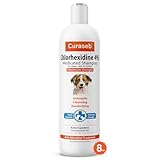
- HOT SPOT FORMULA – Curaseb’s Shampoo treats active skin issues, hot spots, paw licking, skin allergies, rashes, acne and other skin irritations. 8oz bottle.
- SOOTHING ANTI-ITCH TREATMENT – Our anti-itch formula relieves itching and soothes irritated skin. It deodorizes and cleanses leaving behind a pleasant blueberry.
- SAFE FOR DOGS & CATS – Curaseb Medicated Shampoo is safe for dogs and cats of all ages.
- DOCTOR FORMUALTED – Our medicated shampoo is used worldwide for use in dogs and cats.
- MADE IN THE USA - Curaseb’s pet health products are all made in the USA using quality ingredients in small batches to ensure quality and safety. An independent lab stringently tests each batch for purity and effectiveness.
Until the diagnosis is clear, wash your hands after handling affected skin, avoid sharing towels and grooming equipment, and follow the veterinarian’s advice about contact with other pets or people. If another household animal develops itching, hair loss, pustules, or crusts, arrange a veterinary assessment rather than treating both animals with the same product.
What to expect during recovery
Superficial infections may begin to look better after treatment starts, but complete resolution can take time. Deep infections, resistant bacteria, allergies, and recurrent disease usually require more investigation and longer management. Take dated photographs of the affected areas and note new lesions, odor, scratching, pain, appetite, and energy level. This information can help the veterinarian judge whether the treatment is working.
Call the veterinary clinic if lesions worsen, new areas appear, pain increases, the dog becomes unwell, or there is no meaningful improvement after about three to four days of the prescribed plan. Do not escalate the product, add an antibiotic, or restart a previous medication without advice.
The Tool Desk
Outbyte PC Repair FREERepair Windows errors before they cause bigger problemsFix Now →Outbyte Driver Updater FREEScan for outdated or missing drivers - takes under a minuteDriver Scan →Frequently Asked Questions
Can I use human antibiotics or leftover veterinary antibiotics for my dog’s pyoderma?
No. The drug, dose, duration, and route depend on the dog and the infection. Some commonly used human or leftover antibiotics may be ineffective against canine skin pathogens, unsafe for the patient, or likely to promote resistance. Merck specifically cautions against empirical penicillin, ampicillin, and amoxicillin for canine pyoderma. Contact your veterinarian for an appropriate plan.
How long does pyoderma treatment take?
There is no single timetable. Mild superficial disease may respond to a veterinarian-directed topical protocol, while deep, recurrent, resistant, or allergy-associated infections can require substantially longer treatment and follow-up. Do not stop systemic medication merely because the skin looks better; the veterinarian may use lesion resolution and clear cytology to decide when treatment is complete.
Why does my dog’s pyoderma keep coming back?
Recurrence often means that an underlying trigger—such as allergy, fleas, mites, fungal disease, endocrine illness, skin-fold moisture, licking, trauma, or immune suppression—has not been controlled. It can also reflect an incorrect diagnosis, bacterial resistance, undertreatment, inappropriate steroid use, or lack of follow-up testing. Recurrent disease warrants a veterinary reassessment rather than repeated antibiotics chosen without testing.
Can I bathe my dog with a chlorhexidine shampoo without a diagnosis?
Ask your veterinarian first. Chlorhexidine products may be useful for confirmed or suspected surface and superficial bacterial disease, but they will not treat every cause of pustules, crusts, itching, or hair loss. Follow the product label and veterinary instructions, protect the eyes and mouth, and stop if severe irritation occurs.
Free tools Windows power users keep installed
One-click scans. No signup required.
The Bottom Line
Pyoderma can be a mild superficial bacterial problem or a painful deep infection, and similar-looking lesions can have completely different causes. Arrange veterinary care for diagnosis—especially when lesions are deep, spreading, painful, foul-smelling, recurrent, or accompanied by lethargy or poor appetite. Use topical or prescription treatment exactly as directed, never self-prescribe antibiotics or steroids, and address the underlying trigger to prevent the infection from returning.
Quick Recap
Product prices and availability are accurate as of the date/time indicated and are subject to change. Any price and availability information displayed on Amazon at the time of purchase will apply.





Leave a Reply