Do these 3 things before closing this tab:
1Clear out junk files and repair common Windows errors2Scan for outdated or missing drivers - takes under a minute3Repair Windows errors before they cause bigger problemsYou can protect your furniture by redirecting scratching to surfaces your cat is allowed to use—not by trying to stop a normal behavior. Put a stable, appealing scratcher right beside the furniture your cat targets, then protect that surface while your cat learns the alternative.
Why does your cat scratch the furniture?
Scratching is normal cat behavior. Cats scratch to stretch, play, maintain their claws, and leave visual or scent signals. The goal is to steer that behavior toward acceptable surfaces. The ASPCA puts it simply: “The best tactic when dealing with scratching is not to try to stop your cat from scratching, but instead to teach her where and what to scratch.” ASPCA guidance on destructive scratching
As an Amazon Associate I earn from qualifying purchases.
Seven steps to redirect scratching and protect your furniture
1. Identify the furniture target and scratching pattern
Notice which piece or area your cat chooses, and whether the cat stretches upward against a vertical surface or scratches along a horizontal one. That pattern gives you a practical starting point for choosing and placing an alternative. Cats may scratch for several reasons, so observe where and how it happens rather than treating it as deliberate damage. International Cat Care’s home-modification guide
Quick wins for a faster PC:
Fix the driver behind crashes, sound loss and screen glitchesFind Drivers →Repair Windows errors before they cause bigger problemsFix Now →Scan for outdated or missing drivers - takes under a minuteDriver Scan →2. Choose a scratcher your cat can use comfortably
Try a vertical post, horizontal pad, or angled scratcher, and offer a surface such as sisal, cardboard, carpet, wood, or upholstery. There is no established universal best material or shape; your cat’s use is the useful test. Whatever the orientation, choose a stable scratcher that does not wobble or slide during use. The ASPCA recommends a sturdy post at least three feet tall, but a horizontal option may suit a cat that prefers that position or finds a tall post uncomfortable. International Cat Care notes that a tall vertical post can cause pain for some cats, making a horizontal surface worth considering when comfort or mobility is a concern. ASPCA scratching guidance · International Cat Care home-modification guide
#1 Best Overall
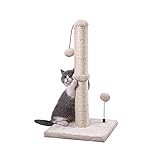
- Premium Quality Materials - This product is made of 100% natural sisal hemp.The base and top is a weighted MDF covering the carpet.Nature High Quality Sisal Safe Plush Long Lasting Usage Stable basement, never tip over easily.
- Protect your furniture - Grab sticks and plush toys combine to attract cats to play and grab, natural sisal is suitable for cats to grab, effectively preventing cats from grabbing furniture
- Designed for indoor use - Neutral colors work well with existing decor in your home.ideal for any living room, bedroom, or home office
- 22"Tall Cat Scratching Post -11.8 x 11.8 x 22 Inches,design for kitties or smaller cats.
- Easy Assemble - ust screw all parts together,Assemble needed, all tools and instructions included.Please contact us if you have any further questions.
3. Put the alternative beside the target
Place the scratcher next to the couch, chair, or other surface your cat already chooses. Add scratchers in other places where your cat tends to scratch. When you see a preference for a particular orientation or material, offer more of that type. Convenient placement makes the allowed option easier to find when your cat is ready to scratch. Humane Society of the United States, cat-care guide (2023)
4. Make the scratcher inviting without forcing your cat
Encourage your cat to explore the scratcher with play or catnip, if your cat responds to it. Do not hold your cat and move its paws across the surface; forced handling can frighten the cat and make the scratcher less appealing. Give your cat the choice to investigate and use it. ASPCA scratching guidance
Rank #2
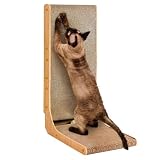
- HIGH QUALITY MATERIALS: The surface of the cat scratching board is made of non-toxic and high-density corrugated paper, which is durable enough to withstand cat scratching.
- INNOVATIVE DESIGN: Our cat scratcher for indoor cats features an L-shaped design. Please place it against wall and sofa to protect your furniture. The L-shaped cat scratcher provides more scratching area for cats to scratch in a variety of positions.
- MULTIFUNCTIONAL USE: Cats can scratch, relax and stretch on our cardboard cat scratcher. Our cat scratch pad also comes with a toy ball to play with. It provides a safe and comfortable environment for cats.
- MULTIPLE SIZES: We offer three sizes of cat scratching pad for you to choose from. The smallest size is specially for kittens. No matter what size your cat is, it enables your cat to scratch and play to its heart's content!
- EASY INSTALLATION: Our cat scratching board adopts a simple installation method and comes with instructions and necessary tools. We also provide an installation video so that you can install it quickly and easily.
5. Protect the furniture while the alternative becomes familiar
Temporarily cover the targeted area or make it less appealing while keeping the new scratcher nearby. The ASPCA lists plastic and double-sided sticky tape as possible deterrents. The Humane Society of the United States describes a tight-fitting sheet for furniture and sticky material for smaller surfaces. Check that a cover or adhesive is suitable for your furniture’s finish, and monitor how your individual cat responds; no one method suits every surface or cat. A furniture guard is a supporting measure, not a replacement for a scratcher. ASPCA scratching guidance · Humane Society of the United States, 2023
6. Maintain claw tips safely
Trimming can blunt sharp claw tips, but it does not replace scratching opportunities. ASPCA grooming guidance recommends trimming only the sharp tip and stopping if your cat becomes agitated. If your cat resists, ask a veterinarian or groomer for help rather than forcing the trim. ASPCA describes two to three weeks between trims as a general interval, not a requirement for every cat. ASPCA general cat-care guidance · ASPCA cat-grooming tips
7. Avoid punishment and seek help for concerning changes
Do not frighten or force your cat as a response to furniture scratching, and do not use declawing as a furniture-protection measure. The ASPCA opposes declawing as a behavioral remedy and discusses nonsurgical alternatives. If scratching persists despite suitable alternatives, or your cat’s behavior changes suddenly, seek veterinary advice and, if needed, qualified behavior help. Scratching furniture is different from persistent self-scratching, licking, or biting; hair loss or skin abnormalities also warrant veterinary assessment. ASPCA position on declawing cats · ASPCA behavioral-help resource · ASPCA grooming guidance
Rank #3

- Scratching post provides a place for cats to sharpen their claws and keep nails healthy
- Includes a single pillar scratching post in neutral colors with a replaceable dangle toy
- Natural jute fiber provides an optimal scratching surface
- Sturdy wood base helps prevent the post from tipping
- Ideal for redirecting cats away from scratching household carpet or furniture; spot clean as needed
How to tell whether a scratcher is a good fit
Use your cat’s behavior—not a product ranking—to assess whether a scratcher works. Consider these practical factors:
- Orientation: vertical, horizontal, or angled to match how your cat scratches.
- Surface: try different textures if your cat ignores the first option.
- Stability: choose a base or mounting arrangement that stays steady during scratching.
- Placement: start beside the furniture your cat already targets.
- Observed preference: when your cat uses one kind, make that type available in other favored scratching locations.
These are usability and preference factors, not a tested ranking of brands. International Cat Care’s guidance is clear about the underlying need: “All cats should have opportunities to engage in scratching behaviour.” International Cat Care, Home Modifications
Recommended Free Tools
Quick Recap
Best Value
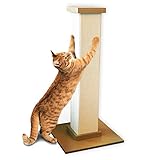
- 32″ height allows cats to stretch fully and tone muscles
- Sturdy 16″ by 16″ base eliminates tipping and wobbling
- Fibrous and durable woven sisal naturally inspires scratching
- Superior to carpeted posts that may snag nail
- Assembles with two included screws
Rank #4

- Scratching post provides a place for cats to sharpen their claws and keep nails healthy
- Includes a single pillar scratching post with a replaceable dangle toy
- Natural jute fiber offers an optimal scratching surface
- Sturdy base helps prevent the post from tipping
- Ideal for redirecting cats away from scratching household carpet or furniture; spot clean as needed
Product prices and availability are accurate as of the date/time indicated and are subject to change. Any price and availability information displayed on Amazon at the time of purchase will apply.




