
Quick wins for a faster PC:
Repair Windows errors before they cause bigger problemsFix Now →Fix the driver behind crashes, sound loss and screen glitchesFind Drivers →Some links on this page are affiliate links: if you buy through them we may earn a commission, at no extra cost to you.
Start with a careful, safe search of your home and nearby hiding places, then immediately alert local animal-control officers, shelters, veterinary hospitals, rescue groups, emergency managers, neighbors and lost-pet networks. Check shelters every day, in person when possible, and make sure your dog’s collar tag and microchip records can reach you. Never enter floodwater, unstable buildings or closed roads to search; local emergency instructions take priority.
Put safety before the search
A hurricane or flood can leave downed power lines, contaminated water, damaged buildings, washed-out bridges and restricted roads. Before looking for your dog, check the current instructions from your local emergency-management agency. Do not enter floodwater, unstable structures, closed roads or any area officials have restricted. The U.S. Food and Drug Administration advises following local notices about road and bridge closures during hurricanes and floods.
As an Amazon Associate I earn from qualifying purchases.
Floodwater exposure and crowded evacuation centers can create additional health risks. The Centers for Disease Control and Prevention recommends paying attention to hygiene and disease-prevention guidance in evacuation centers. If an animal shelter or intake site has moved, closed temporarily or changed its access rules, use the agency’s current instructions rather than an old address or social-media post.
- Tell someone where you are searching and carry a charged phone, identification and any required access pass.
- Do not wade into water, crawl into damaged structures or cross barricades because you think your dog may be nearby.
- Ask emergency officials which roads, bridges, neighborhoods and facilities are currently safe and open.
- If your property is unsafe, leave and search from an authorized location instead of entering it.
Search your home and immediate neighborhood first
Dogs can hide silently in dark, enclosed places during violent weather. Begin with a methodical search rather than assuming the dog escaped.
Popular on Amazon

- Silent & Secure Identification - No More Jingling Noise: Say goodbye to noisy, jingling tags that wake you up at night. Unlike traditional hanging tags that can get caught or fall off, our laser-etched stainless steel nameplate is fixed securely flat on the collar. This silent design provides peace of mind, ensuring your dog's ID stays permanently attached while keeping your home quiet and your pet distraction-free
- Maximum Visibility for Night Safety - Premium Reflective Nylon: Keep your furry friend visible and safe during late-night or early-morning walks. Constructed with high durability nylon and highly reflective stitching, this collar reflects ambient light to alert passing vehicles and pedestrians. It offers the perfect balance of heavy duty strength for pullers and essential safety visibility for outdoor adventures
- Anti Chafe Comfort - Soft Neoprene Padded Lining: Designed for all-day wear without irritation. The collar features a luxurious, breathable Neoprene padding that creates a soft cushion between the rugged nylon and your dog's neck. This design protects sensitive skin and prevents fur damage, allowing your pet to run, play, and sleep in absolute comfort
- Clear & Fade-Resistant Customization - Identifying Your Lost Pet: Ensure your lost dog can always find their way home. We use advanced laser engraving technology to etch your customized text deep into the stainless steel plate, making it clear, readable, and fade-resistant over years of use. With space for up to 4 lines of text, you can include your dog’s name, phone number, and address—crucial info that speaks for them when they can't
- Perfect Fit for Every Breed - Adjustable & Measured Sizing: A tailored fit for every stage, from growing puppies to large breeds. Available in 5 adjustable sizes (XS to XL), suitable for boys and girls of all breeds. Please measure your dog's neck circumference before ordering to ensure the most comfortable fit. The high-quality buckle ensures the collar stays on securely, whether playing in the park or resting at home
- Ask everyone in the household for the last confirmed sighting. Record the time, exact location, who saw the dog and whether a door, gate or window was open. Ask children, visitors and anyone helping with evacuation separately; small details can identify the likely escape route.
- Search every room slowly. Check behind and beneath furniture, inside closets, bathrooms, utility rooms, laundry areas, garages and other quiet or confined spaces. Call softly, pause to listen and use a flashlight in dark areas.
- Inspect safe outdoor areas. Check the yard, porch, under decks, bushes, vehicles and other nearby hiding places only if the property has been cleared for entry.
- Ask neighbors to check enclosed spaces. Give them a recent photo and ask them to inspect sheds, garages, outbuildings, fenced yards and vehicles. A frightened dog may be trapped or hiding without barking.
- Work outward in a controlled pattern. Start with adjoining properties and the direction of any open gate, damaged fence or moving water. Keep a written record of streets and properties checked so people do not duplicate or miss areas.
Use the same recent photograph and description every time you ask someone to help. Consistency reduces confusion when many people are searching after a disaster.
Report the missing dog across the local animal network
Contact every organization that may receive a found, rescued or evacuated animal. Explain that the dog disappeared during or after a hurricane or flood, because disaster-related intake may be handled at a temporary or different location.
| Organization | What to report or ask | Follow-up |
|---|---|---|
| Local animal control or municipal animal services | Give the dog’s description, last-seen time and place, photo, collar and microchip details, and the disaster-related circumstances. Ask which facilities are accepting found animals. | Ask how to update the report and which number handles after-hours information. |
| Municipal and private shelters | Ask whether the shelter is open, operating at another site, or transferring animals to an emergency facility. Provide a photo and written description. | Check listings daily and visit in person when feasible. |
| Veterinary hospitals and clinics | Ask whether an injured or unidentified dog matching the description has been brought in. Leave your contact details and photo. | Call again if the clinic changes location or resumes normal intake. |
| Rescue groups and animal-welfare organizations | Ask whether they are assisting with disaster search, transport, temporary shelter or reunification, and where their found-animal reports are posted. | Follow each group’s instructions; do not assume a volunteer post represents an official intake record. |
The ASPCA recommends both calling and visiting shelters and other animal organizations. Appearance can change after exposure, stress, mud or injury, and records may be incomplete. An online listing alone is therefore not a substitute for checking shelters in person when it is safe and practical.
When you report, write down the staff member’s name, the date, the facility checked and the next follow-up time. Give every organization the same phone number and description so a match can be recognized quickly.
Find out where disaster-response animals are being housed
Ask the local emergency-management agency and animal-response authorities where displaced animals are being taken. Request the current names, addresses, opening hours, intake rules and public-access instructions for:
- Emergency animal shelters or co-located human-and-animal evacuation sites.
- Temporary holding areas used by animal control or rescue teams.
- Veterinary triage or reunification centers.
- Facilities receiving animals transported from flooded or evacuated neighborhoods.
Disaster operations can change quickly. Confirm that a facility is active before traveling, and ask whether owners must show identification, proof of ownership or an incident number. Shelter eligibility, intake locations, operating status and found-animal procedures vary by jurisdiction.
Crashes, No Sound, or Screen Glitches?
Random freezes, missing sound and display glitches usually trace back to one bad driver. Find and replace yours safely.Free scan · under a minuteWindows Errors? Fix Them Before They Spread
Repair common Windows errors and clear accumulated junk for a smoother, more stable PC - no reinstall needed.Free scan · no reinstallAlso popular on Amazon
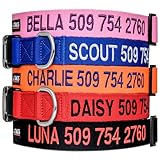
- Personalization that WOWs: Give your four legged companion the VIP treatment they deserve with our exclusive custom dog collar. With endless possibilities for personalization, you can create a one-of-a-kind collar that reflects their unique personality
- Peace of Mind: Don't let your furry friend's identity go unnoticed. Our custom embroidered dog collar is a surefire way to keep them safe and stylish. No more fumbling with noisy tags or worrying about them going missing. It's time to upgrade to a collar that screams "I am loved and protected"
- Click Customize Now: With a variety of vibrant collar colors and thread options, get ready to steal the spotlight and become the envy of dog owners everywhere
- Unmatched Comfort: Our adjustable, user-friendly dog collar fits all breeds of all sizes. Available in 4 sizes: X-Small (3/8 in. x 8-12 in. length); Small (5/8 in. x 11-16 in. length); Medium (3/4 in. x 14-20 in. length); and Large (1 in. x 18-26 in. length)
- Lifetime Durability: Crafted from premium-grade nylon ensuring durability and longevity. No more worries about fraying or wear and tear as our collar is designed to withstand even the most active adventures
The ASPCA describes disaster work that can include local search-and-rescue support, emergency sheltering, care for displaced animals and coordination with animal-welfare and emergency-management organizations. FEMA’s Animal Evacuation, Transport, and Re-Entry Team resource definition, version 1.6 updated December 10, 2024, includes evacuation, animal identification and documentation, coordination with other animal-response teams and return to the community when appropriate. Those descriptions explain possible roles; they do not identify which teams or shelters are active in your specific disaster. Only local authorities can confirm that.
Choose the right reporting channel
Use several channels, but compare them by what they can actually confirm. Animal control may cover the jurisdiction and official intake records; a municipal or private shelter may hold animals directly or may have moved; veterinary hospitals may know about injured animals; rescue groups may assist with transport or temporary care; and emergency management can identify disaster-specific locations. Ask each organization whether it accepts reports for the affected area, how often its listings are updated and how you will be notified if a possible match is found. Verify those details locally because coverage and procedures can change during an incident.
Keep official reports and community outreach linked. If a neighborhood post produces a sighting, send the time, location, direction and any image to animal control or the shelter handling the case. A social post can reach witnesses quickly, but it does not replace an official lost-animal report or an in-person shelter check.
Create one clear missing-dog alert
Prepare a large, legible notice and reuse the same design and details in neighborhood posts, local lost-pet groups, emails and text messages. Ask group administrators to share it rather than creating multiple versions with conflicting information.
Free tools Windows power users keep installed
One-click scans. No signup required.
- A recent, clear photograph showing the dog’s face and body.
- Breed or likely mix, sex, color, coat pattern and approximate age or size.
- Distinctive features such as markings, scars, a limp, cropped or floppy ears, or a visible collar.
- The exact last-seen date, time and location, plus the direction the dog may have traveled.
- Whether the dog is wearing a collar or tag and whether a microchip is registered.
- A reliable primary phone number and a backup contact who can answer promptly.
- A short instruction such as “Call or text with sightings; do not chase,” if that reflects the dog’s behavior and your local team’s advice.
Post only information that helps someone identify and safely report the dog. Keep your phone available, check message requests and save useful sightings with the time, location, direction of travel and photograph if available. Tell official animal-control or shelter staff about credible sightings so they can coordinate with local responders.
Coordinate sightings without creating a new hazard
Ask witnesses to observe from a safe, authorized location rather than chase a frightened dog toward traffic, floodwater or damaged structures. Record the exact time, street or landmark, direction of travel, coat and collar details, and whether the dog entered a yard, shed or other enclosure. A precise sighting can help responders decide which area to check next; a vague message may send people into an unsafe or already restricted zone.
Also popular on Amazon

- SAFETY,GREAT IDENTIFICATION FOR YOUR DOG - Say goodbye to the annoyance of a jingling metal tag! Our strong nylon dog collar features a sewn-in rubber tag that can be customized with your dog’s name and phone number for long-lasting identification. No need to worry about it falling off or being chewed by your dog.
- COMFORT: The collar is made of high-quality nylon material and lined with soft neoprene padding to protect the dog’s neck from irritation during activity.
- UNIQUENESS: The collar is available in multiple colors and can be customized with different fonts and colors to make your dog stand out from the rest. Click “Customize now” to see a preview!
- DURABILITY: The collar is made of high-quality materials and is strong and durable for long-lasting use.
- CONVENIENCE: The collar features a side-release buckle for easy one-handed quick release. It is also available in multiple sizes: XSmall (3/4" wide by 8"-12" adjustable length); Small (3/4" wide by 10"-16" adjustable length); Medium (1" wide by 14"-20" adjustable length); and Large (1" inch wide by 16"-24" adjustable length). This dog collar fits many kinds of dogs, like Poodles, Pugs, Dachshunds, Terriers, Beagles, Pitbulls, Labradors, Bulldogs and so on.
Designate one person to maintain the sighting log and one person to communicate with agencies. Give responders the newest photograph and note if the dog may look different because of mud, wet fur, injury or stress. If the dog is reportedly contained, ask the agency handling found animals how to arrange a lawful and safe handoff rather than sending multiple uncoordinated people.
Check collar tags and microchip records
Verify the collar and tag
If someone finds your dog, a readable tag can provide the fastest route home. Check that the phone number on the tag is current, legible and answered. If the dog returns, replace a damaged or unreadable tag and make sure the collar fits securely without being so loose that it can slip off. The ASPCA recommends current collar-and-tag identification as part of disaster preparedness.
Do these 3 things before closing this tab:
1Fix the driver behind crashes, sound loss and screen glitches2Clear out junk files and repair common Windows errors3Scan for outdated or missing drivers - takes under a minuteUpdate the microchip registry
Locate your dog’s microchip number from adoption or veterinary records, if available. Contact the registry and confirm your phone number, email address, physical address and backup contact. Tell shelters, animal-control officers and veterinary clinics the chip number and registry name. A microchip is useful only when a shelter can connect its number to accurate contact information.
Understand why one scan may not be conclusive
A single negative scan does not always prove that a dog has no microchip. The CDC’s archived shelter guidance says scanners can differ and recommends scanning with each available scanner type before declaring an animal chip-free. Ask shelter or veterinary staff whether more than one scanner was used if a dog is reported as unidentified.
Use a daily follow-up system
Disaster shelters may receive animals at different times, and online records can lag behind intake. Check every relevant shelter and animal-control listing daily, and visit in person whenever local conditions make that safe and feasible. Bring current photos and identification. Ask staff to search by description as well as name, because a frightened, muddy, shaved or injured dog may not look as it did in your photograph.
Keep a simple log with these columns:
| Entry | Record |
|---|---|
| Organization or facility | Name, phone number, address or temporary location |
| Contact | Date, time, staff member and method of contact |
| Information provided | Photo, description, microchip number and last-seen details |
| Result | Checked records, in-person search, possible match or no match |
| Next action | Next check date, requested documents or a sighting to verify |
Update every organization when your phone number, location, search status or the dog’s appearance changes. If a credible sighting moves, tell local responders promptly so the search area can be adjusted.
The Tool Desk
Outbyte PC Repair FREEClear out junk files and repair common Windows errorsFree Scan →Outbyte Driver Updater FREEScan for outdated or missing drivers - takes under a minuteDriver Scan →Also popular on Amazon

- Silent & Secure Identification - No More Jingling Noise: Say goodbye to noisy, jingling tags that wake you up at night. Unlike traditional hanging tags that can get caught or fall off, our laser-etched stainless steel nameplate is fixed securely flat on the collar. This silent design provides peace of mind, ensuring your dog's ID stays permanently attached while keeping your home quiet and your pet distraction-free
- Maximum Visibility for Night Safety - Premium Reflective Nylon: Keep your furry friend visible and safe during late-night or early-morning walks. Constructed with high durability nylon and highly reflective stitching, this collar reflects ambient light to alert passing vehicles and pedestrians. It offers the perfect balance of heavy duty strength for pullers and essential safety visibility for outdoor adventures
- Anti Chafe Comfort - Soft Neoprene Padded Lining: Designed for all-day wear without irritation. The collar features a luxurious, breathable Neoprene padding that creates a soft cushion between the rugged nylon and your dog's neck. This design protects sensitive skin and prevents fur damage, allowing your pet to run, play, and sleep in absolute comfort
- Clear & Fade-Resistant Customization - Identifying Your Lost Pet: Ensure your lost dog can always find their way home. We use advanced laser engraving technology to etch your customized text deep into the stainless steel plate, making it clear, readable, and fade-resistant over years of use. With space for up to 4 lines of text, you can include your dog’s name, phone number, and address—crucial info that speaks for them when they can't
- Perfect Fit for Every Breed - Adjustable & Measured Sizing: A tailored fit for every stage, from growing puppies to large breeds. Available in 5 adjustable sizes (XS to XL), suitable for boys and girls of all breeds. Please measure your dog's neck circumference before ordering to ensure the most comfortable fit. The high-quality buckle ensures the collar stays on securely, whether playing in the park or resting at home
When checking a facility, ask whether animals are listed under a temporary identification number, a description, or a transfer location rather than your dog’s name. Request the best time to call again and whether an in-person visit is currently permitted. Do not assume that a closed listing means the dog was not admitted; ask staff how delayed or transferred records are handled.
Follow local rules if someone finds the dog
Legal requirements for a found animal vary. The ASPCA’s position on animal-shelter responsibilities notes that people who find an animal should follow the law in their jurisdiction regarding reporting, checking identification, delivering the animal to a designated facility and temporary holding. A finder should not simply keep a dog without checking local requirements and coordinating with animal control or a shelter.
If someone contacts you directly, ask for the exact location, time, photographs and whether the dog is contained. Share the information with the appropriate local agency, which can explain the lawful and safest handoff. Do not publish sensitive details that could make it difficult to verify the real owner.
What to do when the dog is located
Tell every shelter, rescue group, neighborhood administrator and emergency contact that the search has ended. Remove or update public notices so people stop looking and do not send responders to an old location. If the dog was exposed to floodwater, transported through evacuation centers or held with other animals, ask a veterinarian what examination and preventive care are appropriate. Follow hygiene instructions in evacuation facilities, especially before contact with other animals or vulnerable people.
Inspect the collar and tag for damage, confirm the phone number, and verify the microchip registry while you have the dog in front of you. Keep a recent photograph and written description with your emergency supplies in case another evacuation separates you.
Independent reader supportYour contribution helps us test, update, and keep practical guides available for everyone.Prepare identification before the next emergency
A collar with an ID tag is a practical preparedness accessory, not a locator and not a guarantee that a missing dog will be recovered. The tag should carry a current phone number and any contact information needed to reach you. Pair it with a registered microchip and an up-to-date photograph. Store the chip number, veterinary records and emergency contacts somewhere you can access if your home is damaged or your phone is lost.
Also popular on Amazon

- 【Multicolor & Safety】One set contains 12 collars of different colors, enough to meet your needs, so that you can easily identify your puppy, and looks cute on both boy and girl puppies. Buckle will quick release automatically under pressure if your puppy get stuck up in something. It has just enough resistance in the break away part, not breakaway easily.
- 【Comfy & Durable】Silky soft nylon doesn't irritate your furry friends. It allows your pets to playing freely and comfortable. Our puppy collars are all made of high-quality materials, strong and durable. Colorfast dye means this collar won't fade, so it can keeps the obvious recognition function all the time. And can be machine washed and repeatedly used for a long time.
- 【Fully Adjustble & Easy】Our puppy collars are available in 2 sizes, -S-(adjustable from 6.8-10.2 inch, 2/5 inch width), -M-(adjustable from 9.0-12.0 inch, 2/5 inch width), Measure your puppy before buying(with string or tape measure), Each size is adjustable and easy to operate to meet your growing puppies
- 【12 Colors Bone shaped ID Tags】These aluminum dog tags have 12 colors that match the collars. It will be a cool idea to choose different colors according to your puppy's personality. And we have provided some label stickers that you can paste the puppy's information on the ID tag to prevent the puppy from losing when you take your puppy out, Of course, it is better if you have other carving methods.
- 【6 Record Keeping Charts】1*whelping details, 2*weight chart-daily, 1*weight chart-weekly, 1*bottle & tube feedings, 1*new owner information. This is a complete record keeping system for breeders of puppies, a great way to keep permanent records of each puppy. This makes tracking your litter much easier and a perfect way to show prospective owners.
- Check the tag and collar regularly for wear, fading or a wrong number.
- Update the registry after moving, changing phone numbers or changing the backup contact.
- Keep printed and digital copies of the dog’s photograph and identifying details.
- Include the local animal-control number, shelter contacts and emergency-management website or phone line in your household plan.
- Before evacuating, confirm which shelters accept animals and whether they require carriers, leashes, vaccination records or other documents.
The fastest disaster search combines a safe neighborhood check, immediate official reports, direct contact with temporary animal shelters, consistent public outreach and identification that leads to a current phone number. Continue the cycle daily while following local road, flood and shelter instructions.
Frequently Asked Questions
How do I find my dog after a hurricane or flood?
First search the home and safe nearby hiding places, then ask neighbors to check sheds, garages and other enclosed areas. Report the dog to animal control, shelters, veterinary hospitals and rescue groups; ask emergency management where displaced animals are being housed; post one consistent alert with a recent photo; and check shelters daily, in person when possible. Never enter floodwater, unstable structures or closed roads.
What’s actually slowing this PC down?
Pick the symptom - the matching free tool is one click away.
Where should I report my missing dog after a disaster?
Contact local animal control, municipal and private shelters, veterinary hospitals, rescue groups and the local emergency-management or animal-response agency. Ask which locations are currently receiving found or evacuated animals and how to update your report.
Which shelters should I check for my lost dog?
Check every municipal and private shelter serving the affected area, plus temporary emergency shelters, holding sites, veterinary triage or reunification centers identified by local authorities. Facilities may move or transfer animals, so confirm current locations and operating status before traveling.
Is one negative microchip scan enough to rule out a chip?
No. Scanner types differ. CDC archived shelter guidance recommends scanning with each available scanner type before declaring an animal chip-free. Also confirm that the registry has current phone, email, address and backup-contact information.
Can a finder keep my dog after finding it?
Local law may require reporting, checking identification, delivery to a designated facility or specific temporary-holding steps. The finder should contact animal control or a shelter and follow the jurisdiction’s instructions rather than keeping the dog without coordination.
What should a missing-dog flyer include?
Use a recent clear photo; breed or likely mix; sex, color, age or size; distinctive markings; last-seen date, time and location; likely direction of travel; collar or microchip information; and a reliable primary number plus backup contact. Keep the same details in every post.
Should I search floodwater or a damaged building if I think my dog is there?
No. Follow current emergency-management instructions and do not enter floodwater, unstable structures, closed roads or restricted areas. Ask officials where it is safe for you or trained responders to search.
The Bottom Line
Search close by first, report immediately through official and local animal networks, ask emergency management about temporary disaster facilities, and use one accurate alert everywhere. Check shelters every day and in person when safe. Keep your collar tag and microchip registry current, and never trade your safety for access to floodwater, damaged structures or closed roads.





Leave a Reply