
What’s actually slowing this PC down?
Pick the symptom - the matching free tool is one click away.
Some links on this page are affiliate links: if you buy through them we may earn a commission, at no extra cost to you.
Stop the conflict by managing the couch first, not by forcing the dogs to share it. When both dogs are together, block the guarding dog’s access to the couch, provide separate resting places, and supervise or separate them around every known trigger. Then teach a calm alternative such as going to a bed. Growling, snapping, chasing, or biting requires help from a veterinarian and a qualified behavior professional rather than a do-it-yourself confrontation.
A large dog does not need a different behavior plan simply because of its size. Size does affect how much damage a fight could cause and how sturdy your barriers must be, so use management that the individual dogs cannot push through, jump over, or move.
As an Amazon Associate I earn from qualifying purchases.
Free tools Windows power users keep installed
One-click scans. No signup required.
Why a couch can become a guarded resource
Resource guarding is behavior intended to keep another animal away from something the dog values. The resource may be food, a chew, a toy, a person, a doorway, or a resting place such as a sofa. A dog may guard the couch because it is comfortable, elevated, socially important, or associated with attention. The reason matters less than the observable pattern: one dog becomes uncomfortable when the other approaches the furniture and acts to make that dog leave.
Guarding often starts with subtle communication. A dog may freeze, brace its body, block part of the couch, shift its weight toward the other dog, track the dog with side-eye, or give a hard stare. If the approach continues, the dog may growl, lift its lip, snap, lunge, chase the other dog away, or bite. These signals are not a challenge to win; they are information that the dog wants more distance.
Popular on Amazon

- Auto-Close Baby Gate: Designed with an intelligent self-closing system, this dog gate automatically swings shut at angle under 90°, providing reliable protection against accidental openings
- Dual-Lock Safety: This baby gate for stairs features a secure dual-lock mechanism, ensuring curious children and pets stay safely contained while allowing adults to open it effortlessly with one hand. Parents can pass through the baby gates for doorways with ease even while carrying groceries or a baby
- Tool-Free Installation: The pressure-mounted dog gate indoor provides a secure hold while protecting your walls or furniture from damage, ideal for renters and hassle-free setups. The dog gates for doorways offer a quick, temporary solution that's both safe and convenient. The attached sticky pads are provided to keep the wall cups in place, so you don't need to drill
- Stroller-Friendly Baby Gate for Stairs: Features an anti-stumble pedal, ensuring a seamless transition between the pet gate and the floor. This design reduces the risk of tripping and allows strollers to roll through the child gate effortlessly, making the pressure mounted baby gate ideal for families with elderly members and young children
- Adjustable Pet Gate Indoor: With an adjustable width from 29 to 40 inches, the baby gate with door fits most standard doorways and stair openings, creating a safety environment for your little ones and furry friends while giving you peace of mind. Please measure the width of the openings you want to place the child gate before installation
The immediate goal is to prevent another rehearsal of the behavior. Each successful attempt to drive the other dog away can make the pattern more practiced and predictable. Management and training must therefore happen together: management keeps everyone safe now, while training builds a different response over time.
Safety measures to use immediately
Keep the dogs off the couch together
Until a qualified professional has assessed the situation, do not allow both dogs to occupy the couch or approach one another around it. If the guarding dog is already on the couch, do not reach in, pull it by the collar, or send the other dog toward it. Instead, calmly create distance using a door, a secure gate, or another barrier and wait for professional guidance on how to move the dog safely.
The Tool Desk
Outbyte Driver Updater FREEScan for outdated or missing drivers - takes under a minuteDriver Scan →Outbyte PC Repair FREERepair Windows errors before they cause bigger problemsFix Now →Separate whenever you cannot actively supervise
Use different rooms, closed doors, or a securely installed barrier when you are cooking, sleeping, answering the phone, or otherwise unable to watch the dogs. Separation should be arranged before a dog gets onto the couch, not after a confrontation has started. A barrier is only useful if both dogs can remain on their respective sides without climbing over, pushing through, or fighting at the boundary.
Remove other conflict triggers
Look beyond the sofa. If the dogs also argue over toys, chews, food bowls, laps, beds, doorways, or particular people, remove or separate those resources when the dogs are together. Feed them in separate areas, give high-value chews only behind closed doors, and pick up toys that cannot be shared safely. Preventing access to several triggers is safer than testing whether the dogs can “work it out.”
Use barriers as management, not treatment
A sturdy pet gate or exercise pen can keep a dog away from the couch and support a separation plan. Select equipment that fits the opening, is anchored correctly, and matches the dogs’ strength and jumping ability. Do not rely on a gate if either dog can knock it over or if the dogs become more aroused by rushing the barrier. A barrier does not change the guarding emotion; it simply prevents access while you arrange training and professional assessment.
Also popular on Amazon

- [Worry-Free Safety]: Our expandable dog gate is great for doorways and blocking off other indoor spaces to keep your pet safe and secure. This durable puppy gate is made of strong, appealing fieldstone gray plastic with adorable paw print accents.
- [Convenient and Portable]: This gate for dogs is 23" tall, fits a variety of openings 26" - 40" wide. Please measure carefully: it will not work in a wider doorway. It is easy to take down and install - which means you can use it anywhere you need it!
- [Perfect for Modern Homes]: Our portable, adjustable pet gate features rubber bumpers that protect your walls and are positioned higher than other gates to accommodate up to 4" molding. It's an ideal indoor dog gate.
- [Easy and Comfortable to Use]: The sturdy, curved handle allows for a firm grip, which makes mounting and disassembling a breeze!
- [Proud USA-Owned Company]: Our rigorously tested gates & yards bring peace of mind to your family. We stand for the highest safety & quality standards while creating the ideal products for your furry friends. This item is proudly made in the USA!
Recognize the warning signs early
| What you may see | What it means for your next action |
|---|---|
| Freezing, body tension, weight shifted to block the couch, side-eye tracking, or a hard stare | Stop the other dog’s approach and increase distance before the warning escalates. |
| Growling, lip lifting, a sharp head turn, or a lowered head over the couch edge | End the interaction calmly. Separate the dogs and do not punish the warning. |
| Snapping, lunging, chasing the other dog away, or repeated attempts to corner it | Use physical separation immediately and arrange qualified behavior help. |
| Any bite, puncture, or fight that is difficult to interrupt | Keep the dogs apart, obtain veterinary care for injuries, and seek urgent professional behavior advice. |
If you see stiffness or a growl, do not wait to see whether the dog will “really” react. Do not test the dog by bringing the other dog closer, touching the couch, or taking away the dog’s preferred spot. Creating distance at the first sign is safer and preserves useful communication.
Quick wins for a faster PC:
Repair Windows errors before they cause bigger problemsFix Now →Fix the driver behind crashes, sound loss and screen glitchesFind Drivers →Choose a furniture rule your household can enforce
There are two workable policies. The safer default while guarding is being assessed is to keep both dogs off the couch. Some households may eventually allow furniture access under a behavior professional’s plan, but only when the dogs can remain relaxed, the rule is consistent, and an adult can supervise.
| Policy | Advantages | Requirements and limits |
|---|---|---|
| Both dogs stay off the couch | Removes the guarded location and simplifies supervision; every person can follow one clear rule. | Each dog needs a comfortable alternative resting place. The rule must apply at all times, including weekends and visitors. |
| Furniture access only under a structured plan | May preserve couch access if a professional determines that the risk is low and the dogs remain relaxed. | Requires reliable cues, close supervision, immediate separation options, and a written plan. It is not appropriate while there is active aggression or uncertain bite risk. |
Do not let one family member invite a dog onto the couch while another tries to keep it off. Inconsistent access can increase competition and makes it impossible to know which situations are safe. Decide the rule, write it down, and teach every person in the home to follow the same response.
Teach each dog a separate place to settle
An alternative bed is not a cure for guarding, but it gives the dog a predictable place to rest away from the contested furniture. Provide each dog with its own bed, mat, raised cot, or other comfortable surface in a calm location. Place the beds far enough apart that neither dog feels trapped or crowded.
- Train one dog at a time. Begin in a quiet room with the other dog behind a closed door or secure barrier. Keep small treats available as rewards, but do not use food to lure a tense dog away from the couch.
- Introduce a cue. Say “go to bed” or “place” as the dog looks toward its bed. Reward movement toward the bed, then reward stepping onto it.
- Reward settling. When the dog lies down or relaxes on the bed, deliver another reward calmly. Gradually wait a little longer between rewards while the dog remains settled.
- Add a release cue. Use a word such as “free” to indicate that the dog may leave. This prevents the bed from becoming an unpredictable trap.
- Practice in several rooms. Once the dog responds reliably in a quiet area, practice at increasing distances and with mild household activity. Keep sessions short enough that the dog stays relaxed.
- Introduce the other dog only with professional guidance. If the dogs cannot remain loose and comfortable behind a barrier, continue separate training and ask a qualified professional how to progress.
Place a bed near, but not touching, the couch if that location is otherwise safe. Reward the dog for choosing the bed and lying there. Do not drag the dog from the sofa onto the bed or physically place it where it is guarding; that can turn the bed into another conflict point.
Also popular on Amazon

- WORRY FREE SAFETY: Our expandable dog gate is great for doorways and blocking off other indoor spaces to keep your pet safe and secure. This durable puppy gate is made of strong, appealing light gray plastic with adorable paw print accents.
- CONVENIENT AND PORTABLE: This gate for dogs is 23" tall, fits a variety of openings 26" - 40" wide. Please measure carefully: it will not work in a wider doorway. It is easy to take down and install - which means you can use it anywhere you need it!
- PERFECT FOR MODERN HOMES: Our portable, adjustable pet gate features rubber bumpers that protect your walls and are positioned higher than other gates to accommodate up to 4" molding. It's an ideal indoor dog gate.
- EASY AND COMFORTABLE TO USE: The sturdy, curved handle allows for a firm grip, which makes mounting and disassembling a breeze!
- PROUDLY MADE IN THE USA: Our rigorously tested gates, yards & pens bring peace of mind to the entire family. We stand for the highest safety, quality and operational standards while creating the ideal collection of products for your furry friends. This item is proudly made in the USA!
Use gradual behavior change, not forced sharing
Desensitization and counterconditioning can change how a dog feels about the other dog near a resting place, but the setup must match the dogs’ history and bite risk. In general, the dogs are kept far enough apart that the guarding dog notices the other dog without stiffening, staring, growling, or blocking. Calm behavior is paired with something the dog values, and distance is reduced only in small, successful steps.
This work requires repetition over time and frequent adjustments. If the dog reacts, the distance was too small, the session was too long, or the trigger was too intense; the safe response is to increase distance and stop, not to insist on obedience. A behavior consultant or board-certified veterinary behaviorist can determine whether barriers, parallel activities, or other arrangements are appropriate. Do not improvise a close-range trade or counterconditioning exercise while the dogs are tense.
What not to do
- Do not punish the growl. Yelling, hitting, leash corrections, or intimidation may suppress the audible warning without removing the dog’s discomfort. A dog that stops growling can still snap or bite with less notice.
- Do not forcibly remove the dog. Pulling a collar, grabbing the dog, pushing it off, or reaching over its body can provoke a bite and can make the couch more valuable.
- Do not repeatedly take resources to prove authority. Taking food, chews, or resting places away over and over can teach a dog that people and other dogs make valued items disappear, increasing defensive guarding.
- Do not use frightening deterrents. Startle devices, spray, shouting, or other fear-inducing methods can increase arousal and damage trust without teaching a safe alternative.
- Do not make the other dog “challenge” the guarder. Allowing an approach to continue until one dog gives up risks a fight and rewards the dog that drives the other away.
How to use beds, gates, and treats safely
Management equipment should be selected for the individual dogs and the layout of the home. A gate or pen must be stable, properly installed, and positioned so the dogs cannot make contact through it if that contact causes lunging. If a dog repeatedly charges the barrier, use a different room or a solid door and ask for professional help.
A bed, mat, or cot should be comfortable enough that each dog willingly chooses it. There is no single bed style that suits every dog; observe whether the dog can lie down, turn around, and relax. Keep beds in locations where a dog has an escape route and is not forced to defend the space.
Do these 3 things before closing this tab:
1Fix the driver behind crashes, sound loss and screen glitches2Clear out junk files and repair common Windows errors3Scan for outdated or missing drivers - takes under a minuteTreats are rewards for calm behavior such as orienting to the bed, lying down, or looking away from the other dog. They are not a bribe to pull a tense dog off the couch, and they should not be used for an unsupervised trade when another dog is close.
Also popular on Amazon

- NO TRIP HAZARD, SPACE-SAVING: No bottom rail to trip over, and the mesh rolls away neatly when not in use—perfect for narrow hallways, doorways, and open-plan homes.
- NO BASEBOARD DAMAGE: The adjustable lower bracket slides up and down to fit any baseboard, so you get a snug, secure fit scratching your trim.
- SEE-THROUGH DURABLE MESH: Strong, tear-resistant mesh lets you keep an eye on children and pets while keeping them safely in their zone.
- ONE-HAND OPERATION: Open and close with a single hand while you carry your baby, laundry, or groceries—just press and pull.
- FITS EVERYWHERE, EASY INSTALL: Extends 0–54" wide, 34" tall for stairs, doorways, hallways, decks, and porches—comes complete with anchors, screws.
When a veterinarian or behavior professional is needed
Arrange a veterinary examination for sudden or worsening guarding
If the behavior began abruptly, became substantially more intense, or appears alongside reluctance to move, sensitivity to touch, limping, or other signs of discomfort, schedule a veterinary examination. Pain and other medical problems can affect tolerance and aggressive behavior. Treating a medical issue may be part of the safety plan, but it does not replace management or behavior work.
Seek qualified behavior help for aggression
Contact a qualified behavior consultant or board-certified veterinary behaviorist for growling that is difficult to manage, snapping, lunging, chasing, bites, repeated fights, or any situation in which you cannot maintain safe separation. Bring a written history: what happened before each incident, where each dog was, what warning signs appeared, how the dogs were separated, and whether anyone was injured.
Be realistic about the timeline. Some dogs need long-term management, and the safest outcome may be permanent separation around furniture or other high-value resources. A professional can help you decide what level of access, if any, is reasonable.
PC Slower Than It Used to Be?
A free scan shows the junk files, broken settings and background clutter dragging Windows down - then fixes them in one click.Free scan · Windows 10 & 11Outdated Drivers Are Slowing You Down
One free scan finds every outdated or missing driver and matches the right update for your exact hardware.Free scan · exact hardware matchTroubleshooting common situations
The guarding dog is already on the couch
Keep the other dog away and avoid reaching toward the guarder. Use a door or barrier to separate the dogs. Once everyone is safe, ask a professional to teach you a low-conflict removal procedure tailored to your dog; do not invent one during an incident.
The dog guards only when a person sits down
Manage the person-related trigger as well as the couch. Keep both dogs off the furniture, give each a separate bed, and prevent crowding around the person. A behavior professional can help identify whether the dog is guarding the location, the person, or both.
Also popular on Amazon
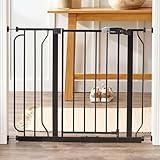
- ✅TESTED & TRUSTED BABY SAFETY GATE FOR OVER 30 YEARS: Parent-trusted safety gate certified by the Baby Safety Alliance.
- ❤️AMERICAN DESIGNED & FAMILY OWNED BABY GATE BRAND: Designed in the USA by parents, for parents. Regalo is a family-owned, US-based brand delivering trusted baby safety gates and child safety products for over 30 years.
- 🔒EXTRA WIDE BABY GATE FOR DOORWAYS & BOTTOM OF STAIRS: Expands to fit openings 29–38.5" wide and stands 30". Ideal for bottom of stairs, hallways, and doorways. FITS OPENINGS: 29–32" no extension, 35.5–38.5" with 6". DOES NOT FIT OPENINGS: 32–35.5".
- EASY SETUP WITH PRESSURE MOUNT DESIGN: ⚠️Install according to manufacturer’s instructions. ⚠️Wall cups must be used to keep the gate securely in place. ⚠️ To prevent falls, never use at the top of stairs.
- 🐾CHILD & PET SAFE | PUERTA DE SEGURIDAD PARA BEBÉS Y MASCOTAS: Walk-through safety gate designed for babies 6–24 months and small to medium pets. Features a secure safety locking system for parent convenience.
The dogs are calm behind a gate but tense when the gate opens
Keep the gate closed and increase distance rather than rushing to open it. Practice calm settling separately, then ask a professional to design gradual steps for working with the gate and doorway. Calmness through a barrier does not prove that direct contact is safe.
One dog ignores the warning and keeps approaching
Interrupt the approaching dog before it reaches the couch and manage both dogs more actively. Train each dog to respond to its own place cue away from the trigger. The dog that approaches is not “at fault,” but allowing repeated approaches exposes both dogs to unnecessary risk.
A fight has already happened
Separate the dogs completely and check both for punctures, swelling, limping, or pain; bite wounds can be hidden under fur and may require veterinary care. Do not stage another meeting to see whether the conflict is over. Arrange professional behavior support before attempting shared couch access or other close interactions.
Household checklist
- Both dogs are kept off the couch together while the situation is assessed.
- Each dog has a separate, comfortable resting place.
- Doors or sturdy barriers are available before either dog reaches a guarded location.
- Food, chews, toys, and other known triggers are separated.
- Everyone recognizes freezing, blocking, hard staring, and growling as cues to create distance.
- No one yells, grabs, drags, or forcibly removes a guarding dog.
- Training sessions are short, calm, and conducted separately unless a professional directs otherwise.
- A veterinarian is involved when guarding is sudden, painful, or worsening.
- A qualified behavior professional is involved when there is aggression, injury, repeated conflict, or uncertainty about safety.
The practical answer is management first: remove access to the contested couch, separate the dogs around triggers, and teach each dog to settle in its own place. Only consider shared furniture after a qualified professional has assessed the risk and the dogs can remain reliably relaxed under a consistent household plan.





Leave a Reply