
Outdated Drivers Are Slowing You Down
One free scan finds every outdated or missing driver and matches the right update for your exact hardware.Free scan · exact hardware matchWindows Errors? Fix Them Before They Spread
Repair common Windows errors and clear accumulated junk for a smoother, more stable PC - no reinstall needed.Free scan · no reinstallSome links on this page are affiliate links: if you buy through them we may earn a commission, at no extra cost to you.
Make the supplies unreachable first, then manage and train the puppy. Move every cleaner, detergent, pod, disinfectant, wipe, sponge and cleaning tool into a closed cabinet or other storage the puppy cannot access. Shut the door, clean spills promptly, and use a puppy-proofed confinement area whenever you cannot supervise. When the puppy targets an unsafe object, calmly redirect to a suitable puppy chew toy and reward the choice.
If your puppy may have licked, chewed or swallowed a cleaning product, contact a veterinarian or animal poison-control service promptly. Keep the container or label with you. Suspected corrosive exposure requires immediate veterinary care even when the puppy appears normal, and you should not induce vomiting unless a veterinarian specifically tells you to.
As an Amazon Associate I earn from qualifying purchases.
Why prevention comes before training
Chewing is normal puppy behavior, especially during teething, but a training plan cannot make an accessible chemical safe. A puppy that can reach a bottle, detergent pod, dryer sheet or mop may bite through it before you can intervene. Management removes the opportunity while your puppy learns what is appropriate to chew.
Start with a complete inventory rather than only the products you consider dangerous. Include laundry products, dish and floor cleaners, disinfectants, toilet products, sprays, wipes, sponges, brushes, mop heads, buckets and containers with residue. A puppy can chew the implement or packaging even when the product inside is not highly hazardous.
Popular on Amazon

- Teaches Healthy Chewing Habits - This puppy teething toy set includes two puppy chew toys and an edible chew treat perfect for every developmental phase
- Designed in Materials for Every Stage - These puppy chew toys for teething start with the soft material for teething puppies, then graduate to the tougher material for puppies with adult teeth
- Highly Digestible Chew Treat - Long-lasting bacon-flavored dog chew treat contains no artificial colors, flavors, or preservatives
- Made in the Usa - These chew toys for puppies are proudly made in New Jersey
- Trusted Chew Toys with Heart & Purpose - Every one of these small dog chew toys features a unique shape, individual texture, and gotta-have-it flavor created with purpose and love to give your dog what they need, when they need it
Do a room-by-room check from the puppy’s height. Look under sinks, beside toilets, behind doors, on laundry appliances and in open baskets. Check for dropped caps, torn packaging, used paper towels and damp rags as well as full containers. Repeat the check whenever furniture, storage or the puppy’s access changes; a setup that was safe for a small puppy may not remain safe as the dog grows or learns to climb.
Set up storage a puppy cannot defeat
Use inaccessible storage as the primary barrier
Place products in a closed, secure cabinet or another location the puppy cannot reach. An elevated cabinet can help, but height alone is not a guarantee for a determined or growing dog. Keep doors shut immediately after use and return products rather than leaving them on a counter, washing-machine lid or floor.
Quick wins for a faster PC:
Repair Windows errors before they cause bigger problemsFix Now →Scan for outdated or missing drivers - takes under a minuteDriver Scan →Clear out junk files and repair common Windows errorsFree Scan →A cabinet child-safety latch or lock can add protection to a reachable cabinet. It is a backup, not a substitute for inaccessible storage: VCA cautions that childproof lids do not stop a dog from chewing. Check the latch regularly and move products if the puppy learns to paw, nose or pull at the door. Make “put it away before moving on” the household rule, including when a task is interrupted by a phone call, delivery or another pet.
| Storage approach | How to use it | Important limitation |
|---|---|---|
| Closed, elevated cabinet | Keep all cleaners and laundry products behind a shut door above the puppy’s reach. | A growing or climbing puppy may eventually reach it; reassess access as the puppy grows. |
| Locked cabinet | Use a lock when a cabinet is reachable or when several people use the room. | The lock must be closed every time; an unlocked door is still an opening. |
| Child-safety latch | Add a latch to a cabinet that needs extra resistance to nudging or pawing. | It is not dog-proof. Do not rely on it to withstand chewing or a persistent puppy. |
| Open shelf or floor storage | Do not use this for cleaners, detergents, pods or contaminated tools. | The puppy can investigate without warning. |
Secure products after every task
Carry one product at a time and put it away before opening another. Close caps and containers completely. Do not leave a detergent pod, spray bottle or soaked wipe on the edge of a sink while you answer the phone or leave the room. If a container leaks, place it out of reach first, then deal with the spill according to its label.
Keep products in their original containers so the label and ingredient information remain available. Do not transfer cleaners to cups, food jars or unmarked bottles. If more than one person cleans, tell everyone where the secured storage is and make sure visitors follow the same routine.
Control access while the habit changes
Supervise waking time
Stay close enough to intervene when the puppy is loose and chewing is not yet reliable. Scan the room at puppy level: a low shelf, laundry basket, trash can, mop bucket or dropped cap may be more accessible than it looks from standing height. Supervision is active observation, not merely being in the same house.
The Tool Desk
Outbyte PC Repair FREEClear out junk files and repair common Windows errorsFree Scan →Outbyte Driver Updater FREEScan for outdated or missing drivers - takes under a minuteDriver Scan →Watch for the first investigation rather than waiting for a bite. A puppy sniffing, pawing or carrying a bottle should be calmly interrupted before the container is punctured. Avoid turning the interruption into a chase, because running after the puppy can make the object more exciting and may encourage swallowing.
Also popular on Amazon

- 6 Different Shapes of Dog Chew Toys: These puppy toys come in 6 different shapes to keep your furry friend happy and engaged. The unique designs feature molar bumps to clean various teeth, massage gums, and control tartar and plaque.
- Safe and Effective Puppy Teeth Cleaning: Made from 100% non-toxic natural rubber, these puppy chew toys are safe for your pet to chew on. Their uneven surface design thoroughly cleans your dog's teeth and massages gums for optimal dental care. Great for teething puppies!
- Interactive Toys for Small Breed Puppies: These fun toys are perfect for playing outside and make great dog training toys for small dogs. Playing together helps you bond with your furry friend and is beneficial for their physical and mental health.
- Ideal Gifts for Dogs: These puppy teething toys are perfect for puppies and small dogs. They can help reduce destructive chewing caused by boredom and anxiety while providing great entertainment. These toys make the perfect birthday or Christmas gifts for pet owners looking to give their furry friend something special.
- Satisfaction Choice & Kindly Reminder: Our dog chew toys will be great for your puppy. Meanwhile, we suggest only use under supervision if your dog is extremely aggressive chewer, and not for large breed
Use a puppy-proofed confinement area
When direct supervision is unavailable, place the puppy in a safe, puppy-proofed area with unsafe products and implements removed. Provide suitable toys and chews that match the puppy’s size and chewing style. Inspect the area whenever you change furniture, add a laundry hamper or move cleaning equipment; a previously safe setup can become reachable.
Exercise and mental activity also matter. Age-appropriate play, short training sessions and opportunities to investigate safe objects can make it easier for the puppy to settle with an approved chew. These activities support management; they do not replace secure storage. Rotate a few safe toys so the puppy has something interesting to choose without presenting a crowded area full of questionable objects.
Teach the puppy what to chew
Redirect in the moment
- Prevent access calmly. Block the puppy from the cleaner or container without turning the event into a chase.
- Offer an appropriate chew object. Use a puppy chew toy or teething toy selected for the puppy’s size and chewing style.
- Reward the correct choice. As soon as the puppy begins chewing the approved object, give praise and, when appropriate, a small treat.
- Repeat consistently. Every household member should use the same response and keep unsafe items unavailable.
VCA’s guidance is to redirect a puppy chewing an inappropriate object and reward chewing an appropriate one. Do not give discarded household items as toys. A used sponge, empty detergent bottle or old cleaning cloth can teach the puppy that similar objects are acceptable, making the rule harder to understand. Calmly trade for the approved chew instead of scolding; the useful lesson is which object earns attention and rewards.
Recommended Free Tools
Choose chews for the individual puppy
Select toys or chews that fit the puppy’s mouth and chewing style. Supervise every chewing session at first. Remove a toy if it fragments, sheds pieces or becomes small enough to swallow. Ask your veterinarian for puppy-specific recommendations, especially if your puppy is a powerful chewer or has already consumed part of a toy or chew. Contact the veterinarian promptly if a piece was swallowed.
| What to check | Why it matters |
|---|---|
| Size | The item should be appropriate for the puppy rather than small enough to lodge in the mouth or be swallowed. |
| Durability during use | Inspect for cracks, loose pieces and fragments as the puppy chews. |
| Chewing style | A toy suitable for a gentle nibbler may fail quickly with a forceful chewer. |
| Supervision need | Remove any product that breaks apart or can be swallowed; do not assume a label makes unsupervised chewing safe. |
Keep cleaning areas safe after use
Clean spills promptly
Follow the product label for handling a spill and ventilate the area as appropriate. Keep the puppy away from the treated surface until the label allows access and the surface is dry. Do not let the puppy lick a wet floor, rag, mop head or puddle just because the product was diluted.
Keep the puppy out while you are measuring, spraying or wiping. Once the task is complete, close the container, wash or store the tool as directed, and verify that no residue remains where the puppy can investigate. If the label gives a longer waiting period, follow that period rather than relying only on the surface feeling dry.
Control contaminated tools and laundry
Rinse, dispose of or store used cloths, wipes, sponges, mop heads and buckets where the puppy cannot reach them. Put laundry products away before releasing the puppy into the room. A dryer sheet or fabric-softener sheet can remain hazardous after use, so place it directly in a secured trash container.
Do these 3 things before closing this tab:
1Scan for outdated or missing drivers - takes under a minute2Repair Windows errors before they cause bigger problems3Fix the driver behind crashes, sound loss and screen glitchesAlso popular on Amazon
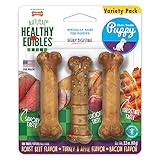
- Puppy Treats Made in the USA - We proudly craft all Healthy Edibles dog chew treats in the United States
- Supports Growing Puppies - All natural dog treats are highly digestible, and Turkey & Apple is specially formulated with DHA to help support puppies' brain & eye development
- Edible Dog Chews Made With All-Natural Ingredients - These healthy dog treats are made with no artificial preservatives, colors, or flavors
- Great for Puppy Training - These long-lasting dog chews can be rewarding training treats to encourage positive chewing habits
- For X-Small Puppies - These petite sized puppy chew treats are intended for young dogs up to 15 pounds
Cleaning products do not all pose the same risk
ASPCA Poison Control says most cleaning products are safe to use around dogs and cats when used according to labeled directions. That statement concerns proper use, not chewing a container or ingesting its contents. Formulation, concentration and amount matter, and you cannot reliably determine the risk at home from the product category alone.
| Product group | Why extra caution is warranted | What to do |
|---|---|---|
| General household cleaners used as directed | Many are considered safe around pets when the label is followed, but a puppy can still be harmed by licking wet product or chewing packaging. | Follow the label, ventilate as directed, keep the puppy out until access is permitted and surfaces are dry, and seek advice after suspected ingestion. |
| Liquid laundry detergent and detergent pods | They may irritate the mouth and throat and can sometimes produce serious symptoms. Pods contain concentrated product in a small package. | Store behind a closed, inaccessible door. Contact a veterinarian or poison-control service promptly after a bite, lick or ingestion. |
| Dryer sheets and fabric softeners | Some contain cationic detergents that can cause severe injury. | Keep new and used sheets, bottles and residue away from the puppy and obtain case-specific veterinary guidance after exposure. |
| Corrosive products | Injury can be severe, and clinical effects may be delayed even when the puppy seems normal. | Seek veterinary care immediately. Do not induce vomiting unless a veterinarian specifically directs you. |
What to do if your puppy chewed or swallowed a cleaner
Treat any possible exposure as a call-for-advice situation rather than trying to estimate a “safe” amount. A small puncture in a container, a missing pod, a wet mouth after licking a surface or an unknown amount can all justify prompt professional guidance.
- Move the puppy away from the product. Prevent further access without putting your hands in the puppy’s mouth or creating a struggle.
- Identify the product. Find the original container, label or a clear photograph. The ingredient list, formulation and product type help the veterinarian or poison specialist assess the exposure.
- Call promptly. Contact your veterinarian or an animal poison-control service and follow the instructions you receive. In the United States, ASPCA Poison Control lists (888) 426-4435; verify current service details when you call because contact information can change.
- Report the relevant facts. Tell the professional the puppy’s age and size, the product name and ingredients if available, the suspected time and amount, and what you observed.
- Follow the treatment direction exactly. Do not induce vomiting unless a veterinarian specifically instructs you to. Vomiting can cause additional injury after corrosive exposure.
Corrosive exposure is an emergency even without obvious signs
ASPCA advises immediate veterinary care for suspected corrosive products even if the pet appears normal because effects may be delayed. Do not wait for symptoms to develop and do not attempt a home remedy. Take the product information with you so the veterinary team can identify the formulation.
Troubleshoot common situations
| Situation | Immediate response | Prevention change |
|---|---|---|
| The puppy repeatedly paws at a cabinet | Move the products to inaccessible storage and calmly redirect the puppy to an approved chew. | Add a latch or lock as extra security, while treating inaccessible storage as the main barrier. |
| The puppy grabs a detergent pod | Prevent further access and call a veterinarian or poison-control service promptly, even if the pod appears intact. | Store pods behind a closed, secured door and never leave one on a counter or laundry appliance. |
| The puppy chews a mop, sponge or spray-bottle trigger | Remove the item and offer a suitable chew. If product may have been swallowed, keep the label and call for advice. | Store cleaning implements with the products; do not use discarded household items as toys. |
| The puppy guards the cleaner or snaps when you approach | Do not force a tug-of-war or put your hand in the mouth. Create distance and seek professional instructions. | Ask a veterinarian or qualified behavior professional for a plan, particularly if guarding or aggression persists. |
| The puppy keeps searching despite secure storage | Increase supervision and use the puppy-proofed confinement area when you cannot watch. | Add exercise and mental activity, then review the room at puppy level for overlooked access points. |
When to involve a veterinarian or behavior professional
Contact a veterinarian promptly after any suspected ingestion, licking or chewing of a cleaning product. Veterinary input is also appropriate when the puppy consumes a piece of a toy or chew, because the item may fragment or be swallowed.
Ask your veterinarian for help when the chewing is compulsive, continues despite careful management, or is accompanied by guarding or aggression when you remove an object. A qualified behavior professional can work with your veterinarian on a safe behavior plan. Do not keep testing the puppy’s restraint with accessible chemicals while waiting for the behavior to improve.
A simple daily prevention checklist
- All cleaners, detergents, pods, disinfectants and laundry products are behind a closed, inaccessible door.
- Child-safety latches or locks are closed where used, but are not treated as the only protection.
- Spills are cleaned according to the label, and the puppy stays away until the area is safe and dry.
- Used wipes, cloths, sponges, mop heads, buckets and dryer sheets are secured or discarded in a puppy-proofed container.
- The puppy is supervised when loose and confined safely when supervision is unavailable.
- Approved chews are available, fit the puppy, and are inspected during use.
- Everyone in the household responds by calmly preventing access, redirecting and rewarding appropriate chewing.
- The product label and your veterinarian’s contact information are easy to find in case exposure occurs.
Independent reader supportYour contribution helps us test, update, and keep practical guides available for everyone.“Most cleaning products are safe to use around dogs and cats as long as they are used per labeled directions.” — ASPCA Poison Control
Frequently Asked Questions
How do I stop a puppy from chewing cleaning supplies?
Make access impossible first: store cleaners, detergents, pods and contaminated tools behind a closed, inaccessible door. Supervise the puppy when loose, use a puppy-proofed confinement area when you cannot watch, and calmly redirect any attempted chewing to a suitable puppy chew toy. Reward the puppy as soon as it chews the approved object.
Also popular on Amazon

- Super Luxury Puppy Toys for Teething Small Dogs: Including 4 squeaky plush toys, 3 tough rope toys, 1 treat ball, extra a dog bag roll. Great size for small puppy and just pay less to get more toys than others
- Cute Design & Intellect Training: The no-stuffed fox toy has built-in squeaker and crinkle paper, which will be more attractive to the puppy. Besides, the treat ball can improve puppy's intellect by learning how to roll the ball to get treats fall out
- Good-quality & Long-lasting: Made of natural and good-quality material, safe for your pet. Designed tighter weaves with hundreds of fibers and made of tough plush to be more long-lasting and bite-resistant
- Protect Your Furniture & Clean Teeth: Dogs are natural chewers. These toys will keep puppies busy chewing from destroying your furniture. Plus, it is great for dental health that help puppies soothe gums and promote clean teeth
- Kindly Reminder: Our dog chew toys are for light chewers. We suggest only use under supervision if your dog is extremely aggressive chewer or large breeds. Discard immediately if bite marks, cracks, shedding, or loose parts appear. Never reuse damaged toys
What should I do if my puppy chewed a cleaning product?
Move the puppy away, keep the original container or label, and contact your veterinarian or an animal poison-control service promptly. Tell the professional the product, ingredients if available, your puppy’s age and size, the suspected time and amount, and what you observed. Do not induce vomiting unless a veterinarian specifically directs you.
What’s actually slowing this PC down?
Pick the symptom - the matching free tool is one click away.
Are cleaning products always poisonous to puppies?
No. ASPCA Poison Control says most cleaning products are safe around dogs and cats when used according to labeled directions. That does not mean a puppy can chew a container or ingest the contents safely. Concentration, formulation and amount vary, so obtain case-specific advice after any suspected exposure.
Is a child-safety latch enough to protect cleaning supplies?
No. A latch or lock can add resistance to a reachable cabinet, but it is a backup rather than the main barrier. VCA cautions that childproof lids do not stop a dog from chewing. Store products where the puppy cannot reach them and close the latch every time.
What toys should I use instead of cleaning supplies?
Choose a puppy chew toy or teething toy appropriate for the puppy’s size and chewing style. Supervise chewing, inspect for cracks or fragments, and remove any item that becomes small enough to swallow. Ask your veterinarian for puppy-specific recommendations, especially for a powerful chewer.
When is chewing a cleaner an emergency?
Suspected exposure warrants prompt veterinary or poison-control advice, including a bite, lick, missing pod or unknown amount. Suspected corrosive exposure requires immediate veterinary care even if the puppy seems normal because effects can be delayed. Do not wait for signs or try a home remedy.
Free tools Windows power users keep installed
One-click scans. No signup required.
Can I give my puppy an empty bottle, sponge or old cloth as a toy?
Do not use discarded household items as toys. An empty detergent bottle, used sponge or old cleaning cloth can teach the puppy that similar objects are acceptable to chew. Offer a purpose-made puppy chew toy and reward that choice instead.
What if my puppy guards the cleaner or snaps when I take it away?
Do not put your hand in the puppy’s mouth or start a tug-of-war. Create distance, prevent further access and seek instructions from a veterinarian or qualified behavior professional. Guarding or aggression that persists needs an individualized safety and behavior plan.
The Bottom Line
Secure first, train second. Keep every cleaner, detergent, pod and used cleaning tool behind a closed door the puppy cannot reach. Supervise, confine safely when you cannot watch, redirect to a correctly sized chew and reward the choice. After any suspected licking, chewing or swallowing, call a veterinarian or poison-control service promptly; treat suspected corrosive exposure as an immediate emergency and never induce vomiting unless directed.





Leave a Reply