
Some links on this page are affiliate links: if you buy through them we may earn a commission, at no extra cost to you.
Allergies can inflame a dog’s ear flaps and outer ear canals, making yeast or bacterial otitis externa more likely. But repeated ear infections do not prove an allergy. Parasites, foreign material, ear anatomy, microbial overgrowth, and middle-ear disease can produce similar patterns.
The reliable way to sort this out is a veterinary examination that combines your dog’s history and skin findings with otoscopy and microscopic evaluation of ear discharge. Allergy becomes a stronger possibility when ear disease occurs alongside itchy or reddened skin elsewhere, but only a structured work-up can identify the underlying cause.
As an Amazon Associate I earn from qualifying purchases.
What it means when allergies and ear infections occur together
An allergy is an inflammatory problem; an ear infection is a microbial problem that may develop because of that inflammation. Allergic skin disease can affect the concave surfaces of the ear flaps (pinnae) and the external ear canals. Inflammation changes the ear’s environment, and yeast or bacteria can then multiply and cause secondary otitis externa. Merck Veterinary Manual describes environmental allergens such as house dust, dust mites, molds, and pollens, as well as food allergy, as possible causes of allergic skin disease affecting the ears.
Finding yeast or bacteria in an ear sample answers one question—what is growing there now. It does not answer what made the ear susceptible. If the inciting inflammation remains, infection can return after apparently successful treatment. That is why a recurring infection should prompt investigation of an underlying cause rather than an assumption that the dog has an allergy.
Popular on Amazon

- POWERFUL YET GENTLE: Keeps ears clean, healthy and smelling fresh with a nonirritating, neutral-pH formula
- GREAT FOR ROUTINE CLEANING: Provides regular ear cleaning for dogs, cats, puppies and kittens
- TRUSTED BY VETERINARIANS: Relied on by veterinarians to maintain ear health and keep pets comfortable
- CLEANS AND HELPS DRY EARS: Dissolves wax, dirt and debris, and provides a drying effect after baths, swims and rainy walks
- IDEAL FOR EARS THAT NEED IT MOST: A good fit for dogs that swim or dogs that have allergies or floppy ears
There is no dependable percentage that tells owners how many canine ear infections are allergy-related. The proportion varies with the dog, the ear involved, the duration of disease, and other medical conditions.
It is also possible for several factors to operate at once. A dog may have allergic inflammation, a narrowed canal that retains moisture, and a secondary yeast infection. In another dog, a grass awn or other foreign material may start a one-sided painful episode, with bacteria multiplying afterward. The visible discharge is therefore only one part of the story.
Clues that make an allergy worth discussing
Itching or redness beyond the ears
Allergy moves higher on the list when ear trouble occurs with itchy, reddened, or inflamed skin on the face, feet, armpits, or inner thighs. Merck’s dog-owner guidance identifies these areas as commonly involved in allergic disease. You may notice licking between the toes, rubbing the face, scratching the armpits, or chewing at the inner thighs in addition to ear scratching.
These locations are clues, not an allergy test. Parasites and other skin disorders can affect the same areas, so the veterinarian must examine the whole skin surface rather than focusing only on the ears. Tell the clinician whether the skin signs began before the ear problem, at the same time, or after treatment started; the sequence can help frame the investigation but cannot establish a diagnosis by itself.
Repeated or chronic episodes
Frequent relapses, inflammation that never fully settles, or disease that affects both ears makes an underlying driver important to investigate. Recurrence by itself does not identify that driver. A dog can have repeated infections because treatment was interrupted, medication did not match the organisms present, the canal remains obstructed or damaged, or a separate primary disease is continuing.
Keep track of how quickly signs return after each course and whether the same ear is repeatedly affected. A single-sided pattern, especially when it is painful or sudden, can make a foreign object, mass, or deeper problem more important to rule out. Bilateral disease with generalized itch can make allergic skin disease a more relevant question, but neither pattern is diagnostic.
The Tool Desk
Outbyte Driver Updater FREEFix the driver behind crashes, sound loss and screen glitchesFind Drivers →Outbyte PC Repair FREERepair Windows errors before they cause bigger problemsFix Now →Seasonal or exposure-related changes
Changes that seem to follow seasons, indoor environments, or particular foods can be useful history for the veterinarian. They are not stand-alone proof of allergy. Keep a dated record of ear flare-ups, skin itching, diet changes, grooming, swimming, and other relevant exposures, but do not use the pattern to diagnose or treat the dog at home.
Also popular on Amazon
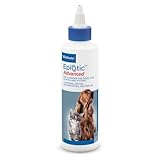
- POWERFUL YET GENTLE: Keeps ears clean, healthy and smelling fresh with a nonirritating, neutral-pH formula
- GREAT FOR ROUTINE CLEANING: Provides regular ear cleaning for dogs, cats, puppies and kittens
- TRUSTED BY VETERINARIANS: Relied on by veterinarians to maintain ear health and keep pets comfortable
- CLEANS AND HELPS DRY EARS: Dissolves wax, dirt and debris, and provides a drying effect after baths, swims and rainy walks
- IDEAL FOR EARS THAT NEED IT MOST: A good fit for dogs that swim or dogs that have allergies or floppy ears
Write down what the dog actually ate, including treats, flavored medicines, table scraps, and access to another pet’s bowl. If a flare follows a move, renovation, dusty room, or time outdoors, record that too. Such details help the veterinarian decide whether a controlled diet or other targeted evaluation is reasonable, but an apparent association can occur by chance.
Discharge, odor, and appearance
Wax, odor, redness, swelling, and the color or amount of discharge can indicate that an ear is inflamed or infected. None of these findings reliably distinguishes allergy from parasites, foreign material, bacterial disease, yeast disease, or middle-ear involvement. A dark discharge, for example, cannot establish a particular cause without an examination and microscopy.
Do not judge success solely by less odor or scratching. Medication can temporarily reduce visible debris while inflammation or infection remains. Conversely, an ear may look dramatic while the organisms seen on cytology require a different treatment than you expect from appearance alone.
Why recurring ear infections are not an allergy diagnosis
External-ear inflammation has several possible primary causes. A veterinarian compares the pattern of recurrence, skin involvement, otoscopic findings, and discharge cytology to decide what needs testing next.
| Possible primary driver | What may be found | Why an owner cannot confirm it at home |
|---|---|---|
| Allergic skin disease | Itchy or red ear flaps and canals, sometimes with skin disease on the face, feet, armpits, or inner thighs; secondary yeast or bacterial growth may be present. | The same organisms and skin changes can occur after other forms of inflammation. Allergy requires a broader history, examination, and sometimes a controlled diet or additional testing. |
| Parasites | Inflammation and discharge that may resemble infection. | Microscopic examination and the dog’s overall pattern are needed; appearance alone cannot identify a parasite. |
| Foreign material | Sudden, painful, or one-sided inflammation may occur when material is lodged in the canal. | Safe visualization may require an otoscope, sedation, or anesthesia, especially when swelling or pain blocks the view. |
| Microbial overgrowth or infection | Yeast, bacteria, or both may be visible in discharge cytology. | Cytology shows what is present, not what initiated the ear disease. Medication must be selected for the findings and the ear’s condition. |
| Anatomical predisposition | Narrow, heavily haired, folded, or otherwise poorly ventilated canals can retain moisture and debris. | The canal needs an otoscopic examination; the shape of the outer ear cannot explain every recurrence by itself. |
| Middle-ear disease | Persistent or recurrent outer-ear signs, pain, or abnormalities deeper in the canal may suggest involvement beyond the external ear. | The eardrum and deeper structures may not be assessable without appropriate equipment and, in some dogs, sedation or anesthesia. |
More than one factor can be present. For example, allergy may create chronic inflammation, while yeast or bacteria become the immediate cause of discharge. Treating only the organisms can leave the inflammatory trigger untouched.
How a veterinarian investigates the cause
Merck Veterinary Manual’s dog-owner guidance (reviewed April 2026) describes a work-up built around history, a complete physical and skin examination, otoscopy, and microscopic evaluation of ear material. The exact sequence depends on pain, swelling, obstruction, and whether one or both ears are involved.
- History. Tell the veterinarian when the first episode occurred, how often it returns, which ear is affected, what treatments were used, whether medication was completed, and what happened afterward. Include itching or redness elsewhere, diet changes, grooming, swimming, household changes, and any previous test results. Bring medication containers or photographs of labels if possible so the clinician can verify what was used.
- Full skin and physical examination. The veterinarian looks for allergic-pattern skin disease and for evidence of parasites or other disorders that could affect the ears. Examine both ears and the rest of the skin even when only one ear seems abnormal. The clinician may also compare the degree of pain and swelling on each side.
- Otoscopy. An otoscope allows assessment of the canal for swelling, debris, foreign material, narrowing, masses, and the condition of the eardrum. A painful or obstructed ear may require sedation or anesthesia so it can be examined safely and cleaned without causing additional trauma. If the eardrum cannot be seen, the veterinarian will explain whether further assessment is needed before selecting certain treatments.
- Ear cytology. A sample of discharge is smeared and examined microscopically for yeast, bacteria, inflammatory cells, or parasites. This result helps determine immediate treatment, but it does not by itself establish allergy. Ask whether organisms were seen in each ear separately, because the findings can differ between sides.
- Additional tests when indicated. In chronic, one-sided, unusually severe, or unresolved disease, the veterinarian may consider allergy testing, ringworm testing, a skin biopsy, or x-rays. These tests are chosen for the clinical pattern; they are not automatic for every ear infection.
- Assessment for deeper disease. If middle-ear involvement is suspected or the eardrum cannot be evaluated, the veterinarian may recommend further examination or imaging. The treatment plan and follow-up depend on what is found.
A useful question to take into the appointment is: “Could an underlying allergy or another primary cause be driving the repeated inflammation, and what did the ear cytology show?” You can also ask whether both eardrums were visible, whether the infection is external or may involve the middle ear, and what finding will determine the next recheck. These questions keep the discussion focused on both the immediate infection and the reason it keeps returning.
Free tools Windows power users keep installed
One-click scans. No signup required.
Also popular on Amazon

- Veterinarian Formulated to Gently Clean, Deodorize, Acidify and Dry Your Pets Ears
- Safe And Gentle Ear Cleanser with Aloe Vera for Daily Use. Won't Sting, Burn or Aggravate the Ear Canal
- Eliminates Build Up of Wax, Fluid, Dirt & Debris to Stop Itching, Scratching, Head Shaking and Irritation.
- Helps Relieve Ear Infections Caused by Growths, Buildup, and Itching.
- Made in the USA in Federally Regulated Manufacturing Facilities to Ensure Quality and Safety.
How food and environmental allergies are evaluated
Food allergy
Food allergy is evaluated with a strict diet recommended and supervised by the veterinarian. The purpose is to see whether the dog’s skin and ear disease improve when suspected dietary triggers are removed and whether signs return under a controlled reintroduction. The diet must be followed exactly; treats, flavored medications, table food, and access to other pets’ meals can undermine the trial.
Ask the veterinarian what food is permitted, how household members should prevent accidental feeding, and how improvement will be judged. Do not change the diet repeatedly on your own or stop the trial when the ears look better for a few days. The clinician should determine the duration and whether a controlled reintroduction is appropriate.
Do not infer food allergy from an ear appearance, a particular discharge, or a single blood result. A serum or skin allergy test alone does not diagnose food allergy. Your veterinarian will decide whether a diet trial is appropriate and how long it should continue.
Environmental allergy
House dust, dust mites, molds, and pollens are examples of environmental allergens associated with allergic skin disease. A history of seasonal or indoor-related itching can help the veterinarian, but no home observation can identify a specific allergen with certainty.
Allergy testing may be considered in selected chronic cases, often to support a long-term management plan. Testing is not a substitute for ruling out infection, parasites, foreign material, ringworm, anatomic problems, or middle-ear disease. Even when testing supports environmental sensitivity, the veterinarian still has to manage the ear inflammation and any secondary organisms found.
Treatment depends on what the examination shows
The treatment plan is based on the diagnosed cause, where disease is located, its severity, whether the eardrum can be assessed, and the veterinarian’s recheck plan.
Clearing the ear and treating the immediate infection
When appropriate, the veterinarian may clean and dry the ear before applying medication. Topical medication is selected for the organisms and inflammation identified. Some dogs also need oral or injected medication. Do not put a product into an ear unless the veterinarian has confirmed that it is suitable for that ear and shown you how to use it.
Also popular on Amazon

- GENTLE CLEANING & EXCELLENT DESIGN: The soft and convenient finger wiping design fits your fingers, is not easy to slip off, and fits the structure of cats and dogs' ears better. The wet wipes are made of high-quality non-woven fabric and are designed with exquisite pearl patterns on both sides, which increases friction, provides deep cleaning and is more comfortable. It is quick and convenient to use and can safely and effectively remove wax accumulation and other debris from the sensitive ears
- NATURAL INGREDIENTS & PLANT FORMULA: Wet wipes are added with natural plant formula, which is non-irritating and does not contain alcohol or any other harmful chemicals. Will help safely and gently remove buildup and discharge that can cause odor, and prevent infections caused by dirt, buildup, and earwax, keeping cats and dogs fresh and healthy at all times!
- REGULAR CLEANING & GROOMING ESSENTIALS: Ear care is an important part of regular pet grooming. Pets’ ear canals need to be cleaned regularly, otherwise they will have odor and be prone to ear canal diseases. MEDUWEDU makes it easy with convenient ear cleaning wipes. Using our disposable wipes helps safely and gently remove dirt from the ear canal, effectively improving ear canal problems. Using dog ear wipes is safer than cotton swabs.
- EASILY DEODORIZE & SOOTHE DISCOMFORT: Fruity scent can reduce odor and leave a pleasant smell, bringing you closer to your pet friends, while reducing the discomfort of shaking your pet's head, scratching, and clawing caused by infection.
- FOCUS ON PET EAR CARE: Our products are not only safe in ingredients, but also come in a variety of sizes (Regular, Large) and a variety of refreshing fruit flavors (Mint, Coconut, Peach, Grapefruit.) for you to choose from. I believe your pet will love ear cleaning. Although the price is affordable, the quality is high. Please rest assured that if you are not satisfied with the product you purchased, please feel free to contact us and we will provide you with the best solution.
Ask for a demonstration of the correct amount, placement, and cleaning interval. A painful, ulcerated, or obstructed canal may need a different approach from a routine preventive-cleaning plan. Products that are tolerated by a healthy ear can irritate an inflamed one, so do not substitute a household cleaner or a previously prescribed product without approval.
Recommended Free Tools
Continue treatment for the prescribed duration, even if odor and scratching improve quickly. Merck reports that dogs with bacterial or yeast infections usually have repeat veterinary checks until infection is no longer seen; this often takes about 2–4 weeks, according to its 2026 owner guidance. That span is follow-up context, not a guaranteed cure time. Long-standing disease can take months to control, and some dogs need ongoing management.
Addressing the underlying trigger
If allergy is contributing, infection control alone may not prevent another episode. The veterinarian may recommend a diet trial, allergy management, regular veterinarian-directed cleaning, or other measures based on the dog’s findings. If a foreign object, parasite, anatomic problem, or middle-ear disease is responsible, that condition must be treated instead.
Preventive cleaning is not the same as treating an active infection. A dog with frequent episodes may be given a regular cleaning routine, but the product, frequency, and technique should come from the veterinarian after the ear has been assessed.
Independent reader supportYour contribution helps us test, update, and keep practical guides available for everyone.What you can safely do between appointments
- Keep a record of dates, affected ears, skin symptoms, treatments, and response. Bring medication containers and prior test results to the appointment.
- Use ear-cleaning products only when the veterinarian recommends them and gives directions for frequency and technique. A dog ear cleaner may be appropriate for a veterinarian-directed routine in a dog with frequent infections, but it is not a universal treatment.
- Follow the complete medication and recheck schedule. Stopping when the ear looks better can leave infection or inflammation behind.
- Prevent the dog from damaging the ear through persistent scratching as advised by your veterinarian, and report worsening pain, swelling, or discharge rather than adding products yourself.
- Do not share medication between dogs or use leftover drops from an earlier episode. The current cytology and condition of the eardrum may be different.
Do not use vinegar mixtures or other irritating home remedies. Merck warns that these can worsen swelling and secretions and increase infection risk. Even products that are safe in healthy ears can irritate an ear that is inflamed, ulcerated, or infected.
What’s actually slowing this PC down?
Pick the symptom - the matching free tool is one click away.
A practical decision guide for recurring ear trouble
- Note the pattern. Record whether one or both ears recur, how quickly signs return, and whether itching affects the face, feet, armpits, or inner thighs.
- Book a veterinary examination for recurrence. Repeated episodes justify looking for a primary cause rather than repeatedly treating presumed infection without reassessment.
- Ask what cytology found. Yeast, bacteria, inflammatory cells, and parasites require different decisions, and the result does not by itself diagnose allergy.
- Confirm that the canal and eardrum were assessed. Pain, swelling, or obstruction may make sedation necessary for a safe and complete examination.
- Discuss targeted next steps. Depending on findings, this may be treatment for infection, parasite control, removal of foreign material, a strict veterinarian-directed diet, allergy testing, ringworm testing, biopsy, imaging, or management of middle-ear disease.
- Complete treatment and attend rechecks. Continue until the veterinarian confirms that infection has cleared, then follow any preventive cleaning or long-term plan.
When to revisit the allergy question
Return to the underlying-cause discussion when infections keep recurring despite correctly administered treatment, when skin itching appears outside the ears, or when inflammation persists after organisms are no longer found. At that point, ask whether the original trigger was identified, whether the eardrum and middle ear were adequately assessed, and whether a diet trial or another targeted test is justified.
Also revisit the plan if only one ear repeatedly fails to improve, if pain or swelling prevents a complete examination, or if the dog improves during medication and relapses soon afterward. Those patterns do not prove a foreign body or middle-ear disease, but they are reasons to ask what has and has not yet been ruled out.
Also popular on Amazon

- Vet Strength Formula: Medicated otic cleaner with soothing aloe vera that helps calms and relieves irritated pet ears.
- Effectively treats itchy or smelly ears, swimmer’s ear, ear infections, and symptoms such as inflammation, redness, and irritation in both cats and dogs.
- Safe for Regular Use: Gently cleans and dries the ear canal, helping to reduce wax buildup and eliminate unpleasant ear odors. Helps soothe ear discomfort and minimize head shaking and ear scratching.
- Sting-Free & Gentle: Vet-approved solution for all dog and cat breeds, including puppies and kittens.
- Made in the USA: Manufactured in an FDA-registered facility. NDC Code: 86207-002-08.
The central distinction is simple: allergy can make an ear vulnerable, while yeast or bacteria produce the secondary infection. Establishing that chain requires veterinary examination and follow-up, not an appearance-based diagnosis.
Frequently Asked Questions
Can allergies cause ear infections in dogs?
Yes. Allergic skin disease can inflame the ear flap and external canal, creating conditions in which yeast or bacteria multiply. The organisms are a secondary infection; their presence does not prove that allergy started the problem.
Windows Errors? Fix Them Before They Spread
Repair common Windows errors and clear accumulated junk for a smoother, more stable PC - no reinstall needed.Free scan · no reinstallCrashes, No Sound, or Screen Glitches?
Random freezes, missing sound and display glitches usually trace back to one bad driver. Find and replace yours safely.Free scan · under a minuteWhy does my dog keep getting ear infections?
Recurrence means an underlying cause deserves investigation, but it does not identify one. Allergies, parasites, foreign material, microbial overgrowth, canal anatomy, inadequate resolution of the first infection, and middle-ear disease can all contribute.
What signs outside the ears make allergy more likely?
Itching or redness on the face, feet, armpits, or inner thighs can strengthen the reason to discuss allergy. These areas are not specific, so the veterinarian still needs a complete skin examination and testing when indicated.
Can dark ear discharge prove yeast or mites?
No. Discharge color, odor, and amount cannot reliably distinguish allergy, yeast, bacteria, parasites, or a foreign object. Microscopic cytology and an otoscopic examination are needed.
Does an allergy blood test diagnose food allergy?
No. Food allergy is evaluated with a strict veterinarian-directed diet and, when appropriate, controlled reintroduction. A serum or skin test alone does not establish food allergy.
Quick wins for a faster PC:
Fix the driver behind crashes, sound loss and screen glitchesFind Drivers →Clear out junk files and repair common Windows errorsFree Scan →How long will treatment and rechecks take?
Merck Veterinary Manual says dogs with bacterial or yeast infections commonly have repeat checks until infection is no longer seen, often over about 2–4 weeks. This is not a guaranteed cure time; chronic disease may take months and require ongoing management.
Is it safe to clean my dog’s infected ear at home?
Use a cleaner only if the veterinarian recommends that product and gives instructions. Painful or obstructed ears may need professional examination, cleaning, sedation, or anesthesia. Do not use vinegar mixtures or other irritating home remedies.
The Bottom Line
Recurring ear infections can be linked to allergies, but they are not an allergy diagnosis. Look for itch or redness beyond the ears, document the pattern, and ask your veterinarian to combine otoscopy, cytology, and a full skin examination with targeted testing. Treat the infection completely, attend rechecks, and address the underlying cause to reduce relapse.





Leave a Reply