Windows Errors? Fix Them Before They Spread
Repair common Windows errors and clear accumulated junk for a smoother, more stable PC - no reinstall needed.Free scan · no reinstallCrashes, No Sound, or Screen Glitches?
Random freezes, missing sound and display glitches usually trace back to one bad driver. Find and replace yours safely.Free scan · under a minuteA painless death can seem morally acceptable because it avoids the animal’s suffering. But avoiding pain answers only one part of the question: it does not settle whether killing is wrong because it ends a life the animal might otherwise have had, or because it treats the animal as a means to human ends. Whether painless killing is permissible depends on which harms and interests matter, and on the circumstances.
Why painlessness can seem decisive
Pain is an immediate, recognizable harm. If one way of killing an animal causes pain and another avoids it, the painless method appears better because it spares the animal an unpleasant experience. On views that judge actions mainly by their consequences for welfare, that difference matters.
| # | Preview | Product | Price | |
|---|---|---|---|---|
| 1 |

|
Books of Slaughter Deluxe Edition | $23.49 | Buy on Amazon |
| 2 |

|
Books of Slaughter Vol. 1 (House of Slaughter) | $9.31 | Buy on Amazon |
| 3 |
|
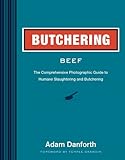
Butchering Beef: The Comprehensive Photographic Guide to Humane Slaughtering and Butchering | $29.46 | Buy on Amazon |
As an Amazon Associate I earn from qualifying purchases.
Yet “painless” describes the animal’s experience of the process; it does not by itself establish that the whole act is harmless or justified. A method could avoid pain while other parts of the process still cause fear or distress, and the question of whether death itself harms the animal remains.
Quick wins for a faster PC:
Scan for outdated or missing drivers - takes under a minuteDriver Scan →Clear out junk files and repair common Windows errorsFree Scan →Welfare during the process is not the same as harm from death
The World Organisation for Animal Health (WOAH) describes welfare in terms of how an animal copes with the conditions in which it lives. Its account includes health, comfort and safety, the ability to express innate behaviour, and freedom from unpleasant states such as pain, fear and distress. Welfare describes the animal’s state; treatment describes what people do to it. WOAH’s animal-welfare overview therefore covers more than whether a killing method causes physical pain.
#1 Best Overall
That still leaves a separate philosophical question: can death harm an animal by taking away a worthwhile future, even if the animal never experiences the loss? This is sometimes called the deprivation question. It turns on whether animals have interests in continued existence and how those interests should be weighed. Philosophers disagree about the relevant capacities and about what follows from them. The Stanford Encyclopedia of Philosophy’s entry on vegetarianism discusses these arguments.
How ethical approaches reach different answers
Ethical theories can disagree because they count different things as harm and use different standards for justification. These are broad families of views, not positions on which all philosophers agree.
| Approach | What it focuses on | How it may assess painless killing |
|---|---|---|
| Consequentialist or utilitarian | Interests and overall outcomes, including suffering and competing claims. | A painless death may be preferable to a more painful alternative. In some circumstances, such as genuine need, some versions may regard killing as permissible. That does not make every instance of painless slaughter justified. |
| Animal-rights | Duties and constraints on how animals may be treated, including whether they are used merely as means to human ends. | Minimizing suffering may not remove the objection that killing or using the animal violates a right. Some accounts may allow exceptions, but the violation remains morally significant. |
| Deprivation accounts | Whether death takes away a worthwhile future and thereby makes the animal worse off. | A painless process does not settle the issue; the central dispute is whether and how the animal has an interest in continuing to live, and how that interest compares with others. |
These distinctions are explored in the Stanford Encyclopedia of Philosophy’s entry on moral status and its entry on vegetarianism. They explain why people can accept the importance of preventing suffering yet disagree about whether painless killing is permissible.
Do these 3 things before closing this tab:
1Fix the driver behind crashes, sound loss and screen glitches2Repair Windows errors before they cause bigger problems3Scan for outdated or missing drivers - takes under a minuteRank #2
Why circumstances and alternatives matter
For consequentialist approaches, the context can change the balance of interests. A killing might be defended when it is necessary to prevent a greater harm, for example, but the fact that a death is painless does not establish that there was a need or that no less harmful alternative existed. Rights-based approaches may place limits on using an animal even when doing so would produce a favorable outcome.
So the relevant question is not only how the animal dies. It also includes why the animal is killed, what alternatives are available, what benefits and harms follow, and whether the animal’s interests or rights may be overridden in those circumstances.
Independent reader supportYour contribution helps us test, update, and keep practical guides available for everyone.What “humane slaughter” addresses—and what it does not
The Humane Slaughter Association describes humane slaughter in terms of protecting animals from avoidable pain, distress or suffering, including attention to restraint and stunning intended to render animals insensible through death. This is a welfare-oriented way to evaluate the process, not a complete answer to whether killing an otherwise healthy animal is morally permissible. The Humane Slaughter Association’s guidance is concerned with practical slaughter welfare.
Rank #3
Welfare concerns can include fear, distress, restraint, whether stunning is effective, and whether unconsciousness lasts until death. A policy example illustrates why claims need to be specific: England’s 2025 animal-welfare strategy reports that the Animal Welfare Committee recommended prohibiting high-concentration CO2 for pigs to prevent avoidable pain and distress. That is a reported recommendation in England’s policy context; it is not a global consensus, a rule for every species or country, or proof that other methods are painless. The UK government’s 2025 animal-welfare strategy for England gives the context.
So, can a painless death still be wrong?
Yes, according to some ethical views: if death deprives an animal of a worthwhile future or violates a right, eliminating pain does not answer the objection. Other views may treat a painless death as permissible in some circumstances, especially when they judge it against alternatives and overall consequences. There is no single conclusion contained in the word “painless.” It identifies one important welfare consideration, not a complete moral verdict.
Quick Recap
Product prices and availability are accurate as of the date/time indicated and are subject to change. Any price and availability information displayed on Amazon at the time of purchase will apply.




