
The Tool Desk
Outbyte Driver Updater FREEFix the driver behind crashes, sound loss and screen glitchesFind Drivers →Outbyte PC Repair FREERepair Windows errors before they cause bigger problemsFix Now →Nighttime meowing can be normal communication—but a new pattern deserves attention. Your cat may be asking for food, play, attention, access, or reassurance. It may also be vocalizing because of pain, illness, stress, sensory loss, or age-related cognitive changes. Check basic needs, but do not dismiss a sudden or escalating change as simple “demanding” behavior.
Nighttime meowing is a communication signal, not a diagnosis. The meaning depends on your cat’s age, health, history, the sound and timing of the vocalization, and what happens immediately before and after it.
#1 Best Overall
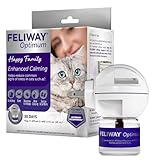
- HELPS REDUCE SIGNS OF STRESS USING A PATENTED PHEROMONE: FELIWAY Optimum is an advanced cat pheromone diffuser that helps reduce signs of stress in cats and helps ease tension between cats.*
- HELPS CATS FEEL CALM IN EVERYDAY SITUATIONS: FELIWAY Optimum is a cat calming diffuser that helps reduce stress‑related behaviors like urine spraying, scratching, hiding, and fearful reactions to change. Cat parents reported noticeable reductions in these behaviors, including a 77% reduction in urine spraying.
- SUPPORTS HARMONY IN MULTI‑CAT HOMES: Helps promote calmer interactions between cats. 72% of cat parents noticed reduced tension between their cats
- SAFE** AND NON-SEDATING: FELIWAY Optimum is not a sedative. It’s safe for use around cats, kittens, people and other pets.
- CONTINUOUS CALMING SUPPORT: This plug‑in cat pheromone diffuser provides 24/7 support when used as directed. To get started, plug into an open outlet with the vents pointed upward, allow at least 4 feet of clearance, and follow the label instructions.
Adult cats commonly meow to people for food, attention, greeting, access to a room, play, or help. They can also learn that meowing makes a person get up, provide food, open a door, or start interacting. That learned pattern is common—but it should be considered only after reasonable medical concerns have been addressed.
Why is my cat meowing at night?
1. Your cat is hungry or expects breakfast
Cats are often most active around dawn and dusk. If your cat is fed as soon as you wake up—or if you get up and feed it in response to nighttime meowing—it may learn that vocalizing starts breakfast.
A scheduled automatic cat feeder can remove the human from this part of the routine. Set it to open shortly before your cat typically wakes you, using a portion that fits the cat’s normal daily diet. A timed treat dispenser or food puzzle can provide controlled foraging enrichment, but treats and puzzle food still count toward daily calories.
A feeder is a behavior-management tool, not a treatment for hyperthyroidism, pain, anxiety, cognitive dysfunction, or any other medical condition. If the hunger or vocalization is new, unusually intense, or accompanied by weight loss, increased thirst, vomiting, diarrhea, or other changes, have your cat examined before assuming it simply wants food.
2. Your cat wants attention, play, or social contact
Some cats meow at night because they want a person to talk to them, pet them, play with them, or let them into a bedroom. Cats that spend much of the day sleeping may also be ready to interact when the household is quiet.
Repeatedly getting up, speaking to the cat, offering food, opening a door, or playing during the vocalization can reinforce it—even if you are trying to make the noise stop. The cat learns that meowing works.
After illness has been considered, try making interaction more predictable:
- Schedule interactive play before bedtime using a suitable wand toy or another toy your cat can safely chase.
- Follow play with a normal meal or a small, appropriate part of the daily ration.
- Provide planned social time during the day rather than making nighttime attention the cat’s main opportunity for interaction.
- Reward calm, quiet behavior when you notice it, rather than immediately responding to a meow.
Do not yell at, hit, spray, or physically punish a vocalizing cat. Punishment can increase fear and stress without addressing the reason for the behavior.
3. A change at home is causing stress
Moving furniture, changing work hours, adding or losing a pet, relocating, remodeling, changing feeding times, or separating a cat from a preferred person can disrupt its routine. An outdoor cat visible through a window can also trigger repeated vocalization, frustration, or territorial arousal.
Make the environment as predictable as possible. Keep food, water, litter boxes, resting places, play, and social contact consistently available. Offer elevated or enclosed resting areas where your cat can retreat. If outside animals appear to trigger the meowing, try closing blinds or using another method to block the view.
Some owners discuss a feline pheromone diffuser or spray with their veterinarian as a secondary stress-management option. These products should not be presented as a cure, and they should never delay an examination for new vocalization or other signs of illness.
4. Reproductive behavior is involved
An unspayed female may yowl, become unusually affectionate or restless, raise her hindquarters, and attempt to attract males when she is in heat. An intact male may vocalize or become restless after detecting a female in heat nearby.
Rank #2

- Help Your Cat Feel Safe Again: Create a calmer, more comfortable home with advanced calming pheromone technology that helps reduce common signs of stress including hiding, scratching, urine spraying, conflicts between cats, and nervous behavior. Ideal for everyday emotional support
- Continuous 120-Days Comfort: Each refill delivers calming support for up to 30 days when used continuously, package include: 2 diffusers, 4 refills. Designed to cover rooms up to approximately 750 sq ft, making it perfect for bedrooms, living rooms, and multi-cat households
- Supports Positive Everyday Behavior: Whether introducing a new pet, moving into a new home, welcoming visitors, or dealing with loud noises such as fireworks or thunderstorms, the diffuser helps cats feel more secure and adapt to changes more comfortably
- Easy Plug-In, No Daily Effort: Simply plug the diffuser into an open wall outlet and let it work around the clock. No sprays, no pills, no complicated routines—continuous calming support with minimal maintenance
- Trusted Care for Cats of Every Age: Suitable for kittens, adult cats, senior cats, and multi-cat families. Designed to support a peaceful home environment while helping strengthen the bond between cats and their owners
Spaying or neutering is the relevant long-term intervention when reproductive behavior is the cause. Ask your veterinarian about timing and suitability for your individual cat.
When nighttime meowing may mean illness
Cats often hide pain and disease. A change in vocalization may be one of the first visible clues that something is wrong, particularly when it occurs with a change in sleep, movement, appetite, litter-box behavior, grooming, or interaction.
Possible medical contributors include:
- Pain: dental disease, arthritis, injury, abdominal discomfort, or another painful condition can cause restlessness, irritability, or vocalization.
- Urinary disease: discomfort or difficulty urinating may make a cat repeatedly cry, visit the litter box, or become restless.
- Kidney or other systemic disease: illness can alter thirst, urination, appetite, energy, and sleep.
- Endocrine disease: hormonal disorders can cause restlessness and changes in appetite, weight, thirst, or urination.
- High blood pressure: hypertension can affect the eyes and nervous system and may contribute to confusion or distress.
- Sensory loss: reduced vision or hearing can make familiar surroundings confusing, particularly in darkness.
- Anxiety: stress may cause vocalization, but anxiety should not be assumed before physical causes are considered.
A veterinarian may need to perform a physical examination and choose tests based on the cat’s age, history, examination findings, and other symptoms. A meow alone cannot identify the cause.
Windows Errors? Fix Them Before They Spread
Repair common Windows errors and clear accumulated junk for a smoother, more stable PC - no reinstall needed.Free scan · no reinstallOutdated Drivers Are Slowing You Down
One free scan finds every outdated or missing driver and matches the right update for your exact hardware.Free scan · exact hardware matchHyperthyroidism and nighttime vocalization
Hyperthyroidism is common in older cats and can include increased vocalization or nighttime restlessness. Other possible signs include:
- weight loss despite a normal or increased appetite;
- increased thirst or urination;
- vomiting or diarrhea;
- restlessness or increased activity; and
- a rough, unkempt, or poor-quality coat.
These signs do not prove that a cat has hyperthyroidism. Several diseases can look similar, so diagnosis requires a veterinary examination and appropriate testing.
Why senior cats may meow or yowl at night
In a senior cat, nighttime vocalization deserves particular attention. Feline cognitive dysfunction can disrupt the sleep-wake cycle and cause wandering, staring, disorientation, apparent confusion, or loud vocalization that seems to have no obvious trigger.
Age-related hearing or vision loss can have a similar effect. A cat that cannot see familiar landmarks well in low light may become frightened or lost. Arthritis or another painful condition can make it difficult to reach food, water, a litter box, or a preferred sleeping place. Hypertension can cause retinal detachment or blindness, sometimes with little warning.
Quick wins for a faster PC:
Scan for outdated or missing drivers - takes under a minuteDriver Scan →Clear out junk files and repair common Windows errorsFree Scan →For a cat over 10, record the following before the appointment:
- when the nighttime behavior began and whether it is getting worse;
- the time, duration, location, and character of each vocalization;
- whether the cat appears frightened, lost, restless, or painful;
- changes in appetite, body weight, thirst, urination, stool, grooming, or vomiting;
- difficulty jumping, walking, climbing stairs, or entering the litter box;
- changes in vision, hearing, sleep, or daytime interaction; and
- what, if anything, stops the meowing.
Feline Veterinary Medical Association guidance classifies cats older than 10 as senior and recommends at least six-monthly examinations for cats aged 10 to 15, with more frequent examinations for older cats. A new behavior change should be discussed sooner rather than waiting for the next routine visit.
What to do tonight: a practical checklist
1. Check basic needs
Before labeling the behavior attention-seeking, confirm that your cat can reach fresh water, an appropriate amount of food, a clean litter box, a comfortable resting place, and safe pathways through the home. Check that a closed door, trapped cat, unfamiliar noise, or inaccessible resource is not the immediate problem.
2. Start a brief pattern log
Write down the time and location, what the meow sounds like, what happened just before it, and what stops it. Also note appetite, drinking, urination, stool, weight, mobility, grooming, sleep, and confusion. A short phone recording can help your veterinarian understand the sound and context.
Free tools Windows power users keep installed
One-click scans. No signup required.
3. Establish a consistent evening routine
Use interactive play and social contact before bedtime, then transition to a quiet, comfortable sleeping period. Keep the sequence and timing reasonably consistent. Reward calm behavior, but avoid turning every nighttime meow into a new game, meal, or conversation after medical concerns have been addressed.
Rank #3

- HELPS REDUCE COMMON SIGNS OF TENSION BETWEEN CATS: FELIWAY MultiCat, developed by the #1 vet recommended brand, helps reduce common signs of tension between cats such as: conflict, fighting, chasing, and blocking
- ENHANCED CALM AT HOME FOR MULTICAT HOUSEHOLDS: FELIWAY MultiCat plug-in diffuser uses the science of pheromones to send calming messages that mimic a mother cat’s natural pheromones to help reduce tensions & conflicts. 84% of cat owners saw significant improvement in conflict between cats when using FELIWAY MultiCat
- DRUG FREE & SAFE TO USE: FELIWAY diffusers are drug-free, non-sedating, and while cat pheromone analogs may help your cat, they won't affect humans or other pets
- PROVIDES 4 WEEKS OF CALMING SUPPORT: With just one refill, the diffuser offers up to 30 days of continuous calming benefits, helping your cat feel calmer
- COVERS LARGE LIVING SPACES: Each diffuser covers an area up to 700sqft, ensuring widespread calming support throughout your home for cats of all ages. To get started, simply plug your diffuser into an open outlet with 4+ feet of space to diffuse, with the vents pointed upward
4. Remove accidental rewards carefully
If your veterinarian has assessed the cat and the pattern clearly involves a learned food or attention request, do not immediately provide the requested reward while the cat is vocalizing. Wait for a brief quiet interval, then reinforce the calm behavior. Change expectations gradually and consistently; intermittent responses can make a behavior especially persistent.
5. Use a timed feeder for food-driven waking
A scheduled feeder can provide the planned meal without requiring you to get out of bed. Keep the portion nutritionally appropriate, and monitor body weight rather than adding unlimited treats to suppress the noise.
6. Reduce triggers and improve access
Block views of outdoor cats if they provoke your cat, introduce household changes gradually, and provide safe resting places. For older or visually impaired cats, keep furniture and pathways consistent, place resources where they are easy to reach, and consider gentle night lighting. These steps support comfort but do not replace diagnosis of new or worsening vocalization.
Recommended Free Tools
When should I call the veterinarian?
Make a routine veterinary appointment for new, worsening, persistent, or unusually intense nighttime meowing. Arrange an appointment especially promptly if your cat is middle-aged or senior, or if the vocalization occurs with any change in:
- weight or appetite;
- thirst or urination;
- vomiting, diarrhea, or stool;
- grooming or coat condition;
- mobility or jumping;
- vision or hearing;
- sleep, confusion, or wandering; or
- litter-box use or interaction with people and other animals.
What not to do
- Do not diagnose the cause from the sound of the meow, the cat’s age, or one isolated symptom.
- Do not ignore every nighttime vocalization as manipulation; first check basic needs and consider illness.
- Do not give human medication or unapproved supplements.
- Do not assume a feeder, toy, night-light, or pheromone product treats pain or disease.
- Do not delay veterinary care while trying behavior products if the pattern is new, escalating, or accompanied by other changes.
Nighttime meowing can be a normal request that has become part of a routine, but it can also be an early sign that a cat needs help. Check immediate needs, document the pattern, and use behavior strategies only after medical concerns have been addressed. For any new or escalating pattern—especially in a senior cat—schedule a veterinary assessment.
Frequently Asked Questions
Should I be worried if my cat suddenly starts meowing at night?
A new or worsening pattern should be evaluated by a veterinarian, particularly if the cat is middle-aged or senior or has changes in weight, appetite, thirst, urination, mobility, vision, hearing, sleep, or litter-box habits. A sudden behavior change can be an early sign of illness.
How can I stop my cat from waking me up for food?
First confirm access to fresh water, appropriate food, a clean litter box, a comfortable resting place, and safe pathways. If medical concerns have been addressed and the behavior is food-driven, a scheduled feeder can provide the planned meal without requiring you to get up. It does not treat illness.
Should I ignore my cat when it meows at night?
Do not punish or yell at the cat. After a veterinary assessment, avoid immediately rewarding the meow with food or attention; instead, provide predictable play and social contact and reward brief periods of calm. Consistency matters.
When is nighttime meowing an emergency?
Seek emergency veterinary care for open-mouth breathing, panting, marked respiratory difficulty, collapse, loss of consciousness, severe weakness, or repeated straining to urinate with little or no urine. Urinary blockage can be life-threatening, especially in male cats.
The Bottom Line
Bottom line: A cat meowing at night may want food, attention, access, or play, but new or worsening vocalization should not automatically be treated as a behavior problem. Check basic needs, avoid punishment, document accompanying changes, and call your veterinarian—urgently if there is breathing difficulty, collapse, or trouble urinating.
Do these 3 things before closing this tab:
1Scan for outdated or missing drivers - takes under a minute2Clear out junk files and repair common Windows errors3Fix the driver behind crashes, sound loss and screen glitchesQuick Recap
Product prices and availability are accurate as of the date/time indicated and are subject to change. Any price and availability information displayed on Amazon at the time of purchase will apply.





Leave a Reply