
Recommended Free Tools
Some links on this page are affiliate links: if you buy through them we may earn a commission, at no extra cost to you.
The safest way to kitten-proof a home is to remove access to hazards, not merely move them higher. Get down to your kitten’s floor-level view, clear anything small enough to mouth, lock away chemicals and medicines, secure cords and window openings, and close off rooms you cannot make safe yet. Repeat the inspection as your kitten learns to climb, jump and open things.
This checklist follows the home from the entryway through each room and outdoor area. It is preventive guidance, not a substitute for veterinary care.
As an Amazon Associate I earn from qualifying purchases.
Free tools Windows power users keep installed
One-click scans. No signup required.
Start with a whole-home, floor-level sweep
The ASPCA Animal Poison Control Center says animals explore unfamiliar environments thoroughly, often “using their mouths.” Before your kitten arrives, inspect every room from the floor rather than from an adult’s standing height. Look under sofas, behind appliances and beneath beds for anything that could be chewed or swallowed.
- Pick up hair ties, rubber bands, coins, plastic bags, scraps of packaging, string, ribbon, thread and small toys.
- Check what can fall from counters or shelves when a kitten bats at it. Secure loose ornaments, pens, batteries and other small objects.
- Bundle electrical cords and dangling blind or curtain pulls. A kitten that chews a live cord can suffer electrocution injuries; long strings can also be swallowed or become entanglement hazards. Use cord covers or raceways where appropriate, but inspect them regularly.
- Close cabinets and drawers. If your kitten can pull one open, add a child-safety latch or move the contents to inaccessible storage.
- Fit secure screens and locks to every window that opens. Do not assume a partially open window is safe because the gap looks narrow.
- Keep doors to unsafe rooms shut. A gate can help manage access, but its effectiveness depends on the individual kitten and the gate’s design; it is not a universal containment guarantee.
Set up a safe base area with a litter box, food and water bowls, a scratching post and kitten-appropriate toys. Let your kitten explore additional rooms gradually while you finish checking them.
Popular on Amazon

- Easy To Install - Split design, easy to wrap around cords without any hassle and the cord protector can be easily cut to any desired length.
- Keep Cords & Pets Protected - Ultra-durable and bite-resistant PET material, plus 50% edge overlap, effectively prevents your pets from chewing cords.
- Safe for Kids & Pets - Our cord covers are made from RoHS-compliant, scent-free material, ensuring safety for both your pets and children.
- Complement Your Home Decor - The sleek woven design and classic color blend in nicely with your decor; Also, it is flexible to bend and fit into tight areas.
- Versatile & Durable – Offers excellent resistance to abrasion, chemicals, and heat (withstanding up to 302°F), making it ideal for home, industrial, and automotive use.
For practical examples of low-level inspection and changing a home as a kitten grows, see the ASPCA’s home-preparation checklist.
What to do before bringing a kitten home
- Store hazardous supplies. Put medicines, supplements, cleaners, laundry products, pesticides, baits, paints and repair chemicals in closed cabinets or another location your kitten cannot reach.
- Remove or identify plants. Record the exact species of every houseplant and check it against a veterinary or poison-control plant guide. Move toxic plants out of the home or into genuinely inaccessible areas; putting a plant on a shelf is not reliable protection from a climbing kitten.
- Plan door and window control. Decide which rooms will remain closed initially, check every window screen and latch, and make a habit of confirming doors shut behind you.
- Prepare a response plan. Save your veterinarian’s number and the US ASPCA Poison Control number, 1-888-426-4435, where everyone in the household can find them. Keep product containers or labels available if an exposure occurs.
Bathroom checklist
Lock away medicines and toiletries
Store prescription and over-the-counter medicines, vitamins, toothpaste, mouthwash, soaps and cosmetics in enclosed storage. Do not leave pills on a vanity or in a toiletry bag on the floor. Dental floss, cotton swabs and similar items can cause an intestinal obstruction if swallowed, so place them in a lidded bin and empty it promptly.
Manage water and cleaning products
- Keep the toilet lid closed and prevent access to treated toilet water as a practical precaution.
- Keep a kitten out of the bathroom while using corrosive cleaners. Follow the product label, ventilate as directed, wipe spills immediately and wait until surfaces are dry before allowing access.
- Store toilet cleaners, disinfectants, drain products and air fresheners in a closed cabinet. A bottle with a child-resistant cap is not a reason to leave it on the floor.
The American Veterinary Medical Association’s household-hazards guide also advises controlling access to bathroom chemicals and treated water.
Bedroom checklist
Clear low surfaces and personal belongings
Return medicines to closed storage after every use, including tablets kept beside the bed. Check handbags, backpacks and clothing pockets for gum, candy, pills and small objects before leaving them on the floor or a chair.
Also popular on Amazon
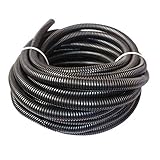
- Makes Your Home Safety and Protect Your Pets: Anti Bite Tube Makes Your Pets More Safety in Your Home. Such as: rabbits, cats, dogs, and other pets.
- Protect Your Wires: Rabbits, cats, dogs, and other pets can be very sneaky and curious creatures. Having a simple piece of tubing around your wires can preventing your pet bunny or puppy from having a chew on them.
- More Safety Material: The Plastic Piping Temperature Range -40F To 200F (-40C - 93C). Preventing and minimizing damage from electrical fires, or heating up of any cables or wires around your home.
- 30 ft: With 30 Feet of split loom tubing, Size: 10×13mm (inner × outer diameter) you will have more than enough to cover cables and wires in your home, garden or perhaps in your office. You can cut this slit loom to any size and use for computer leads, Television cables and any other electronic device in and around your home.
- How of use: Cut the length of the pipe to the size you want, then find the slit and put the wire in. Once the wire is insert, the slit will remain closed
Secure tempting cords and accessories
- Pick up jewelry, hair ties, chargers, earbud cables, sewing supplies and loose strings.
- Keep charging cables unplugged or routed where a kitten cannot chew them.
- Close wardrobes and drawers if they contain small items, mothballs or medication.
A floor-level check matters here because a kitten can reach beneath a bed or dresser long before it can climb onto the mattress.
Kitchen checklist
Control food, medication and waste
- Keep human food in cabinets or the refrigerator, and wipe up dropped pieces immediately.
- Store medicines and supplements away from counters and backsplashes; a pill dropped behind an appliance can remain accessible for days.
- Use a garbage can with a secure lid and remove food scraps promptly. Plastic wrappers and bags can be chewed or swallowed.
- Keep cleaning products closed and keep your kitten out of the room while products are being applied.
Inspect counters and floors
Before letting the kitten in, scan counters, the floor beneath them and the area around the refrigerator for pills, food fragments, twist ties and packaging. The ASPCA’s 2025 Poison Control figures show that food and drink and medications are among the largest categories in pet-exposure calls, although those figures cover pets generally and are not kitten-specific incidence rates.
Do these 3 things before closing this tab:
1Scan for outdated or missing drivers - takes under a minute2Clear out junk files and repair common Windows errors3Fix the driver behind crashes, sound loss and screen glitchesLiving-room checklist
Plants, batteries and fragrance products
Secure loose batteries, potting materials, fragrance products and decorative objects. A battery that is punctured or swallowed can cause serious injury, and a kitten may knock a diffuser, candle or ornament from a table.
Check every plant by exact species. The ASPCA identifies certain Lilium and Hemerocallis lilies as capable of causing kidney failure in cats. The word “lily” in a common name does not establish that every plant with that name has the same toxicity, so verify the species rather than relying on a label or photograph.
Also popular on Amazon

- Easy To Install - Split design, easy to wrap around cords without any hassle and the cord protector can be easily cut to any desired length.
- Keep Cords & Pets Protected - Ultra-durable and bite-resistant PET material, plus 50% edge overlap, effectively prevents your pets from chewing cords.
- Safe for Kids & Pets - Our cord covers are made from RoHS-compliant, scent-free material, ensuring safety for both your pets and children.
- Complement Your Home Decor - The sleek woven design and classic color blend in nicely with your decor; Also, it is flexible to bend and fit into tight areas.
- Versatile & Durable – Offers excellent resistance to abrasion, chemicals, and heat (withstanding up to 302°F), making it ideal for home, industrial, and automotive use.
Manage cords and window coverings
- Route television, lamp and game-console cords behind furniture or through a protective raceway.
- Tie up blind and curtain pulls so no loop or long cord hangs at kitten height.
- Keep candles, matches and scented products where they cannot be reached or knocked over.
- Check that windows and balcony doors have intact screens and working locks.
Do not treat a tall shelf as permanent protection: kittens gain climbing and jumping ability quickly.
Laundry-area checklist
Secure detergents and fabric products
Keep detergent, pods, bleach, stain removers, fabric softener and dryer sheets in closed storage. Laundry detergent pods can cause vomiting and possible aspiration if bitten; dryer sheets and fabric softeners may present corrosive and foreign-body hazards. Pick up any dropped product immediately.
The Tool Desk
Outbyte PC Repair FREEClear out junk files and repair common Windows errorsFree Scan →Outbyte Driver Updater FREEScan for outdated or missing drivers - takes under a minuteDriver Scan →Check machines and hiding places
- Keep washer and dryer doors closed when they are not in use.
- Check the drum, gasket and inside the dryer before every cycle.
- Keep laundry baskets, open drawers and piles of clothing from becoming unsupervised hiding places.
Kittens may crawl into dryers, baskets or drawers, so a quick visual check should become part of every load.
Garage and attic checklist
The safest arrangement is to keep a kitten out of these areas entirely. If access is unavoidable, use a closed door and secure every container.
Also popular on Amazon

- 【Pet-friendly and Safe】 Our dog and cat cord protector eco-friendly and non-toxic that are safe for both pets and humans. It provides a protective barrier against electrical wires and prevents pets such as rabbits, dogs, and cats ,hamsters, gerbils from chewing and scratching on them, making your home safer and more organized
- 【Easy Installation】Open design cord protector from cute pet allow for easy to use. Simply place the cords into the sleeve and adjust it to fit the desired length. The soft 10ft sleeve can be cut as needed to ensure the length is just right
- 【Flexible and Sturdy】Wire protector Made with strong and tear-resistant PET material, providing excellent scratch and bite resistance and can long-lasting use. UOMTFAI cable sleeve - ultimate solution to protect wires and cables from pet damage
- 【Versatile and Tidy】Cat cord protector have different sizes choice, suitable for all types of cables and wires and easily holds 1 or 14 cords. It helps keep your cables organized and visually appealing by hiding unsightly wires on the floor or along walls
- 【Convenient】Cable protector fit tightly and securely around cords, ensuring a noiseless environment and preventing baby tripping hazards. The open design allows you to easily access any section of the cords without having to remove the entire sleeve
- Lock away antifreeze and coolants, rodenticides, insecticides, mothballs, solvents, paints, fuels and home-repair products.
- Keep baits in inaccessible storage. A station labeled “pet-resistant” is not necessarily pet-proof.
- Clean spills immediately and keep the kitten away during chemical use. Close containers as soon as you finish.
- Block gaps behind stored items where a kitten could become trapped, and keep ladders or stacked boxes stable.
The ASPCA inspection guidance recommends keeping pets away from chemical use and securing products after use.
Yard, balcony and garden checklist
Identify plants and outdoor chemicals
- Identify every plant before allowing exploration. Remove or block access to toxic plants, mushrooms and fallen plant material.
- Store fertilizers, herbicides, insecticides and slug or rodent products securely. Keep your kitten away from treated areas for the period stated on the label, including any required watering-in or drying time.
- Keep lighter fluid, charcoal briquettes and barbecue supplies out of reach.
Make balconies and exits secure
Inspect balcony railings, gaps and screens at kitten level. Keep exterior doors closed and do not rely on supervision alone when a kitten can squeeze through a gap or climb a railing.
Recheck the home as mobility changes
Kitten-proofing is a moving target. Repeat the floor-level inspection after your kitten learns to climb onto furniture, jump to counters, open a cabinet or push through a door. Recheck after rearranging furniture, bringing home a plant, starting a new medication or storing a new chemical.
- New reach: raise or lock away anything previously left on a counter or low shelf.
- New strength: test cabinet doors, latches, screens and bins for pushing, pulling and batting.
- New access: inspect behind appliances and furniture after moving them.
- New objects: scan packaging, cords, craft materials and children’s toys whenever they enter the home.
Are electrical cords and houseplants dangerous for kittens?
Yes. Chewed electrical cords can cause electrocution injuries, while dangling cords and strings can be swallowed or cause entanglement. Secure them physically and remove access rather than relying on deterrent sprays.
Also popular on Amazon

- 【Pet-friendly and Safe】 Our dog and cat cord protector eco-friendly and non-toxic that are safe for both pets and humans. It provides a protective barrier against electrical wires and prevents pets such as rabbits, dogs, and cats ,hamsters, gerbils from chewing and scratching on them, making your home safer and more organized
- 【Easy Installation】Open design cord protector from cute pet allow for easy to use. Simply place the cords into the sleeve and adjust it to fit the desired length. The soft 10ft sleeve can be cut as needed to ensure the length is just right
- 【Flexible and Sturdy】Wire protector Made with strong and tear-resistant PET material, providing excellent scratch and bite resistance and can long-lasting use. UOMTFAI cable sleeve - ultimate solution to protect wires and cables from pet damage
- 【Versatile and Tidy】Cat cord protector have different sizes choice, suitable for all types of cables and wires and easily holds 1 or 14 cords. It helps keep your cables organized and visually appealing by hiding unsightly wires on the floor or along walls
- 【Convenient】Cable protector fit tightly and securely around cords, ensuring a noiseless environment and preventing baby tripping hazards. The open design allows you to easily access any section of the cords without having to remove the entire sleeve
Houseplants vary by exact species. Some lilies in the genera Lilium and Hemerocallis are a serious kidney-failure hazard for cats, but common names are not precise enough to classify every “lily.” Verify each plant with a reliable veterinary or poison-control reference and remove any plant you cannot identify confidently.
If your kitten ate or touched something hazardous
Call a veterinarian promptly for any suspected ingestion, chemical exposure or corrosive contact. In the United States, ASPCA Poison Control can be reached at 1-888-426-4435. Have the product name, ingredients, amount, time of exposure, your kitten’s weight and any symptoms ready.
For corrosive products, seek veterinary care immediately. Do not induce vomiting unless a veterinarian specifically directs you; vomiting can bring a corrosive substance back through the mouth and esophagus. Follow the ASPCA’s corrosive-products guidance while arranging care.
What the latest exposure figures do—and do not—tell you
ASPCA Poison Control reported more than 376,000 exposure items in calls during 2025 (reported March 15, 2026). The categories included over-the-counter medicines and supplements at 16.9%, food and drink at 16.4%, veterinary products at 9.1%, plants and fungi at 7.5%, rodenticides at 6.5%, household products at 6.4% and insecticides at 3.8%.
These are percentages of exposure items in calls, not the number of kittens, unique animals or homes at risk. They are useful reminders to secure medicines, food, plants, baits and household products, not a calculation of your kitten’s individual probability of poisoning. See the ASPCA Poison Control 2025 report for the stated categories and methodology.
Products such as cabinet latches and cord covers can help manage access, but they are optional tools rather than guarantees. The central safety measure is repeated inspection and preventing the kitten from reaching the hazard in the first place.





Leave a Reply