Metabolic acidosis in a cat is an acid–base disturbance, not a disease with one standard treatment. It can accompany kidney dysfunction, diabetic ketoacidosis (DKA), impaired blood flow or oxygen delivery, and defects in the kidneys’ acid-handling tubules. A veterinarian must confirm the disturbance with testing and identify its cause; symptoms alone cannot diagnose it.
If a diabetic cat is ill—especially if vomiting or refusing food—and ketones are suspected, contact a veterinarian promptly. DKA can be life-threatening.
As an Amazon Associate I earn from qualifying purchases.
What metabolic acidosis means
Blood chemistry is kept within a narrow acid–base range. In metabolic acidosis, a metabolic process lowers the blood’s pH or bicarbonate level. The body may compensate through changes in breathing, and a respiratory problem can occur at the same time, so interpreting one result in isolation can be misleading.
Free tools Windows power users keep installed
One-click scans. No signup required.
Veterinarians assess blood pH and the metabolic and respiratory components, often interpreting the anion gap alongside the cat’s history, examination, electrolytes, and other test results. A normal-anion-gap pattern, for example, can occur when kidney tubules fail to reabsorb bicarbonate or excrete acid appropriately. The pattern helps guide the search for a cause; it does not identify one by itself.
#1 Best Overall
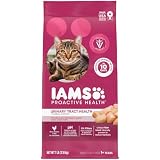
- Urinary Tract Health: IAMS Proactive Health Hairball & Urinary Tract Health dry cat food features clinically proven technology to promote urinary health in 10 days
- Cat Dry Food Reduces Hairballs: This cat food dry recipe includes a unique fiber blend clinically proven to reduce hairballs
- #1 Ingredient Is Real Chicken: IAMS Proactive Health Hairball & Urinary Tract Health cat food is made with real chicken as the #1 ingredient
- Quality Recipe: This recipe provides 100% complete and balanced nutrition for adult cats, delivering the nutrition they need
- Supports A Healthy Heart: IAMS Proactive Health Hairball & Urinary Tract Health dry cat food is crafted with essential nutrients including calcium and potassium to help nourish a healthy heart
What can cause metabolic acidosis in cats?
Kidney dysfunction
Healthy kidneys help regulate acid and bicarbonate. Chronic kidney disease can impair that work, while acute kidney injury can produce acid–base disturbances, including metabolic acidosis. Acute injury may follow toxins, reduced blood flow to the kidneys, infection, or a prolonged urinary obstruction. Distinguishing an acute problem from chronic disease matters because the likely treatment and outlook differ. Merck Veterinary Manual: Acute Kidney Injury in Small Animals
Diabetic ketoacidosis
When insulin is insufficient or ineffective, the body may break down fat and produce ketones. If ketoacids accumulate faster than the body can buffer them, metabolic acidosis can result. DKA often involves dehydration, changes in electrolytes and blood glucose, and sometimes another illness that has worsened diabetes. It is a serious emergency, not a condition to manage by adjusting insulin or giving supplements without veterinary direction. AAHA 2026 Diabetes Management Guidelines for Dogs and Cats
Lactic acidosis and impaired perfusion
Lactic acidosis can develop when tissues receive inadequate oxygen or blood flow, such as with poor perfusion. Other causes of elevated lactate can include liver or kidney disease, intense muscle activity such as seizures, and toxins. The underlying problem—not just the acid–base result—determines what needs treatment. Merck Veterinary Manual: Monitoring the Critically Ill Small Animal Using the Rule of 20
Rank #2

- URINARY TRACT HEALTH: Royal Canin Urinary Care Cat Food Wet Formula delivers a precisely balanced nutritional formula to help maintain a healthy urine concentration by regulating mineral balance in healthy adult cats
- INSTINCTIVELY PREFERRED: An instinctively preferred nutritional profile that provides carefully selected nutrients for enhanced meal enjoyment
- ENCOURAGES HEALTHY HYDRATION: Royal Canin urinary cat food helps support a healthy urinary tract and encourages hydration in healthy adult cats
- COMPLETE & BALANCED: Delivers complete and balanced nutrition for adult cats in highly palatable thin slices in gravy
- MIXED FEEDING: Perfect complement to Royal Canin Urinary Care dry and wet cat food formulas
Renal tubular disorders
Kidney tubules help reclaim bicarbonate and remove acid. Defects in these functions can cause renal tubular acidosis, often with a normal anion gap. Fanconi syndrome is one proximal tubular disorder that can involve bicarbonate and other electrolyte losses. Its cause and management are specific to the individual cat. Merck Veterinary Manual: Renal Tubular Acidosis
Other causes
Acid can accumulate, acid excretion can be impaired, or bicarbonate can be lost. Which possibilities fit depends on the cat’s condition and laboratory pattern; there is no established feline prevalence ranking that makes a broad, definitive list useful for owners.
What signs might an owner notice?
There is no reliable home symptom checklist for metabolic acidosis. The signs usually reflect the illness causing it and are not specific to an acid–base disturbance. Kidney injury may be accompanied by poor appetite, low energy, dehydration, vomiting or diarrhea, mouth ulcers, or changes in urine volume. DKA may cause vomiting and loss of appetite. Weakness and lethargy can occur with tubular disorders.
Rank #3

- Purina ONE +Plus Urinary Tract Health cat food made with real chicken to help provide the protein she needs for strong muscles, including a healthy heart
- Urinary care cat food provides low magnesium and supports urinary tract health by reducing urinary pH
- Easily digestible SmartBlend of high-quality ingredients in Purina ONE urinary tract cat food includes four antioxidant sources for a strong immune system
- Deliciously crunchy cat food bites deliver great taste with no artificial flavors or colors
- Urinary health cat food crafted in Purina-owned, U.S. facilities
Breathing pattern, appetite, or behavior cannot confirm or rule out acidosis. A cat’s breathing may change for several reasons, and waiting for a particular breathing pattern before seeking care is unsafe when the cat is otherwise unwell.
When to seek urgent veterinary care
Contact a veterinarian promptly if a diabetic cat becomes ill, particularly with vomiting, not eating, or suspected ketones. DKA is diagnosed from the combination of compatible signs in a sick diabetic cat, confirmed ketosis, and acidosis; ketones in urine alone do not automatically mean DKA in a cat that appears well. Point-of-care blood beta-hydroxybutyrate (BHB) meters and urine strips measure different ketones, and BHB testing may identify ketoacidosis earlier. A veterinarian can advise which test is appropriate. Severe cases may require care at a 24-hour referral facility. AAHA 2026 Diabetes Management Guidelines for Dogs and Cats
How a veterinarian diagnoses the problem
The evaluation combines the cat’s medical history and physical examination with laboratory tests. Blood acid–base measurements help establish whether metabolic acidosis is present and whether a respiratory component or mixed disorder is also involved. The veterinarian may interpret the anion gap and electrolytes to help narrow the pattern.
Rank #4

- UPDATED FORMULA: Clinically shown to promote urinary health by supporting a healthy mineral content in the urine
- Features natural fiber to help comfortably reduce hairballs and support healthy digestion
- Made with natural ingredients, plus added vitamins, minerals, and amino acids
- Made in the USA with global ingredients you can trust
- Hill's Pet Nutrition is the US Veterinarians' #1 recommended brand
- If DKA is suspected: the veterinarian evaluates ketones together with the cat’s clinical condition and evidence of acidosis. Blood BHB and urine ketone testing are not interchangeable.
- If kidney disease or injury is suspected: kidney values, electrolytes, urinalysis, and urine concentration can help assess kidney function. Imaging or additional testing may be needed to investigate obstruction or other causes.
- If a tubular disorder is suspected: electrolyte and urine findings, along with further targeted tests, may help identify which kidney-handling function is affected.
How treatment works
Treatment is chosen for the cause and the problems occurring alongside it, such as dehydration, poor perfusion, abnormal glucose, or electrolyte disturbances. There is no single home remedy or treatment plan for every cat with metabolic acidosis.
DKA
Veterinary DKA care generally includes rehydration, correction of electrolyte abnormalities, insulin to stop ketone production, and treatment of any underlying illness. These therapies require monitoring and adjustment by a veterinary team. AAHA 2026 Diabetes Management Guidelines for Dogs and Cats
Acute kidney injury
Care depends on the cause and may include specific treatment, carefully managed fluids, correction of electrolyte abnormalities, supportive care, and close monitoring. Fluids must be tailored to the patient: forcing urine production with arbitrarily high fluid rates can cause overhydration and worsen outcomes. Merck Veterinary Manual: Acute Kidney Injury in Small Animals
Best Value

- Purina ONE +Plus Urinary Tract Health cat food made with real chicken to help provide the protein she needs for strong muscles, including a healthy heart
- Urinary care cat food provides low magnesium and supports urinary tract health by reducing urinary pH
- Easily digestible SmartBlend of high-quality ingredients in Purina ONE urinary tract cat food includes four antioxidant sources for a strong immune system
- Deliciously crunchy cat food bites deliver great taste with no artificial flavors or colors
- Urinary health cat food crafted in Purina-owned, U.S. facilities
Tubular disease and bicarbonate
Some tubular disorders may be managed with an alkali treatment and attention to electrolyte status. Sodium bicarbonate is not a routine answer for every metabolic acidosis and is rarely warranted for acidosis related to poor perfusion; a veterinarian may consider it in selected severe metabolic disease. Do not give a cat human bicarbonate products or other supplements unless the veterinarian specifically directs it. Merck Veterinary Manual: Monitoring the Critically Ill Small Animal Using the Rule of 20
What affects a cat’s outlook?
Prognosis depends on the underlying cause, how severe the illness is, concurrent problems, and the cat’s response to treatment. There is no established feline metabolic-acidosis-specific survival estimate. Merck reports approximately 50% survival for severe acute kidney injury requiring medical intervention in a broad small-animal context; that figure is not a survival rate for cats with metabolic acidosis. Merck Veterinary Manual: Acute Kidney Injury in Small Animals
Quick Recap
Product prices and availability are accurate as of the date/time indicated and are subject to change. Any price and availability information displayed on Amazon at the time of purchase will apply.




