Quick wins for a faster PC:
Scan for outdated or missing drivers - takes under a minuteDriver Scan →Clear out junk files and repair common Windows errorsFree Scan →Fix the driver behind crashes, sound loss and screen glitchesFind Drivers →Canine parvovirus is one of the most dangerous infections a puppy can encounter. It spreads easily through feces and contaminated floors, shoes, bowls, crates, hands, and equipment. The virus can cause severe vomiting, often bloody diarrhea, dehydration, and death—particularly in young or incompletely vaccinated dogs.
The parvo vaccine is a core vaccine, meaning it is recommended for virtually every dog unless a veterinarian identifies a specific medical reason not to vaccinate. It is usually included in a combination vaccine given for distemper, adenovirus, parvovirus, and sometimes parainfluenza. Vaccination greatly lowers the risk of serious disease, but puppies still need a properly timed series of doses because antibodies received from their mother can interfere with early vaccines.
As an Amazon Associate I earn from qualifying purchases.
What is canine parvovirus?
Canine parvovirus type 2, commonly called parvo, is a highly contagious virus that attacks rapidly dividing cells. The intestinal lining is especially vulnerable, so infected dogs can develop:
- Vomiting
- Severe or bloody diarrhea
- Loss of appetite
- Extreme tiredness
- Abdominal pain
- Dehydration
- Low white blood cell counts and increased susceptibility to secondary infections
Some puppies deteriorate quickly. A dog with these signs—especially a puppy, rescue dog, or dog with an uncertain vaccination history—should be examined by a veterinarian promptly. The parvo vaccine is preventive; it does not treat an illness that has already begun.
#1 Best Overall
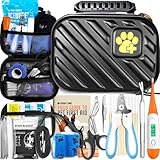
- 🐾Premium Pet First Aid Care: Elevate your pet care with our 95-piece Everlit Care Pet Medic First Aid Kit. Each item is intricately selected and vet-approved, ensuring your furry friends receive top-tier, professional-grade medical treatment. Delve into a tapestry of high-quality supplies that transcend basic pet care needs for optimal pet health and safety.
- 🏥 Vet-Recommended Essentials (Sterile & Non-Sterile): Contains the top 10 essentials, as recommended by veterinarians, crucial for addressing a wide range of pet emergencies. This kit is a crucible of safety, intricately woven to include everything from cleansing wipes, sterile gauze pads, sterile non-adherent pads, vet wraps and self-adhesive elastic bandage, ensuring professional-grade care for pet emergencies.
- 🛠️ Purpose-Built Quality: Embark on a journey of preparedness with no filler items—only high-quality, purpose-built supplies. From full-size metal tick removers to pet nail clippers, each component is a vital part of the mosaic that forms this comprehensive pet care kit. Housed in a hard-shell, water-resistant EVA bag, our kit orchestrates a perfect balance of durability and style. Its compact design makes it ideal for both verdant backyard adventures and urban excursions, ensuring your supplies remain dry and intact.
- 🌍 Travel-Ready Design: Experience the ease of an intricately organized kit with clear compartments that beckon you in urgent situations. The intuitive layout allows for quick access, helping you navigate the labyrinth of pet care with confidence. Lightweight yet robust, this kit is your ultimate companion for travel. Whether you're exploring verdant trails or navigating the urban jungle, it ensures you are prepared to handle any pet emergency on the go.
- 🎒 Must-Have for Pet Owners: Essential for every pet parent—whether you're a new dog owner, a seasoned cat caretaker, or someone caring for smaller animals. Offers peace of mind knowing you’re prepared for any health emergency.
How parvo spreads
Parvovirus is mainly spread when a dog encounters infected feces. Only a small amount of contaminated material may be enough to transmit the virus. It can also hitchhike on:
- Shoes, clothing, hands, and dog fur
- Food and water bowls
- Leashes, collars, toys, and bedding
- Kennels, veterinary equipment, floors, and soil
- Areas used by unknown or unvaccinated dogs
The virus is unusually resistant and can remain infectious in the environment for months or longer in suitable conditions. A puppy does not need to meet a visibly sick dog to be exposed.
What the parvo vaccine protects against
The vaccine trains the immune system to recognize canine parvovirus before a real exposure occurs. Vaccinated dogs are much less likely to develop severe disease, although no vaccine protects every individual perfectly.
The Tool Desk
Outbyte Driver Updater FREEFix the driver behind crashes, sound loss and screen glitchesFind Drivers →Outbyte PC Repair FREEClear out junk files and repair common Windows errorsFree Scan →Parvo vaccination is normally part of a combination product often described as a DAPP, DHPP, or similar vaccine. The exact abbreviation varies by product and clinic. These vaccines may cover:
| Component | Protects against |
|---|---|
| D | Canine distemper virus |
| A or H | Canine adenovirus, including infectious canine hepatitis |
| P | Canine parvovirus |
| Another P | Often canine parainfluenza |
Ask your veterinarian which components your dog received. “The parvo shot” is often shorthand for the parvovirus portion of a broader combination vaccine.
Typical puppy parvo vaccine schedule
For most puppies, veterinary guidelines recommend beginning the core vaccine series at 6–8 weeks of age. Doses are then repeated every 2–4 weeks until the puppy is at least 16 weeks old.
| Puppy age | Typical plan | Why it matters |
|---|---|---|
| 6–8 weeks | First combination vaccine | Begins protection, although maternal antibodies may block the response |
| 8–12 weeks | Additional doses every 2–4 weeks | Improves the chance that one dose works as maternal antibodies decline |
| 16 weeks or older | Final puppy-series dose | Important because maternal antibodies may persist until this age or beyond |
| About 6 months or within 1 year after the series | Booster, according to the veterinarian’s guidance | Helps reinforce immunity and reduce the chance of a remaining immunity gap |
| Adulthood | Usually no more often than every 3 years for parvovirus | Follows current core-vaccine guidance, unless the veterinarian recommends otherwise |
AAHA guidance recommends a booster within one year after the puppy series; WSAVA guidance also discusses a booster at approximately 6 months to reduce the chance of a remaining immunity gap. In areas with heavy parvo activity, a veterinarian may continue the puppy series to 18–20 weeks. The schedule should be based on the dog’s age, health, local risk, and the product’s instructions. AAHA canine vaccination guidelines; WSAVA 2024 Vaccination Guidelines.
Rank #2

- 1. BE PREPARED FOR ANY PET EMERGENCY – Vet-approved dog & cat first aid kit with pet-safe medical supplies, perfect for home, car, and outdoor adventures. Designed for fast, effective emergency care.
- 2. MORE THAN JUST BANDAGES – Includes vet-wrap, tick remover, first aid pads, saline wash, styptic pencil, slip leash & thermal blanket—real pet essentials, not just human first aid items.
- 3. BUILT FOR TRAVEL & ADVENTURE – Water resistant, hard-sided case protects supplies in your car, backpack, or RV. Ideal for hiking, road trips, camping, and disaster preparedness.
- 4. STEP-BY-STEP PET FIRST AID GUIDE – Easy-to-follow vet-reviewed manual for treating wounds, bites, bleeding, and emergencies—so you’ll always know what to do.
- 5. PET-SAFE & NON-TOXIC MATERIALS – Every item is vet-reviewed and made with pet-safe, non-toxic materials. Trusted by pet sitters, trainers, groomers, and adventurers—your pet deserves the best care!
Why puppies need several shots
Puppies receive protective antibodies through their mother’s first milk, called colostrum. These maternal antibodies can protect a young puppy, but they can also neutralize a vaccine before the puppy’s own immune system responds to it. The antibodies decline at different rates in different puppies.
That creates a vulnerable period: maternal protection may be fading, while an earlier vaccine may not have produced reliable immunity. Repeating the vaccine every few weeks increases the chance that a dose is given after maternal antibodies have fallen enough for the puppy to respond. This is why one injection is not considered a complete puppy vaccination program.
The dose given at or after 16 weeks is particularly important. A puppy may have received two or three earlier injections and still need this final dose to close the maternal-antibody gap.
What if an adult dog has no vaccine records?
An adult dog with no reliable vaccination history is not automatically protected, even if it appears healthy. Under commonly used veterinary schedules, a dog older than 16 weeks with an unknown history receives two combination-vaccine doses 2–4 weeks apart. The veterinarian may modify this plan after considering:
Recommended Free Tools
- Previous vaccination records
- Age and overall health
- Local parvo prevalence
- Living conditions and travel
- Previous vaccine reactions
- Whether the dog is currently ill, pregnant, or immunocompromised
Do not restart or compress the schedule without veterinary advice. Keep the dog away from high-risk areas until the veterinarian confirms an appropriate level of protection.
When can a puppy go outside?
Waiting for the final vaccination does not have to mean keeping a puppy completely isolated. Early, controlled socialization is valuable, and it can often begin before the puppy series is complete.
Lower-risk options include meeting healthy, vaccinated dogs you know, attending a reputable puppy class with vaccination and cleaning requirements, and exploring clean private areas. Carrying a puppy outdoors can also allow exposure to sights and sounds without putting its paws on contaminated ground.
Rank #3

- COMPLETE DOG FIRST AID KIT CREATED BY VETERINARIANS - Crafted with the expertise of veterinarians, this kit contains premium dog health supplies that are recommended for both everyday injuries and emergency situations. Featuring dog wound care and cat wound care products such as antiseptic wipes, bandages, emergency blanket, and burn pump spray, it helps you handle cuts, scrapes, or sudden symptoms. Ensure your dog gets the best care, backed by expert knowledge for rapid treatment.
- ENSURE PET SAFETY ON THE GO - Make sure your dogs and cat is always safe and prepared for any situation with this essential dog emergency kit. Whether you're heading to the park, going camping, or traveling, this kit includes sterile pads, bandage scissors, tweezers, wound seal, stomach relief, aspirin, eye drops, gauze rolls, prep pads, syringe, and more to manage injuries. This is designed to support your cat health supplies and well-being in any emergency. A must-have for any dog travel bag.
- DURABLE, WEATHER-RESISTANT BAG FOR ALL CONDITIONS - This bag is built to withstand the elements, making it the perfect solution for all your puppy essentials and dog accessories. This keeps your dog supplies organized, such as liquid bandage, burn cream, eye flush, and more easily accessible. Since you’re holding dog essentials, this bag ensures you’re prepared for any situation. Ideal for new pet owners, it also holds new puppy essentials and a pet first aid kit for peace of mind.
- STEP-BY-STEP PET FIRST AID GUIDE INCLUDED - Stay calm and make informed decisions with the included mini first aid guide. This step-by-step guide teaches you how to manage your dog’s health in case of an emergency, providing instructions for using the kit. With directions on how to apply dog bandages for wounds or use the dog thermometer, you’ll be able to treat your pet until you can get professional care. If you're dealing with serious issues, this guide ensures you're always ready to help.
- CONVENIENT FOR ANY SITUATION - Designed for ultimate portability, this kit is ideal for dog travel or storing in your car. The large, dog travel bag makes it easy to store in your vehicle, home, or even carry with you on walks or hikes. With easy-to-find compartments, each essential is neatly organized and ready to use when you need it most. From treating wounds to providing emergency care, this cat first aid kit ensures your pet’s safety is never compromised, no matter where life takes you.
Until the series is complete, avoid places where many unknown dogs gather or where feces may be present, including:
- Dog parks
- Pet-store floors
- Public dog runs
- Kennels and boarding facilities
- Shelters and rescue intake areas
- Shared apartment lawns and other heavily used dog areas
Your veterinarian can help balance socialization with local disease risk. A puppy in an area experiencing a parvo outbreak may need stricter precautions than one in a low-risk setting.
Parvo vaccine side effects
Most reactions are mild and resolve within a day or two. Normal short-term effects can include:
- Soreness at the injection site
- A small amount of swelling
- Sleeping more than usual
- Reduced appetite
- A mild fever
Call a veterinarian immediately if your dog develops facial swelling, hives, trouble breathing, collapse, repeated vomiting or diarrhea, or marked weakness after vaccination. These signs can indicate a serious allergic reaction, which is uncommon but potentially life-threatening.
Tell the clinic about any previous vaccine reaction before the next dose. Dogs with immune-mediated disease, serious current illness, or other special circumstances may need an individualized plan. Vaccine doses should not be arbitrarily divided below the manufacturer’s labeled volume to reduce the amount injected.
Can a vaccinated dog still get parvo?
Yes, although vaccination makes severe disease much less likely. Possible reasons for apparent vaccine failure include:
- The puppy was exposed before completing the series.
- Maternal antibodies blocked an early dose.
- The vaccine was not stored, handled, or administered correctly.
- The dog’s immune system did not produce an adequate response.
- The illness was caused by something other than parvovirus, or testing was affected by timing and vaccination status.
Vaccination is highly protective, not an absolute guarantee. A vaccinated dog with vomiting, diarrhea, lethargy, or poor appetite still needs veterinary advice.
Rank #4

- 1. BE READY ANYWHERE, ANYTIME – Lightweight, compact cat & dog first aid kit for hiking, camping, or travel. Designed for fast, effective emergency care when space and weight matter most.
- 2. PACKED WITH REAL PET ESSENTIALS – Includes vet-wrap, tick remover, cleansing wipes, saline wash, thermal blanket & more—no fluff, just field-tested dog emergency tools.
- 3. BUILT FOR BACKPACKING & ADVENTURE – Soft case fits in backpacks, glove compartments, or car consoles. Ideal for travel, hunting, road trips, camping, and everyday dog hiking gear.
- 4. STEP-BY-STEP PET FIRST AID GUIDE INCLUDED – Easy-to-follow, vet-reviewed manual covers injuries, bleeding, ticks, and emergencies—giving you the confidence to act quickly when it counts.
- 5. VET-APPROVED & PET-SAFE MATERIALS – All supplies are reviewed by veterinary professionals and made with non-toxic, pet-safe materials. Trusted by hikers, adventurers, and pet lovers.
Cleaning after possible parvo exposure
Vaccination does not replace hygiene. Pick up feces immediately and isolate dogs that are sick or have been exposed. For indoor surfaces, first remove all organic material, then use a disinfectant known to work against parvovirus and follow its contact-time instructions.
Appropriate options may include correctly diluted sodium hypochlorite, potassium peroxymonosulfate, or accelerated hydrogen peroxide. Many ordinary household cleaners—and quaternary ammonium products—are not dependable against parvovirus. Soft items and porous surfaces can be difficult or impossible to disinfect thoroughly.
Free tools Windows power users keep installed
One-click scans. No signup required.
Do not mix cleaning chemicals. Ask your veterinarian how to disinfect a home, yard, crate, or vehicle after a confirmed case, especially before bringing an unvaccinated puppy into the area.
Independent reader supportYour contribution helps us test, update, and keep practical guides available for everyone.Common misconceptions about parvo vaccination
“One shot protects my puppy.”
Not reliably. Puppies need repeated doses through at least 16 weeks because maternal antibodies can interfere with earlier injections.
“The vaccine has to be given every year forever.”
Current guidance generally calls for a booster within one year after the puppy series (or, under WSAVA guidance, at approximately 6 months), followed by parvovirus revaccination at intervals of about three years—not automatically every year. Local rules and your veterinarian’s recommendations still apply.
“My puppy cannot socialize until the final shot.”
Complete isolation is not the only safe strategy. Carefully controlled socialization can begin earlier, while high-risk public areas should be avoided.
Do these 3 things before closing this tab:
1Clear out junk files and repair common Windows errors2Scan for outdated or missing drivers - takes under a minute3Repair Windows errors before they cause bigger problems“A vaccinated dog cannot catch parvo.”
Vaccination is highly effective, but exposure before full immunity, maternal-antibody interference, administration problems, and individual immune differences can all matter.
Best Value

- The Ultimate All-in-One Kit for Pawsome Organization Say goodbye to scattered vet papers! This complete set includes 3 dog health record books nestled in a sleek dark blue PU leather case with a secure tie-wrap. Each of these puppy shot record booklets contains 12 pages: 8 are dedicated to tracking vaccines, vet visits, and vital stats, while 4 blank pages await your extra notes, pet stories, or those adorable puppy milestones. Everything you need to become your dog's favorite secretary!
- Compact & Mighty – The Perfect Size for On-The-Go Paws Don't let its size fool you! Each dog vaccine record book measures a handy 5” x 3.5” (folded) and 5” x 7” (open). The protective leather case is 5.7"x4.1", making it a breeze to carry in a bag or leave on a shelf. These dog information record notebooks are double-sided and feature dedicated spaces for all critical info, vaccine stickers, and even a photo of your furry patient. It’s the stylish and efficient way to manage pet wellness.
- Premium Quality – Splash-proof and Wear-Resistant Crafted for the messy realities of pet parenting! The cover of each puppy shot record book is made from robust 300gsm art paper with a protective laminate finish—vibrant and scratch-resistant. The 100gsm inner pages are thick and ink-proof, so even permanent markers won’t bleed through. The premium PU leather case shields your dog health record books from dirt and spills. Because we know your dog’s health history shouldn’t be accidentally “edited” by a water bowl.
- Stress-Free Tracking – Never Miss a Vaccine or Vet Visit Again Tired of playing “guess the vaccination date”? This dog vaccine record book is thoughtfully designed with structured sections: owner & puppy info, medical history, vaccination logs & sticker spots, deworming schedules, heartworm prevention, and more. This isn’t just a notebook; it’s your command center for your dog’s well-being. Keep everything organized, accessible, and headache-free. Your future self (and your vet) will thank you.
- A Pet Sitter’s Best Friend & An Emergency Lifesaver This dog information record notebook is more than a log—it's a peace-of-mind kit. Hand it to your pet sitter or vet for instant access to your pup’s entire medical history. The dedicated sections for photos, body markings, and ID info can be crucial in the heartbreaking event your furry friend gets lost. Be the most prepared pet parent on the block and keep your dog happier and healthier with this must-have tool.
When to contact a veterinarian
Contact a veterinarian urgently for vomiting, bloody or severe diarrhea, collapse, dehydration, or extreme lethargy. Do not wait for a puppy to become visibly dehydrated. Phone ahead if parvo is possible so the clinic can prevent contact with other patients and direct you to the appropriate entrance.
FAQ
How many parvo shots does a puppy need?
Most puppies need a series beginning at 6–8 weeks, with doses every 2–4 weeks until at least 16 weeks of age. The exact number depends on when vaccination started and the interval between doses.
How long after the final puppy shot is a dog protected from parvo?
Protection develops after the immune system responds, but the timing varies by vaccine and dog. Ask your veterinarian when your puppy can safely enter high-risk public areas; until then, avoid contaminated environments and unknown dogs.
What’s actually slowing this PC down?
Pick the symptom - the matching free tool is one click away.
Can a puppy get parvo after its first vaccine?
Yes. A first dose does not reliably overcome maternal antibodies or provide complete protection. This is why puppies need repeated vaccinations through at least 16 weeks.
Is the parvo vaccine safe for dogs?
Most dogs have only temporary soreness, tiredness, reduced appetite, or a mild fever. Facial swelling, hives, breathing difficulty, collapse, or repeated vomiting after vaccination requires immediate veterinary attention.
The Bottom Line
Parvo vaccination is one of the most important protections a dog can receive. Start the puppy series at 6–8 weeks, repeat it every 2–4 weeks through at least 16 weeks, follow the recommended booster schedule—including whether a booster at about 6 months or within one year is appropriate—and avoid contaminated public areas until protection is established. Because the vaccine cannot treat active infection, any puppy or dog with vomiting, severe diarrhea, lethargy, or dehydration needs prompt veterinary care.
Quick Recap
Product prices and availability are accurate as of the date/time indicated and are subject to change. Any price and availability information displayed on Amazon at the time of purchase will apply.




