
Some links on this page are affiliate links: if you buy through them we may earn a commission, at no extra cost to you.
A Pomchi is a Pomeranian–Chihuahua cross, so there is no single care formula for every dog. Coat type, appetite, body condition, activity tolerance, age, and health can differ even among littermates. The dependable approach is to use this guide as a baseline, then have your veterinarian individualize food portions, exercise limits, preventive care, and treatment decisions for your dog.
Feed a complete, balanced diet in measured portions, provide several short opportunities for movement and mental enrichment, brush according to the inherited coat, make tooth brushing a daily habit, and train with rewards and consistent routines. Because Pomchis are small, supervision and fall prevention are as important as nutrition and exercise.
As an Amazon Associate I earn from qualifying purchases.
What Pomchi care involves
Pomchis combine traits from two parent breeds, and the result is not standardized. One dog may inherit a fuller Pomeranian-like coat, while another may have a smoother Chihuahua-like coat. Energy, tolerance for handling, appetite, and sensitivity to weather also vary. Care should therefore be adjusted using five practical observations:
- Life stage: Puppies, adults, and older dogs do not have identical calorie, exercise, or training needs.
- Body condition: Your veterinarian can help you decide whether your dog is too thin, at an appropriate condition, or carrying excess weight.
- Health: Heart, airway, orthopedic, dental, skin, or digestive concerns can change what activity and food are appropriate.
- Coat and skin: A dense, longer coat generally needs more brushing than a short, smooth coat.
- Tolerance: Breathing effort, fatigue, heat or cold sensitivity, and stress signals should determine when an activity ends.
The American Veterinary Medical Association recommends arranging a veterinary examination and discussing routine care when you acquire a dog. Bring the food label, treat list, vaccination and medical records, and any questions about behavior or growth so the plan is based on your individual Pomchi rather than a generic chart.
Popular on Amazon
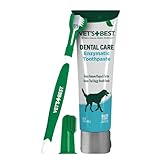
- DOG TOOTH BRUSHING KIT: Keep your dog's teeth and gums healthy with our dog toothbrush and toothpaste kit; our toothpaste is made with aloe, neem oil, grapefruit seed extract, baking soda, and enzymes to keep you dog's mouth fresh
- DOG DENTAL CARE MADE EASY: Our dog tooth paste gently cleans away plaque and tartar, serving as an effective dog breath freshener; rid your dog of bad breath and gift them a healthier mouth with our dog tooth brushing kit.
- TRIPLE HEAD TOOTHBRUSH: Our dog dental cleaning kit features a triple-sided dog tooth brush that cleans all sides of your dog's teeth at once, making tooth brushing faster and more efficient; no more struggling to clean those hard to reach back teeth
- NATURAL FLAVORS: Our toothpaste for dogs has natural flavors that your furry friend will love, making dog tooth brushing a more enjoyable experience even for the pickiest of pups, so you can keep their dog breath fresh without any fuss
- DENTAL KIT FOR DOGS OF ALL SIZES: Regular teeth cleaning supports your pet’s health. Use our dog toothbrush and toothpaste between vet visits to maintain oral hygiene, reduce plaque and tartar buildup, and keep your dog’s mouth fresh and healthy.
Feeding a Pomchi
Choose a complete diet for the correct life stage
Select a commercially prepared food labeled complete and balanced for your dog’s life stage, or use a home-prepared plan formulated by a veterinary nutrition professional. A food designed for small mouths can make chewing easier, but the label’s small-breed wording does not replace checking calories, ingredients, and your dog’s response. If your Pomchi has a diagnosed condition, food allergies, persistent digestive signs, or unusual growth, ask the veterinary team before changing diets.
Change foods gradually rather than replacing the old diet in one meal. Your veterinarian can recommend a transition pace that fits a sensitive stomach, but stop and call if vomiting, profuse diarrhea, marked lethargy, or refusal to eat develops.
Recommended Free Tools
Set portions from the label, then refine them
There is no defensible universal “one cup per day” amount for all Pomchis. Start with the feeding range on the food label, divide it into meals, and have your veterinarian refine the quantity using your dog’s current weight, body condition, lifestyle, health, and life stage. Weighing food with a kitchen scale can be more consistent than estimating a scoop, especially when a very small dog gains weight from seemingly minor extras.
Recheck the portion whenever your Pomchi’s weight, activity, medication, or health changes. A dog that receives frequent training rewards may need less food in the bowl, while a growing puppy or highly active adult may need a different total. Do not reduce a puppy’s food abruptly without veterinary advice.
Meal frequency by life stage
| Life stage | Practical starting pattern | What still needs individual advice |
|---|---|---|
| Pomchi puppy | Three or four meals per day are commonly used. | Total calories, meal size, growth rate, and whether overnight or between-meal support is needed. |
| Adult Pomchi | Two or three meals per day are common. | Total daily calories, weight trend, activity, medical conditions, and tolerance for longer gaps between meals. |
Small toy-breed puppies can be vulnerable to low blood sugar. Weakness, trembling, unusual sleepiness, wobbliness, seizures, or collapse is an urgent veterinary situation; do not attempt to diagnose or manage it from an online feeding chart. Call a veterinarian or emergency clinic immediately and follow the instructions you are given.
Use treats without losing control of calories
Keep treats to no more than 10% of daily intake, the limit cited in the Pomchi-specific guidance. Break a treat into tiny pieces for training, and count chews, table scraps, pill pockets, and food used in puzzle toys as part of the same daily total. If your dog is gaining weight, first inventory every extra source of calories with your veterinarian rather than simply restricting the balanced meals a puppy needs.
Quick wins for a faster PC:
Clear out junk files and repair common Windows errorsFree Scan →Fix the driver behind crashes, sound loss and screen glitchesFind Drivers →Repair Windows errors before they cause bigger problemsFix Now →Make meals safer
- Feed in a quiet area where the Pomchi will not be pushed away by a larger animal.
- Measure the day’s ration so family members do not unknowingly double-feed.
- Keep fresh water available and clean the bowl regularly.
- Store food and treats securely to prevent scavenging.
- Ask your veterinarian before giving supplements, bones, or homemade foods marketed as remedies.
Exercise and mental enrichment
Why there is no universal minute prescription
Pomchis need regular activity, but the available guidance does not establish one correct number of minutes for every individual. A puppy, an older dog, a Pomchi with airway or orthopedic disease, and a fit adult will not have the same safe workload. Chihuahuas can often exercise in small spaces, yet parent-breed guidance cautions against overexertion. Use short sessions and observe recovery rather than chasing a target number.
Also popular on Amazon

- COMPLETE DOG DENTAL KIT: Includes a 2.5 oz tube of chicken flavor enzymatic dog toothpaste, a long-handled double-ended toothbrush, and a finger brush, giving you a full at-home dog tooth brushing kit in one pack.
- ENZYMATIC BAKING SODA FORMULA: This Arm & Hammer enzymatic toothpaste for dogs uses baking soda for fresh breath and helps with tartar control*. Added calcium is part of the formula for stronger teeth.
- CHICKEN FLAVOR TOOTHPASTE: The chicken flavored dog toothpaste is made to make brushing more appealing. Start with a small amount so your dog can adjust to the flavor, then build a steady brushing habit over time.
- TARTAR CONTROL SUPPORT: Brushing regularly with this dog toothpaste and toothbrush helps with tartar control* and fresh breath. Use the toothpaste with either brush as part of a consistent at-home dental care routine.
- TWO BRUSH SIZES INCLUDED: The long-handled double-ended toothbrush and the finger brush give you two brush sizes to suit all size pets. The finger brush is made for training and for sensitive pets.
Build a varied daily routine
Combine several manageable activities instead of relying on one long outing:
- Short walks: Let your dog move at a comfortable pace and sniff. Choose cooler times in hot weather and protect paws from very hot or icy surfaces.
- Indoor games: Use gentle fetch, toy searches, or supervised play in a non-slip area. Remove toys that can be swallowed or shredded.
- Sniffing: Scatter a portion of the normal meal in a safe area or use a food puzzle approved for small dogs. Supervise to prevent frantic gulping.
- Reward-based training: A few minutes of cues, handling practice, or trick training provides mental work without demanding prolonged running.
- Calm exploration: Let the dog investigate new surfaces, sounds, and rooms at a pace that does not create fear.
Adjust for weather, health, and behavior
Reduce intensity in heat, humidity, extreme cold, poor air quality, or on days when your Pomchi is unwell. Carry a small dog rather than forcing a walk when footing or temperature is unsafe, but do not turn carrying into the only form of activity. Ask your veterinarian how to modify exercise after illness, surgery, injury, or a new diagnosis.
Stop the session and seek veterinary advice if activity produces unusual breathing difficulty, weakness, collapse, persistent coughing, blue or very pale gums, severe distress, or recovery that is not typical for your dog. Panting that rapidly settles after a gentle session is different from escalating respiratory effort; when uncertain, treat the change as a medical question.
Prevent exercise-related injuries
- Use a secure harness fitted so it does not restrict breathing or rub the skin; ask a professional to check the fit.
- Avoid repeated high jumps from sofas, beds, or stairs. Use ramps, steps designed for pets, or block access.
- Keep play with larger dogs controlled. A friendly accidental body check can injure a tiny dog.
- Check fences, gates, balcony gaps, and door routines because a small Pomchi can escape through openings that appear secure.
Grooming a Pomchi
Match brushing to the inherited coat
Plan to brush several times per week as a general starting point. A Pomchi that inherits a fuller Pomeranian-like coat may need more frequent, methodical brushing to prevent tangles and mats; a smooth-coated dog may need less coat work but still benefits from regular inspection. Work in small sections, reach the areas behind the ears and around the legs, and stop if the skin becomes irritated.
Do not cut tight mats out with household scissors close to the skin. Severe matting can hide sores and make grooming painful; have a veterinarian or experienced groomer assess it. Introduce the brush with treats, brief sessions, and pauses so grooming does not become a struggle.
Nails, bathing, and ears
Keep nails maintained so they do not catch, alter the foot’s position, or make walking uncomfortable. If you can hear nails clicking continuously on hard floors, ask a groomer or veterinary nurse to demonstrate safe trimming. Many dogs do better with tiny, frequent trims than with one long session.
The sources do not establish one bathing schedule for every Pomchi. Bathe when the coat is dirty or your veterinarian recommends a therapeutic schedule, using a gentle dog product and thorough rinsing. Dry the coat fully, especially in dense areas, and avoid human shampoos unless your veterinarian specifically directs their use.
Also popular on Amazon
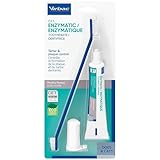
- #1 BRAND CHOSEN BY VETERINARIANS: Proven effective and trusted for over 30 years, C.E.T. is the top recommended dental brand by veterinary professionals to reduce plaque & tartar buildup
- Dual-sided toothbrush designed specifically for canine mouths with soft bristles for comfortable brushing
- Long handle with reverse angle allows for easy use and soft bristles for comfortable brushing while the finger-brush slips over finger for ease of use and better control
- Great tasting poultry-flavored toothpaste is ideal for dogs and cats that quickly build up plaque and tartar
- Complete kit with everything pet owners need to start a program of regular oral hygiene for their dog or cat. Ideal to help acquaint dogs/cats and their owners with the tooth brushing experience
Inspect ears during routine handling. Persistent odor, redness, discharge, swelling, head shaking, or pain needs veterinary assessment. Do not push cotton swabs into the ear canal or apply leftover medication; the correct treatment depends on what is causing the irritation.
Make dental care daily
Small dogs can need especially consistent dental attention, so establish a daily tooth-brushing routine with a dog-specific toothbrush and toothpaste. Human toothpaste is not an appropriate substitute. Start by touching the lips, then briefly lifting the lip, then brushing a few teeth before rewarding and stopping. Increase duration gradually as your Pomchi remains comfortable.
Ask your veterinary team whether dental chews, a particular diet, or professional cleaning fits your dog’s mouth and health. Bad breath, drooling, dropping food, chewing on one side, pawing at the mouth, bleeding gums, or reluctance to eat warrants an examination rather than masking the odor with a product.
Training and socialization
Use rewards and short, consistent sessions
Pomchis generally learn best when the desired behavior is clear and immediately rewarded. Use tiny food rewards from the daily allowance, praise, play, or access to sniffing as reinforcers. Keep sessions brief, repeatable, and successful; several short practices are more useful than one exhausting lesson.
Free tools Windows power users keep installed
One-click scans. No signup required.
Teach a name response, coming when called indoors, sit, wait, leave it, gentle handling, and settling on a mat. Do not excuse nipping, barking at people, or guarding simply because the dog is small. A small dog still needs predictable boundaries, and calm behavior is safer for the household.
House-train with a routine
- Choose a toilet area and take the Pomchi there after waking, eating, drinking, playing, and naps.
- Wait quietly, then reward immediately after elimination in the correct place.
- Supervise closely indoors; use a safe pen or crate only as a management tool, never as punishment.
- If an accident begins, interrupt gently and take the dog outside or to the approved area. Clean the spot with an enzymatic cleaner so lingering odor does not invite repeats.
- Record timing and accidents for several days. Extend freedom gradually only when the pattern is reliable.
Frequent accidents, straining, blood in urine, sudden loss of previously reliable habits, or excessive thirst can indicate a medical problem and should be discussed with a veterinarian.
Socialize early without overwhelming the dog
Introduce people, surfaces, sounds, handling, car travel, grooming tools, and healthy, appropriately vaccinated dogs in controlled, positive steps. Let the Pomchi retreat; forcing contact can create fear. Pair a new experience with food or play while the dog remains relaxed, and shorten the session at the first signs of stress such as freezing, hiding, frantic escape attempts, or persistent trembling.
Also popular on Amazon

- FOR DOGS AND CATS: Enzymatic toothpaste specifically formulated using an enzyme system for dogs and cats to reduce plaque, freshen breath, and ensure a clean mouth. Poultry flavor pets love
- 100% SAFE: Includes no foaming agents, so this toothpaste is safe for pets to swallow
- VET RECOMMENDED: Virbac is the #1 Recommended dental brand by Veterinary professionals; Made in the USA
- USE WITH A TOOTHBRUSH: Use a soft-bristled toothbrush such as the C.E.T. Dual-Ended Toothbrush. Apply daily or as directed by your veterinarian. Your veterinarian may give you specific directions; follow this professional advice closely
- SATISFACTION GUARANTEED: Virbac is committed to your experience of great satisfaction with our products. Let us help with your questions and we would love to hear your comments at 1-844-484-7222
Include gentle handling of paws, ears, mouth, collar or harness, and tail. This preparation makes nail care, veterinary examinations, and emergency handling safer. Ask your veterinarian about the timing of puppy socialization and vaccinations in your area.
Home and outdoor safety
Supervise children and larger animals
Always supervise interactions with young children. Teach children to sit on the floor, let the dog approach, avoid hugging or grabbing, and leave the Pomchi alone while it eats or sleeps. Provide a child-free resting space. Interactions with larger dogs should be calm and actively supervised because size differences can turn ordinary play into an injury.
Prevent falls, escapes, and dangerous jumps
- Block stairways, balcony rails, and gaps under gates.
- Keep doors and windows secured during arrivals, deliveries, and emergencies.
- Use a harness and leash outdoors; do not rely on the dog’s small size to prevent an escape.
- Provide ramps or pet steps to favored furniture, or keep the dog off furniture if jumping cannot be controlled.
- Lift with one hand supporting the chest and the other supporting the hindquarters when carrying is necessary.
Watch for predators and environmental hazards
Supervise outdoor time, including in fenced yards. Predatory birds and other wildlife can pose a risk to a very small dog. Do not leave a Pomchi unattended outside, even in a familiar yard. Check the ground for toxic substances, sharp debris, standing water, and plants your veterinarian has identified as unsafe.
Veterinary care and warning signs
Schedule an initial examination and maintain the preventive-care plan your veterinarian recommends for vaccinations, parasite control, dental checks, weight monitoring, and any breed or individual risk assessment. Parent-breed guidance can provide context, but a crossbred dog’s actual needs are determined by its own examination and history.
Contact a veterinary professional promptly for persistent vomiting or diarrhea, refusal to eat, unexplained weight change, repeated coughing, breathing difficulty, fainting, lameness, severe itching, eye redness or discharge, ear discharge, painful grooming reactions, or sudden behavior change. Weakness, trembling, wobbliness, seizures, or collapse in a small puppy requires urgent care because low blood sugar is one possible emergency and cannot be safely diagnosed online.
What’s actually slowing this PC down?
Pick the symptom - the matching free tool is one click away.
A practical Pomchi care schedule
| Frequency | Tasks | Purpose |
|---|---|---|
| Every day | Measured meals, fresh water, a few short activity or enrichment sessions, reward-based training, and tooth brushing. | Controls calories, supports behavior, and builds dental and handling habits. |
| Several times per week | Brush the coat, inspect skin and ears, check nail length, and practice calm handling. | Finds tangles, irritation, and handling problems before they become urgent. |
| As needed | Bathing, nail trimming, coat dematting by a professional, and adjustment of exercise for weather or health. | Matches care to the dog’s coat and current condition. |
| At veterinary intervals | Physical examination, weight and body-condition review, vaccinations, parasite prevention, and dental assessment. | Keeps preventive decisions individualized and catches problems early. |
Troubleshooting common care problems
“My Pomchi is gaining weight even though meals look small.”
Measure the food, list every treat and chew, and compare the total with the label and your veterinarian’s recommendation. Review activity, medications, and recent changes in health. Do not make a drastic calorie cut—especially for a puppy—without veterinary guidance.
“My dog refuses brushing or tooth care.”
Return to the easiest step: showing the brush or toothpaste, touching briefly, rewarding, and stopping. Practice when the dog is calm, not after an exhausting or frightening event. If there is pain, bleeding, a skin lesion, a bad tooth, or severe matting, arrange an examination rather than forcing the routine.
“My Pomchi barks or lunges at visitors.”
Prevent rehearsal by using a gate, leash, or separate room before the door opens. Reward quiet observation at a distance, then gradually reduce distance only while the dog remains relaxed. Do not punish growling; it is information that the dog is uncomfortable. A qualified, reward-based behavior professional and your veterinarian can help when fear or aggression is persistent.
“My dog seems tired after exercise.”
End the session, move to a comfortable temperature, offer water, and observe recovery. If fatigue is pronounced, breathing is difficult, weakness persists, or the episode is new or worsening, contact your veterinarian promptly. Future exercise should be reduced until you have professional advice.
The Tool Desk
Outbyte Driver Updater FREEFix the driver behind crashes, sound loss and screen glitchesFind Drivers →Outbyte PC Repair FREERepair Windows errors before they cause bigger problemsFix Now →




Leave a Reply