
Quick wins for a faster PC:
Clear out junk files and repair common Windows errorsFree Scan →Scan for outdated or missing drivers - takes under a minuteDriver Scan →Repair Windows errors before they cause bigger problemsFix Now →Some links on this page are affiliate links: if you buy through them we may earn a commission, at no extra cost to you.
The practical difference is how much teaching and supervision you take on. A Pug puppy usually needs a carefully managed toilet routine, socialization, chewing redirection, frequent age-appropriate meals and close supervision. An adult Pug may already be house-trained and understand household rules, but those skills must be confirmed with the rescue, foster caregiver or previous owner. At either age, plan for the same breed-specific responsibilities: portion control, weekly coat care, moderate exercise, companionship and strict protection from heat and humidity.
The short answer: puppy work versus adult information
Choosing between a puppy and an adult Pug is less about finding a universally easier age and more about matching the dog’s current needs to your household’s time, information and routines. Puppyhood lets you establish habits from the beginning, but the first stage is an active teaching project. You will be supervising exploration, building a toilet routine, introducing people and situations thoughtfully, rewarding desirable behavior and preventing unsafe chewing.
As an Amazon Associate I earn from qualifying purchases.
Do these 3 things before closing this tab:
1Clear out junk files and repair common Windows errors2Fix the driver behind crashes, sound loss and screen glitches3Repair Windows errors before they cause bigger problemsAn adult Pug can offer a clearer picture of current size, temperament and daily habits. A foster caregiver or previous owner may know whether the dog is comfortable with children, other animals, grooming, being left alone and household routines. None of those advantages is automatic: verify each one, obtain medical records when available and allow time for the dog to settle after a move.
Both ages remain Pugs. The breed’s short-faced structure can reduce tolerance for heat and strenuous exercise; food interest can contribute to excess weight; and regular grooming, veterinary care and human company remain part of responsible ownership.
Popular on Amazon

- DUAL-SIDED GROOMING GLOVE: One glove, two jobs. The blue rubber bristle side with nubs grooms your dog, and the grey velour side with a paw-shaped patch removes hair from furniture and clothing, all on a black mesh back.
- HOW TO GROOM YOUR DOG: Place the rubber side on your hand and stroke your dog's coat in the direction of hair growth, starting at the rear and working your way forward. The paw-shaped blue bristle pad suits everyday grooming sessions.
- VELOUR SIDE FOR FURNITURE: The grey velour side works in one direction to remove pet hair from furniture and clothing. Once the mitt is covered with hair, use your hand to remove the hair from the mitt and continue to use.
- ADJUSTABLE WRIST STRAP: A black mesh back with an elastic hook-and-loop wrist strap lets you adjust the glove to fit your hand, so it stays on while you groom. One glove with a paw-shaped blue rubber pad on one side and velour on the other.
- MACHINE WASHABLE CLEANING: Machine wash cold to clean the glove after use. Do not dry clean, use bleach or tumble dry. Remove hair from the velour side by hand first, then wash so the glove is ready for the next grooming session.
How puppy and adult Pug responsibilities differ
| Area | Pug puppy | Adult Pug |
|---|---|---|
| Household skills | Assume toilet habits, chewing rules and household cues must be taught. Build a predictable routine and supervise closely. | May already be house-trained and familiar with basic cues, but confirm what the individual dog can do and in which situations. |
| Socialization | Introduce people, handling, sounds and environments gradually and positively, following your veterinarian’s vaccination and safety advice. | Ask what the dog has experienced and how it reacts to children, visitors, other animals, travel and unfamiliar places. New surroundings can still require a gradual introduction. |
| Supervision | High: prevent unsafe chewing, accidents and overexertion while teaching alternatives. | Often lower once routines are established, but observe the dog until you understand its behavior, triggers and ability to be alone. |
| Feeding | Use food appropriate for growth and ask your veterinarian about portions and meal frequency. Count training treats in the daily intake. | Continue life-stage-appropriate food and adjust portions to body condition, activity and veterinary advice rather than assuming a previous diet is ideal. |
| Exercise | Use short, age-appropriate play and activity. Avoid heat, humidity and strenuous exertion. | Provide moderate walks or play, adapting duration and intensity to the dog’s fitness, breathing and the weather. |
| Information available | Early experiences and future temperament are still developing. Ask what socialization and veterinary care have already occurred. | Past behavior and medical history may be documented, especially in a foster setting, but records can be incomplete and adjustment can change behavior temporarily. |
What bringing home a Pug puppy involves
Establishing a toilet and supervision routine
A puppy cannot be expected to understand the household on arrival. Set up a consistent place for resting, eating and toileting, then take the puppy out according to a routine recommended by your veterinarian and appropriate to its age. Watch for signs that the puppy needs a break, accompany it to the designated area and reward the correct behavior immediately. If an accident happens, clean it thoroughly and adjust supervision and timing; punishment can make learning harder.
Supervision is also how you manage exploration. Keep unsafe objects, medications, food and tempting cables out of reach. When you cannot actively watch the puppy, use a safe, puppy-proofed area rather than allowing free access to the home.
Teaching without creating fear
Use brief, positive training sessions. Reward a behavior you want, such as coming when called, sitting for a meal or settling quietly, and repeat it in manageable situations. Redirect mouthing and chewing to a puppy-safe toy or a short play session. The American Kennel Club recommends positive grooming introductions and using toys and play to redirect chewing.
Liz Sedlak, identified by the American Kennel Club as president of the City of Angels Pug Club and an AKC breeder, describes Pugs this way: “These are curious creatures who want to check everything and everyone out.” Plan for that curiosity instead of treating it as disobedience. A puppy that investigates constantly needs an environment arranged for safe discovery and an owner ready to reward calm choices.
Socialization and handling
Ask the breeder or rescue exactly what the puppy has experienced: different people, household sounds, surfaces, car travel, gentle restraint and contact around the face, ears, paws and nails. Continue introductions gradually, pairing new experiences with food or play when the puppy is relaxed. Your veterinarian can explain which public places and training classes are safe under the puppy’s vaccination plan.
Also popular on Amazon

- 【GENTLE GROOMING & MASSAGE】 Turn everyday petting into a relaxing grooming routine with the DELOMO pet hair removal glove. Featuring 255 soft silicone tips, this cat grooming glove gently lifts loose fur while providing a soothing massage for dogs and cats, making regular brushing more enjoyable
- 【REMOVE LOOSE FUR BEFORE IT SPREADS】 Designed to collect shedding hair directly from your pet's coat, this cat brush glove helps reduce loose fur that can end up on furniture, clothing and floors. The collected hair can be peeled away for convenient cleanup, making everyday grooming easier
- 【FLEXIBLE 5-FINGER DESIGN】 Unlike traditional grooming brushes, this pet grooming glove moves naturally with your hand. Its flexible five-finger design makes it easier to groom around the neck, legs, tail and other hard-to-reach areas while maintaining gentle contact with your pet
- 【WET OR DRY PET GROOMING】 Use this versatile dog and cat grooming glove for daily brushing or during bath time. The soft silicone tips help work shampoo through the coat while gently removing loose hair and dirt. Suitable for short, medium, long and curly coats, including cats and dogs
- 【BREATHABLE, ADJUSTABLE & EASY TO CLEAN】 The breathable mesh backing and adjustable wrist strap provide a comfortable fit during grooming sessions. The gloves are machine washable for easy maintenance. Includes 1 pair of grooming gloves, ideal for pet owners who prefer two-hand grooming
Do not force an interaction because a puppy appears outgoing. Give it a way to move away, keep sessions short and watch body language. A reputable puppy class can provide structure, but choose one that uses reward-based methods and follows current veterinary disease-control advice.
Meals, treats and growth
Pug puppies need food suited to their life stage, with portions guided by a veterinarian. The breed’s enthusiasm for food makes calorie control important from the start. Measure the daily ration, use part of it for training when appropriate and include every treat in the total. Monitor body condition rather than relying only on a scale, because growth changes the meaning of weight over time.
Ask for the puppy’s current food, feeding pattern, stool history and any supplements before changing the diet. Make changes with veterinary guidance, particularly if the puppy has digestive signs, is not gaining appropriately or has a known medical condition.
Exercise and heat safety
Provide moderate, age-appropriate play and movement rather than trying to tire a puppy with intense exercise. Pugs’ short-faced anatomy can limit heat tolerance. Avoid strenuous activity in warm or humid conditions, choose cooler times and stop if breathing appears labored, the puppy becomes weak or it cannot recover promptly. Your veterinarian can help tailor activity to the puppy’s development and health.
What bringing home an adult Pug involves
Verify skills instead of assuming them
Ask the rescue, foster caregiver or previous owner for specific observations. “House-trained” should mean you know how reliably the dog signals, how long it can wait and whether accidents occur in particular circumstances. Ask which cues it knows, what rewards work, whether it guards food or toys and how it behaves when a person leaves.
What’s actually slowing this PC down?
Pick the symptom - the matching free tool is one click away.
Also popular on Amazon

- All - in - One Grooming Solution: These dog grooming gloves and cat grooming gloves are a must - have. The finger - like design with silicone nubs makes them perfect for reaching deep into the undercoats, similar to a deshedding dog brush or shedding brush for dog hair. Use them as dog washing gloves, dog bath gloves, or a dog shampoo brush, or cat gloves for grooming during bath time for a thorough clean.
- Upgraded Comfort & Performance: Featuring 260 premium silicone nubs, these gloves offer a hand - like massage experience. Whether it's for a dog or a cat, they are highly effective in deshedding, better than many dog brushes for shedding. Ideal for pet grooming lovers.
- Easy to use: This pet grooming glove brush comes with an adjustable wristband that allows for easy adjustment of palm size for a comfortable grip and perfect fit. Compared to regular pet brushes, it can easily and quickly remove pet hair.
- Skin friendly: Our pet groomimg gloves suitable for long, short and curly haired dogs, cats, horses and other pets for quick, gentle and effective grooming; The lost hair sticks to the glove and can be easily peeled and thrown away without any substances that may cause skin damage; Soft silicone ensures gentle massage and combing without scratching the skin;
- What You Get – Every order comes complete with 2-Pack pet grooming glove
Request details about children, cats and other dogs, visitors, grooming, nail handling, car rides, barking, sleep routines and time alone. A dog may behave differently in a foster home, shelter, previous home and your house, so treat the history as useful evidence rather than a guarantee.
Allow an adjustment period
Moving can disrupt eating, toileting, sleep and responses to people. Keep the first days predictable: offer a quiet resting place, maintain the recorded diet initially if it is appropriate, limit overwhelming introductions and observe before making major demands. Re-teach a cue or house rule calmly if the dog does not respond in the new setting. Previous training can reappear as the dog becomes comfortable, but it may need to be practiced in your home.
Review the dog’s medical and diet history
Ask for vaccination, parasite-control, surgery, medication and diagnostic records, plus the name of the current veterinary practice if available. Confirm the dog’s food, portion, weight trend and any breathing, eye, skin, dental or mobility concerns that have been observed. Breed-level information cannot diagnose an individual Pug. Arrange an examination with a veterinarian who can assess this dog and set a preventive-care plan.
Care every Pug needs, regardless of age
Moderate activity with weather controls
Walks and play are appropriate forms of activity when adjusted to the individual dog. Avoid strenuous exercise in heat or humidity, and never use a hot day to test endurance. Plan shaded, cool opportunities; watch breathing and recovery; and stop before the dog is distressed. A veterinarian should guide exercise changes for a Pug with breathing limitations, excess weight or another condition.
Portions and body condition
Pugs are food-oriented and prone to weight gain. Feed a diet appropriate for the dog’s life stage, measure portions and count treats, chews and table food as part of intake. Check body condition regularly and ask your veterinarian to set a target and adjust portions during growth, reduced activity or weight loss efforts. Do not use a breed’s typical appearance as a reason to ignore a steady increase in weight.
Also popular on Amazon
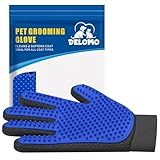
- Gentle Grooming Massage – Brush away mats, light tangles and loose undercoat with a soft, flexible groomer that turns petting into an effective deshedding tool
- Pet Hair Removal Glove – Removing hair not only helps reduce flying hair in the air, it stimulates skin oils and improves coat softness and shine
- Versatile Wet or Dry Use – Great for dogs and cats with short, medium, curly, or long coats, this pet hair removal glove can be used daily or during bath time for an even deeper clean
- Adjustable Comfort Fit – Flexible and breathable, our cat and dog brush fits most pet owners thanks to the adjustable wrist strap; better yet, it’s machine washable
- What You Get – Every order comes complete with 1 right-hand pet grooming glove
Weekly coat care and cooperative grooming
The American Kennel Club recommends weekly brushing and lists a medium-bristle brush, rubber grooming mitt or hound glove as suitable tools. Nails also need regular attention. Start with a few seconds of calm contact, reward the dog, and build duration gradually. For a puppy, introduce the brush, feet, ears and face as pleasant, low-pressure experiences; for an adult, first learn which handling has been comfortable or difficult.
Stop and seek professional help if grooming reveals pain, a skin change, an eye problem or a dog that cannot be handled safely. Brushing is routine care, not a treatment for an underlying disease.
Health monitoring and veterinary examinations
Breed-health references identify concerns associated with Pugs’ short-faced structure and eyes. These risks justify a veterinary examination and a review of warning signs, not a diagnosis based on age or appearance. Bring all available records and a written list of observed breathing, eye, skin, appetite, stool or activity changes. Ask when the next preventive visit, vaccination, parasite-control treatment and weight check should occur.
Windows Errors? Fix Them Before They Spread
Repair common Windows errors and clear accumulated junk for a smoother, more stable PC - no reinstall needed.Free scan · no reinstallCrashes, No Sound, or Screen Glitches?
Random freezes, missing sound and display glitches usually trace back to one bad driver. Find and replace yours safely.Free scan · under a minuteCompanionship and humane training
Pugs are companion dogs. The American Kennel Club notes that they may be unhappy if regularly left alone for long periods. Build a realistic plan for company, toilet breaks, exercise and mental activity around your work schedule. Whether the dog is young or mature, use reward-based teaching rather than harsh corrections. If separation-related behavior, fear or aggression appears, ask your veterinarian for a referral to a qualified behavior professional.
Independent reader supportYour contribution helps us test, update, and keep practical guides available for everyone.A practical decision framework
Use these four axes before committing. Write down evidence for the specific dog rather than scoring the breed in general.
Also popular on Amazon

- Showerhead & Sprayer Bath Brush: Designed for use with pet showerheads and sprayers. The result is faster bathing, easier rinsing, and a cleaner, healthier coat.
- Pets Love The Massaging Bristles: Your pet will now LOVE bath time! Turn grooming into a soothing massage for your pet that feels good, gets them clean and helps keep their skin and coat healthy. Our rubber brush is much gentler on your pet than coarse firm slicker brushes and is a great alternative to a metal bristle brush. The brush is made from natural, unrefined, matte-finish rubber to limit our chemical footprint. The brush is easy to clean.
- AWARD-WINNING PROFESSIONAL GRADE QUALITY: Three-time winner of the Family Choice Awards. A coveted consumer award program recognizing outstanding pet products while enriching the lives of our fur friends. Our waterproof pet brush can be used on wet or dry fur! The rubber curry brush construction is a safe professional quality furry friends with normal or sensitive skin and is best suited to short hair breeds.
- Does A Great Job Removing Fur: This dog bath brush can be used as a deshedding tool to manage constant shedding. The split ends of the rubber teeth removes pet hair while not tugging excessively like other brushes do. The brush holds onto fur preventing it from flying around and making a mess. To remove hair from the brush, simply turn upside down and tap while gently pulling on the hair.
- Committed To Your Happiness: We are a small family owned business of pet lovers committed to you and your furry friend's happiness! Based out of Austin, Texas, every product we make is designed to bring harmony between people and their pets. We think you will find our Bodhi Dog Bath Brush no exception.
| Decision axis | Questions to answer | What would change the choice? |
|---|---|---|
| Time and supervision | Can someone manage toilet trips, chewing prevention, short training sessions and gradual socialization every day? | If the household cannot provide dependable supervision, a puppy’s needs may exceed its available time. |
| Known habits | What is verified about house-training, handling, time alone, children, visitors and other animals? | An adult with well-documented behavior may offer useful predictability; an adult with little history may still require substantial teaching. |
| Health information | Are records, current medications, weight, diet and previous veterinary findings available? | Uncertainty at either age calls for a veterinary exam and a budget for care, not a promise that one age is healthier. |
| Household fit | Can the home provide companionship, moderate activity, cool-weather planning and safe interactions with its people and pets? | Choose the individual whose needs and observed behavior fit the household’s actual routines, not an idealized age category. |
Preparation checklists
Before a puppy arrives
- Confirm vaccination, deworming, diet and veterinary records with the breeder or rescue.
- Ask what socialization and handling have already occurred.
- Set up a puppy-proofed resting and supervision area.
- Prepare puppy-safe chew toys and small training rewards; keep calorie control in mind.
- Plan toilet supervision, household coverage and a veterinary appointment.
- Choose a medium-bristle brush, rubber grooming mitt or hound glove and introduce it gradually.
- Ask your veterinarian about safe outings, exercise, feeding and training classes.
Before an adult arrives
- Request written medical, diet, medication and behavior information.
- Ask for concrete examples of house-training, cues, time alone, handling and interactions with children and animals.
- Prepare a quiet area and keep the first days predictable.
- Use the dog’s current food initially if medically appropriate, then change diets only with guidance.
- Schedule a veterinary examination and bring every available record.
- Plan moderate activity that avoids heat and humidity while you learn the dog’s limits.
Common mistakes and how to correct them
Choosing on age alone
Age does not reveal an individual dog’s health, temperament or training. Correct this by collecting dog-specific records and observations, then arranging veterinary review.
Overestimating an adult’s training
A dog described as “good in the house” may still struggle with a new schedule, different flooring, visitors or time alone. Ask how the behavior was observed and practice familiar cues in your home.
Underestimating a puppy’s management needs
A small dog still needs active supervision. Prevent access to hazards, redirect chewing and schedule toilet opportunities instead of waiting for mistakes to teach you the routine.
Using exercise to solve every behavior problem
More exertion is unsafe in hot or humid weather and does not replace training, rest or companionship. Use calm teaching, environmental management and veterinary advice when behavior or breathing is concerning.
Ignoring treat calories
Food rewards can accelerate learning, but they count toward daily intake. Measure portions, choose appropriately sized rewards and adjust the main meal with veterinary guidance.
Questions to ask a breeder, rescue or foster caregiver
- What is the dog’s current diet, portion and feeding schedule?
- What veterinary records, medications, surgeries and diagnostic results are available?
- How does the dog behave around children, dogs, cats, visitors and unfamiliar people?
- What happens when the dog is left alone, transported or handled around the face and paws?
- For a puppy, what people, sounds, surfaces and grooming experiences have been introduced?
- For an adult, how reliably is the dog house-trained, and what cues work in daily life?
- What signs of breathing difficulty, eye trouble, skin problems, digestive upset or pain have been observed?
- Which activities, temperatures or situations does the dog avoid or find difficult?
Making the final choice
Choose a puppy if you genuinely want the daily work of early teaching and can provide consistent supervision, safe socialization and veterinary-guided care. Choose an adult when verified history, current size and observed habits fit your household, while accepting that a move can temporarily change behavior and that missing history may require extra patience.
Recommended Free Tools
In both cases, meet the individual dog, verify what is known, identify what is uncertain and obtain veterinary advice. The best match is the Pug whose care requirements your household can meet every day, not simply the age that sounds easiest.





Leave a Reply