Do these 3 things before closing this tab:
1Clear out junk files and repair common Windows errors2Fix the driver behind crashes, sound loss and screen glitches3Repair Windows errors before they cause bigger problemsStart with a predictable potty routine, reward the behaviors you want, and give your puppy safe ways to rest, explore, chew, and meet the world. Training is gradual: short, calm practice and consistent management help a puppy learn without expecting instant results.
What should you teach a puppy first?
Begin as soon as your puppy comes home. Prioritize everyday habits that keep them safe and make home life easier, rather than trying to teach a long list of commands at once.
As an Amazon Associate I earn from qualifying purchases.
- Potty habits: Take your puppy to the chosen bathroom area regularly and reward elimination there immediately.
- Comfort with a resting place: If you plan to use a crate, introduce it gradually as a pleasant place to settle. A gated, puppy-proofed area is another option.
- Alone-time practice: Build short, age-appropriate periods of being apart into the routine, increasing gradually as your puppy is comfortable.
- Appropriate chewing: Puppy-proof rooms and offer safe chew outlets so your puppy has suitable things to investigate with their mouth.
- Gentle interactions and simple behaviors: Reward calm handling and practice easy skills in brief sessions.
Use reward-based teaching: arrange situations so your puppy can succeed, then mark or reward the behavior you want. The American Veterinary Society of Animal Behavior (AVSAB) recommends reward-based methods for all dog training, including behavior problems. See its public position statements.
The Tool Desk
Outbyte PC Repair FREERepair Windows errors before they cause bigger problemsFix Now →Outbyte Driver Updater FREEFix the driver behind crashes, sound loss and screen glitchesFind Drivers →How do you potty train a puppy?
Potty training works best when you prevent avoidable accidents, provide regular chances to go in the right place, and reward success immediately. Decide whether your household is aiming for an outdoor potty area or an indoor pad, then keep the routine consistent. Available guidance recognizes pads as one possible approved area but does not establish that one approach has better long-term outcomes for every household.
#1 Best Overall

- REAL CHICKEN FIRST: Baby BLUE Training Treats are made with delicious real chicken as the first ingredient, plus DHA for cognitive development, making them the ideal reward for your puppy’s best behavior
- MEATY TRAINING TREATS: For puppies that love a meaty treat, Baby BLUE training dog treats are tender, bite-sized morsels that make them perfect for training
- WHOLESOME INGREDIENTS: These dog treats contain NO chicken (or poultry) by-product meals and are free of corn, wheat and soy; Plus, they’re free of artificial preservatives and colors
- HEALTHY DOG TREATS: Blue Buffalo natural dog treats feature the healthy, wholesome ingredients you’ll love feeding as much as they’ll love eating
- Contains One (1) 4-oz bag of Blue Buffalo Baby BLUE Training Treats Natural Puppy Soft Dog Treats, Savory Chicken
- Choose the potty area. Take your puppy to the same designated outdoor spot, or to the same indoor pad area if that is your plan.
- Offer regular opportunities. Bring your puppy to the area regularly and supervise closely indoors so you can respond before an accident happens.
- Reward right away. Keep a small treat or toy with you and offer it immediately after your puppy eliminates in the intended place. Waiting until you are back inside may reward following you indoors rather than going outside.
- Handle accidents calmly. Clean up and return to the routine. Do not punish an accident you discover later; the puppy is unlikely to connect delayed punishment with the earlier behavior, and it may encourage hiding.
A crate may help with a short period of management once your puppy is comfortable in it, but it does not replace supervision or potty breaks. AVSAB’s housetraining guidance explains the importance of immediate rewards and why delayed punishment is unhelpful. If housetraining remains unusually difficult despite a consistent routine, ask a veterinarian whether a health issue could be involved.
How do you crate train a puppy?
A crate is optional. It can provide a resting place and help manage the puppy safely for manageable periods, but it should feel like a comfortable space—not punishment. Introduce it gradually and reward voluntary entry and calm behavior. Do not leave a puppy confined longer than they can comfortably manage.
Rank #2
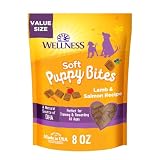
- GRAIN-FREE PUPPY TREATS: These bite-sized, soft puppy training treats are the perfect reward during training sessions or any time you want to thank your dog for good behavior. Puppy bites contain 6 calories per individual treat!
- SUPPORTS BRAIN DEVELOPMENT: Soft dog treats are crafted with salmon, a healthy source of DHA to promote healthy brain development.
- HEALTHY INGREDIENTS: These treats for dogs are made with minimal ingredients focused on quality proteins: made with lamb and salmon, with added vitamins specifically for puppies.
- NO CORN, WHEAT, OR SOY: Treats for dogs do not contain wheat, wheat gluten, corn, soy, or artificial colors.
- MADE IN USA: Our dog treats are quality-assured, made in USA, and crafted from the finest globally-sourced ingredients. Treats are tender, healthy, and bite-sized for small, medium, and large dogs of all lifestages, and activity levels.
- Make the crate a pleasant place to approach and explore.
- Reward your puppy for choosing to enter and for settling calmly; build comfort in small steps.
- Use the crate only for periods your puppy can comfortably handle, while maintaining supervision and potty breaks.
- If your puppy shows distress, stop treating the crate as the default solution. Consider a larger puppy-proofed area, such as a gated space or exercise pen, and seek qualified help if needed.
Choose the least restrictive safe arrangement that fits the situation. Consider how well your puppy settles, how closely you can supervise, and how long they need to be contained; an anxious puppy may do better outside a crate. Read the AKC guide to crate training for additional guidance.
How do you socialize a puppy safely?
Socialization means offering positive, manageable experiences with people, places, sounds, handling, and appropriate dogs. The goal is not to push a puppy into every situation, but to let them encounter the world without becoming overwhelmed.
Rank #3

- Highly Palatable with natural pork liver base
- 500 treats per bag!
- Only 1.5 calories per treat
- Clean ingredients with no corn, soy or artificial flavors
- Made with natural bacon
- Keep introductions gentle and allow the puppy space to observe or move away.
- Ask your veterinarian about local disease risks, your puppy’s health and vaccination status, and when a class or particular outing is appropriate.
- AVSAB describes organized puppy classes as a possible safe setting for healthy puppies with up-to-date vaccinations, while advising owners to avoid highly trafficked, unsanitized areas used by dogs of unknown health status.
- If your puppy seems fearful, get veterinary guidance rather than forcing exposure.
Because local disease risks and individual circumstances matter, your veterinarian is the best person to advise on timing and suitable places. See AVSAB’s Puppy Socialization Position Statement and the AKC’s puppy socialization guide.
Should you use a crate, a gated area, or potty pads?
Choose the setup that helps your puppy stay safe and comfortable while you can supervise appropriately. There is no single arrangement that suits every household or puppy.
Rank #4

- Lots of flavor, not fillers: Just three simple, all-natural ingredients mean low calories and high nutritional value, making a tasty but healthy treat that your pup will actually love
- Ready for training, wherever you are: The best training is consistent training. Our small treats are lightweight and perfectly sized for quick rewards so they are ready to go whenever there is a training opportunity
- Mess free treats: No oily, greasy, crumbly messes here, Pupford treats keep your hands and pouches clean. You can even keep some in your pocket for walks, classes, or mini adventures without worrying about them getting grimy or stale
- Motivate even the pickiest of pups: A wide range of flavors makes it easy to find the perfect fit for your pup’s tastes
- Pupford Promise: We strive to always provide simple, high-quality, healthy pup essentials. If you or your pup aren't happy with a purchase, let us know so we can help find the right fit!
| Choice | Useful when | What to consider |
|---|---|---|
| Crate | You want a defined resting or management space and your puppy is learning to feel comfortable in it. | Use it for manageable periods, not as punishment or a substitute for potty breaks. Distress is a reason to consider another setup. |
| Gated puppy-proofed area or exercise pen | Your puppy needs more room, or does not settle comfortably in a crate. | Remove hazards and choose an area where you can still supervise. |
| Outdoor potty area | Your household intends the puppy to eliminate outdoors. | Take the puppy there regularly and reward elimination immediately. |
| Indoor potty pads | Your household has chosen an indoor potty area. | Use a consistent location. Available guidance does not establish a universal long-term advantage over outdoor training. |
Are puppy classes worth it?
A well-run class can offer structured guidance and positive opportunities to learn around other people and puppies. Before enrolling, ask your veterinarian about timing and health considerations, and choose a qualified instructor who uses reward-based methods. A group setting may suit a puppy comfortable around others; an individual concern such as fear may call for veterinary guidance and tailored professional support instead.
Quick wins for a faster PC:
Clear out junk files and repair common Windows errorsFree Scan →Fix the driver behind crashes, sound loss and screen glitchesFind Drivers →Repair Windows errors before they cause bigger problemsFix Now →When should you ask for professional help?
- Fear: Ask your veterinarian for guidance, especially if your puppy is fearful around people, places, handling, sounds, or dogs.
- Persistent potty problems: If a consistent routine is not helping, a veterinary check can assess whether a health issue is involved; consider qualified training support as advised.
- Choosing a trainer: Look for a qualified instructor who teaches with rewards and can explain how they will help your puppy succeed.
The AKC’s guide to the first behaviors to teach and its puppy training tips provide further practical context.
Quick Recap
Best Value

- High Value, Irresistible Flavor: Pups love the taste and aroma, making training sessions more effective and enjoyable
- High-Quality Ingredients: Made in the USA with clean, simple ingredients, starting with chicken - nothing artificial and no fillers
- Low-Calorie: Less than 2 kcal per treat and high in protein, perfect for frequent rewarding without worry
- Perfectly Sized: Small enough for one-bite rewards, which helps prevent overfeeding while keeping training sessions flowing smoothly
- Soft & Chewy: Perfect texture for quick rewarding during training, and great for pups with sensitive teeth like senior dogs
Product prices and availability are accurate as of the date/time indicated and are subject to change. Any price and availability information displayed on Amazon at the time of purchase will apply.




