Bad breath, chewing changes, drooling, dropping food, reduced appetite, bleeding, swelling, or a sudden change in behavior can all indicate dental or oral disease in a dog or cat. Contact a veterinarian when you notice these signs, particularly pain, bleeding, swelling, difficulty eating, appetite loss, or a broken or loose tooth. A pet can have substantial disease below the gumline while the mouth looks almost normal from the outside.
This guide helps you recognize possible problems and decide how promptly to call. It is not a diagnosis; only a veterinary examination can determine what is happening and which treatment, if any, is needed.
As an Amazon Associate I earn from qualifying purchases.
Why dental disease is easy to miss
Dental disease often develops out of sight. Plaque is a bacterial film that can begin hardening into tartar within about 24 hours. Inflammation limited to the gums is called gingivitis. If inflammation and infection extend into the tissues and bone supporting the teeth, the condition becomes periodontitis, which can lead to bone loss and tooth loss.
The Tool Desk
Outbyte PC Repair FREERepair Windows errors before they cause bigger problemsFix Now →Outbyte Driver Updater FREEFix the driver behind crashes, sound loss and screen glitchesFind Drivers →The most damaging plaque and tartar may sit below the gumline. You cannot assess that area reliably during a quick look at home, and a lack of visible tartar or bad breath does not rule out disease. Cats are especially good at concealing mouth pain and may continue eating despite significant lesions.
#1 Best Overall

- CLEANS DOG & CAT TEETH, & HELPS FIGHT PLAQUE – Get teeth sparkly clean and gums in great shape between vet visits with this dog and cat teeth cleaner and dental care solution. Both our water additive and pet toothpaste feature exclusive, non-toxic Oxygene to help fight plaque and freshen breath.
- GOODBYE TO BAD PET BREATH – Say goodbye to dog and cat bad breath with our gentle fresh breath treatment for puppies, dogs, kittens, and cats. Beats breath bones and dental chews that only mask odors temporarily! Made in the USA, this non-toxic formula freshens breath without harsh ingredients.
- PERFECT FOR THE WHOLE PACK – Our premium dental care formulas are gentle, non-toxic, and safe for dogs and cats alike. Tasteless and odorless, even the pickiest of picky pets will love it! Because when it comes to fresh breath and happy tails, Oxyfresh is perfect for the whole furry family.
- EASIEST DOG & CAT DENTAL KIT – Everything you need for a simple, effective pet dental routine at home! This complete kit includes our fresh breath water additive (just add to their bowl), dental gel toothpaste, and 3 gentle finger toothbrushes for easy, stress-free care.
- APPROVED & LOVED BY PET PARENTS – Our amazing Pet Dental Kit features safe, trusted ingredients you can always feel good about. So if you've tried everything else, it's time to try something that works.
Dental problems are common, but the estimates below come from different sources and should not be treated as one combined statistic:
- VCA Animal Hospitals reports that more than half of cats older than three have some form of dental disease.
- Cornell University College of Veterinary Medicine reports that 80–90% of dogs over three have some component of periodontal disease.
- The American Veterinary Medical Association (AVMA) says that by age three, a pet will be “very likely” to have at least early evidence of periodontal disease.
The figures do not establish how severe an individual pet’s condition is. They do explain why routine dental checks matter even when an animal appears well.
Signs to watch for in any dog or cat
One sign may have several possible causes, and a combination of signs makes a veterinary assessment more important. Look for changes from your pet’s normal eating, grooming, and behavior rather than waiting for a dramatic symptom.
| Sign | What you may notice | Why a vet should assess it |
|---|---|---|
| Bad breath | A persistent or suddenly stronger odor from the mouth | It can accompany plaque, gingivitis, periodontal infection, a damaged tooth, or another oral problem. |
| Chewing changes | Chewing on one side, chewing slowly, chattering the jaw, dropping kibble, or refusing hard food | Pain, a loose or broken tooth, gum inflammation, or a lesion may make normal chewing difficult. |
| Drooling | More saliva than usual, wet fur around the mouth, or saliva streaked with blood | Excess saliva and blood can signal pain, inflammation, injury, or infection. |
| Reduced appetite | Eating less, taking longer to finish, refusing food, or approaching the bowl and backing away | Appetite loss can result from oral pain and also creates a risk of inadequate nutrition. |
| Visible mouth changes | Red or bleeding gums, tartar, discolored teeth, a missing or loose tooth, or an unusual mass | Only an examination can show how far disease extends below the gumline. |
| Swelling | Swelling around the mouth, cheek, jaw, or face | Swelling can accompany infection, an abscess, trauma, or another condition requiring prompt assessment. |
| Behavior change | Irritability, reluctance to be touched around the head, pawing at the mouth, head shaking, hiding, or seeming unusually quiet | Animals may express oral pain through behavior rather than an obvious mouth complaint. |
| Nasal discharge | Discharge from the nose, occasionally with blood, in a dog with other facial or mouth changes | Cornell lists nasal discharge as a reason to contact a veterinarian about a dog’s dental health. |
How dental signs can look different in dogs and cats
Dogs
Dogs may show recognizable eating changes: dropping food, chewing with discomfort, refusing crunchy food, or struggling to swallow. Pawing at the mouth, shaking the head, jaw chattering, and heavy drooling are additional clues. Saliva can contain blood. Facial or jaw swelling and nasal discharge are also warning signs described in canine guidance.
A dog may still be eager to eat despite dental pain. Appetite alone therefore cannot tell you that the mouth is healthy. A dog that suddenly avoids a chew, takes food gingerly, or leaves pieces on the floor deserves attention even if energy and appetite seem otherwise normal.
Rank #2
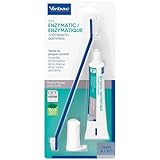
- #1 BRAND CHOSEN BY VETERINARIANS: Proven effective and trusted for over 30 years, C.E.T. is the top recommended dental brand by veterinary professionals to reduce plaque & tartar buildup
- Dual-sided toothbrush designed specifically for canine mouths with soft bristles for comfortable brushing
- Long handle with reverse angle allows for easy use and soft bristles for comfortable brushing while the finger-brush slips over finger for ease of use and better control
- Great tasting poultry-flavored toothpaste is ideal for dogs and cats that quickly build up plaque and tartar
- Complete kit with everything pet owners need to start a program of regular oral hygiene for their dog or cat. Ideal to help acquaint dogs/cats and their owners with the tooth brushing experience
Cats
Cats may have gingivitis, periodontal disease, or tooth resorption. Tooth resorption is a painful process in which parts of a tooth are destroyed; it may not be visible without a detailed examination and dental imaging. A cat might drool, drop food, chew oddly, or develop bad breath, but many cats show no sign that an owner can easily detect.
Subtle clues include eating on one side, swallowing food without chewing, preferring soft food, walking away from a bowl, grooming less, becoming irritable when the face is touched, or losing weight gradually. Do not assume that a cat’s continued eating means the mouth is comfortable.
Do these 3 things before closing this tab:
1Repair Windows errors before they cause bigger problems2Fix the driver behind crashes, sound loss and screen glitches3Clear out junk files and repair common Windows errorsWhen to call a veterinarian
Contact your veterinary clinic when you notice any possible dental sign. Call promptly when there is oral bleeding, facial or jaw swelling, obvious pain, reduced appetite, difficulty eating or swallowing, or a broken or loose tooth. If a cat has visible tartar, gingivitis, or mouth discomfort, arrange an oral examination rather than waiting for the problem to resolve.
There is no single emergency timetable that fits every dental complaint. Tell the clinic exactly what you see, when it began, whether your pet can eat and drink, and whether swelling or bleeding is increasing. Severe pain, inability to eat, or significant swelling merits prompt contact so the veterinary team can triage the situation and tell you where and when the pet should be seen.
Routine checks still matter
The AVMA recommends that a pet’s teeth and gums be checked at least annually, with an earlier appointment whenever signs appear. Annual assessment is not a substitute for calling when your dog or cat develops a new symptom.
Rank #3

- VOHC ACCEPTED FOR TARTAR CONTROL IN DOGS: The only naturally derived pet toothpaste with the VOHC Seal of Acceptance. Validated in two independent, randomized controlled studies. Reduces calculus, reduces plaque, freshens breath.
- EVERYTHING NEEDED FOR A COMPLETE DENTAL ROUTINE: Includes a 3 oz. tube of PRO CARE toothpaste, a soft-bristle toothbrush, and a finger brush. One kit, one daily habit.
- GRADUATE AT YOUR DOG'S PACE: Start with a finger application your dog can lick. Move to the finger brush. Then the toothbrush. A natural progression that builds trust over time.
- DRAWING ONLY ON INGREDIENTS FROM NATURE: Formulated with coconut oil, miswak, malic acid, zinc citrate, and kaolin clay. Free from parabens, artificial dyes, sulfates, sweeteners, and animal by-products.
- FOUNDED ON DECADES OF PREVENTIVE DENTISTRY SCIENCE: Developed from the research legacy of Dr. George K. Stookey, a founding member of the Veterinary Oral Health Council and one of the pioneering figures in modern preventive dentistry.
What a veterinary dental assessment may involve
The veterinarian will review eating and behavior changes, examine the face and mouth as safely as possible, and look for gum inflammation, damaged teeth, loose teeth, tartar, swelling, and other abnormalities. The findings determine whether the pet needs professional cleaning, dental radiographs, extraction, medication, or another treatment. Not every animal needs the same procedure.
Much of the disease cannot be evaluated accurately while a pet is awake. The AVMA notes that cleaning without anesthesia does not permit proper inspection or cleaning below the gumline, where most disease occurs, and may risk injury. A veterinary team can explain the recommended anesthetic plan, monitoring, and any imaging based on the individual animal’s age, health, and examination findings.
Do not interpret a surface cleaning as proof that the supporting tissues and tooth roots are healthy. Likewise, do not assume that every pet automatically requires anesthesia or imaging; those decisions belong to the veterinarian after an assessment.
How to look at your pet’s mouth safely
A brief, gentle observation can help you report changes, but it cannot replace an examination. An animal in pain may bite, even if normally friendly.
- Choose a calm, well-lit moment and let your pet settle.
- Look at the face and lips first. Note swelling, blood, discharge, or a strong new odor.
- If your pet remains relaxed, lift the lip briefly to view the outer gumline and teeth. Do not force the jaw open.
- Stop immediately if the animal pulls away, cries, growls, paws at the mouth, or seems distressed.
- Record what you observed, when it started, changes in eating, and any photograph that can be taken without restraining the pet. Call the clinic for guidance.
Never scrape tartar, probe a gum pocket, pull a loose tooth, or apply a household product to a painful mouth. These actions can cause injury and may delay appropriate care.
Quick wins for a faster PC:
Scan for outdated or missing drivers - takes under a minuteDriver Scan →Repair Windows errors before they cause bigger problemsFix Now →Rank #4

- Patent-Pending Design: Paw Science's dental finger wipes are hypoallergenic and pH balanced for your pet's oral cavity.
- Fast & Easy Cleaning: Convenient no-rinse dental wipes replace toothbrushes and toothpaste.
- Freshens Breath & Promotes Dental Health: With regular use, removes plaque, helps fight tartar buildup, and supports healthy gums.
- Vet-Formulated with Simple Ingredients: Vet-approved ingredients that gently clean your cat's and dog's teeth.
- Suitable for both small and large breeds, including puppies, kittens, cats, and large dogs.
Preventive dental care after your veterinarian has checked the mouth
Home care helps prevent new plaque from accumulating, but it does not cure established painful disease. Treat an active problem first according to your veterinarian’s plan.
Brushing for dogs
Cornell identifies toothbrushing as the most effective home method for preventing dental disease in dogs. Introduce it gradually: let the dog taste a veterinary-approved pet toothpaste, then touch the teeth and gums with a finger or brush for a few seconds, rewarding calm behavior. Build toward regular brushing of the outer tooth surfaces. Stop if the mouth appears painful and ask the veterinarian how to proceed.
Use products intended for pets and follow veterinary advice about the brush and toothpaste. The sources used here do not establish that human toothpaste is safe, so do not substitute it without confirmation from your veterinarian.
Other preventive options
Cornell also lists dental diets, dental chews and treats, water additives, oral gels, and sprays as options that may help reduce plaque or tartar. They vary by species, health status, ingredients, texture, and how well an individual pet tolerates them.
| Decision point | Question to ask |
|---|---|
| Species and health | Is the product intended for this dog or cat, age, size, and medical condition? |
| Evidence | Does it have current Veterinary Oral Health Council (VOHC) acceptance for the claimed plaque or tartar benefit? |
| Tolerance and safety | Will the pet use it willingly without swallowing large pieces, vomiting, or damaging teeth? |
| Role in care | Does it complement brushing and veterinary examinations rather than replace them? |
The AVMA says the VOHC awards its seal only to products shown to reduce plaque and/or tartar. Check the current VOHC listing and species suitability before relying on a product. No individual chew, toothpaste, additive, gel, or spray is established here as a treatment for existing dental disease.
Best Value

- HELPS SUPPORT PLAQUE AND TARTAR CONTROL – Help target plaque and odor-causing buildup with our advanced pet dental water additive, featuring our specialized formula that promotes easier daily oral hygiene
- EFFORTLESS DAILY ROUTINE – Save time and energy with this alternative to tooth brushing kits. Just add to their water and measure using the built-in measuring cap
- TASTES JUST LIKE PLAIN WATER – Help keep your pets hydrated with a completely flavorless and scent-free dog and cat dental water additive. Free from sugar and artificial flavors
- VET-RECOMMENDED FOR CATS AND DOGS – Share this daily water additive across your entire house. It is specially formulated to effortlessly support the general dental care of both cats and dogs
- TRUSTED USA QUALITY SINCE 1999 – Get the same reliable dog and cat dental care formula manufactured locally in the US, trusted by pet parents nationwide for their pets' daily maintenance
What not to do when you suspect dental disease
- Do not wait for bad breath or visible tartar before seeking advice; disease can be hidden below the gumline.
- Do not force the mouth open or hold a painful animal still for a detailed inspection.
- Do not scrape tartar with metal tools or attempt a home extraction.
- Do not give medication unless your veterinarian has prescribed it for that pet and situation.
- Do not present brushing, chews, or water additives as a replacement for an examination when symptoms are present.
- Do not delay a call when the pet cannot eat, has significant swelling, severe pain, or ongoing bleeding.
Questions owners commonly have
Can a pet have dental disease without bad breath?
Yes. Odor is only one possible sign, and disease below the gumline may not produce an obvious smell. Changes in chewing, appetite, drooling, behavior, or the appearance of the teeth and gums also matter.
Should I wait to see whether a loose or broken tooth improves?
No. A loose or broken tooth should be reported to a veterinarian. The tooth, surrounding tissues, and any pain or infection need an assessment.
Is a cat hiding under furniture simply being moody?
It can be, but a new pattern of hiding, irritability, reduced grooming, or reluctance to eat can also reflect pain. Mention behavioral changes when arranging an oral examination.
Recommended Free Tools
Does a dental chew fix periodontal disease?
No. A chew may be one preventive option for a suitable pet, but it cannot examine or treat infected tissues below the gumline. Follow the veterinary treatment plan for established disease.
Quick Recap
Product prices and availability are accurate as of the date/time indicated and are subject to change. Any price and availability information displayed on Amazon at the time of purchase will apply.




