
The Tool Desk
Outbyte PC Repair FREERepair Windows errors before they cause bigger problemsFix Now →Outbyte Driver Updater FREEScan for outdated or missing drivers - takes under a minuteDriver Scan →Some links on this page are affiliate links: if you buy through them we may earn a commission, at no extra cost to you.
For most households, the safest disposal route is straightforward: scoop the feces and clumps, seal them in a bag, and put the bag in household garbage if your local waste authority accepts it. Do not flush cat litter or used litter-box contents, even when the package says “flushable,” and do not put used litter in compost, green waste, or a garden.
Rules for garbage collection, large quantities, and treatment facilities vary by location. The practical method below combines public-health and waste guidance with the precautions that matter most for toxoplasmosis, dust, odors, and sewer blockages.
As an Amazon Associate I earn from qualifying purchases.
Recommended Free Tools
The safest everyday routine
Keep a small, sealable bag supply and a lidded waste container near the litter box. Scoop at least once a day, tie the bag securely, and move it to the household garbage according to your municipality’s rules. The American Veterinary Medical Association (2024) recommends disposing of used litter safely, “preferably in a sealed plastic bag.” Metro Vancouver specifically recommends double-bagged garbage for cat feces in its region.
Scoop daily
Daily scooping is more than an odor-control habit. The Centers for Disease Control and Prevention (CDC) says Toxoplasma parasites in cat feces generally do not become infectious until one to five days after being shed. Removing feces each day reduces the time available for that change to occur in the litter box.
Popular on Amazon

- Please be aware that this poop bag is only suitable for medium-sized cat litter scoops, but not for large or extra-large sizes
- Sustainable Selection: Made from up to 70% recycled plastic, these cat poop bags provide a second life to over 4 million pounds of landfill plastic annually, enhancing the sustainability of your pet care routines
- With Handles for Easy Tying: Equipped with handles for convenient tying, pet poop bags effectively reduce odor diffusion. The wider size of it allows them to withstand more weight without breaking, ensuring effortless handling when cleaning up pet waste
- 125 Count: Each box contains 125 bags and 1 Cat toy. Perfect for travel, outdoor use, camping, mini trash bags in the car, stroller rides, securely holds diaper waste or sundries.
- Waterproof and Leakproof: These cat dog poop bags feature a securely sealed bottom to prevent feces leakage, ensuring that your hands or other items remain clean during carrying and disposal processes
Bag the material without making dust
- Put on disposable gloves if you use them for litter-box cleaning.
- Scoop feces and urine clumps into a small, sturdy bag. If the litter is dry, lower the scoop and bag gently rather than shaking it; British Columbia Centre for Disease Control guidance warns that shaking dried litter can release dust.
- Push excess air out without squeezing the contents, then tie or seal the bag.
- For a particularly wet, odorous, or leaky load, place the first bag inside a second bag.
- Put the sealed bag into the household garbage container, not a recycling, organics, or yard-waste cart.
- Wash your hands with soap and water after removing gloves and after handling litter or the waste container.
Small sealed pet-waste bags can make this routine easier, but a bag only contains the material; it does not sterilize it, make it compostable, or override local collection rules.
Check what your local garbage service accepts
“Household garbage” is the general route in the cited veterinary and public-health guidance, but collection programs set their own limits. Look for your city, county, state, province, or waste district’s rule for pet waste and cat litter. Some services specify the bag type, container size, or maximum weight. If the authority does not list cat litter, ask before putting out a large quantity.
Why cat litter should not be flushed
Do not flush litter, litter clumps, or litter-box waste. Metro Vancouver says all cat litter can clog sewer lines, including products sold as flushable. Portland’s sewer guidance also excludes cat litter marketed as flushable. In Switzerland, the Waters Protection Ordinance prohibits disposing of used litter through wastewater; the Swiss Federal Office for the Environment (FOEN) therefore directs residents to incineration with household waste instead.
“Flushable” is a marketing description, not a sewer guarantee
Toilet plumbing and public sewers are designed for human waste and toilet paper. Cat litter absorbs liquid and can swell, settle, or combine with grease and other debris farther down a pipe. A product that appears to pass through a toilet may still accumulate in a household drain, shared building line, pump, or municipal sewer. The fact that a litter is made from plant fibers does not remove that clogging risk.
What about feces without litter?
The safest general practice is to keep cat feces out of the toilet as well as the litter. Scoop it into a bag and use the garbage route accepted by your local authority. This avoids sending parasite-bearing material into wastewater and avoids accidentally flushing bits of litter that remain on the feces.
If you already flushed some
Stop flushing litter and switch to bagged disposal. If a toilet or drain begins to empty slowly, gurgle, or back up, stop adding water and contact a qualified plumber or your building or sewer utility. Do not keep flushing to force the material through; that can move a developing obstruction farther into the line.
Free tools Windows power users keep installed
One-click scans. No signup required.
Why used litter does not belong in compost or a garden
Do not place used litter in a home compost pile, municipal green bin, garden soil, or landscaping. BCCDC guidance says not to compost cat litter or dispose of it near a garden. FOEN says used litter is unsuitable for green-waste composting or anaerobic digestion because it may contain pathogens or traces of medication.
Plant-based litter is not an exception after use
Unused paper, wood, corn, wheat, or other plant ingredients may look compostable, but once litter has contacted urine or feces its disposal category changes. The plant material does not neutralize Toxoplasma, other organisms, or medication residues. Do not infer that a municipal organics program accepts used litter merely because the package describes the litter as biodegradable.
Also popular on Amazon

- Easy Pet Waste Cleanup: Ubbi pet waste sacks make everyday cleanup simple with durable dog poop bags and cat litter disposal bags designed for quick, convenient disposal at home, on walks, or while traveling
- Leak-Proof with Easy-Tie Tabs: strong, leak-resistant pet waste bags help contain dog poop, used cat litter, and everyday pet messes, while convenient tie tabs make each bag easy to close, carry, and throw away
- Made with 50% Recycled Materials: pet poop bags are made from 50% recycled materials, providing a more responsible waste disposal option while maintaining the durability needed for everyday dog and cat cleanup
- Lavender Scented Odor Control: lightly lavender scented bags help reduce unpleasant pet waste odors, making them ideal for dog waste disposal, litter box cleanup, diaper pails, trash cans, and other smelly pet messes
- Versatile Bags for Dogs & Cats: convenient pet waste disposal bags are ideal for dog poop pickup, cat litter box cleaning, puppy waste, multi-pet households, walks, travel, and everyday pet care essentials
Keep it away from soil and food-growing areas
Cat feces can introduce parasite material into soil, where it may persist. BCCDC notes that cat feces can remain infectious in the environment for more than a year. A garden, compost pile, or outdoor waste area is therefore not a safer place to hide or dilute used litter.
Health precautions when handling litter
Toxoplasmosis timing and exposure
CDC information dated January 30, 2024, explains that Toxoplasma oocysts need one to five days after shedding to become infectious. Cats may shed the parasite for about two weeks after infection, according to BCCDC, and environmental contamination can last much longer. These time frames are why daily scooping, prompt bagging, handwashing, and keeping litter out of soil and water matter.
Most healthy people who acquire toxoplasmosis have no symptoms or only mild illness, but infection can be serious during pregnancy and for people with weakened immune systems. The goal is sensible containment, not alarm: avoid contact with feces, clean the box regularly, and follow your clinician’s advice if you have a medical risk.
Pregnancy and a weakened immune system
BCCDC advises avoiding litter-box cleaning during pregnancy or while trying to become pregnant when possible. Ask a healthcare professional about your personal precautions if you are pregnant, planning pregnancy, or immunocompromised. If another person can do the task, have that person scoop and change the litter. If you must do it, use gloves, avoid touching your face, dispose of the waste immediately, and wash your hands thoroughly.
Control dust
Dust is a separate handling concern from infectiousness. Do not shake a scoopful of dry litter or pour a dusty load from height. Work slowly, keep your face away from the box, and follow any respiratory advice from your clinician if dust aggravates asthma or another condition. Close the waste bag before carrying it through the home.
How litter material affects the final treatment route
The material can change what remains after incineration, but it does not make used litter suitable for flushing or composting. FOEN’s comparison is specific to Switzerland’s waste system:
| Litter category | FOEN’s Switzerland-specific incineration observation | What this does not mean |
|---|---|---|
| Organic litter, such as plant fibers | Nearly completely burned, leaving little residue. | It is not approved for wastewater, green waste, or compost simply because it is organic. |
| Mineral litter, such as silica-based products | Nonburning mineral material forms slag that goes to landfill after incineration. | The presence of mineral residue does not make garbage disposal optional or justify dumping it outdoors. |
FOEN prefers organic litter from the perspective of residue in Swiss waste incineration, while still directing that all used litter go to incineration rather than green waste or wastewater. That is a Switzerland-specific waste-system recommendation, not a universal life-cycle ranking for every country or treatment facility.
Choosing among disposal routes
Use this order of questions when deciding what to do with a bag of used litter:
Also popular on Amazon

- ODOR SEALNG BAGS: The cat litter bags feature phenomenal odor sealing technology that prevents odors from leaking out. After tying the bags tightly, you won't smell the unpleasant odor. The bags are unscented!
- EASY TO USE: Pull-out design, each bag is dispensed (not on rolls), easy to extract. Simply scoop your cat or pet’s poop from the litter box into the bags, then, tie the handles tightly and dispose of in the trash. So you can keep your hands clean and safe.
- SPECIAL MATERIALS: 100 bags per box. Made of HDPE+EPI material, which is strong and thick, leakproof, no worry about breakage during using and mess up. And it will disintegrate naturally for a time to reduce white pollution.
- WIDE APPLICATION: About 1 Gallon/ 3.8 Liter capacity. Measures 10.8 x 14.5 inches when gussets are expanded(Suitable for Maximal 5.5inches Cat Litter Scoops). Widely be used for pets waste, cats litter, car trash bag, baby diapers, adult diapers, nursing bag, food waste or house garbage storage bag, etc
- VALUE PACK: the pet waste sacks come in a pack of 100, so you’re always prepared with pet waste bags. Our mission is to make everyday moments for people and their pets simpler and better.
- Does the local authority accept it in household garbage? If yes, seal the material and follow the authority’s bag and quantity rules.
- Is the quantity ordinary or unusually large? A normal household amount may fit the garbage service; a kennel, shelter, cattery, or multi-cat operation may need a separate arrangement.
- Could the route release material to water or soil? Eliminate the toilet, compost, green-waste, and garden routes unless your authority explicitly gives a different instruction for a specific unused product. The cited guidance does not support those routes for used litter.
- What treatment does your area use? If waste is incinerated, litter composition affects ash or slag. If it is landfilled, containment and local acceptance remain the controlling issues.
Large quantities, multi-cat homes, and facilities
Households with several cats can generate more waste than a standard garbage cart is designed to hold. Metro Vancouver says large quantities from cat kennels require a collection arrangement or a recycling or waste-centre arrangement. The same principle applies to shelters, breeders, boarding facilities, and veterinary settings: contact the local waste authority before storing or transporting accumulated bags.
Plan for storage
- Use a rigid, lidded container that keeps bags upright and inaccessible to pets.
- Line the container if your local service permits liners, and replace the liner before it becomes heavy enough to tear.
- Keep the container in a cool, shaded, ventilated location away from food preparation.
- Arrange collection before bags accumulate for several days, especially in warm weather.
Ask about special waste rules
Waste authorities may distinguish between ordinary household quantities and commercial or institutional loads. Ask whether they require a transfer station, booked pickup, specific labeling, or a weight limit. Do not assume a commercial facility can use the same route as a household cart.
Practical ways to manage odor and leaks
Odor control should never depend on hiding waste outdoors or flushing it. Scoop on a daily schedule, close each bag immediately, and keep the lidded container away from direct sun and heat. If a bag is wet or has sharp litter edges, use a second bag before carrying it through the home. Keep the outer container clean according to its manufacturer’s directions, and wash your hands after touching the container or its liner.
Do not leave tied bags beside an outdoor cart for days. Animals can tear them open, rain can spread contaminated material, and loose waste can be blown into soil or storm drains. Put bags inside the cart at the time and location specified by your collection service. If your service limits cart capacity, ask whether an approved extra bag, transfer station, or booked pickup is available rather than storing an increasing pile.
Changing all the litter
A full litter change creates more material than a normal daily scoop. Prepare the bags and a secure container before you begin. Wear gloves if appropriate, move slowly to limit dust, and put the old litter directly into sturdy bags. Tie each bag before starting the next one so an accidental spill does not leave an open load on the floor. Use the same approved garbage route for the full change; do not divert the load to compost, a green bin, a toilet, or outdoor soil.
When a box or liner is ready for cleaning, follow the product and veterinary instructions for washing it. Keep dirty litter and wash water away from storm drains and gardens, and do not pour litter particles into a sink or toilet. Dispose of any disposable liner in the sealed garbage bag.
Crashes, No Sound, or Screen Glitches?
Random freezes, missing sound and display glitches usually trace back to one bad driver. Find and replace yours safely.Free scan · under a minuteWindows Errors? Fix Them Before They Spread
Repair common Windows errors and clear accumulated junk for a smoother, more stable PC - no reinstall needed.Free scan · no reinstallCommon mistakes and the better alternative
| Mistake | Why it is a problem | Better practice |
|---|---|---|
| Flushing litter because the label says “flushable” | All litter can contribute to sewer clogs; some jurisdictions expressly prohibit it. | Bag it and use the locally accepted garbage route. |
| Flushing only the feces | Small pieces of litter may remain, and feces can carry parasite material into wastewater. | Scoop the entire waste into a sealed bag. |
| Putting used litter in a compost or green bin | Pathogens and medication traces may contaminate compost or digestate. | Keep used litter out of organics unless your authority gives a specific, documented exception. |
| Spreading it around a garden | Contaminated soil can expose people, pets, and food-growing areas. | Contain it and dispose of it through an approved waste service. |
| Shaking dry litter into a bag | Dust can become airborne. | Lower the scoop gently and close the bag before carrying it away. |
| Leaving a full bag beside an outdoor bin | Animals can tear it open and spread the contents. | Use a lidded container and follow collection-day instructions. |
Regional guidance that illustrates why local rules matter
Metro Vancouver, British Columbia
Metro Vancouver advises putting cat feces in double-bagged garbage and warns that all litter, including types advertised as flushable, can clog sewers. It also directs operators with large quantities to arrange collection or use an appropriate waste or recycling centre.
Portland, Oregon
The City of Portland’s sewer guidance lists cat litter as a material that should not be flushed, including litter marketed as flushable. This is a local sewer rule, but it illustrates the plumbing concern found in other jurisdictions.
Also popular on Amazon
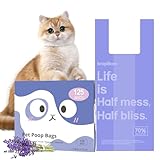
- Soothing Lavender Scent: KropBom pet waste bags lock away odors with a light, fresh lavender fragrance, turning a messy chore into a moment of calm. Enjoy a more pleasant cleanup.
- Sized for Medium Scoops: These cat litter bags are designed to fit medium-sized litter scoops. They are not compatible with extra-large scoops.
- Eco-Friendly & Sustainable: Made from up to 70% recycled plastic, our bags give a second life to millions of pounds of landfill plastic. Choose KropBom to help make a positive impact and enhance the sustainability of your pet care routine.
- Convenient Tie-Handles: Our vest-style trash bags feature sturdy handles, making it easy to tie a tight knot and lock odors inside. Their extra width and durability mean they can handle more weight without breaking, giving you confidence during cleanup.
- Bulk 125-Count Box + Free Cat Toy: Each box includes 125 durable bags and a surprise cat toy. These versatile bags are perfect for daily use, car rides, stroller walks, or even as small trash bags for camping and travel.
Switzerland
FOEN states that used litter should be incinerated with household waste and notes that Swiss water-protection law prohibits disposal through wastewater. It also excludes used litter from green waste destined for composting or anaerobic digestion. These legal requirements apply in Switzerland; they should not be presented as a single worldwide statute.
Independent reader supportYour contribution helps us test, update, and keep practical guides available for everyone.Questions people commonly ask
Can you flush cat litter?
No. Metro Vancouver and Portland warn that all litter, including products sold as flushable, can clog sewer systems. Bag it and use the garbage route your local authority accepts.
Can you flush cat poop if you remove the litter?
The safer general practice is no. Bag the feces instead of sending parasite-bearing material into wastewater, and avoid accidentally flushing remaining litter particles.
Can cat litter go in compost?
Used litter should not go into home compost, municipal green waste, or a garden under the cited guidance. BCCDC advises against composting it, and FOEN cites pathogen and medication-residue concerns.
Is biodegradable or plant-based litter compostable after use?
Not automatically. Once plant-based litter has contacted urine or feces, the used material may contain pathogens or medication traces. Follow your waste authority’s rule for used litter rather than the product’s description of its unused ingredients.
Should I double-bag every scoop?
Use a sturdy sealed bag for ordinary scoops. Double-bag a wet, leaking, unusually odorous, or especially heavy load, and follow local requirements. Metro Vancouver specifically recommends double-bagged garbage for cat feces in its region.
What’s actually slowing this PC down?
Pick the symptom - the matching free tool is one click away.
What if my garbage service refuses cat litter?
Ask the waste authority what approved option it provides, such as a transfer station, waste centre, special pickup, or quantity limit. Do not switch to flushing, composting, or outdoor dumping simply because the household cart has restrictions.
How should a pregnant person handle the litter box?
BCCDC advises avoiding litter-box cleaning during pregnancy or while trying to become pregnant when possible. Have someone else do it; if that is impossible, use gloves, avoid dust and face contact, seal the waste promptly, wash your hands, and ask a healthcare professional about additional precautions.
Also popular on Amazon

- ODOR SEALING: Panther Armor unscented litter bags use advanced tech to trap smells, keeping your home fresh for you and your cat without the unpleasant smell
- LEAK PROOF: Built with durable materials, our poop bags for cats are tear-resistant and leak proof to ensure everything is cleaned up
- PERFECT SIZE: Designed for single-cat households, these 13x9 inch litter bags fit litter scoops under 7 inches, making daily clean-up a breeze for months
- EASY-TEAR DESIGN BOX DISPENSER: Made for convenience, these poop bags have a tear-away design and a pre-cut box dispenser for quick cat litter disposal
- MADE FROM 100% COMPOSTABLE MATERIALS: Made from plant-based materials, these litter bags break down naturally after use—giving you an easy way to cut plastic waste without giving up convenience.
Does mineral litter create a special disposal category?
Not for ordinary household handling: it still belongs in the locally accepted garbage route. FOEN notes that mineral litter leaves nonburning slag after incineration in Switzerland, while organic litter leaves little residue. That comparison does not authorize dumping mineral litter or sending any used litter to water or compost.
What should a shelter or kennel do with large volumes?
Contact the local waste authority before bags accumulate. Metro Vancouver says large kennel quantities need a collection arrangement or an appropriate waste or recycling-centre arrangement. Commercial and institutional loads may have different weight, labeling, and pickup rules.
Do these 3 things before closing this tab:
1Repair Windows errors before they cause bigger problems2Fix the driver behind crashes, sound loss and screen glitches3Clear out junk files and repair common Windows errorsA simple household checklist
- Scoop every day.
- Use gloves if appropriate, and avoid shaking dry litter.
- Seal feces and used litter in a sturdy bag.
- Place the bag in household garbage only where the local authority accepts it.
- Never flush litter or litter-box contents.
- Keep used litter out of compost, green bins, gardens, and waterways.
- Wash hands after handling the box or waste.
- Have someone else clean the box during pregnancy when possible, and seek clinician advice if pregnant or immunocompromised.
- Ask the waste authority about special arrangements for unusually large volumes.
Frequently Asked Questions
Can flushable cat litter really be flushed?
No. Metro Vancouver and the City of Portland warn that even litter marketed as flushable can clog sewer lines. Seal used litter in a bag and follow your local garbage rules.
Can I flush cat poop without litter?
The safest general route is to bag the feces and put it in accepted household garbage. This keeps parasite-bearing material out of wastewater and prevents stray litter from entering the drain.
Can cat litter go in a compost or green bin?
Used litter should not be composted or placed in green waste under BCCDC and Swiss FOEN guidance because it can contain pathogens or medication traces.
How often should cat litter waste be removed?
Scoop at least daily. CDC says Toxoplasma generally needs one to five days in feces to become infectious, so daily removal reduces that opportunity.
Quick wins for a faster PC:
Repair Windows errors before they cause bigger problemsFix Now →Fix the driver behind crashes, sound loss and screen glitchesFind Drivers →What is the safest bag for cat litter waste?
Use a sturdy, sealable bag. Double-bag wet, leaking, or odorous loads, and follow any local bag or weight requirements. Bags contain waste but do not sterilize it.
What should I do with a large amount of litter from several cats?
Ask your local waste authority about quantity limits, booked pickup, a transfer station, or a waste centre. Commercial, kennel, shelter, and boarding loads may not qualify for ordinary curbside service.
Can a pregnant person clean a litter box?
BCCDC advises avoiding the task during pregnancy or while trying to become pregnant when possible. Have someone else do it, or use gloves and ask a healthcare professional about personal precautions if you must do it.
Does plant-based litter have a lower environmental impact?
FOEN reports that organic litter leaves little residue when incinerated in Switzerland, while mineral litter creates slag sent to landfill. This is a Switzerland-specific treatment observation, not a universal life-cycle ranking, and neither type should be flushed or composted after use.
Free tools Windows power users keep installed
One-click scans. No signup required.
The Bottom Line
Scoop cat waste daily, bag it securely, and use the household-garbage route your local authority accepts. Never flush used litter or litter-box contents, and keep used litter out of compost, green waste, gardens, and waterways. Wear gloves when appropriate, control dust, wash your hands, and arrange a special service for unusually large volumes.





Leave a Reply