
Yes—but only in a limited scientific sense. Greater wax moth larvae, commonly called waxworms, can rapidly damage some polyethylene film, and studies point to saliva enzymes and gut microbes that may help split the polymer. They cannot yet be treated as a safe, profitable way to consume the world’s plastic waste.
Waxworms really can damage polyethylene plastic, but that headline needs a substantial asterisk. The animal involved is usually the larva of the greater wax moth, Galleria mellonella. Laboratory research suggests that its saliva, enzymes and gut microbes can start breaking polyethylene chains apart. That is a promising biological lead—not proof that waxworms can safely eat household plastic, turn every plastic bag into fertilizer or operate a profitable global recycling system.
As an Amazon Associate I earn from qualifying purchases.
The most credible future is probably not armies of larvae crawling through landfills. It is controlled biorecycling: identifying the useful enzymes and microbes, then using them in reactors against carefully sorted plastic while measuring every residue and end product.
What kind of waxworm eats plastic?
The familiar plastic-eating waxworm is generally Galleria mellonella, the greater wax moth larva. It is a well-known beehive pest because it feeds on material in honeybee colonies. That species should not be casually conflated with lesser waxworms, mealworms or superworms. Those insects have also appeared in plastic-degradation experiments, but results from one species, polymer or laboratory setup cannot automatically be transferred to another.
#1 Best Overall

- Twin chambers: Two separate chambers allow one side to finish composting while leaving the other side available to add fresh wastes; Constant alternation of the two sides will create an uninterrupted stream of nutritious compost
- 360⁰ Tumbling Design: The rotating design prevents you from digging or mixing the pile by hand; And the deep fins on eight panels make it easier to turn the compost bin
- Excellent Aeration: Air vents can make the air fully circulate and will not cause an explosion due to excessive internal pressure; Deep fins can better break the clumps, which is conducive to the full fermentation of oxygen
- Sturdy & Durable Construction: Constructed of premium metal frame and high-quality pp plastic body, this tumbling composter is corrosion-resistant, weathering-resistant, sturdy, and durable for long-lasting service life
- Garden Gloves Included: The gloves that not only protect your hands from injury, but are also waterproof, making them easy to clean; With 4 durable ABS plastic claws for easy digging, planting and other gardening work
There is nothing unusual about buying ordinary waxworms. They are sold as live bait, feeder insects for reptiles and amphibians, bird treats and laboratory or classroom organisms. For example, the cited supplier lists live waxworms in small and bulk quantities, including a listing of 1,000 larvae for $30 at the time represented by the research. Prices, stock and shipping conditions can change, and this conventional market is not evidence that plastic remediation is commercially viable.
Most importantly, ordinary feeder waxworms are not a home plastic-recycling kit. Do not feed them shopping bags or packaging and then give the larvae—or their waste—to a pet, livestock animal or garden. The safety of plastic additives and transformation products depends on the exact feedstock and requires chemical and toxicological testing.
The discovery: a shopping bag changed the conversation
In a 2017 report in Current Biology, researchers observed that roughly 100 waxworm larvae damaged a polyethylene shopping bag within 12 hours. The striking speed made the experiment newsworthy, but the scientific importance was not simply that larvae could chew holes. Activity was also observed in homogenized larvae, suggesting that a chemical process—not just the action of jaws and gut movement—could be involved. The original report is indexed by PubMed.
Free tools Windows power users keep installed
One-click scans. No signup required.
That experiment established an important observation and a possible route to polyethylene degradation. It did not demonstrate continuous industrial processing. It did not show that all of the plastic carbon became harmless biomass or carbon dioxide. It did not establish that the remaining fragments, additives or larval waste were safe.
A hole in a film and the disappearance of a polymer are different measurements. A piece of plastic can lose visible mass because it is chewed, because fragments detach, or because the surface is chemically altered. To establish meaningful biodegradation, researchers need to examine matters such as:
- whether the polymer’s molecular weight falls;
- whether its chemical structure changes through oxidation or chain scission;
- where the plastic-derived carbon goes;
- whether the products are short-lived, harmless molecules or persistent fragments and oligomers;
- what remains in the insect, its frass and the surrounding environment; and
- whether the process can run at a useful rate with a controlled energy and labor input.
What the later research found
Several lines of research have developed from the original observation. They are complementary, but they are not one universal recipe.
1. The gut microbiome may contribute
A 2020 study examined the intestinal microbiome of greater wax moth larvae exposed to polyethylene. Short-term exposure was associated with changes in the microbial community and altered frass. The authors described the intestinal microbiome as closely associated with in-vivo polyethylene biodegradation while emphasizing that the biology is complex and that association does not by itself assign causation. The full paper is available through PMC.
This matters because the larva may not be acting alone. The insect could provide a living environment, enzymes, digestion products and favorable conditions for microbes that help modify the plastic. But a gut community that performs under a particular diet and temperature is not automatically a microbial culture ready for a waste-treatment plant.
Rank #2

- Dual Chamber, High Capacity: Our compost bin features a dual chamber with a generous capacity of 43 gallons. Perfect for large families and avid gardeners, you can simultaneously compost in one chamber while adding new organic material to the other, reducing overall composting time.
- Convenient Access: The dual-chamber composter tumbler features a detachable sliding door with a large opening, making it effortless to add waste or remove compost. The compost bin features a secure seal that effectively keeps out mice, insects, and other pests, ensuring a safe and efficient composting process.
- Built to Last: Crafted from high-quality PP materials and supported by sturdy metal components, our compost bin outdoor boasts a robust load-bearing capacity of 110 lbs. They are BPA-free, UV-resistant, and weatherproof, enduring direct sunlight, typhoons, rain, snow, and more.
- Effortless Tumbling: Say goodbye to the hassle of manual stirring. Our tumbling composter's innovative 360° tumble design ensures thorough mixing, faster decomposition, and higher-quality compost output. Simply roll it every few days, and you'll have compost ready in just 4-6 weeks.
- Optimized Airflow: The garden compost tumbler features strategically placed vents that promote proper air circulation and prevent potential issues. Internal grooves effectively break up clumps, ensuring uniform mixing of materials and accelerating the decomposition of organic matter.
2. Saliva and enzymes may begin the chemistry
A 2022 Nature Communications study shifted attention toward waxworm saliva. It reported that saliva from G. mellonella oxidized and depolymerized polyethylene within hours under room-temperature, neutral-pH conditions. The researchers identified two enzymes in the phenol-oxidase family that could reproduce the effect. The study described oxidation, chain scission and oxidized aliphatic products; its results are available in PMC.
That is a significant advance because an isolated enzyme is easier to imagine using in a reactor than millions of live insects. Even so, enzyme activity is not the same as a complete recycling process. The study did not establish an industrial mass balance showing that every atom of polyethylene becomes a benign, saleable product. Depolymerization may create smaller molecules that still need to be captured, purified or further processed.
3. Other insects and microbes produce related findings
Researchers have also isolated bacteria from lesser waxworm guts. A 2022 study reported low-density polyethylene degradation by Citrobacter freundii and a Bacillus strain in laboratory culture. A 2025 study of greater wax moth larvae reported polyethylene mulch-film weight loss, chemical depolymerization and reduced consumption after gut microbiota were suppressed with antibiotics. The latter result supports a host–microbe contribution, but neither study supplies a universal rate for every waxworm and every plastic.
Do these 3 things before closing this tab:
1Clear out junk files and repair common Windows errors2Fix the driver behind crashes, sound loss and screen glitches3Repair Windows errors before they cause bigger problemsThese results involve different species, plastic formulations, diets, temperatures, exposure times and endpoints. A result with lesser waxworm gut bacteria is not automatically a result for G. mellonella. A result with polyethylene mulch film is not automatically a result for a multilayer food wrapper. A weight-loss measurement is not automatically complete mineralization. The broader scientific picture is promising but still technically immature, as recent reviews including this 2025 review make clear.
What does eat plastic mean here?
In everyday language, eat means that an animal consumes something and turns it into useful nourishment. In plastic research, it can describe several very different events:
| Term | What it may show | What it does not prove by itself |
|---|---|---|
| Consumption or chewing | The insect takes plastic into its mouth or gut, or damages the surface. | That the polymer has been chemically destroyed. |
| Weight loss | The test material weighs less after exposure. | That all lost mass became harmless products; fragments may have detached. |
| Oxidation | Oxygen-containing chemical groups appear in the polymer or its products. | That the resulting molecules are safe or fully broken down. |
| Depolymerization or chain scission | Long polymer chains are split into shorter molecules. | That those molecules have been mineralized or recovered as useful materials. |
| Biodegradation | Biological activity changes and processes the material. | A complete, safe and economically practical recycling loop. |
| Mineralization | Carbon is converted into measured end products such as carbon dioxide, water or biomass. | That the process is commercially worthwhile or that additives are harmless. |
For a real recycling claim, researchers need more than a before-and-after photograph. They need polymer chemistry, controls, product identification and a mass balance. They also need to account for dyes, plasticizers, flame retardants, stabilizers, coatings, food contamination and other materials attached to real-world waste. Polyethylene itself is only one part of a package or mixed waste stream.
Could the frass become a valuable product?
Frass is the material produced by insects during rearing, principally their droppings and associated residue. It can contain nutrients and biologically active compounds, which makes it attractive as a possible fertilizer or soil amendment. But plastic-fed frass is not automatically safe because the insect has processed the feedstock.
Recommended Free Tools
If larvae are exposed to plastic, their frass could require testing for incompletely transformed polymer, smaller plastic-derived molecules, additives, heavy metals, pathogens and other contaminants. The result could vary according to the insect species, plastic formulation, additives, exposure time and the rest of the diet. A safe conclusion for one tested waste stream cannot be generalized to every shopping bag, mulch film or food wrapper.
Rank #3

- FEATURED IN BON APPETIT & FORBES: Recognized by renowned magazines, EPICA’s compost bin is a perfectly sized marvel for your kitchen, compact yet spacious enough to hold days' worth of compostable organic waste. Measures 7.16" in diameter x 11" high.
- CONTROL KITCHEN ODORS NATURALLY: This indoor compost bin with a charcoal filter features an airtight lid and a replaceable activated-charcoal filter to help reduce odors. Enjoy a fresher kitchen with an odor-free compost bucket designed for daily use.
- EASY TO CLEAN & RESISTANT TO LEAKS: This countertop bin features a one-piece molded design that resists rust and leaks. The container's construction is easy to hand-wash with warm water and is built for everyday convenience. Empty & clean weekly for best results. Rinse the filters and air dry them to extend their life, or replace them (they last 3-6 mo. with regular use). Don't saturate the charcoal filters- gentle rinsing is enough.
- BUILT TO LAST A LIFETIME: Crafted from premium stainless steel, this stainless steel compost container resists scratches and rust for lasting durability. An ideal compost bin for kitchen counter use that combines style with everyday performance.
- REPLACEABLE CHARCOAL FILTER FOR ODORLESS COMPOSTING: Activated-charcoal filters help keep this countertop compost bin fresh by reducing odors. With proper care, each filter lasts 3–6 months, making this compost bucket easy to maintain.
A 2021 study explored a proposed zero-waste cycle involving polystyrene-fed insects, food additives and frass as a possible plant fertilizer. That work should be read as a research concept, not as a blanket declaration that frass from plastic-fed insects is suitable for crops; see the study record at PubMed.
A 2026 study reported that yellow mealworms and superworms fed polystyrene or polyethylene produced frass enriched in several plant-hormone classes compared with bran-fed controls. That is relevant to the broader idea of turning insect waste into a product, but it concerns mealworms and superworms—not proof that G. mellonella frass from every polyethylene stream is safe or useful for agriculture. The study is reported by Plant Health Research.
The EU project behind the poop-profit idea
The clearest located attempt to connect insect plastic transformation with industrial economics is the EU-funded WInScale project. Its project reporting describes a vertical-farming concept in which G. mellonella would transform difficult waste streams into proteins, lipids and biofertilizer. It reports a €75,000 EU contribution, a 2023–2024 project period, a proposed factory model processing 60 kilotons per year and a modular unit concept of 7 kilotons per year. The project page also describes safety checks for heavy metals and plasticizers and says that larvae and frass from tested waste streams met relevant EU comparisons for pet food and organic farming. Those claims are reported by the project in the European Commission’s CORDIS database.
The Tool Desk
Outbyte PC Repair FREEClear out junk files and repair common Windows errorsFree Scan →Outbyte Driver Updater FREEFix the driver behind crashes, sound loss and screen glitchesFind Drivers →This is evidence of scale-up work, engineering ambition and an effort to think about multiple outputs. It is not proof that a 60-kiloton facility is operating, that the proposed unit has sustained commercial revenue, or that the process is profitable in every jurisdiction. Project milestones and safety comparisons are not the same as independent, long-term commercial validation.
The phrase poop profit is therefore plausible as a business hypothesis. A working facility might potentially earn value from several channels:
- avoided or reduced waste-treatment costs;
- insect proteins and lipids, if the feedstock and local rules permit those uses;
- carefully tested fertilizer or soil-amendment products;
- purified enzymes or microbial cultures;
- equipment, process design or licensing; and
- the conventional sale of insects for bait, pet feeding or research.
Against those possible revenues are collection and sorting, transport, feedstock contamination, preprocessing, climate control, insect mortality, harvesting, product purification, residue disposal, pathogen control, testing and regulatory compliance. A business model that depends on selling the larvae or frass as feed or fertilizer must also prove that the input waste is compatible with those uses. The economics cannot be inferred from the fact that larvae lose weight or that a plastic film looks thinner.
Is there already a real waxworm profit market?
Yes, but it is mostly unrelated to plastic. Waxworms already have an established niche market as fishing bait, feeder insects and research organisms. That demonstrates that people will pay to rear and distribute them. It does not demonstrate that larvae can process plastic cheaply enough to compete with mechanical recycling, chemical recycling, landfill disposal or other biological systems.
What’s actually slowing this PC down?
Pick the symptom - the matching free tool is one click away.
Plastic remediation would have to be evaluated as a complete process, not as the price of a box of worms. A useful calculation would include the amount and type of polyethylene accepted, the rate of chemical conversion, the energy and labor required, the cost of testing residues and the value of each recovered output. It would also need to compare the process with simply sorting and mechanically recycling clean polyethylene, where that option exists.
Rank #4
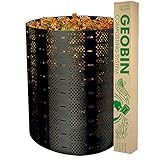
- Large capacity—expandable to 3.75 feet (237 gallon)
- Easy to assemble with closure keys. Easy to move. Easy to reassemble.
- The best value composting bin on the market.
- Excellent ventilation.
Could waxworms save the planet?
Not in their current demonstrated form. The famous 2017 result was a small laboratory experiment, and direct larval feeding would be difficult to scale. Larvae need controlled conditions, space, handling and a suitable diet. Real waste is mixed, dirty and chemically variable. A process that works on a clean film in a laboratory cannot be assumed to work on every item placed in a household recycling bin.
The more realistic opportunity is nature-inspired plastic biorecycling. Scientists could use waxworms as a discovery platform to find enzymes or microbial partnerships, then produce those enzymes or cultures in closed reactors. Such a system could separate feedstock types, control temperature and chemistry, capture transformation products and test the outgoing material. It might ultimately use no live waxworms at the treatment stage.
For that vision to become an environmental solution, researchers and operators would need to show:
- a defined plastic feedstock rather than an undefined mixture;
- repeatable conversion at a useful rate and concentration;
- a measured carbon and mass balance from polymer input to products and emissions;
- identification and safe handling of oligomers, additives and other residues;
- pathogen and contaminant controls;
- a credible use or disposal route for larvae, frass and process water; and
- an economic and life-cycle comparison with existing recycling and waste-treatment options.
What pet owners should—and should not—do
For a pet owner, the practical takeaway is simple: buy waxworms only for their conventional role as a feeder insect and follow the diet and portion guidance appropriate for the animal being fed. The plastic research does not make waxworms a detoxifying food, a safe household experiment or a way to dispose of packaging.
Never put plastic packaging into a feeder-insect container. Do not feed a pet waxworms raised on household plastic or unknown waste. Do not spread their frass on edible plants unless the feedstock, treatment and product have been specifically tested and approved for that use. And because G. mellonella is a hive pest, do not release unwanted larvae outdoors or near beekeeping equipment.
Teachers and researchers who want to study the organism should use controlled protocols, clearly identified plastic samples, appropriate controls and proper waste handling. A classroom demonstration of chewing is not a food-safety or recycling experiment.
What would count as a breakthrough?
The next persuasive headline will not be that a waxworm ate a bag. It will show a reproducible reactor process that takes a defined polyethylene stream, converts it into identified products, accounts for the carbon, demonstrates that residues are safe or properly contained and operates at a cost and environmental footprint that compare favorably with alternatives.
Quick wins for a faster PC:
Fix the driver behind crashes, sound loss and screen glitchesFind Drivers →Repair Windows errors before they cause bigger problemsFix Now →Until then, waxworms are best understood as biological clues. Their saliva and associated microbes may reveal chemistry that industry can eventually reproduce. Their frass may become one possible value stream, but only after feedstock-specific safety testing. And the existing market for live waxworms is real, while the market for profitable plastic remediation remains a development proposition.
Best Value

- Outdoor Composting Bin: Compost bin container properly vents organic materials to allow rapid and proper composting of waste providing a ready supply of nutrient-rich compost to nourish your garden
- Made with Quality Materials: Constructed using 80 percent recycled materials and designed to withstand weather and outdoor conditions ensuring durability and long-lasting performance
- Convenient Extra Features: Has a lift-off lid and 4-door access providing easy access to fully composted material making your composting process hassle-free and efficient using the composting bin
- Sizeable Capacity: Large capacity 65-gallon outdoor compost bin is the ideal solution for creating nutrient-rich compost to enhance the fertility of your garden and backyard soil
- Dimensions and Specifications: Assembly requires no tools for easy outdoor composter bin set up to quickly get you started with composting in no time; Measures (L x W x H): 26 x 26 x 30.75 inches
Frequently Asked Questions
What type of plastic can waxworms eat?
The main research concerns polyethylene, the polymer used in many bags and films. It does not show that waxworms can safely process all plastics, including PVC, PET, multilayer packaging or unknown mixed waste.
Do waxworms completely digest plastic?
No. The larvae may chew and chemically modify polyethylene, but the research does not establish that every plastic-derived molecule becomes harmless biomass, carbon dioxide or fertilizer. Residues and additives require testing.
Are plastic-eating waxworms already profitable?
No. There is a conventional market for waxworms as fishing bait, pet and bird food, and laboratory organisms. The separate business of using them or their enzymes to remediate plastic has not been shown to be broadly profitable.
Crashes, No Sound, or Screen Glitches?
Random freezes, missing sound and display glitches usually trace back to one bad driver. Find and replace yours safely.Free scan · under a minuteWindows Errors? Fix Them Before They Spread
Repair common Windows errors and clear accumulated junk for a smoother, more stable PC - no reinstall needed.Free scan · no reinstallCan I feed plastic to waxworms at home?
Not safely as a home project. Household plastic can contain additives and contaminants, and the resulting larvae and frass have not automatically been shown safe for pets, people, gardens or livestock. Do not feed plastic to waxworms intended for pets.
Can plastic-fed waxworm poop be used as fertilizer?
Potentially, but only after feedstock-specific chemical and toxicological testing. Frass from plastic-exposed insects may contain transformation products, polymer fragments or additives, so it should not automatically be used as fertilizer.
How could this technology scale?
The likely scalable route is to identify the relevant enzymes or microbial communities and use them in controlled reactors. Live larvae may help scientists discover the process without being the final industrial workforce.
The Bottom Line
Bottom line: Greater wax moth larvae can initiate the breakdown of some polyethylene under controlled laboratory conditions, apparently with help from saliva enzymes and gut microbes. That is not the same as safely recycling all plastics. Frass may have commercial potential, and projects such as WInScale are exploring scale-up, but profitability, complete mineralization and agricultural safety have not been established broadly. For pet owners, waxworms remain feeder insects—not a plastic-disposal method.
Quick Recap
Product prices and availability are accurate as of the date/time indicated and are subject to change. Any price and availability information displayed on Amazon at the time of purchase will apply.





Leave a Reply