PC Slower Than It Used to Be?
A free scan shows the junk files, broken settings and background clutter dragging Windows down - then fixes them in one click.Free scan · Windows 10 & 11Crashes, No Sound, or Screen Glitches?
Random freezes, missing sound and display glitches usually trace back to one bad driver. Find and replace yours safely.Free scan · under a minuteA healthy dog needs a routine, not a single product or appointment: nutritious food and clean water, preventive veterinary care, veterinarian-directed vaccines and parasite control, dental care, suitable activity and social contact, grooming and training, and a safe environment. The right details change with your dog’s life stage, breed and size, health, body condition, lifestyle, exposure risks, geography, and behavior.
Use the checklist below as a foundation, then ask your veterinary team to turn it into an individualized plan. Guidance from the American Animal Hospital Association (AAHA), the American Veterinary Medical Association (AVMA), and the ASPCA supports regular assessment rather than one universal schedule for every dog.
As an Amazon Associate I earn from qualifying purchases.
The basic dog-care checklist
Responsible care is a set of recurring tasks. Keep these needs visible in your daily and yearly routine:
Recommended Free Tools
- Food and water: Feed a nutritionally suitable diet and provide clean water. Reassess the diet as your dog grows, gains or loses weight, changes reproductive status, or develops a health condition.
- Veterinary prevention: Schedule routine examinations, vaccinations selected for your dog’s risks, parasite-prevention planning, and any screening tests your veterinarian recommends.
- Dental care: Provide home oral care and have your veterinarian assess the mouth throughout life, including professional cleaning when indicated.
- Activity and enrichment: Offer exercise, play, exploration, training, and social contact suited to your dog’s age, physical ability, temperament, and health.
- Grooming and hygiene: Handle coat, nails, ears, skin, and other grooming needs your dog’s breed and condition require.
- Safety and observation: Reduce household and outdoor hazards, watch for changes in appetite, drinking, movement, behavior, or elimination, and seek prompt treatment for illness or injury.
No checklist replaces an examination. A dog that seems well can still have dental disease, parasites, pain, or a body-condition problem that is easier to manage when found early.
#1 Best Overall

- Below 50 dB: The oneisall silent motor reduces noise by 17%, ensuring that even the most sensitive pets won't be scared, allowing them to enjoy a comfortable grooming experience
- Designed for Beginners: It comes with 6 guide combs(3/6/9/12/15/18mm) and a charger that allows for use while charging. With a one-touch start-up in just 1 second. Quick to master, show off your pet's fresh new look to the neighbors—crafted by you!
- Sharp Yet Safe: The upgraded curved blade is sharper and skin-safer. The tool features a three-layer protection design to ensure pet safety during use, minimizing the risk of injury
- Easy Maintenance: The cutter head can be removed in one second, and cleaning is just a matter of rinsing. This keeps the unit in pristine condition for consistent, optimal performance, ready for the next use
- Continuously Top-Selling for 10 Years: Keeping the beautiful fur of pets in over 1.5 million households, our product is the number one choice in the market, trusted and loved by a wide range of pet enthusiasts
How often should a dog see a veterinarian?
AAHA and AVMA preventive-care guidance states: “All dogs should have a veterinary examination at least annually.” The same guidance notes that some dogs need more frequent visits and that the interval should reflect the individual dog’s needs.
What happens at a preventive visit
Your veterinarian can combine your dog’s history with a physical examination to create a prevention plan. Topics commonly considered include:
- Life stage, breed, size, development, and reproductive status
- Previous illnesses, medications, allergies, and surgery
- Diet, weight, body-condition score, and muscle condition
- Dental and oral health
- Exercise, travel, boarding, daycare, hunting, water exposure, and contact with other animals
- Local disease and parasite risks
- Behavior, training, mobility, and household changes
Ask what should be checked now, what can be monitored at home, and when the next visit is due. Puppies, senior dogs, and dogs with chronic disease often need a schedule different from a healthy adult’s annual baseline. AAHA’s life-stage guidance also describes diagnostic testing as something that can vary by age, preventive products, lifestyle, and other risk factors; testing is not automatically identical for every dog.
Quick wins for a faster PC:
Repair Windows errors before they cause bigger problemsFix Now →Scan for outdated or missing drivers - takes under a minuteDriver Scan →Clear out junk files and repair common Windows errorsFree Scan →When an extra appointment is warranted
Contact a veterinary clinic promptly for persistent vomiting or diarrhea, breathing difficulty, collapse, seizures, severe pain, inability to urinate, suspected poisoning, major injury, sudden weakness, or a rapid change in behavior or appetite. For less urgent changes—such as gradual weight loss, increased thirst, recurring ear problems, bad breath, limping, or nighttime confusion—book an appointment rather than waiting for the next routine check.
Which vaccines and parasite prevention does a dog need?
Vaccination and parasite control are essential parts of preventive care, but the correct plan depends on age, health, exposure, lifestyle, and geography. There is no responsible single calendar or medication list for every dog.
Rank #2

- 7 in 1 Pro Pet Grooming Kit, Keep the House Tidy: oneisall pet grooming kit with vacuum make home grooming easy.The grooming brush and the deshedding tool gently remove loose hair and making pet hair shiny and smooth while eliminating tangles. Electric clipper, dog paw trimmer and dog nail grinder provides excellent cutting. Give your pet a best grooming experience. Nozzle head and Cleaning brush can be used for collecting pet hair falling on the sofa and floor
- Grooming and Vacuuming All at Once : Our pet grooming clippers with vacuum function, can collects 99% of pet hair into a vacuum container. The removed loose hair will be sucked into the vacuum dust box directly when grooming pet hair, no mess, keep your home neat and clean. Even if you are a novice, you can easily complete home grooming
- Low Noise Design: Our pet grooming vacuum's noise only 59 dB. 3 adjustable suction levels to choose ,making your pet dogs feel relaxed and not be scared during grooming
- Dog Grooming Kit with Vacuum:Pet clippers, Paw trimmer and Dog nail grinder.Let you groom your dog anywhere—these tools collect loose hair as you groom.
- Easy Empty Dustbin & Easy to Store: With a detachable 1.5 L dust box, 50% more capacity than others,easy-to-empty, do not need to empty often during grooming. The removable dust cup is equipped with an easy empty lid for quick, mess-free empty after cleaning.The device is highlighted with space-saving feature, we provide storage boards and bags for easy storage
Build a vaccine plan with your veterinarian
Tell the veterinary team where your dog lives and travels, whether it attends daycare or boarding, how often it meets unfamiliar dogs, and whether it hikes, hunts, swims, or spends time in rural areas. Those details help determine which vaccines are appropriate and when boosters are needed. Bring prior records; if a history is incomplete, ask the veterinarian how to proceed safely rather than guessing.
Do not postpone a needed vaccine because your dog stays mostly indoors: exposure can still occur through visitors, other pets, boarding, veterinary facilities, or contaminated environments. Conversely, do not assume every available vaccine is necessary. The decision should balance disease risk, legal requirements, health status, and the veterinarian’s assessment.
Plan parasite prevention around actual risk
Parasites can be transmitted in the home, yard, community, or during travel. Your veterinarian can match prevention and testing to regional risks, season, lifestyle, age, weight, other medicines, and medical conditions. Use products only as directed for the individual dog; never substitute a product intended for another species or ignore weight and age restrictions. Ask what signs require a call and whether household animals or the environment also need attention.
What should you feed your dog?
Choose a nutritionally appropriate food and make fresh, clean water available at all times. The best diet is not determined by marketing language alone; it must suit your dog’s life stage, activity, body condition, health, and any veterinary diagnosis.
Reassess food as your dog changes
Puppy growth, adulthood, pregnancy or lactation, aging, sterilization, changing activity, and illness can all alter nutritional needs. At preventive visits, ask whether the current food, portion, treats, and feeding pattern still fit. A veterinary professional can help establish a healthy target body condition and identify whether weight change reflects fat, muscle loss, or another problem.
Rank #3

- 【Professional Dog Grooming Scissors】This dog grooming kit includes 1* thinning shear, 1*curved scissor, 1* straight scissor and 1* dog comb. 6.5 Inches professional dog grooming shears are perfect for beginners and professionals. Let you, as the groomer, give your furry companion a shiny, healthy coat, Must-Have Dog Grooming Supplies for New Owners - The Best Dog Gifts - Merry Christmas
- 【Safe Design】All dog scissors are designed with Round Tips,so you don't have to worry about poking your pet's skin . A silencer between the handles reduces noise from stainless steel contact during trimming, preventing pets from becoming frightened and making grooming more enjoyable. Warm Note: The curved dog grooming scissors' blade design prioritizes efficiency (Quick Contouring), making them ideal for sensitive areas (face, neck, ears, abdomen, rear, paws, etc.)
- 【Sharp & Durable】Crafted from premium 4CR titanium-plated stainless steel, these 6.5-inch pet grooming scissors feature precision hand-ground edges for exceptional smoothness. They maintain their sharp edge and durability over time, allowing you to quickly and effortlessly trim thick, long hair without pulling or snagging — Cutting as smoothly as through butter
- 【Ergonomic Design】1.Offset Grip: The thumb handle is shorter than the finger handle, which reduces excessive movement of the thumb and wrist while relaxing the elbow and wrist. 2.Removable Rubber Ring: Suitable for fingers of different sizes. 3.Adjustable Screw: Use the adjuster to fine-tune the gap according to personal habits, achieving the best trimming effect
- 【Skin Friendly】The 100% high quality stainless steel dog comb features Rounded Pins that gently massage skin, stimulate circulation, and ensure lasting durability
Measure portions consistently enough to notice trends, and count treats, chews, table food, and supplements as part of total intake. Avoid making abrupt diet changes unless a veterinarian directs one; a gradual transition may be more comfortable for many dogs. If your dog has persistent digestive signs, itching, recurrent ear disease, or unexplained weight change, seek veterinary advice instead of repeatedly switching foods.
Use body condition, not appetite, as your guide
Some dogs overeat, while others maintain weight on surprisingly little food. Ribs, waist, abdominal tuck, muscle coverage, and energy level provide more useful information than an empty bowl or a food label’s suggested amount alone. Have the veterinary team show you how to assess your dog’s body condition and revisit it after growth, illness, medication changes, or altered activity.
How do you care for a dog’s teeth?
Dental care has two parts: regular home care and professional assessment. AAHA recommends at-home dental care and periodic professional cleanings, with oral health considered throughout a dog’s life. AAHA’s preventive-care overview reports that 70%–80% of dogs and cats have signs of dental disease by age three; that figure combines dogs and cats, so it should not be read as a dog-only estimate.
Home dental routine
A dog toothbrush is a practical tool for home care. Introduce it gradually: let your dog taste a veterinary-approved toothpaste, touch the lips and gums, then brush a few teeth for a short session before increasing coverage. Use toothpaste made for dogs; human toothpaste may contain ingredients that are unsafe when swallowed. If brushing is not yet possible, ask your veterinarian about other evidence-based options while you continue gentle handling practice.
Know when professional care is needed
Bad breath, red or bleeding gums, yellow or brown buildup, loose teeth, dropping food, chewing on one side, facial swelling, or reluctance to eat warrant a veterinary oral examination. Professional cleaning is performed when the veterinarian finds it appropriate; the timing is individual, not a universal interval. Dental disease can be painful even when a dog continues eating, so waiting for appetite loss can delay care.
Free tools Windows power users keep installed
One-click scans. No signup required.
Rank #4
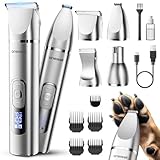
- All-in-One Dog Paw Trimmer: Replace 4 tools with 1 pro-grade dog trimmer for grooming! Trim pet body coats, shave sensitive dog paw trimmer areas, detail face/ears, grind nails, and remove mats – no extra blades needed. Suitable for full-body care in 15 minutes
- 7000RPM 3-Speed Dog Hair Trimmer for Every Task: Tailor your grooming with 3 adjustable settings—use 6000 RPM for sensitive faces and paws, 6500 RPM for daily body trims, and 7000 RPM for powering through mats. (Note: For optimal performance and blade longevity, please apply clipper oil to teeth before each use).
- 2.5Hr Runtime Dog Grooming Kit: Busy parents love this dog trimmer for grooming – 1200mAh battery delivers 2.5 hours cordless use (1.5hr USB-C charge). No mid-session shutdowns during dog paw trims or full-body shaves
- Waterproof Dog Clippers: Rinse dog grooming clippers under tap post-use! Stainless steel blades + metal housing stay rust-free for years. Suitable for messy paw fur cleanup or post-bath trims
- LED Battery Display: The dog paw trimmer's LED battery screen shows exact battery % (0-100%). Plan multi-pet sessions stress-free – no guessing if clippers will die mid-groom
How much exercise, play, and social interaction does a dog need?
Dogs need regular activity and mental engagement, but a single daily-minute target would be misleading. Exercise should match age, breed tendencies, fitness, body condition, weather tolerance, orthopedic health, heart and breathing status, and temperament.
Combine physical and mental activity
- Movement: Walks, sniffing opportunities, supervised play, swimming where safe, or other activities your dog can perform comfortably.
- Enrichment: Food puzzles, scent games, chewing options selected for safety, exploration, and varied training exercises.
- Social contact: Positive interaction with people and compatible dogs when your dog is comfortable. Socialization is not forcing every dog into crowded or stressful situations.
Increase activity gradually after illness, surgery, long inactivity, or weight gain. Stop and seek advice if exercise causes collapse, marked breathing difficulty, persistent lameness, weakness, or recovery that seems unusually slow. Puppies and growing dogs need age-appropriate activity, while older or arthritic dogs may benefit from shorter, gentler sessions and environmental adjustments.
What grooming and training are part of basic care?
Grooming and handling
Grooming needs vary by coat, skin, ears, nails, and lifestyle. Brush or trim as needed to prevent mats, inspect the skin for parasites or sores, keep nails from interfering with movement, and clean only what your veterinarian recommends for ears or other sensitive areas. Regular, reward-based handling helps you notice lumps, pain, swelling, and skin changes early.
Training and behavior
Training is a welfare and safety task, not merely a performance goal. Teach practical skills such as responding to a name, walking safely, settling, accepting examination, and leaving unsafe objects. Use reward-based methods and seek qualified help for fear, aggression, separation distress, compulsive behavior, or sudden changes. Pain and medical illness can appear first as behavior changes, so a veterinary check should precede assuming the problem is purely training.
Do these 3 things before closing this tab:
1Clear out junk files and repair common Windows errors2Scan for outdated or missing drivers - takes under a minute3Repair Windows errors before they cause bigger problemsHow should you make a dog’s environment safe?
Responsible care includes hazard awareness indoors and outdoors. Secure medications, cleaning products, pesticides, toxic foods, and small objects; keep trash inaccessible; provide shade, ventilation, and weather-appropriate shelter; and use secure identification and restraint. Check fences, gates, balconies, pools, and transport arrangements. Supervise interactions with children and other animals, and give your dog a quiet place to rest.
Best Value
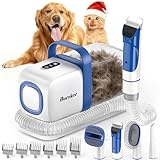
- 🐾【Your All-in-One Grooming Solution with Vacuum Function】Meet the revolutionary grooming tool that does double duty! Our pet grooming vacuum for dogs combines professional-grade clippers with efficient suction technology. While trimming your pet's coat, the integrated vacuum system immediately captures loose hairs directly into the generous 2L dustbin. This innovative dog vacuum for shedding grooming eliminates flying fur and messy cleanups, making dog grooming sessions cleaner and more enjoyable for everyone involved.
- 🔇【Adjustable Suction for Gradual Grooming】This dog grooming vacuum clipper is designed with three suction levels, so you can start low and adjust as your pet becomes more comfortable. Like most electric grooming tools, it produces operating sound during use. For sensitive pets, we recommend introducing the sound gradually before grooming to help them adapt.
- 🧰【Professional Grooming Kit with Vacuum Integration】Achieve perfect pet styling with our all-in-one grooming solution! This dog grooming kit vacuum features precision clippers with multiple guard combs for creating various lengths and styles. The system works exclusively with the vacuum function to capture loose hair during grooming. Complete with deshedding brush and cleaning attachments, this dog grooming machine ensures mess-free grooming sessions while maintaining your pet's coat between professional visits.
- 🏠【Smart Storage for Modern Homes】Designed with urban living in mind, this grooming system features a space-saving design that stores effortlessly. The complete dog grooming set organizes neatly in the included storage bag, keeping your living space tidy and clutter-free. Perfect for apartments and smaller homes, everything has its place and is ready when you are.
- 💨【More Grooming Time, Less Emptying】Experience uninterrupted grooming sessions with our oversized 2L dustbin. Holding significantly more hair than standard models, this dog vacuum for shedding grooming lets you focus on your pet rather than frequent emptying. The user-friendly clean-out system makes maintenance quick and simple, ensuring your dog grooming routine stays efficient and hassle-free.
Prepare a plan for emergencies: keep your veterinary clinic’s number available, know the nearest emergency facility, store medical records, and learn which local plants, wildlife, parasites, and weather hazards pose risks. If poisoning or a serious injury is possible, call a veterinary professional immediately rather than waiting for symptoms to develop.
How care changes from puppyhood to old age
AAHA uses puppy, young-adult, mature-adult, senior, and end-of-life stages as a planning framework. The boundaries are not identical for all dogs: breed, adult size, development, lifestyle, and health influence when needs change.
| Life stage | Priorities to discuss with your veterinarian | What to monitor at home |
|---|---|---|
| Puppy | Growth-appropriate nutrition, initial examinations and vaccines, parasite risks, safe socialization, training, dental development, and identification. | Growth pattern, appetite, stool, activity tolerance, fear responses, chewing, and house-training progress. |
| Young adult | Maintaining body condition, completing or updating preventive care, reproductive planning, dental care, behavior, and lifestyle-related risks. | Weight trends, exercise tolerance, emerging behavior issues, skin and ears, and changes after sterilization or routine changes. |
| Mature adult | Ongoing examinations, nutrition adjustment, oral assessment, parasite and vaccine review, and screening based on history and risk. | Subtle mobility changes, thirst or urination changes, recurrent digestive signs, lumps, and loss of muscle. |
| Senior | More attentive monitoring, comfort and mobility planning, diet review, dental care, and diagnostic testing when indicated. | Hearing or vision changes, confusion, nighttime restlessness, pain, reduced grooming, appetite changes, and slower recovery. |
| End of life | Comfort-focused assessment, pain control, mobility and nursing support, and clear discussions about quality of life and options. | Good days and difficult days, eating and drinking, breathing comfort, hygiene, pain signs, and ability to engage with family. |
These stages are prompts for discussion, not rigid age cutoffs. A large-breed dog, a working dog, and a dog with chronic disease may need different timing even when their calendar ages match.
How to create an individualized care plan
- Gather the facts: Record age, breed or mix, size, sex and reproductive status, medical history, current food, medications, vaccine records, parasite products, exercise, travel, and behavior concerns.
- Book a preventive examination: Ask the veterinarian to assess teeth, body and muscle condition, mobility, skin, heart and lungs, and other findings relevant to your dog’s stage.
- Map exposure risks: Explain daycare, boarding, travel, hiking, hunting, swimming, contact with wildlife, and other animals in the household.
- Set a written routine: Note feeding, water, dental practice, grooming, exercise, training, preventive treatments, and the next appointment.
- Review after changes: Revisit the plan after illness, surgery, weight change, relocation, altered activity, new medications, or a shift into another life stage.
The practical goal is continuity: notice changes early, maintain prevention, and adjust care before a manageable issue becomes an emergency.
Quick Recap
Product prices and availability are accurate as of the date/time indicated and are subject to change. Any price and availability information displayed on Amazon at the time of purchase will apply.




