
Do these 3 things before closing this tab:
1Fix the driver behind crashes, sound loss and screen glitches2Clear out junk files and repair common Windows errors3Scan for outdated or missing drivers - takes under a minuteFin and tail rot is usually a syndrome, not a single disease. It commonly develops when poor water quality, stress, injury, aggression, or parasites damage or weaken fin tissue and opportunistic bacteria take advantage. Because the same fraying or discoloration can have several causes, test the aquarium and look for the underlying problem before choosing medication.
Fin and tail rot is usually not one specific disease. It is a description of damaged, eroding, inflamed, discolored, or dead fin tissue. In many cases, an initial problem—especially poor or unstable water quality, stress, injury, aggression, or parasites—weakens or damages the fin, allowing opportunistic bacteria to invade. The same appearance can also result from fin-nipping, physical trauma, water molds, parasites, or a broader illness.
As an Amazon Associate I earn from qualifying purchases.
That is why the most useful first response is not to reach immediately for medication. Test the water, remove sources of injury and stress, inspect the fish for other symptoms, and seek professional help if the damage is progressing or several fish are affected.
Recommended Free Tools
What fin and tail rot looks like
Typical signs include:
- Fin edges that appear ragged, shredded, or progressively shorter
- White, gray, yellow, brown, or black discoloration at the margins
- Redness, inflammation, or visible hemorrhage
- Small holes or missing sections of fin
- Fin tissue that appears opaque, dead, or necrotic
- A tail or other fin that continues to recede over several days
Appearance alone cannot identify the cause or tell you which bacterium, if any, is involved. A torn fin that is repeatedly nipped or scraped may look similar to an infection, and damaged tissue can later become colonized by bacteria or water molds.
#1 Best Overall

- QUIET AQUARIUM FILTER: The Tetra Whisper IQ Power Filter with Stay Clean technology contains a sound shield for quiet filtration less than 40 dB.
- SELF PRIMING: Submerged motor starts up with no priming required.
- CAPACITY: The Tetra Whisper IQ 20 Power Filter works in filters up to 20 gallons (130 GPH).
- STAY CLEAN TECHNOLOGY: By maintaining healthy pH levels, creates easier maintenance for healthier fish.
- CARTRIDGE REFILLS: Change cartridges monthly; uses large-sized Tetra Whisper Bio-Bag Filter Cartridges (refills sold separately).
The main causes of fin and tail rot
1. Poor or unstable water quality
Water-quality problems are the leading management-related association with fin deterioration. Fish may be exposed to measurable ammonia or nitrite, excessive nitrate, high organic waste, insufficient oxygen, inadequate filtration, or unstable pH and temperature. Ammonia and nitrite can injure fish directly and place substantial stress on their immune systems.
In a typical aquarium, ammonia and nitrite should be maintained at zero. Nitrate is less immediately toxic than ammonia or nitrite, but elevated or prolonged exposure can still contribute to chronic stress. A tank can look crystal clear and still have dangerous chemistry, so visual cleanliness is not a substitute for testing.
Common reasons water quality deteriorates include:
- Overfeeding or allowing uneaten food to decay
- Too many fish for the aquarium and its filtration capacity
- An immature, damaged, clogged, or disrupted biological filter
- Infrequent water changes or substrate cleaning
- Decaying plants, dead tank mates, or other organic material
- Insufficient surface movement or aeration
- Sudden changes in temperature, pH, hardness, or other chemistry
2. Stress and weakened immunity
Stress does not necessarily create a new pathogen. Many potentially harmful bacteria are already present in aquatic environments and may live on or around healthy fish without causing disease. Stress can reduce a fish’s ability to control those organisms and make damaged tissue more vulnerable.
The Tool Desk
Outbyte PC Repair FREERepair Windows errors before they cause bigger problemsFix Now →Outbyte Driver Updater FREEFix the driver behind crashes, sound loss and screen glitchesFind Drivers →Important stressors include transport, handling, crowding, low dissolved oxygen, sudden temperature changes, poor nutrition, incompatible tank mates, and rapidly changing water chemistry. A bacterial outbreak that appears after a new fish is introduced or after a major aquarium disruption may reflect both exposure and stress rather than a single isolated cause.
3. Torn fins, bites, and other physical damage
A fin does not have to be infected to become ragged. Aggressive or territorial tank mates may nip it, a fish may scrape itself against sharp décor, or a net or filter intake may cause an abrasion. Rough handling can also damage the skin and fins.
Rank #2

- QUIET AQUARIUM FILTER: The Tetra Whisper IQ Power Filter with Stay Clean technology contains a sound shield for quiet filtration less than 40 dB.
- SELF PRIMING: Submerged motor starts up with no priming required.
- CAPACITY: The Tetra Whisper IQ 45 Power Filter works in tanks up to 45 gallons (215 GPH).
- STAY CLEAN TECHNOLOGY: By maintaining healthy pH levels, creates easier maintenance for healthier fish.
- CARTRIDGE REFILLS: Change cartridges monthly; uses large-sized Tetra Whisper Bio-Bag Filter Cartridges (refills sold separately).
Trauma creates an opening through which opportunistic bacteria can enter. It can also continue after treatment begins: if a tank mate keeps biting the fin or a fish keeps catching it on equipment, the tissue may not heal even after water conditions improve.
Before labeling a case “fin rot,” inspect the aquarium for:
PC Slower Than It Used to Be?
A free scan shows the junk files, broken settings and background clutter dragging Windows down - then fixes them in one click.Free scan · Windows 10 & 11Crashes, No Sound, or Screen Glitches?
Random freezes, missing sound and display glitches usually trace back to one bad driver. Find and replace yours safely.Free scan · under a minute- Fin-nipping or persistent chasing
- Sharp ornaments, rough plastic plants, or abrasive surfaces
- Uncovered or hazardous filter intakes
- Decorations or equipment that trap or pinch fins
- Recent netting, transport, or other rough handling
4. Parasites and preceding illness
Parasites can damage the skin, scales, gills, and fins. The resulting wounds and stress may then be followed by a bacterial infection. Other diseases can weaken the fish before fin erosion becomes visible.
Fin deterioration is less likely to be an isolated fin problem when it occurs with rapid breathing, ulcers, abdominal swelling, marked lethargy, loss of appetite, unusual swimming, skin lesions, or signs affecting several body systems. Parasites, bacteria, viruses, fungi, water molds, and environmental disorders can overlap in appearance, and distinguishing them may require examination or laboratory testing.
5. Opportunistic bacterial disease
There is no single universal “fin rot bacterium.” Bacteria associated with fin, skin, and tail lesions can include Aeromonas, Pseudomonas, Vibrio, Flavobacterium, and other organisms. The likely organisms vary with the fish species, freshwater or marine environment, and the specific disease pattern.
Rank #3
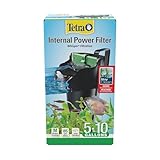
- INTERNAL POWER FILTER: Tetra Whisper Internal Power Filter for 5- to 10-gallon aquariums uses medium Whisper BioBag filter cartridges that are easy to change.
- QUIET 85 GPH MOTOR: The internal pump efficiently filters up to 85 gallons per hour.
- POWERFUL FILTRATION: Water flows through the cartridge floss, trapping debris and fish waste, while Ultra-activated carbon helps remove odor and discoloration.
- SPACE-SAVING DESIGN: Your aquarium can be 1” from the wall with the internal filter designed to clip directly on your aquarium wall and be hidden by décor.
- EASILY ADJUSTABLE: Adjustable clip allows for a variety of setups to easily adjust to high or low water levels.
Bacterial disease becomes more concerning when the fin loss is progressive, the margin is inflamed or discolored, the fish has ulcers or hemorrhage, or several fish develop similar lesions under the same stressful conditions. Even then, the appearance does not prove which bacterium is responsible—or that bacteria are the primary cause. Culture and antimicrobial susceptibility testing are the reliable ways to guide bacterial treatment when testing is available and appropriate.
Is fin rot caused by dirty water?
Sometimes poor water quality is the major trigger, but “dirty water” is too incomplete an explanation. Water can be visually clean while ammonia, nitrite, nitrate, pH, temperature, or oxygen levels are unsuitable. Conversely, fin damage may begin with aggression, trauma, parasites, or an underlying illness and only then become infected.
White or cottony material should not automatically be called fin rot either. Water molds often grow on injured, stressed, or dead tissue and can resemble a fungal infection. The underlying problem may still be a wound, bacterial disease, parasite infestation, or environmental stress.
What to check first in an affected aquarium
- Test the water. Check ammonia, nitrite, nitrate, pH, and temperature. Check dissolved oxygen or improve aeration if oxygen limitation is possible. An aquarium water test kit can help measure the parameters most relevant to an active problem. Testing is a diagnostic and monitoring step, not a treatment for damaged fins.
- Review the filter and biological media. Confirm that the filter is running, water is flowing properly, and media is not clogged or neglected. Avoid replacing all biological media at once unless you have a carefully managed plan; a sudden loss of beneficial bacteria can destabilize the aquarium.
- Remove waste and reduce the load. Take out uneaten food, dead plant material, and other decaying organic matter. Reassess feeding and stocking. A gravel vacuum or siphon can assist with partial water changes and removal of debris from the substrate, but it is a maintenance tool—not a cure.
- Look for ongoing injury. Observe the fish for fin-nipping, chasing, hiding, or territorial conflict. Check décor, filter intakes, and other equipment for sharp or abrasive areas.
- Review recent changes. Consider new fish, transport, handling, temperature shifts, major cleaning, filter changes, or untreated nets and equipment. New arrivals should be quarantined where practical.
- Limit additional stress. If isolation is practical for a severely affected fish, move it without abruptly changing temperature or water chemistry. Sudden environmental changes can add another stressor.
Liquid tests versus test strips
For routine screening, aquarium test strips can be convenient, but check the package carefully to see which parameters are included. Ammonia is not included in every multi-parameter strip and may require a separate test. For a fish with active fin damage, make sure your testing setup can assess ammonia and nitrite rather than relying only on general water-hardness or pH readings.
How fin and tail rot is treated
Treatment starts with correcting the environment and stopping ongoing injury. Improve water quality appropriately, maintain stable temperature and chemistry for the species, remove decaying material, address crowding or aggression, and provide adequate aeration and nutrition. These steps are necessary whether the final diagnosis is bacterial disease, trauma, parasites, or a combination.
Quick wins for a faster PC:
Clear out junk files and repair common Windows errorsFree Scan →Scan for outdated or missing drivers - takes under a minuteDriver Scan →Rank #4

- Powerful Pump: 300 GPH water pump effectively filters 55-150 gallons; ideal for large aquariums, turtle tanks, and ponds.
- Enhanced Aeration: Equipped with an adjustable valve to increase oxygen levels, promoting healthier, more active fish and turtles.
- Double Deep Filtration: Dual-stage black biochemical sponge removes odors and impurities; keeps water clear and fresh.
- Dynamic Water Flow: Boosts wave size and surface movement; improves circulation for a healthier aquatic environment.
- Adjustable Body: The aquarium filter features a detachable design. For tanks under 15 inches tall, you can lay the filter flat or remove the lower half of the filter sponge for a better fit.
Do not treat every ragged fin with an antibiotic. Medication may fail when:
- The problem is mechanical damage rather than infection
- A parasite or water mold is the primary cause
- The fish remains exposed to ammonia, nitrite, low oxygen, or another stressor
- The organism is not susceptible to the selected drug
- The dose, interval, water conditions, or treatment length is incorrect
Antibiotics are tools, not universal cures. In serious or uncertain cases, a fish veterinarian or aquatic diagnostic service can help determine whether culture, susceptibility testing, or another form of examination is warranted. This is particularly important when lesions are extensive, fish are dying, several fish are affected, or the disease is accompanied by ulcers, respiratory signs, or severe lethargy.
Important note for fish keepers in the United States
The regulatory status of ornamental-fish antibiotics varies by product and use. The U.S. Food and Drug Administration warns that antibiotics marketed online or in pet stores for ornamental fish may not be approved, conditionally approved, or indexed, and marketing some such products may be illegal. Do not assume that a product labeled “fin rot medicine” is approved or appropriate simply because it is available for sale. Check the FDA information for the specific species, disease, product, and labeled use, and consult a veterinarian when bacterial treatment is indicated.
How to prevent fin and tail rot
- Test water regularly rather than judging it by clarity alone.
- Keep ammonia and nitrite at zero in ordinary aquarium systems and prevent prolonged nitrate accumulation.
- Use filtration and aeration appropriate for the aquarium’s bioload.
- Feed an appropriate diet without leaving excess food to decay.
- Stock conservatively and monitor compatibility between tank mates.
- Perform regular, appropriately sized water changes and substrate cleaning.
- Maintain filter media carefully; do not unnecessarily destroy the biological filter.
- Remove sharp décor and protect fish from hazardous equipment.
- Handle fish gently and avoid sudden temperature or chemistry changes.
- Quarantine new fish and avoid sharing untreated nets, buckets, or other equipment between aquariums.
- Inspect fish regularly so small injuries or water-quality problems are addressed early.
When to get professional help
Contact a fish veterinarian or aquatic diagnostic professional if the fin loss continues despite correcting water quality and injury sources, the fish has deep ulcers or widespread lesions, breathing is rapid or labored, the fish stops eating, multiple fish are affected, or deaths occur. A professional assessment is also worthwhile when the diagnosis is uncertain or the fish is valuable.
Progressive fin erosion is a warning that something in the aquarium or the fish’s health needs attention. Finding and correcting that underlying problem is usually more important than choosing a product based solely on the words “fin rot” on its label.
Best Value

- WITH ROTATING BIO-WHEEL: Patented Bio-Wheel technology provides excellent wet/dry biological filtration.
- MULTI-STAGE FILTRATION: Delivers mechanical, chemical and biological aquarium filtration to maintain a clean aquatic environment.
- MARINELAND FILTRATION PRODUCTS: Count on Marineland brand for the most reliable, technically advanced aquariums and accessories on the market.
- COMPATIBILITY: Use with Marineland Rite-Size Filter Cartridges (see individual filter for sizing recommendations).
- FIVE SIZES: Available in 75 GPH, 100 GPH, 150 GPH, 200 GPH and 350 GPH sizes.
Practical shopping note: If you need equipment for the first checks, choose a water-testing method that measures ammonia and nitrite as well as nitrate and pH. A siphon or gravel vacuum can support maintenance, and replacement filter media can be useful when media is genuinely worn or unsuitable—but match it to the filter and avoid replacing all biological media at once.
Frequently Asked Questions
Is fin rot always caused by bacteria?
Not necessarily. Ragged or missing fin tissue can result from fin-nipping, sharp décor, filter injuries, parasites, water molds, or systemic illness. Bacteria may invade damaged tissue, but the appearance alone cannot prove that bacteria are the primary cause.
Can poor water quality cause fin and tail rot?
Poor water quality is a common predisposing factor, especially measurable ammonia or nitrite, excessive organic waste, low oxygen, and unstable temperature or chemistry. However, water quality is not the only possible cause, and a visually clean aquarium can still have unsafe parameters.
Free tools Windows power users keep installed
One-click scans. No signup required.
What should I check first if my fish has fin rot?
Test ammonia, nitrite, nitrate, pH, and temperature, and assess aeration or dissolved oxygen when relevant. Inspect the filter and remove decaying waste, then look for fin-nipping, sharp décor, parasites, or other signs of illness.
What is the best treatment for fin rot?
Improve water quality and remove stressors or sources of injury first. Do not use antibiotics indiscriminately: the problem may not be bacterial, and drug choice, susceptibility, dosing, and legal status vary. Seek professional advice for severe or progressive cases.
When should I see a fish veterinarian for fin rot?
Get professional help when fin loss is progressive, lesions are extensive, ulcers or respiratory signs are present, the fish stops eating, multiple fish are affected, or fish are dying. Culture and susceptibility testing may be useful when bacterial disease is suspected.
The Bottom Line
Bottom line: Fin and tail rot is a syndrome, not one single disease. Poor or unstable water quality, stress, injury, aggression, parasites, and opportunistic bacteria can all be involved. Test the water, remove ongoing sources of damage, stabilize the aquarium, and seek fish-health advice for progressive disease, ulcers, respiratory signs, multiple affected fish, or deaths.
Quick Recap
Product prices and availability are accurate as of the date/time indicated and are subject to change. Any price and availability information displayed on Amazon at the time of purchase will apply.





Leave a Reply