
The Tool Desk
Outbyte PC Repair FREERepair Windows errors before they cause bigger problemsFix Now →Outbyte Driver Updater FREEFix the driver behind crashes, sound loss and screen glitchesFind Drivers →Some links on this page are affiliate links: if you buy through them we may earn a commission, at no extra cost to you.
Extreme conformation means that a dog’s body shape has been pushed far from the proportions that support normal function. The clearest documented example is brachycephaly: a shortened, widened skull and very short muzzle. In some dogs, the compact skull crowds soft tissues in the nose and throat, making breathing, exercise, sleep, eating and temperature control harder. Facial folds, tightly coiled or absent tails and shortened jaws can bring additional skin, spinal and dental risks.
These are risks, not automatic diagnoses. Brachycephaly exists on a spectrum, dogs within one breed differ, and a veterinarian must assess the individual dog.


As an Amazon Associate I earn from qualifying purchases.
What counts as an extreme breed feature?
“Extreme” describes an exaggerated physical trait that may interfere with a dog’s normal function. The evidence available for this question is concentrated on brachycephaly and related features sometimes seen in flat-faced dogs; it does not establish the health effects of every unusual body type, such as dwarfism or giant size.
Brachycephaly is a range, not a switch
A brachycephalic dog has a short muzzle and flattened face associated with a shorter, wider skull. The Kennel Club describes a spectrum: Pugs and Japanese Chins are among the most flat-faced examples, while Boxers and Staffordshire Bull Terriers are generally less exaggerated. Muzzle length can vary considerably within a breed, and a mixed-breed dog can also have a brachycephalic shape.
A breed label therefore cannot tell you whether an individual dog is healthy or has airway disease. Look at the dog’s actual nostrils, breathing, exercise tolerance, body condition and veterinary findings.
Associated traits are separate from the definition
Some flat-faced dogs also have deep facial folds, a tail pocket, or a very short, absent or tightly coiled tail. These traits are not universal features of brachycephaly and should be considered separately. A shortened jaw can also leave less room for normally positioned teeth.
How exaggerated shape can affect a dog’s health
Airway crowding and BOAS
When the skull is shortened but the amount of soft tissue does not reduce proportionally, tissue can crowd the nasal passages and throat. The American Veterinary Medical Association (AVMA) lists smaller-than-normal nostrils, an elongated soft palate and a narrowed trachea among possible abnormalities. The Kennel Club describes brachycephalic obstructive airway syndrome (BOAS) as partial blockage of the airway by soft tissue.
Possible effects include noisy breathing, reduced willingness to exercise, vomiting and difficulty breathing, playing, eating or sleeping. The Kennel Club Health Standard (2025) states that this obstruction “can cause symptoms such as noisy breathing, reluctance to exercise, and vomiting, and hugely impact a dog’s quality of life.” A snort or snore alone does not prove BOAS, but breathing effort, deterioration or an inability to perform ordinary activities needs veterinary assessment.
Also popular on Amazon

- "COMPLETE MEDICAL RECORDS FOR DOGS & PUPPIES: Comprehensive health record booklets designed to track vaccinations, deworming, exams, and treatments. Ideal for maintaining organized, accurate medical histories for individual dogs or entire litters."
- 25 INDIVIDUAL BOOKLETS PER PACK: Includes 25 separate health records, making it easy for breeders, shelters, rescues, or clinics to document care for multiple pets. A convenient, cost-effective option for professional use."
- CLEAR, CUSTOMIZABLE FORMAT FOR EASY RECORDING: Each booklet includes clearly labeled sections for vaccines, dates, and notes. Simple, organized design allows pet owners and professionals to record information quickly and legibly at home or during vet visits."
- PORTABLE & DURABLE DESIGN: Compact size fits easily into travel folders, puppy packets, or veterinary files. Sturdy paper stock ensures each record withstands handling over time, ideal for breeders and adopters."
- IDEAL FOR PET OWNERS, BREEDERS & CLINICS: A must-have tool for dog owners, shelters, veterinarians, and groomers to track a pet’s complete health history. Simplifies communication between caregivers, adopters, and clinics."
Cooling and heat tolerance
Dogs cool themselves largely through evaporation from the respiratory tract. A compromised upper airway can make that process less effective. The AVMA warns that short-nosed dogs may have difficulty cooling during play, exercise, stress or overheating. The Kennel Club notes that risk also varies with breed, size, fitness and overall health, and can be worsened by BOAS or excess weight.
Heat danger is not limited to hot outdoor walks. Excitement, transport, a warm room or strenuous play can raise risk. A cooling mat may provide comfort on a warm day, but it does not treat BOAS or prevent heat illness. If a dog is struggling to breathe or appears overheated, stop the activity, move the dog to a cooler, well-ventilated place and contact a veterinarian urgently.
Skin-fold disease
Deep folds around the face or tail can trap warmth and moisture. That environment supports bacterial or yeast overgrowth and may cause soreness, itching, odor, inflammation or infection. In results reported by The Kennel Club from a 2022 response about Bulldog research, skin-fold dermatitis affected 7% (178 dogs) in the cited VetCompass study. That figure applies to that study’s Bulldog population, not to every Bulldog or every breed.
Tail, spine and pain problems
Very short, coiled or absent tails in some flat-faced dogs are associated with spinal abnormalities and pain. Watch for reluctance to sit or move, sensitivity around the back or tail, changes in posture, or a dog that resists handling. A tail shape by itself does not establish spinal disease; examination and, when indicated, imaging are needed.
Also popular on Amazon
Teeth and gums
A shortened jaw can leave insufficient space for a full set of teeth. Crowding makes teeth harder to clean and can lead to painful dental or gum disease. Difficulty chewing, dropping food, bad breath, pawing at the mouth or avoiding hard food should prompt a veterinary dental check rather than being dismissed as normal for a flat-faced breed.
Eyes and giving birth
The Kennel Club identifies eye problems and difficult birth among possible concerns associated with these conformations. Prominent eyes may be vulnerable to injury or irritation, while the relationship between a large puppy head and a mother’s pelvic anatomy can make delivery difficult in some dogs. These are population-level risks, not inevitable outcomes for every individual.
Signs that deserve attention
Use the following as a monitoring guide, not a diagnostic checklist. A change from the dog’s usual pattern is particularly important.
| Area | Possible signs | Why it matters |
|---|---|---|
| Breathing | Persistent or worsening noisy breathing, obvious effort, pauses, gagging or difficulty sleeping | May indicate upper-airway obstruction or another respiratory problem |
| Exercise | Stopping early, refusing ordinary activity, slow recovery or collapse | Could reflect impaired airflow, poor cooling, pain or another illness |
| Heat | Rapid distress during mild exertion or warm conditions, inability to settle or cool | Short-nosed dogs may overheat more easily, especially with BOAS or excess weight |
| Skin | Redness, odor, discharge, itching, moist areas or tenderness in folds | Consistent with fold irritation or infection |
| Mouth | Chewing difficulty, food dropping, mouth rubbing or painful gums | Tooth crowding can produce dental disease |
| Back or tail | Pain, stiffness, altered posture or sensitivity to touch | May be associated with spinal or tail abnormalities |
| Eyes | Squinting, rubbing, discharge or a sudden change in appearance | Eye problems can require prompt treatment |
Breathing difficulty, collapse, severe distress or suspected heat illness should be treated as urgent. Do not wait to see whether a cooling accessory or rest resolves a serious episode.
Also popular on Amazon
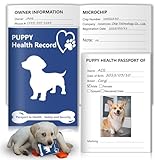
- Product Include:When you choose our dog vaccines records tracker, you'll receive one notebook.This 12-page puppy health journal has 8 dedicated pages for tracking your pup’s health, vet visits, and key details, with 4 blank pages at the end for jotting down extra notes, pet-related info, or anything else you want to record.
- Ideal Size for Record Keeping:Each dog vaccine record book measures 5x3.5 inches folded; 5x7 inches unfolded, allowing for easy portability and storage.These handy health records notebook for dogs with double sided printing, featuring enough space for all your pets important information,plus, it has dedicated spots for sticking on vaccine stickers and adding cute puppy photos.They offer a stylish and organized approach to pet health documentation, a must have addition to your pet supplies.
- Premium Quality: The puppy health record tracker’s cover features 300gsm coated paper with vibrant full-color printing and a protective laminate finish. Inside, 100gsm high-quality offset paper pages are durable and ink-resistant, ensuring no bleeding from pens or markers—so your records stay neat and easy to read.
- Effortlessly Track Vaccinations and More:The canine health record booklets pages include:owner and puppy information,medical history and hospitalizations,vaccination record and sticker,dog service providers,fecal examinations and de-worming,heartworm screening, prevention and treatment etc.This record keeping tool will ensure every important detail is accounted for and make this task easy, organized, and straightforward.Add this essential tool to your pet supplies for a happier, healthier pet.
- Essential for Pet Owners:Designed for veterinary clinics and pet owners, these puppy vaccination record books make tracking key health details—like shots, checkups—simple and organized. When you’re away and leave your pup with a sitter or family, the dog medical record and vaccine book serves as a quick reference for their medical history. Plus, dedicated sections for photos, physical markings, and ID info prepare you for emergencies, helping you recover your friend quickly if they get lost.
What the available figures do—and do not—show
Published numbers vary by breed, definition, study population and testing method. They should not be converted into an individual dog’s diagnosis.
| Figure | Source and population | Correct interpretation |
|---|---|---|
| 27% | UFAW Online Animal Welfare Conference abstract authors, 2025; a Boston Terrier cohort | The share reported as having clinically significant BOAS (Grade 2 or 3) in that cohort. It is not a rate for all Boston Terriers, other breeds or all dogs. |
| 20 times more likely | The Kennel Club report, approximately 2023; contextual discussion of cited data | The report says popular brachycephalic breeds remain 20 times more likely to suffer from BOAS than other breeds. The underlying comparison and denominator must be checked before treating it as an individual risk estimate. |
| 7% (178 dogs) | The Kennel Club’s 2022 response reporting results from a VetCompass Bulldog study | Skin-fold dermatitis prevalence in that cited Bulldog study, not a universal prevalence for Bulldogs or other breeds. |
How a veterinarian assesses an individual dog
A visible short muzzle or a quiet dog is not enough to confirm or exclude disease. Assessment combines history, observation and examination.
- Describe everyday function. Record breathing at rest and during ordinary activity, recovery time, sleep quality, vomiting or regurgitation, heat reactions and any decline from the dog’s baseline.
- Ask for a full physical examination. The veterinarian can assess nostril opening, breathing effort, body condition, mouth, eyes, skin folds, spine and tail, then decide whether further tests are needed.
- Discuss respiratory grading. A respiratory function grading resource described in the cited material is intended to assess BOAS severity. Ask the clinic what examination or exercise assessment is appropriate for the dog’s breed, age and symptoms.
- Investigate other causes when indicated. Noise, exercise intolerance or vomiting can have causes unrelated to conformation. The clinician may recommend tests or referral rather than assuming the breed shape is responsible.
Useful comparison points when considering two dogs
If you are choosing between individual dogs, compare function rather than selecting by breed reputation alone.
| What to compare | Questions to ask |
|---|---|
| Muzzle and nostrils | How much muzzle is present, and are the nostrils visibly open rather than pinched? |
| Breathing | Is breathing quiet at rest? Does the dog recover promptly after gentle activity? |
| Body condition | Is the dog lean enough for its frame, without excess weight that could worsen breathing and heat stress? |
| Health screening | Are veterinary respiratory assessments or relevant breed-health checks documented? |
| Other conformation risks | Are folds deep and inflamed, the tail extremely tight, teeth crowded or eyes vulnerable? |
This approach identifies a healthier individual more reliably than ranking breeds. The available evidence does not provide a universal breed league table.
Also popular on Amazon
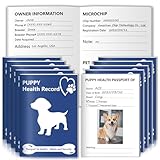
- Sufficient Quantity:When you choose our dog vaccines records, you'll receive 10 notebook.Whether you're a breeder, veterinary practice, or multi pet household, this will ensure you have enough documentation on hand for managing each pet's health history。Every puppy vaccination record book has 12-page puppy health journal has 8 dedicated pages for tracking your pup’s health, vet visits, and key details, with 4 blank pages at the end for jotting down extra notes, pet-related info, or anything else you want to record.
- .Ideal Size for Record Keeping:Each dog vaccine record book measures 5x3.5 inches folded; 5x7 inches unfolded, allowing for easy portability and storage.These handy health records notebook for dogs with double sided printing, featuring enough space and columns for all your pets important information,plus, it has dedicated spots for sticking on vaccine stickers and adding cute puppy photos.They offer a stylish and organized approach to pet health documentation, a must have addition to your pet supplies.
- Premium Quality: The puppy health record tracker’s cover features 300gsm coated paper with vibrant full-color printing and a protective laminate finish. Inside, 100gsm high-quality offset paper pages are durable and ink-resistant, ensuring no bleeding from pens or markers—so your records stay neat and easy to read.
- .Effortlessly Track Vaccinations and More:The canine health record booklets pages include:owner and puppy information,medical history and hospitalizations,vaccination record and sticker,dog service providers,fecal examinations and de-worming,heartworm screening, prevention and treatment etc.This record keeping tool will ensure every important detail is accounted for and make this task easy, organized, and straightforward.Add this essential tool to your pet supplies for a happier, healthier pet.
- Essential for Pet Owners:Designed for veterinary clinics and pet owners, these puppy vaccination record books make tracking key health details—like shots, checkups, and treatments—simple and organized. When you’re away and leave your pup with a sitter or family, the dog medical record and vaccine book serves as a quick reference for their medical history, ensuring care stays on track even in your absence. Plus, dedicated sections for photos, physical markings, and ID info prepare you for emergencies, helping you recover your friend quickly if they ever get lost.
Reducing day-to-day risk
Control weight and intensity
Keep the dog at a veterinarian-approved body condition. Excess weight increases the work of breathing and can worsen heat concerns. Build activity around the dog’s demonstrated tolerance, use breaks and stop before distress rather than training through noisy or labored breathing.
Plan for temperature
Choose cooler times and shaded routes, provide access to water and avoid stressful exertion in warm or humid conditions. Watch the dog, not just the thermometer: an individual with BOAS may struggle earlier than another dog in the same weather.
PC Slower Than It Used to Be?
A free scan shows the junk files, broken settings and background clutter dragging Windows down - then fixes them in one click.Free scan · Windows 10 & 11Outdated Drivers Are Slowing You Down
One free scan finds every outdated or missing driver and matches the right update for your exact hardware.Free scan · exact hardware matchKeep folds and the mouth under routine review
Follow your veterinarian’s instructions for cleaning and drying skin folds; do not apply human creams or leftover medicines without advice. Arrange regular dental checks because crowded teeth can hide disease. Seek care for odor, redness, discharge, pain or persistent itching instead of treating these as unavoidable breed traits.
Keep a baseline
A short video of normal breathing and a written note of exercise recovery can help your veterinarian recognize change. Record triggers such as heat, excitement, sleep or meals, and bring the information to appointments.
Questions to ask before acquiring a dog with exaggerated features
- Can I observe the dog breathing quietly while resting and after gentle movement?
- Does the dog recover normally, or does it stop, gag, vomit or struggle?
- What respiratory, dental, eye, skin or spinal evaluations have been performed, and can I see the records?
- How are the parents’ breathing and exercise tolerance documented?
- What plan is in place if the dog develops BOAS, skin-fold disease or dental problems?
Do not accept “that noise is normal for the breed” as a substitute for an examination. A dog can look typical for its breed and still need treatment, while another with a very short muzzle may have fewer clinical problems. Functional health should guide the decision.
What this evidence does not establish
The strongest material gathered here concerns brachycephaly and associated folds, tails and jaws. It does not adequately answer how every other exaggerated conformation affects health, including dwarfism or giant size. Nor do the cited figures support a single risk percentage for all flat-faced dogs. Keep claims tied to the named breed, study population, date and clinical definition.
Quick wins for a faster PC:
Repair Windows errors before they cause bigger problemsFix Now →Fix the driver behind crashes, sound loss and screen glitchesFind Drivers →Clear out junk files and repair common Windows errorsFree Scan →The practical conclusion is straightforward: extreme shape can compromise breathing, cooling and other body systems, but appearance alone cannot diagnose disease. Observe function, prevent avoidable heat and weight stress, and involve a veterinarian promptly when symptoms appear.





Leave a Reply