
There is no reliable way to identify an ant species from the fact that it is inside your house. Start with the ant’s size, color, body shape, smell, location, trail, food preference, nesting clues, and whether it has wings. This matters because an occasional pavement ant can require little more than cleanup and sealing, while persistent large ants near damp wood may indicate a carpenter-ant nest. Winged insects may also be termites.
There is no reliable way to identify an ant species from the fact that it is inside your house. Start with the ant’s size, color, body shape, smell, location, trail, food preference, nesting clues, and whether it has wings. This matters because an occasional pavement ant can require little more than cleanup and sealing, while persistent large ants near damp wood may indicate a carpenter-ant nest. Winged insects may also be termites.
As an Amazon Associate I earn from qualifying purchases.
First: identify the pattern before you spray
- Watch the ants. Note their approximate length, color, time of day, location, and whether they follow a defined trail.
- Look for an entry route. Follow workers toward cracks, windows, baseboards, plumbing penetrations, cabinets, slabs, firewood, or landscaping materials.
- Photograph or save a specimen. Put a worker beside a ruler for scale. A hand lens can help reveal the two small nodes between the thorax and abdomen, antenna structure, and thorax shape.
- Check for wings. Winged ants and termites look similar at a glance but require different responses.
- Delay broad pesticide spraying. Spraying visible workers may interrupt a trail without eliminating the colony and can make baiting less effective.
Color alone is not enough. Several unrelated ant species can be brown, black, yellowish, or reddish, and size can vary between workers and castes.
Do these 3 things before closing this tab:
1Repair Windows errors before they cause bigger problems2Scan for outdated or missing drivers - takes under a minute3Clear out junk files and repair common Windows errorsCommon ants found in houses
Large black or black-and-red ants: possible carpenter ants
Carpenter ants are among the largest ants commonly seen indoors. Depending on the species and caste, workers may be roughly 3/16 to 1/2 inch long. Viewed from the side, the thorax is smoothly rounded rather than sharply uneven.
#1 Best Overall
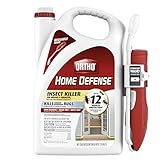
- WHERE TO USE INSECT SPRAY: Use this pest control spray indoors in kitchens and bathrooms or around doors and windows, and outdoors to the perimeter of foundations, patios, decks, garages or wherever insects are a recurring problem
- LONG-LASTING PROTECTION: This outdoor perimeter and indoor bug spray for homes creates a bug barrier that provides up to 12 month protection against ants, roaches and spiders when applied indoors on non-porous surfaces
- EASY-TO-USE APPLICATOR: This 1.33 gal. container of Ortho Home Defense Insect Killer for Indoor & Perimeter2 Ready-To-Use comes with a battery-powered Comfort Wand sprayer, which delivers a continuous spray for easy application
- INDOOR INSECT KILLER: Ortho Home Defense Insect Killer for Indoor & Perimeter2 is a bug killer spray that kills the toughest home-invading insects, including ants, cockroaches, spiders, fleas, ticks, scorpions, earwigs, silverfish, and more as listed
- WHEN TO USE: Apply this bug spray outdoors or indoors anytime as a preventative treatment or after you see evidence of insect activity
They do not eat wood. Instead, they excavate galleries in damaged or damp wood to create nesting space. Look for:
- sawdust-like material, called frass, near baseboards, window frames, ceilings, or wall openings;
- ants emerging from damp framing, roof or plumbing leaks, rotting wood, firewood, stumps, or tree limbs;
- steady activity rather than a single stray worker; and
- large numbers of winged ants indoors, especially during winter.
A few large ants do not prove that the colony is inside the house. Carpenter ants may forage indoors from an outdoor nest. However, persistent activity combined with damp wood, frass, or activity from a wall or ceiling deserves prompt investigation. Correcting the moisture problem is part of control; killing visible ants alone may not solve it.
Small dark ants with a noticeable odor: possible odorous house ants
Odorous house ants are commonly brown to dark brown and about 1/10 inch long. When crushed, they may produce an unpleasant, rotten-like odor. They often follow trails to sweets but may also seek meat, grease, or other foods.
Quick wins for a faster PC:
Clear out junk files and repair common Windows errorsFree Scan →Scan for outdated or missing drivers - takes under a minuteDriver Scan →Repair Windows errors before they cause bigger problemsFix Now →Outdoors, they may nest under stones, boards, mulch, or other landscaping materials. Indoors, they can use wall voids, floor spaces, or areas near moisture. A long trail of tiny dark ants moving toward a kitchen food source or a damp location is consistent with this group, but a specimen is needed for confident identification.
Small brown-to-black ants around concrete: possible pavement ants
Pavement ants are often about 1/8 inch long and may be brown to black. They commonly nest beneath sidewalks, driveways, stones, foundations, and concrete slabs, then enter through cracks or wall voids.
Under magnification, pavement ants may show two visible petiole nodes, grooves on the head and thorax, and small spines on the thorax. Their food range is broad: sweets, meat, pet food, bread, nuts, grease, and insects can all attract them.
Rank #2
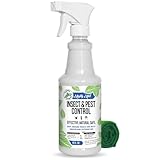
- Pet-Friendly & Family-Safe Formula – Mighty Mint is a top pick for pet parents looking for a natural pest control solution. Safe to use around dogs, cats, and kids when applied as directed—no harsh fumes or dangerous chemicals, just powerful peppermint protection you can trust.
- Powerful Plant-Based Pest Control – Formulated with extra-concentrated peppermint oil, this spray is a proven deterrent for spiders, ants, roaches, and more.
- Effective Indoor & Outdoor Use – Designed for versatile application on baseboards, entryways, patios, and other areas. Helps repel insects from kitchens, bathrooms, living spaces, and more—without staining surfaces.
- Fresh Minty Scent With Long-Lasting Effect – Infused with pure peppermint oil, this formula leaves a crisp, clean aroma that lingers without overwhelming. Free from synthetic fragrances and common allergens, making it a gentle option for scent-sensitive households.
- Ready-To-Use 16 Oz Spray For Targeted Application – Perfect for quick treatments in high-traffic areas, this 16 oz bottle delivers fast, focused pest control against spiders, ants, and other common insects. Pre-mixed and easy to use—just spray and go for natural protection wherever it’s needed most.
For pet owners, spilled kibble and food left in bowls can provide an especially dependable trail. Store pet food in a sealed container, clean crumbs promptly, and avoid leaving wet food out longer than necessary.
Tiny yellowish or reddish ants: possible pharaoh ants or thief ants
Pharaoh ants are extremely small and yellowish to reddish. Thief ants are also tiny and may be pale yellow to light brown. At this size, color and casual photographs are often misleading.
Small differences in antenna-club structure and other body features help separate these ants. Their nesting habits and control strategies can differ, so avoid assuming that every tiny yellow ant is a pharaoh ant. A close photograph, preserved specimen, or professional identification may be necessary.
How to tell a winged ant from a termite
Do not assume that every winged insect indoors is a termite. But do not dismiss one as an ant without checking.
| Feature | Winged ant | Termite |
|---|---|---|
| Waist | Narrow, pinched waist | Broad body with little constriction |
| Antennae | Elbowed | Straight |
| Wings | Front wings longer than hind wings | Four wings approximately equal in size |
Discarded wings near windows, doors, vents, or other openings increase the reason to investigate. Suspected wood damage, many winged insects, or uncertainty between an ant and termite justifies a termite inspection or other professional evaluation. The concern is not that every winged ant signals structural damage; it is that a mistaken identification can delay appropriate treatment.
Free tools Windows power users keep installed
One-click scans. No signup required.
A practical action plan
1. Find what is attracting them
Clean spills, crumbs, grease, garbage residue, and pet-food remnants. Wash food bowls and the surrounding floor. Store pantry foods and pet food in airtight containers rather than bags or boxes that ants can enter.
Rank #3

- INDOOR INSECT KILLER: Ready-To-Use Ortho Home Defense Max Indoor Insect Barrier bug killer spray pest control kills and prevents home invading insects including ants, roaches, spiders, fleas, ticks, and other common household bugs as listed
- HOW TO USE: Apply Ortho Home Defense Max Indoor Insect Barrier Ready-To-Use using the Extended Reach Comfort Wand, which lets you spray the insect and ant spray without bending
- LONG-LASTING PROTECTION: This insect control, bug spray for home kills listed bugs and protects your home for up to 365 days against ants, roaches and spiders indoors on nonporous surfaces
- WHERE TO USE: Use this indoor insect spray in kitchens, bathrooms and basements, and around doors and windows; apply outdoors to foundations to create a bug barrier around your home
- WHEN TO USE: Use this indoor bug spray to create an insect barrier anytime as a preventative treatment or after you see evidence of insect activity
2. Remove water and moisture
Repair leaking pipes, dripping faucets, roof leaks, and appliance leaks. Dry wet areas and improve ventilation where appropriate. If large ants are present, inspect damp framing, window trim, crawlspaces, firewood, and rotting outdoor wood.
3. Wipe away the trail
Soapy water can remove the chemical trail that guides other workers. This is useful for reducing immediate traffic, but it does not destroy the nest. If ants return, observe where the new trail begins instead of repeatedly wiping without investigating the entry point.
4. Seal likely entry points
After following the trail, caulk cracks and openings around windows, doors, baseboards, pipes, utility penetrations, and foundation joints. An exterior-grade sealant or silicone caulk can help close small gaps, but sealing is most effective when combined with sanitation and moisture correction.
Recommended Free Tools
5. Use bait rather than indiscriminate spraying
Bait works differently from a contact spray: workers carry the food back to the colony, so visible activity may continue for a while before it declines. A quick drop in the number of ants does not necessarily mean the colony is gone.
For a task-specific option, choose indoor ant bait stations whose label authorizes the intended ant, indoor residential location, and application method. Place them near observed ant traffic, cracks, crevices, or suspected nesting areas as the label directs. Do not place bait on food-preparation surfaces or where children or pets can reach it.
Different ants may prefer different bait foods and formulations. If workers ignore one bait, that does not prove baiting cannot work; the species, food preference, placement, or formulation may be wrong. Never use a pesticide off-label, transfer it to a food or drink container, or increase the amount beyond the label instructions.
Rank #4

- Bug spray that quickly kills ants, roaches and flies
- Plant-based active ingredient bug killer safe for use around people and pets (when used as directed)
- Entomologist tested bug spray made with botanical extracts to kill bugs; with a fresh scent and no added dye, fragrance, or harsh chemical odors
- Bug killer for indoor and outdoor use, wherever bugs try to bother you
- Rooted in Nature, Optimized by Science
Ant-bait safety in a home with pets
- Use only a product labeled for the pest and location.
- Keep stations inaccessible to dogs, cats, birds, children, and other animals.
- Do not put bait beside food bowls, on counters used for food preparation, or where a pet can chew or knock over the station.
- Store unused pesticide in its original container and follow the label for storage and disposal.
- Do not spray over or around bait unless the product label specifically permits that use.
- If a pet may have contacted or swallowed pesticide, keep the product label available and contact a veterinarian or an appropriate animal-poison resource promptly.
When should you call a pest professional?
Arrange help from a licensed local pest-control professional when:
The Tool Desk
Outbyte Driver Updater FREEScan for outdated or missing drivers - takes under a minuteDriver Scan →Outbyte PC Repair FREEClear out junk files and repair common Windows errorsFree Scan →- ants continue after sanitation, exclusion, and correctly used bait;
- large ants are associated with damp, rotting, or damaged wood;
- ants appear to come from walls, ceilings, floors, slabs, or other inaccessible voids;
- there are many winged insects indoors or discarded wings;
- you cannot confidently distinguish ants from termites;
- the infestation is extensive; or
- you are concerned about pesticide exposure around pets or children.
A professional should identify the likely species or pest group, locate the source where possible, explain moisture or exclusion repairs, and use products according to their labels. For suspected carpenter ants or termites, a treatment plan that addresses the nest and the underlying wood or moisture condition is more useful than a promise to eliminate visible insects immediately.
Quick identification checklist
| What you see | What it may suggest | What to check next |
|---|---|---|
| Large black or black-and-red ants | Possible carpenter ants | Damp wood, frass, leaks, firewood, and indoor winged ants |
| Tiny dark ants with an unpleasant odor when crushed | Possible odorous house ants | Sweets, moisture, wall voids, and outdoor landscaping nests |
| Small ants near slabs, sidewalks, or foundations | Possible pavement ants | Two nodes, body grooves, concrete cracks, and food trails |
| Tiny pale yellow, reddish, or light-brown ants | Possible pharaoh or thief ants | A close specimen or expert identification |
| Winged insects with a narrow waist and elbowed antennae | Winged ants | Compare wings and antennae carefully; look for the nest |
| Winged insects with a broad body, straight antennae, and four similar-sized wings | Possible termites | Professional inspection, especially with discarded wings or wood damage |
The safest conclusion from a few ants indoors is usually not a species name but a plan: observe, clean food and water sources, follow and seal the trail, use only properly labeled bait, and escalate when wood damage, winged insects, persistent activity, or inaccessible nesting makes the situation uncertain.
Frequently Asked Questions
Can I identify an ant by color alone?
No. Several ant species can be black or brown, and workers may differ in size. Use size, body shape, antennae, petiole nodes, odor, location, food attraction, and nesting behavior together.
Are carpenter ants the same as termites?
Carpenter ants excavate wood for nesting but do not eat it. Termites consume wood and have a broad body, straight antennae, and four wings of approximately equal size. Winged ants have a pinched waist, elbowed antennae, and shorter hind wings.
Crashes, No Sound, or Screen Glitches?
Random freezes, missing sound and display glitches usually trace back to one bad driver. Find and replace yours safely.Free scan · under a minutePC Slower Than It Used to Be?
A free scan shows the junk files, broken settings and background clutter dragging Windows down - then fixes them in one click.Free scan · Windows 10 & 11Are ant bait stations safe to use around pets?
Yes, if the station is inaccessible to pets and the product label authorizes indoor residential ant use. Place it near ant traffic as directed, keep it away from food and food-preparation surfaces, and follow all storage and disposal instructions.
When should I call an exterminator or pest professional?
Call a licensed pest professional when ants persist, large ants are associated with damp or damaged wood, activity comes from inaccessible spaces, many winged insects appear, or termites cannot be ruled out.
The Bottom Line
Identify ants by their features and behavior—not color alone. Clean food and moisture sources, follow and wipe trails, seal entry points, and use pet-inaccessible, label-compliant bait when appropriate. Persistent large ants, suspected wood damage, winged insects, or uncertainty about termites calls for a licensed professional inspection.
Quick Recap
Product prices and availability are accurate as of the date/time indicated and are subject to change. Any price and availability information displayed on Amazon at the time of purchase will apply.
What’s actually slowing this PC down?
Pick the symptom - the matching free tool is one click away.





Leave a Reply