The Tool Desk
Outbyte Driver Updater FREEFix the driver behind crashes, sound loss and screen glitchesFind Drivers →Outbyte PC Repair FREERepair Windows errors before they cause bigger problemsFix Now →When staff encounter an outdoor cat, first establish whether it may be lost or owned, identify its condition, and follow local intake and identification procedures. Outdoor does not automatically mean feral, ownerless, or suitable for adoption. For a healthy, unsocialized cat, a locally authorized trap-neuter-return (TNR) or shelter-based return program may be an option; injured animals, kittens, bites, and public-health concerns call for their own triage and referral steps.
Start with identification and condition, not assumptions
“Community cat” generally means an unowned cat living outdoors. “Feral” is often used for a cat that is not socialized to people, but a cat’s outdoor location alone does not establish that it is unsocialized or unowned. A cat may be lost, have a caregiver, or be approachable. Use your agency’s approved intake process to determine the next step.
Scan every intake promptly
Alley Cat Allies’ sample shelter protocol recommends scanning every cat promptly for a microchip, including trapped and eartipped cats: an eartip does not rule out a chip. It also recommends scanning again before medical procedures and before a change in disposition such as adoption, foster, transfer, or euthanasia. These are sample organizational protocols, not universal regulations; follow your agency’s approved procedures. See the sample shelter protocol.
Record the facts that guide disposition
Document where the cat was found, observable health or injury concerns, identification findings, whether kittens or a caregiver may be nearby, and the action taken. Apply local intake rules before deciding whether a cat should be admitted, reunited, referred to a caregiver or TNR provider, or considered for another disposition.
Free tools Windows power users keep installed
One-click scans. No signup required.
#1 Best Overall

- High Quality Materials:SZHLUX Live Animal Cage Trap use low carbon steel wire and medium frequency welding. In this way, the product surface is flat, the welding is firm, and it is not easy to solder off.Weather and rust resistant.
- Convenient Design: Our cat trap is foldable and can be easily loaded into the trunk of the car.It only takes 4 simple steps to set up,from nearly flat to assembled in seconds--no tools needed.
- Humane Live Animal Trap: Our raccoon trap use oblong support frame to secure the cage shape and use fixing clips to fix rear door,smoothed internal edges protect and prevent trapped animal being injured.All you need is some bait to catch and then release them back to the wild.
- User-friendly Design: The top cover guard board of the cage prevents people injured by the trapped animal's mistake.The connecting rod of the pedal mechanism is set inside the cage to prevent animals from touching the mechanism by mistake.A new tool has been designed to extend the safe distance when releasing the animal.
- Dimensions: Product Size: 32inch*10inch*12inch; Package Size: 38.2inch*11.8inch*3.15inch.Excellent choice when attempting to capture smaller animals such as stray cats, raccoons, squirrel, skunk, mole, groundhog, armadillo, rabbit and small dogs.
Choose a response that fits the cat and local authority
For a healthy, unsocialized cat living outdoors, removing the cat to a shelter is not automatically the right response. Depending on local law, agency policy, veterinary capacity, and available partners, staff may refer the cat to a community TNR provider or connect it with a shelter-based program. The appropriate choice depends on the individual case and what the agency is authorized and equipped to do.
What TNR, SNR, and Return-to-Field mean
TNR is a sequence: humanely trap a cat, provide veterinary care that includes sterilization and vaccination, then return the cat to the territory where it was trapped. Other locally selected veterinary services may be included. A shelter or animal-services agency may refer cats to a community provider or operate a shelter-based variant commonly called SNR or Return-to-Field. Names and legal treatment are not uniform across jurisdictions.
Rank #2

- HUMANE CAPTURE: This large live animal trap safely captures raccoons, cats, possums, and other small animals with a 1-door design that allows full entry before closing, reducing escape chances for effective pest control
- HEAVY-DUTY CONSTRUCTION: Built with galvanized wire mesh and solid steel door, this raccoon trap resists rust and corrosion while providing long-lasting durability for outdoor use in all weather conditions
- SAFETY FIRST: Features smooth internal edges to prevent animal injuries and protective handle guards for safe handling, making this humane animal trap ideal for both novice and experienced users in wildlife management
- PROFESSIONAL DESIGN: Engineered with a refined trip mechanism specifically calibrated for heavier animals like bobcats and coyotes, this live trap minimizes false triggers while ensuring reliable capture performance
- VERSATILE SOLUTION: Perfect as a feral cat trap, skunk trap, or armadillo trap, this large animal cage trap handles a wide range of pest control situations effectively for comprehensive wildlife management
Build the workflow around safeguards
- Confirm local legal authority and written agency policy before trapping, returning, or transferring a cat.
- Check veterinary and staffing capacity, including arrangements for follow-up care.
- Coordinate with a known caregiver and consider neighborhood communication where appropriate.
- Keep identification, health, disposition, and referral records so decisions are traceable.
- Use humane live-capture equipment only with appropriate training and in line with agency policy and local law.
Alley Cat Allies’ TNR and shelter transformation guidance describes these approaches, but it is guidance from an animal-welfare organization, not a substitute for local rules or a controlled comparison of program outcomes.
Use a consistent script for calls about cats
Alley Cat Allies’ shelter communication guide addresses reports about kittens, sick or injured cats, nuisance concerns, disease, neighbor disputes, and wildlife. A shared set of triage questions helps staff gather useful details without making assumptions or giving a clinical assessment over the phone.
Crashes, No Sound, or Screen Glitches?
Random freezes, missing sound and display glitches usually trace back to one bad driver. Find and replace yours safely.Free scan · under a minuteWindows Errors? Fix Them Before They Spread
Repair common Windows errors and clear accumulated junk for a smoother, more stable PC - no reinstall needed.Free scan · no reinstallRank #3
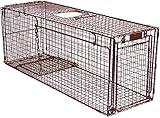
- Works for cats, skunks, rabbits, and other small animals
Ask before advising
- Where is the cat now, and can the caller safely observe it?
- Does it appear injured or ill? What have they observed?
- Are kittens present, and could a mother cat be nearby?
- Does the cat have an eartip, collar, or other visible identification?
- What outcome is the caller seeking, and has anyone been bitten or scratched?
Explain the local next step
After gathering details, explain the agency’s actual intake or field-services process and offer locally appropriate referrals, such as a community cat provider or veterinary resource where available. For a kitten report, do not assume that a kitten is abandoned simply because no adult cat is visible at that moment; ask about the mother and the circumstances, then follow local guidance. For wildlife or neighbor disputes, describe the agency’s role and refer callers to the appropriate local authority or service rather than promising an outcome your agency cannot provide. Alley Cat Allies’ shelter communication guide is intended for shelter staff and municipal leaders.
Respond to bites and scratches through medical and public-health channels
The CDC warns: “Cat bites and scratches can spread germs, even if the wound does not seem deep or serious.” It reports that about 20–80% of reported cat bites and scratches become infected; this figure concerns reported bites and scratches, not all cat interactions or community cats specifically. The CDC advises washing after handling cats and seeking medical care when, among other concerns, vaccination status is unknown, the animal appears sick, or the wound is serious. See CDC: Cats.
Rank #4

- Wide Application: As urban and wilderness ecosystems intertwine, animals may disturb your life. Our cat trap is a versatile solution for various animals, including cats, raccoons, rabbits, groundhogs, armadillos, and opossums. It effectively addresses issues such as farmland invasion, release, and harassment.
- Humanized Designs: We prioritize humane care with our raccoon trap. The L-shaped lever ensures the trap won't harm animals when triggered. The dense mesh prevents escapes and protects against external attacks or stolen food. Smooth wire edges prevent animals from panicking or biting the wire, ensuring their safety.
- Sturdy and Durable: Our animal trap is built to last. It is constructed with sturdy, thickened wires that withstand animal bites and impacts without deformation or cracking. The galvanized coating provides excellent corrosion resistance, ensuring stability and durability in all weather conditions.
- Simple and User-friendly: Our live trap is designed for your convenience. It comes pre-assembled, saving you from tedious setup steps. Just unfold the cage, secure the rear door, and connect the trap mechanism to start using it quickly. This saves time and effort, allowing you to engage in capture work promptly.
- Portable and Easy to Store: Our efficient groundhog trap is portable and easy to store. It features a convenient handle for easy mobility, with an extended design that prevents accidental injuries from animals. The collapsible design allows for easy storage, freeing up space when not in use.
For a reported exposure
- Direct the person to wash the wound and seek medical guidance as appropriate; staff should not diagnose the wound or decide whether rabies post-exposure prophylaxis is needed.
- Follow local bite-reporting procedures promptly and contact public-health authorities when required by agency protocol.
- Share available information about the animal and exposure with the appropriate authorities; do not make an individual rabies-risk determination beyond your agency’s role.
CDC veterinary guidance states: “In coordination with public health authorities, confine and observe a healthy dog, cat, or ferret suspected of having rabies that exposes a person or pet for 10 days post-exposure.” Whether that observation procedure applies, and what other action is indicated, must be handled under public-health direction and local procedure. See CDC: Information for Veterinarians.
Independent reader supportYour contribution helps us test, update, and keep practical guides available for everyone.Check local rules before acting
The cited shelter and TNR materials offer recommended approaches, not a universal legal standard. Before implementing or changing a response, confirm local intake rules, ordinances, bite-reporting duties, observation or quarantine procedures, veterinary arrangements, and referral contacts. The available sources do not establish a jurisdiction-specific rule or a quantitative comparison of TNR with other population-management approaches.
Quick Recap
Best Value

- Safe & Humane Trapping – Designed with animal welfare in mind, this live trap safely captures animals without injury, making it ideal for humane relocation.
- Durable Galvanized Steel Build – Constructed from high-strength, rust-resistant steel for long-lasting performance in any weather condition.
- Reliable Trigger Mechanism – Features a highly sensitive trip plate and spring-loaded door to ensure fast and secure captures, every time.
- Spacious & Versatile Size – Accommodates a range of medium-sized animals including raccoons, groundhogs, armadillos, and stray cats.
- Simple Assembly– Folding to save space and easy assembly with no tools required—perfect for homeowners, farmers, or pest control professionals.
Product prices and availability are accurate as of the date/time indicated and are subject to change. Any price and availability information displayed on Amazon at the time of purchase will apply.




