
Outdated Drivers Are Slowing You Down
One free scan finds every outdated or missing driver and matches the right update for your exact hardware.Free scan · exact hardware matchPC Slower Than It Used to Be?
A free scan shows the junk files, broken settings and background clutter dragging Windows down - then fixes them in one click.Free scan · Windows 10 & 11Some links on this page are affiliate links: if you buy through them we may earn a commission, at no extra cost to you.
Do not assume kittens are abandoned just because you cannot see their mother. A queen may be hunting, moving another kitten, or waiting for people to leave. First check for immediate danger or illness, then watch quietly from a distance. If the kittens are warm, clean, quiet, and thriving, their mother is probably caring for them and the safest plan is usually to keep the family together. Cold, injured, weak, persistently crying, visibly unwell kittens—or a litter whose mother does not return after careful observation—need prompt help from a veterinarian, kitten-experienced rescue, shelter foster program, or animal-protection group.
This is general U.S.-oriented welfare guidance, not a diagnosis. Local reporting rules, shelter capacity, vaccination requirements, and veterinary recommendations can differ.
As an Amazon Associate I earn from qualifying purchases.
Quick wins for a faster PC:
Repair Windows errors before they cause bigger problemsFix Now →Fix the driver behind crashes, sound loss and screen glitchesFind Drivers →Start with a safety and health check
Approach calmly and avoid repeatedly touching the litter. From a short distance, determine whether the nest is safe and whether any kitten appears to be failing. A healthy-looking litter can wait while you observe; a cold, injured, or dangerously exposed kitten cannot.
Signs that require prompt professional help
- Gaunt bodies, visible ribs, or a sharply sunken abdomen
- Cold ears, paws, or belly
- Pale or white gums or tongue
- Marked lethargy, inability to lift the head, or collapse
- Heavily crusted eyes or nose
- Vomiting or diarrhea
- Labored, noisy, or open-mouth breathing
- Limping, visible wounds, bleeding, or obvious pain
- Constant distressed crying, especially when the kittens are cold or separated
Call a local veterinarian when a kitten is sick or injured. If you plan to use a shelter or rescue, telephone first to confirm that it is open and can accept unweaned kittens; many facilities do not have neonatal staff or foster space.
Popular on Amazon
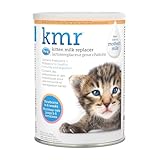
- KITTEN MILK REPLACEMENT - When mom can’t nourish them, KMR can. Scientifically the next best to mother’s milk, KMR provides all the nutritional elements necessary for kittens; newborn to six weeks old.
- COMPLETE, BALANCED NUTRITION - Our formula is closest to mother's milk in protein, fat and carbohydrates. We’ve also added vitamins, minerals and trace nutrients; plus prebiotics and probiotics for healthy immunity and digestion.
- EASY TO DIGEST - KMR is highly palatable and formulated with a special fiber blend for easy digestion and Improved gut health.
- EASY-TO-MIX FORMULA - Whisk or Shake 1 part powdered KMR into 2 parts warm water. Do not mix more KMR than can be consumed in 24 hours. Do not use a blender.
- ABOUT US - PetAg is a trusted leader in pet wellness, with science-backed formulas in our milk replacers, health supplements, and grooming products helping pet owners to proactively enhance the lives of their pets, for more healthy years together.
Move kittens only for a real hazard
Flooding, fire, demolition, traffic, predators, extreme heat, or another immediate threat changes the normal wait-and-watch plan. If possible, move the kittens only a short distance to a dry, sheltered spot that the mother can find. Keep the nest together and leave a clear path for her return. When the entire area is unsafe, bring the mother and kittens indoors together if you can do so safely, using a quiet, contained room or large crate. Do not remove a litter merely because it is inconveniently located or because the kittens are small.
Watch for the mother before deciding they are orphaned
Alley Cat Allies puts the central point plainly: “If you find kittens outdoors without their mother, do not assume they don’t have one.” A queen may be obtaining food, relocating a sibling, or hiding because people are nearby. Walking up to the nest repeatedly can keep her away.
How to observe without frightening her
- Back away far enough that the mother cannot see or hear you easily. An indoor window, parked car, or concealed location is useful.
- Keep dogs, children, and other people away from the nest.
- Watch for several hours when conditions are safe. Some guidance allows waiting a full day if the kittens remain warm and stable; never extend the wait for a cold, injured, or deteriorating kitten.
- Check periodically rather than handling the kittens each time.
You may sprinkle a small amount of flour near (not on) the nest and look later for paw prints, but quiet distance is the essential test. Do not treat flour tracks as proof by themselves.
Field signs that the mother has returned
Kittens that are cuddled together and sleeping quietly are more reassuring than kittens scattered and crying. Warm bodies, clean fur, pink coloration, and full-looking bellies are practical field observations consistent with recent nursing. They are not a veterinary diagnosis, and a litter can look briefly settled while still needing help. Recheck the nest and act if the appearance worsens.
Also popular on Amazon

- KITTEN MILK REPLACEMENT - When mom can’t nourish them, KMR can. Scientifically the next best to mother’s milk, KMR provides all the nutritional elements necessary for kittens; newborn to six weeks old.
- COMPLETE, BALANCED NUTRITION - Our formula is closest to mother's milk in protein, fat and carbohydrates. We’ve also added vitamins, minerals and trace nutrients; plus prebiotics and probiotics for healthy immunity and digestion.
- EASY TO DIGEST - KMR is highly palatable and formulated with a special fiber blend for easy digestion and Improved gut health.
- EASY-TO-MIX FORMULA - Whisk or Shake 1 part powdered KMR into 2 parts warm water. Do not mix more KMR than can be consumed in 24 hours. Do not use a blender.
- ABOUT US - PetAg is a trusted leader in pet wellness, with science-backed formulas in our milk replacers, health supplements, and grooming products helping pet owners to proactively enhance the lives of their pets, for more healthy years together.
If the mother returns and the litter is thriving
Leave the family together outdoors. The mother is normally the best source of warmth, milk, grooming, and protection for nursing kittens.
Support the mother without taking over
- Put fresh water and regular food near the nest, but not directly inside it.
- Offer a dry, weather-protected shelter if one can be provided without repeatedly disturbing the family.
- Keep dogs, cats, children, and heavy foot traffic away.
- Avoid carrying kittens away, bathing them, or handling them frequently.
- Observe from a distance so the mother can come and go normally.
Guidance differs slightly on timing. Alley Cat Allies advises leaving nursing kittens with their mother until they are weaned, at about eight weeks. ASPCA guidance notes that kittens may be able to eat wet food independently at roughly four to five weeks and could then be brought into foster care for adoption preparation in appropriate cases. Do not abruptly separate a young litter. If fostering or intervention is being considered, discuss the mother’s condition, the kittens’ development, and local capacity with a veterinarian or kitten-experienced rescue.
If the mother does not return or the kittens are not thriving
When careful observation supports that the mother is gone—or when the kittens are dirty, skinny, cold, weak, excessively vocal, or otherwise deteriorating—contact help rather than attempting to raise neonates alone. Ask specifically whether the organization can care for unweaned kittens and whether it has a foster placement available.
Who to call
- A veterinarian, especially one familiar with neonatal kittens
- A rescue group with an active kitten foster network
- A municipal or nonprofit shelter that confirms it accepts neonates
- An animal-protection or community-cat organization
Some shelters use a “Wait Until 8” style arrangement: the shelter supplies support while the finder fosters kittens at home until they are old enough for surgery or adoption. Availability is local, so confirm the exact arrangement, supplies, emergency contact, and responsibility for veterinary bills before taking the litter.
Also popular on Amazon

- KITTEN MILK REPLACEMENT - When mom can’t nourish them, KMR can. Scientifically the next best to mother’s milk, KMR provides all the nutritional elements necessary for newborn kittens to 1 year old.
- COMPLETE, BALANCED NUTRITION - Our formula is closest to mother's milk in protein, fat, and carbohydrates. We’ve also added vitamins, minerals, and trace nutrients for healthy immunity and digestion.
- EASY TO DIGEST - KMR is highly palatable and formulated with a special fiber blend for easy digestion and improved gut health.
- EASY-TO-USE FORMULA - Shake gently before use. Warm KMR to room or body temperature before serving. Portable, Tetra Pak container is resealable. Once opened, container must be refrigerated and discarded after 72 hours.
- ABOUT US - PetAg offers solutions to enrich the lives of animals & their caregivers. From nutritional supplements to grooming products, all our products are science-backed, formulated with high-quality ingredients, and supported by quality control.
Prepare useful information for the call
- Number of kittens and their approximate location
- Whether the mother has been seen and how long you watched
- Each kitten’s warmth, alertness, breathing, injuries, and eye or nose discharge
- Whether the nest is exposed to weather, traffic, flooding, or predators
- Photos or a short video taken without prolonged handling
Temporary care while professional help is arranged
If a professional instructs you to bring kittens inside, place them in a small box or carrier lined with dry towels in a quiet, draft-free room. Warmth comes before feeding: a chilled neonate may be unable to digest safely. Provide a gentle external heat source under only part of the container so the kittens can move away from it, and monitor for overheating. Keep the family together unless a professional directs separation.
Feeding rules for confirmed orphans
Neonatal care can require round-the-clock support. Obtain age-specific instructions from a veterinarian or experienced rescue rather than copying a generic online schedule. If formula is recommended, use a commercial kitten milk replacer as directed. Do not give cow’s milk; ASPCA warns that it can cause stomach upset and diarrhea. Do not force liquid into a weak kitten’s mouth, and do not improvise a bottle, concentration, or feeding interval when no professional has assessed the litter.
What’s actually slowing this PC down?
Pick the symptom - the matching free tool is one click away.
Record the time of each instructed feeding, elimination support, medication, and weight check so the caregiver can identify a decline. A kitten that becomes colder, weaker, less responsive, or short of breath needs urgent veterinary attention, not a larger feed.
Use age and development to choose the next plan
Age estimates are approximate, but eating ability and coordination help determine whether a kitten needs neonatal foster care or can enter a broader community-cat or adoption plan.
Also popular on Amazon

- KITTEN MILK REPLACEMENT-PetLac kitten milk replacement powder provides complete nutrition for proper growth and development for kittens, newborn to six weeks old
- COMPLETE, BALANCED NUTRITION-As a food source for orphaned, rejected, nursing, or weaning kittens, this formula provides vitamins, minerals & amino acids. It also supplies extra nutrition for thin or older cats
- EASY TO DIGEST-PetLac is highly palatable and contains prebiotics and probiotics for easy digestion and improved gut health
- DIRECTIONS-Mix one tablespoon powder with two tablespoons warm water to make approximately 2-1/3 tablespoons (7 teaspoons/35mL) of liquid. Opened powder can be refrigerated for up to 3 months, or can be frozen for up to 6 months
- ABOUT US-PetAg is a trusted leader in pet wellness, with science-backed formulas in our milk replacers, health supplements, and grooming products helping pet owners to proactively enhance the lives of their pets, for more healthy years together
| Approximate stage | What guidance indicates | Practical implication |
|---|---|---|
| Four to five weeks | ASPCA says some kittens can eat wet food on their own. | Ask a rescue or veterinarian whether supervised indoor fostering is appropriate; do not assume every kitten in this range is fully weaned. |
| Eight to ten weeks | ASPCA says weaning is usually completed in this range. | Many kittens can transition to adoption preparation or a community-cat plan, subject to health and local rules. |
| About two months and two pounds | ASPCA describes independent eating, walking, running, and playing with good coordination at roughly this stage. | Coordinate veterinary examination, vaccination advice, identification, and placement with local professionals. |
| About eight weeks | Alley Cat Allies uses eight weeks and at least two pounds as a spay/neuter guideline, while noting that rules differ. | Confirm the clinic’s minimum age, weight, vaccination, and recovery requirements before scheduling surgery. |
Do not use age or weight alone to declare a kitten ready. Illness, poor nutrition, socialization, and the mother’s behavior all change the decision.
Independent reader supportYour contribution helps us test, update, and keep practical guides available for everyone.Plan for older kittens: adoption, fostering, or community-cat care
Check for an owner first
Before treating older kittens as strays, look for a collar or identification tag and ask a veterinary clinic or shelter to scan for a microchip. Follow local found-animal reporting requirements; some jurisdictions require a notice or holding period before adoption or transfer.
Recommended Free Tools
Friendly kittens
Kittens that approach people, tolerate gentle handling, and can eat independently may be candidates for foster care and adoption. A local rescue can arrange an examination, parasite treatment, vaccination plan, sterilization, and a safe adoption process. Keep them separated from your resident pets until a veterinarian advises that introductions are safe.
Unsocialized kittens with an outdoor mother
If the mother is unsocialized and the kittens avoid people, a community-cat or trap-neuter-return (TNR) plan may be more appropriate than forcing indoor life. Alley Cat Allies cautions that socializing older feral kittens requires sustained daily effort and that outcomes are not guaranteed. A local TNR group can advise on humane trapping, sterilization, recovery, vaccination, and return. Never trap and relocate a family casually; relocation can separate kittens from their mother and expose cats to unfamiliar hazards.
Also popular on Amazon
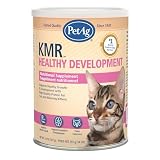
- NUTRITIONAL SUPPLEMENT - KMR Healthy Development supports healthy growth and development with high-quality protein for cats weaning to 6 years.
- SUPPORTS COGNITIVE DEVELOPMENT – With DHA (Omega 3 fatty acids) and Vitamin E, our formula supports visual & cognitive development.
- CONTAINS OMEGA 6 FATTY ACIDS - Our powder contains Omega 6 fatty acids to support a healthy skin and coat.
- GREAT TASTE - KMR Healthy Development is formulated with a great taste cats love. Supports transition to solid foods for weaning kittens.
- ABOUT US - PetAg is a trusted leader in pet wellness, with science-backed formulas in our milk replacers, health supplements, and grooming products helping pet owners to proactively enhance the lives of their pets, for more healthy years together.
Common mistakes that make the situation worse
- Taking kittens immediately: the mother may be nearby and capable of caring for them.
- Waiting despite danger: cold, injured, failing kittens need professional help now.
- Using cow’s milk: it can cause digestive upset and diarrhea.
- Assuming a shelter can take them: neonatal capacity and opening hours vary; call first.
- Separating siblings or mother for convenience: keep the family together unless safety or professional treatment requires otherwise.
- Trying to socialize older feral kittens without a plan: daily work, housing, veterinary care, and a realistic outcome assessment are necessary.
- Skipping identification checks: a microchip or owner report may reunite kittens with their family.
A simple decision path
- Danger or serious illness? Move only as much as needed for safety and contact a veterinarian or experienced rescue immediately.
- Safe and apparently healthy? Observe from concealment for several hours, and longer when conditions remain safe.
- Mother returns and kittens are warm, clean, and settled? Leave them together, provide food, water, shelter, and quiet.
- No maternal return or signs of neglect? Arrange a kitten-capable foster or veterinary placement; do not improvise neonatal care.
- Older, independently eating kittens? Check identification, comply with local rules, then choose adoption, foster care, or a TNR pathway with local professionals.
Frequently Asked Questions
How long should I wait for a mother cat to return?
When kittens are warm, stable, and out of danger, watch from a hidden position for several hours. Some Alley Cat Allies guidance allows waiting up to a full day in safe conditions. Do not wait for a cold, injured, weak, or rapidly worsening kitten.
Should I bring a mother cat and kittens indoors?
Only when the outdoor environment is genuinely unsafe or a veterinarian or rescue advises it. If you move them, keep the mother and kittens together in a quiet, contained space so nursing and bonding can continue.
Can I feed abandoned kittens regular milk?
No. For confirmed orphans, use kitten milk replacer only when a veterinarian or experienced rescue has given age-specific instructions. Cow’s milk can cause stomach upset and diarrhea.
What if a shelter says it cannot take newborn kittens?
Ask whether it has a neonatal foster program, a partner rescue, or a supported finder-foster arrangement. Continue keeping the kittens warm and safe while following professional instructions, and seek another veterinarian or kitten-experienced organization if the kittens decline.
When can kittens be adopted or sterilized?
Development varies. ASPCA describes many kittens as independently eating and coordinated at about two months and two pounds; Alley Cat Allies cites about eight weeks and at least two pounds as a spay/neuter guideline. Confirm the specific clinic’s age, weight, vaccination, and local legal requirements.





Leave a Reply