
Some links on this page are affiliate links: if you buy through them we may earn a commission, at no extra cost to you.
Take the outfit off calmly and let your dog move freely. Do not pull, coax, or leave the clothing on until your dog “gets used to it.” Freezing, refusing to walk, scratching at the garment, lip-licking, yawning, panting, or moving stiffly are signs that the clothing may be uncomfortable or frightening. Check your dog once undressed; if reluctance continues, seems painful, or appears with other illness signs, contact a veterinarian.
What to do in the first minute
Freezing is a stop signal, not disobedience. A dog that suddenly becomes motionless or will not take a step in a costume may be reacting to pressure, restricted movement, unfamiliar fabric, noise, or visual obstruction. The safest response is to end the costume activity without making the dog struggle.
As an Amazon Associate I earn from qualifying purchases.
Outdated Drivers Are Slowing You Down
One free scan finds every outdated or missing driver and matches the right update for your exact hardware.Free scan · exact hardware matchWindows Errors? Fix Them Before They Spread
Repair common Windows errors and clear accumulated junk for a smoother, more stable PC - no reinstall needed.Free scan · no reinstall- Stop asking for a walk. Do not tug the leash, carry the dog while keeping the outfit on, or wait for movement as proof that the dog has accepted it.
- Remove the outfit gently. Unfasten straps and closures rather than pulling fabric over a paw, ear, tail, or collar. Keep your voice and movements quiet.
- Give the dog room to move normally. In a calm, familiar area, allow a few minutes of unencumbered walking. Avoid immediately putting on another item.
- Inspect the dog and the garment. Look for twisted fabric, tight elastic, snagged hair, rubbing, pressure marks, covered eyes or ears, and anything touching the throat or chest.
- Decide what happens next from the dog’s behavior. If normal movement returns, leave the costume off. If the dog remains reluctant, appears painful, or seems unwell, arrange veterinary advice.
Texas A&M College of Veterinary Medicine & Biomedical Sciences clinical associate professor Dr. Lori Teller describes the situation plainly: “Some dogs and cats will just freeze and not be willing to move when put in a costume.” Her practical recommendation is equally direct: “If your pet is noticeably uncomfortable in their costume, it is best to leave the costume at home, allowing them to enjoy the night.”
Read the whole body, not just the frozen posture
A motionless dog may be showing discomfort even when there is no growling or attempt to escape. Watch the face, breathing, posture, and interaction with the clothing. A cluster of signs is especially persuasive, but any clear discomfort is enough reason to stop.
Popular on Amazon

- REFINED SOLID COLOR DESIGN: No prints, no slogans, no distractions. Just a clean, timeless solid color that complements your dog’s natural look. Pairs perfectly with any collar and any occasion, from daily walks to formal events.
- IDEAL FOR SPECIAL OCCASIONS: Whether it's for a wedding, Easter Day, engagement, birthday, or just because, this elegant scarf is the perfect way to celebrate your pup in style.
- PERFECT FIT FOR SMALL/MEDIUM DOGS: Specially sized for neck sizes typical of small to medium breeds weighing 6-30lbs. Provides a secure and comfortable fit without being too tight or too loose.
- SMART ADJUSTABLE SNAP BUTTON: No tying, no tangles, no fuss. Our secure snap-button closure makes it easy to put on and take off in seconds. Stays perfectly in place, even during play.
- BUILT FOR COMFORT & SIMPLICITY: Crafted from 100% premium cotton that’s soft, breathable, and gentle on your dog’s skin. The lightweight fabric drapes naturally without adding bulk or irritation.
| What you see | What it can indicate | Immediate response |
|---|---|---|
| Refusing to move, crouching, or walking stiffly | The garment may restrict a normal stride or feel threatening. | Remove it and watch movement without clothing. |
| Scratching, biting, licking, or repeatedly pawing at the outfit | Irritation, pressure, unfamiliar sensation, or anxiety. | Take it off; check skin, seams, fasteners, and trapped hair. |
| Lip-licking, yawning, turning away, or avoiding interaction | Common stress or appeasement signals. | Reduce the pressure and end the dressing session. |
| Panting when the dog is not hot or exercising | Stress or overheating; clothing can interfere with heat release. | Remove the item and move the dog to a cool, quiet place. |
| Repeated head shaking or rubbing at the face | Covered or irritated eyes, ears, muzzle, or a hood that shifts. | Remove any headwear immediately and inspect gently. |
| Difficulty breathing, weakness, collapse, or blue, gray, or very pale gums | A potential emergency rather than ordinary costume dislike. | Remove the garment and seek urgent veterinary care. |
These observations help you make a welfare decision; they do not diagnose a behavioral or medical condition. A single yawn can have many causes, while several changes appearing together make discomfort more likely.
Check fit and physical safety
Movement
Your dog should be able to turn, sit, lie down, climb a step, and take a normal stride. Clothing that catches at the elbows, presses behind the front legs, binds the hips, or pulls at the neck is unsuitable even if the dog is not visibly panicking. Costumes with rigid decorations, dangling pieces, or long ties can snag on furniture, fencing, crates, or another animal.
Breathing and heat
Nothing should compress the throat or chest. Never use an item that covers the nose or mouth. Watch for panting, drooling, hot skin, weakness, or seeking a cool floor; remove the garment and cool the dog safely. Supervise throughout wear, particularly indoors with heating, in crowded events, or during exercise.
Also popular on Amazon
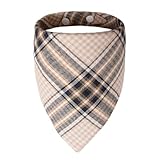
- Timeless Classic Plaid Design: Features a stylish plaid pattern that never goes out of fashion—perfect for giving your puppy or small dog a charming, classic look
- Soft & Breathable Fabric: Made from gentle, lightweight material that’s comfortable on your pet’s skin and suitable for all-day wear in any season
- Adjustable Snap Button Closure: Easy-to-use snap button allows for quick on/off and a secure, adjustable fit, ensuring comfort for puppies, cats, and other small pets
- Durable & Machine Washable: Designed for everyday use—this bandana is easy to clean and maintain. Simply toss it in the wash and it’s ready for the next adventure
- Versatile Pet Accessory: Ideal for walks, birthdays, holidays, or photoshoots—this cute accessory is suitable for puppies, small dogs, and even cats
Vision and hearing
Hoods, hats, fringe, and oversized decorations can block sight or interfere with the ears. A dog that cannot see obstacles or hear approaching people may become frightened and less able to move safely. Remove head coverings at the first sign of rubbing, head shaking, bumping, or disorientation.
Skin and fasteners
After undressing, check the armpits, chest, neck, belly, and behind the ears for redness, dampness, hair pulled into a clasp, or pressure marks. A mark that does not fade, broken skin, swelling, or persistent licking warrants veterinary advice. The available guidance does not establish a universal sizing formula, so fit must be judged by unrestricted movement, breathing, and the dog’s response.
If clothing is genuinely needed, introduce it gradually
Decorative clothing is optional. Practical garments may help some dogs in particular weather or medical situations, but a dog that cannot tolerate clothing should not be forced into it. Work only when the dog is relaxed, and treat stress as information rather than a challenge to overcome.
Also popular on Amazon

- UNDENIABLY CLASSIC SOLID NAVY: The ultimate neutral. No logos, no prints—just a bold, clean navy blue that pairs with everything. Looks sharp on large breeds and never goes out of style.
- IDEAL FOR SPECIAL OCCASIONS: Whether it's for a holiday, birthday, or just because, this elegant scarf is the perfect way to celebrate your pup in style.
- PERFECT FIT FOR SMALL/MEDIUM DOGS: Specially sized for neck sizes typical of small to medium breeds weighing 6-30lbs. Provides a secure and comfortable fit without being too tight or too loose.
- SMART ADJUSTABLE SNAP BUTTON: No tying, no tangles, no fuss. Our secure snap-button closure makes it easy to put on and take off in seconds. Stays perfectly in place, even during play.
- BUILT FOR COMFORT & SIMPLICITY: Crafted from 100% premium cotton that’s soft, breathable, and gentle on your dog’s skin. The lightweight fabric drapes naturally without adding bulk or irritation.
- Present the item at a distance. Place it on the floor or hold it several feet away. Let the dog choose whether to look, sniff, or approach. Reward voluntary interest with praise or a small treat.
- Bring it closer over several calm sessions. Move it nearer only while the dog remains loose-bodied and interested. If the dog retreats, freezes, pants, or stops taking food, increase distance and try again later.
- Touch briefly. Gently touch the garment to the shoulder or side, then remove it and reward calm behavior. Do not drape it over the head as a shortcut.
- Put it on for seconds, not minutes. Fasten it only when earlier steps are easy. Immediately reward calm behavior, then remove it before the dog becomes frustrated.
- Build movement indoors. Once the dog accepts a brief wear, allow normal walking, turning, and settling in a quiet room. Do not add a busy street, visitors, or a long walk at the same time.
- Step back when stress appears. Remove the clothing and return to the last comfortable stage in a later session. Never insist that a frozen dog walk, and do not use treats to lure a distressed dog into prolonged wear.
The American Kennel Club’s gradual-introduction guidance recommends removing clothing when a dog seems stressed or frustrated. Texas A&M also notes that some pets simply do not tolerate costumes; successful acclimation is not guaranteed.
Choose a lower-impact alternative—or no clothing
If the goal is a photo, holiday gathering, or identification, less coverage usually means fewer opportunities to restrict movement or trap heat. The American Animal Hospital Association and the RSPCA mention a simple bandana or festive collar or harness as possible alternatives, provided the dog accepts it.
| Option | Potential advantages | Checks before use |
|---|---|---|
| Full costume | Most visual coverage; may serve a specific practical purpose. | Highest need to check stride, breathing, vision, hearing, heat, snagging, and supervision. |
| Lightweight shirt or coat | Less bulk than a costume and sometimes useful for weather. | Confirm free shoulder and leg movement, a clear airway, and suitability for the temperature. |
| Simple bandana | Minimal body coverage and quick removal. | It must not tighten around the neck, dangle where it can be chewed, or remain on an unattended dog. |
| Festive collar or harness | Can provide a seasonal look without covering the body. | Use a correctly fitted, familiar item; decorations must not snag or obstruct breathing. |
| No clothing | Eliminates garment-related restriction, heat, and stress. | It is a complete and humane choice when the dog does not enjoy dressing up. |
Compare any option by body coverage, freedom of movement, effect on breathing and senses, ease of removal, snag risk, weather suitability, and the dog’s observed response. There is no universally best garment, and a smaller item is not automatically safe if the dog dislikes it or it fits poorly.
Also popular on Amazon

- Blank Projects for DIY: Choose patterns you like and design blank bandanas with Christmas or Halloween or Thanksgivingor Easter or 4th of July or Valentine's Day or St. Patrick's Day, etc, or HTV Big Brother and Big sister bandanas for pregnancy announcement, they worked perfectly.
- Personalized Design for a Gift: Kids and adults disign the pure bandanas with unique partern. Also can make a great engagement gifts for couples, it can be cool bridal shower gifts. Make a custom tie-dye bandanna or put iron on vinyl on them, make a unique gift for your friends.
- Multi Sizes Available: 21*13.4*13.4 inches for most small or X-small dogs and cats; 25*16*16 inches for medium or large dogs; 30*19*19inch for xlarge dog, please measure your pet's net size and leave room to tie knot.
- 100% Premium Cotton: Made of high-quality cotton skin-friendly material, it's well made, holds up great, and is heavy made materia, durable, easy to clean and maintain, comfortable and safe for your pet. When you get it, you will find it worth having.
- Multi Occasions: Using your colored pencil, fill in the solid bandanas with the pattern you like, or use HTV for DIY, or used to iron some logos on for your dog’s bandana, It can be a very cute scarf to make your dog very sweet, The solid dog bandanas can be applied for daily walking, holiday, birthday, themed party, or photo props, party costume and festive wearing and so on, making your pets charming and stylish.
When the problem may not be the outfit
If the dog walks normally as soon as it is undressed and has no other concerning signs, leaving the clothing off is the simplest course. Do not assume, however, that every refusal to walk is a training issue.
Free tools Windows power users keep installed
One-click scans. No signup required.
Reluctance that continues after removal
Persistent refusal, limping, stiffness, repeated licking of one body area, crying, hiding, or sensitivity to touch can point to pain or illness. A sudden change in a previously willing walker also deserves professional assessment. The costume may have revealed a problem rather than caused it.
Cold-weather reluctance
Cold is a separate possibility when conditions are chilly. Cornell’s canine winter guidance lists reluctance to walk among signs of cold intolerance and advises moving the dog to a warm, dry area when such signs appear. This does not prove that cold caused a dog to freeze specifically in an outfit. Warm the dog gradually, remove damp clothing, and contact a veterinarian if signs persist or worsen.
Also popular on Amazon

- Durable & Sustainable: Premium double-layer fabric. Soft, comfortable, colorfast, wrinkle-resistant and machine-washable. Ideal for long-term wear and easy cleaning.
- Adjustable Fit: The bandana features an adjustable design with a button fastening,Eliminate the hassle of tying knots and keep it securely in place, even during your dog's most active play
- Soft and Comfortable Material: Crafted from high - quality, soft fabric, this bandana ensures maximum comfort for your dog. It won't irritate their skin or fur, even during extended wear, making it perfect for daily use.
- Versatile Use: Not only is it a great accessory for your pet's daily outfit, but it can also be used for various events such as pet parties, costume contests, or family photoshoots.
- Easy Care: This dog bandana is machine - washable, making it incredibly easy to clean. No need to worry about complicated cleaning procedures or fading.
Urgent warning signs
Seek urgent care for breathing difficulty, collapse, severe weakness, repeated vomiting, a swollen or painful abdomen, suspected overheating, or abnormal gum color. Remove the outfit while arranging help, but do not delay emergency care to troubleshoot fit.
Plan safer outings and photographs
- Try a new item at home on a quiet day, never for the first time at a parade, party, or crowded trail.
- Keep sessions brief and provide an unobstructed route to move away.
- Carry a familiar leash and collar or harness so the dog can leave immediately if the item fails.
- Check the forecast and indoor temperature; avoid layered clothing when the dog is already warm.
- Supervise every second of wear. Remove the item before crate time, unsupervised play, car travel, or interaction with dogs that may grab decorations.
- Photograph the dog without clothing if that is the relaxed option. Participation does not require a costume.
Mistakes to avoid
- Calling the dog stubborn or dramatic: these labels obscure a genuine welfare signal.
- Forcing a “normal” walk: pulling can increase fear and may worsen a physical restriction.
- Leaving the outfit on to habituate: prolonged exposure while the dog is distressed can make future handling harder.
- Relying on treats to override panic: rewards should reinforce voluntary calm behavior, not keep a distressed dog in clothing.
- Assuming a loose-looking costume is safe: loose straps and dangling parts can snag, while hidden seams can rub.
- Ignoring a change after undressing: ongoing reluctance needs a health-focused evaluation, not repeated costume practice.
A quick decision checklist
- Is the dog freezing, refusing to move, scratching, lip-licking, yawning, panting, or moving abnormally? If yes, remove the item.
- After removal, can the dog breathe, walk, turn, and settle normally?
- Are there rub marks, swelling, trapped hair, wetness, or pain on inspection?
- Does the dog remain reluctant without clothing, or show illness or injury signs?
- If clothing is needed for a practical reason, can you restart with brief, voluntary steps while the dog remains relaxed?
A dog’s comfort determines whether clothing stays on. If the answer is no, a bandana, a familiar collar, or no outfit at all is the appropriate choice.





Leave a Reply