A cat’s growl is a warning or defensive signal, not a diagnosis of what the cat intends. Fear, distress, pain, frustration, play, or conflict may be involved; the immediate trigger and the cat’s posture help you interpret it. Stop approaching or handling the cat, give it room to retreat, and avoid punishment. If the growling is new, linked to touch or movement, or comes with other changes, contact a veterinarian.
Why does my cat growl?
Growling is communication. It can mean a cat feels threatened, uncomfortable, or unable to get away from a situation. The sound alone cannot tell you whether the cause is fear, pain, overstimulation, or something else. The American Animal Hospital Association includes growling among vocalizations that can indicate defensiveness.
As an Amazon Associate I earn from qualifying purchases.
Look at what happened just before the growl and observe the cat’s whole posture from a safe distance. Is there an unfamiliar person or animal nearby? Did someone touch or move the cat? Is the cat able to leave? These clues help you decide what to change, but they are not a diagnostic test.
Recommended Free Tools
What does it mean when a cat growls?
Several situations can lead to growling. More than one may be involved, so avoid deciding on a cause from the sound alone.
#1 Best Overall
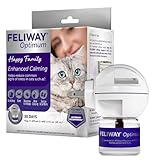
- HELPS REDUCE SIGNS OF STRESS USING A PATENTED PHEROMONE: FELIWAY Optimum is an advanced cat pheromone diffuser that helps reduce signs of stress in cats and helps ease tension between cats.*
- HELPS CATS FEEL CALM IN EVERYDAY SITUATIONS: FELIWAY Optimum is a cat calming diffuser that helps reduce stress‑related behaviors like urine spraying, scratching, hiding, and fearful reactions to change. Cat parents reported noticeable reductions in these behaviors, including a 77% reduction in urine spraying.
- SUPPORTS HARMONY IN MULTI‑CAT HOMES: Helps promote calmer interactions between cats. 72% of cat parents noticed reduced tension between their cats
- SAFE** AND NON-SEDATING: FELIWAY Optimum is not a sedative. It’s safe for use around cats, kittens, people and other pets.
- CONTINUOUS CALMING SUPPORT: This plug‑in cat pheromone diffuser provides 24/7 support when used as directed. To get started, plug into an open outlet with the vents pointed upward, allow at least 4 feet of clearance, and follow the label instructions.
Fear or a defensive response
An unfamiliar person, animal, sound, or unpleasant past experience may frighten a cat. Reduce exposure to an identifiable trigger when you can do so safely, and leave the cat a clear way to retreat. Cornell University’s Feline Health Center recommends identifying and avoiding fear triggers where possible.
Pain or illness
A cat may growl or act aggressively to avoid being touched, moved, or asked to do something that worsens pain. A reaction to handling does not establish a diagnosis, but new behavior or a response associated with touch or movement warrants attention. Do not press or repeatedly touch a suspected painful area.
Redirected arousal
A cat reacting to something it cannot reach—such as an outside cat or a loud stimulus—may direct its arousal toward a nearby person or animal. Reduce the trigger if it is safe to do so, and do not handle the cat while it is highly aroused.
Outdated Drivers Are Slowing You Down
One free scan finds every outdated or missing driver and matches the right update for your exact hardware.Free scan · exact hardware matchPC Slower Than It Used to Be?
A free scan shows the junk files, broken settings and background clutter dragging Windows down - then fixes them in one click.Free scan · Windows 10 & 11Rank #2

- Help Your Cat Feel Safe Again: Create a calmer, more comfortable home with advanced calming pheromone technology that helps reduce common signs of stress including hiding, scratching, urine spraying, conflicts between cats, and nervous behavior. Ideal for everyday emotional support
- Continuous 120-Days Comfort: Each refill delivers calming support for up to 30 days when used continuously, package include: 2 diffusers, 4 refills. Designed to cover rooms up to approximately 750 sq ft, making it perfect for bedrooms, living rooms, and multi-cat households
- Supports Positive Everyday Behavior: Whether introducing a new pet, moving into a new home, welcoming visitors, or dealing with loud noises such as fireworks or thunderstorms, the diffuser helps cats feel more secure and adapt to changes more comfortably
- Easy Plug-In, No Daily Effort: Simply plug the diffuser into an open wall outlet and let it work around the clock. No sprays, no pills, no complicated routines—continuous calming support with minimal maintenance
- Trusted Care for Cats of Every Age: Suitable for kittens, adult cats, senior cats, and multi-cat families. Designed to support a peaceful home environment while helping strengthen the bond between cats and their owners
Petting or handling that has become too much
Some cats growl when they no longer want to be petted or handled. Stop at the first sign of discomfort rather than waiting for the cat to escalate. ASPCA guidance recommends stopping petting when a cat signals that it wants the interaction to end.
Play or conflict with another cat
Kittens may growl, hiss, or spit during rough play. Growling between cats can also occur in conflict involving fear, play, resource guarding, or redirected arousal. Do not force cats together; persistent or unsafe conflict merits veterinary advice.
How should I react when my cat growls?
- Stop the interaction. Pause petting, play, or your approach. Give the cat space and an unobstructed route away.
- Do not corner, grab, punish, or provoke the cat. Ignoring defensive signals can make fear increase and signaling escalate, according to the AAHA feline life-stage guidance. Punishment may also worsen aggression, as ASPCA guidance cautions.
- Observe without closing the distance. Note what happened immediately beforehand, the cat’s posture, and whether touch or movement was involved. A growl by itself does not identify the cause.
- Change a clear trigger if you can do so safely. For example, reduce exposure to an unfamiliar stimulus without approaching or handling the cat.
- Record what you observe. If you contact a veterinarian, useful details include when the behavior began, how often it happens, what seems to trigger it, and any accompanying changes.
Can cats growl when they play?
Yes. UC Davis School of Veterinary Medicine notes that kittens may growl, hiss, or spit during rough play. Use a toy instead of your hands or other body parts as playthings. If play becomes rough or appears distressing, stop or redirect it; a toy is for play, not a treatment for fear, pain, or aggression.
Rank #3

- HELPS REDUCE COMMON SIGNS OF TENSION BETWEEN CATS: FELIWAY MultiCat, developed by the #1 vet recommended brand, helps reduce common signs of tension between cats such as: conflict, fighting, chasing, and blocking
- ENHANCED CALM AT HOME FOR MULTICAT HOUSEHOLDS: FELIWAY MultiCat plug-in diffuser uses the science of pheromones to send calming messages that mimic a mother cat’s natural pheromones to help reduce tensions & conflicts. 84% of cat owners saw significant improvement in conflict between cats when using FELIWAY MultiCat
- DRUG FREE & SAFE TO USE: FELIWAY diffusers are drug-free, non-sedating, and while cat pheromone analogs may help your cat, they won't affect humans or other pets
- PROVIDES 4 WEEKS OF CALMING SUPPORT: With just one refill, the diffuser offers up to 30 days of continuous calming benefits, helping your cat feel calmer
- COVERS LARGE LIVING SPACES: Each diffuser covers an area up to 700sqft, ensuring widespread calming support throughout your home for cats of all ages. To get started, simply plug your diffuser into an open outlet with 4+ feet of space to diffuse, with the vents pointed upward
Why is my cat growling at me all of a sudden?
A sudden change does not, by itself, reveal why the cat is growling. Consider what changed immediately beforehand, whether the behavior occurs around touch or movement, and whether there are other health or behavior changes. Because pain and illness can affect behavior, do not assume a new growl is simply a training problem. Cornell recommends ruling out medical causes as an initial step when managing aggression.
The Tool Desk
Outbyte PC Repair FREERepair Windows errors before they cause bigger problemsFix Now →Outbyte Driver Updater FREEFix the driver behind crashes, sound loss and screen glitchesFind Drivers →Should I take my cat to the vet for growling?
Contact a veterinarian if the growling is new or changing, appears connected to touch or movement, or occurs alongside other symptoms or behavior changes. UC Davis advises contacting a veterinarian for behavior changes, pain reactions to touch, or other medical symptoms. A veterinarian can assess whether a medical issue may be contributing before the behavior is treated as solely behavioral.
If aggression persists or is difficult to manage after medical concerns have been assessed, ask your veterinarian about referral to a qualified veterinary behaviorist or behavior professional.
Quick Recap
Sources
- Cornell Feline Health Center: Feline Behavior Problems: Aggression
- UC Davis School of Veterinary Medicine: Kitten Play: Managing Rough Play
- Merck Veterinary Manual: Behavior Problems in Cats – Cat Owners
- Merck Veterinary Manual: Behavior Problems of Cats
- American Animal Hospital Association: Behavior and Environmental Needs
- ASPCA: Aggression in Cats
- AAFP and ISFM: 2022 Cat Friendly Veterinary Interaction Guidelines
Product prices and availability are accurate as of the date/time indicated and are subject to change. Any price and availability information displayed on Amazon at the time of purchase will apply.




