Cats can feel safe with one person and wary of another because social comfort varies by individual. Early experiences, likely genetic influences, unfamiliarity, and how threatening a situation feels can all play a part. A cat’s reaction is not necessarily a judgment of the person: watch the cat’s body language, give it room to retreat, and let it decide whether to approach.
Why your cat may trust some people but fear others
There is rarely one explanation that can be established from a cat’s reaction alone. A cat’s temperament reflects a mix of early social experience and other influences; Cornell says genetics likely play a role in demeanor, too. Kittens are socialized during roughly the first seven to nine weeks of life, when exposure to people and other stimuli can help prevent fear. Adult cats can still become more comfortable with people, though those that missed early socialization may need extra care and time. Cornell Feline Health Center: What To Expect (2022).
As an Amazon Associate I earn from qualifying purchases.
Unfamiliarity can matter. Cornell lists a new person among unfamiliar stimuli that may trigger fear, and a cat may associate an unfamiliar stimulus or event with an unpleasant experience. That does not establish that a particular visitor harmed or frightened your cat. Differences in a person’s approach, movement, voice, or posture are useful things to notice, but they are possibilities to observe—not a diagnosis of why your cat reacts a certain way.
A cat may also feel more threatened when it has no easy way to leave. The ASPCA explains that fear can intensify when a cat cannot escape what it perceives as a threat. A visitor who stays close, reaches toward the cat, or blocks its retreat may add pressure even without intending to. ASPCA: Aggression in Cats.
#1 Best Overall
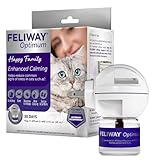
- HELPS REDUCE SIGNS OF STRESS USING A PATENTED PHEROMONE: FELIWAY Optimum is an advanced cat pheromone diffuser that helps reduce signs of stress in cats and helps ease tension between cats.*
- HELPS CATS FEEL CALM IN EVERYDAY SITUATIONS: FELIWAY Optimum is a cat calming diffuser that helps reduce stress‑related behaviors like urine spraying, scratching, hiding, and fearful reactions to change. Cat parents reported noticeable reductions in these behaviors, including a 77% reduction in urine spraying.
- SUPPORTS HARMONY IN MULTI‑CAT HOMES: Helps promote calmer interactions between cats. 72% of cat parents noticed reduced tension between their cats
- SAFE** AND NON-SEDATING: FELIWAY Optimum is not a sedative. It’s safe for use around cats, kittens, people and other pets.
- CONTINUOUS CALMING SUPPORT: This plug‑in cat pheromone diffuser provides 24/7 support when used as directed. To get started, plug into an open outlet with the vents pointed upward, allow at least 4 feet of clearance, and follow the label instructions.
How to tell when a cat is afraid
Look at the whole posture and what is happening around the cat rather than relying on one signal. Fear-related signs can include:
- Crouching low or leaning away
- Ears flattened or held outward
- A tail tucked under the body or wrapped close
- Dilated pupils
- Whiskers flattened or pressed downward
- Backing away, hiding, or trying to leave
Hissing, spitting, growling, raised fur, swatting, scratching, or biting can signal a defensive response that is escalating. These behaviors do not mean the cat is being spiteful or “hates” someone; they are reasons to stop approaching and give the cat space. Cornell Feline Health Center: Feline Behavior Problems: Aggression.
Rank #2

- Help Your Cat Feel Safe Again: Create a calmer, more comfortable home with advanced calming pheromone technology that helps reduce common signs of stress including hiding, scratching, urine spraying, conflicts between cats, and nervous behavior. Ideal for everyday emotional support
- Continuous 120-Days Comfort: Each refill delivers calming support for up to 30 days when used continuously, package include: 2 diffusers, 4 refills. Designed to cover rooms up to approximately 750 sq ft, making it perfect for bedrooms, living rooms, and multi-cat households
- Supports Positive Everyday Behavior: Whether introducing a new pet, moving into a new home, welcoming visitors, or dealing with loud noises such as fireworks or thunderstorms, the diffuser helps cats feel more secure and adapt to changes more comfortably
- Easy Plug-In, No Daily Effort: Simply plug the diffuser into an open wall outlet and let it work around the clock. No sprays, no pills, no complicated routines—continuous calming support with minimal maintenance
- Trusted Care for Cats of Every Age: Suitable for kittens, adult cats, senior cats, and multi-cat families. Designed to support a peaceful home environment while helping strengthen the bond between cats and their owners
How to help your cat feel safer around visitors
Let the cat choose whether to interact
Ask visitors not to reach for, corner, pick up, or hold a wary cat. Let the cat observe from a comfortable distance or hide if it prefers. A cat that approaches can still change its mind, so pause or stop when it backs away, crouches, or otherwise shows discomfort. Autonomy and minimal restraint are central to cat-friendly handling guidance from International Cat Care: A Guide to Creating a Cat Friendly Clinic, Part 3 (2025 search-result date).
Free tools Windows power users keep installed
One-click scans. No signup required.
Keep the interaction low-pressure
Make sure the cat has a clear route away rather than having to pass the visitor to escape. Calm, brief interactions give the cat room to observe and choose; do not keep moving closer if it stays away. Watch for changes in posture and stop before fear escalates.
Rank #3

- HELPS REDUCE COMMON SIGNS OF TENSION BETWEEN CATS: FELIWAY MultiCat, developed by the #1 vet recommended brand, helps reduce common signs of tension between cats such as: conflict, fighting, chasing, and blocking
- ENHANCED CALM AT HOME FOR MULTICAT HOUSEHOLDS: FELIWAY MultiCat plug-in diffuser uses the science of pheromones to send calming messages that mimic a mother cat’s natural pheromones to help reduce tensions & conflicts. 84% of cat owners saw significant improvement in conflict between cats when using FELIWAY MultiCat
- DRUG FREE & SAFE TO USE: FELIWAY diffusers are drug-free, non-sedating, and while cat pheromone analogs may help your cat, they won't affect humans or other pets
- PROVIDES 4 WEEKS OF CALMING SUPPORT: With just one refill, the diffuser offers up to 30 days of continuous calming benefits, helping your cat feel calmer
- COVERS LARGE LIVING SPACES: Each diffuser covers an area up to 700sqft, ensuring widespread calming support throughout your home for cats of all ages. To get started, simply plug your diffuser into an open outlet with 4+ feet of space to diffuse, with the vents pointed upward
Use gradual exposure only if the cat remains comfortable
If a particular trigger cannot be avoided and a behavior plan is appropriate, Cornell describes gradual desensitization: expose the cat briefly to the stimulus from a distance and reward non-aggressive behavior with food and praise. Keep the exposure mild enough that the cat can remain comfortable; do not push through visible distress. Food is one possible reward, not a guaranteed treatment or a stand-alone fix. Cornell also warns that physical punishment can increase fear or anxiety and worsen aggression. Cornell Feline Health Center: Feline Behavior Problems: Aggression.
Independent reader supportYour contribution helps us test, update, and keep practical guides available for everyone.When to contact a veterinarian
Seek veterinary advice if your cat’s fear or tolerance changes suddenly, worsens, seems linked to pain, or escalates into aggression. Medical contributors can include arthritis, dental disease, abscesses, trauma, sensory decline, and cognitive dysfunction; these are possibilities for a veterinarian to assess, not conclusions to draw from behavior alone. Pain can contribute to aggression, and Cornell notes that medication, when used, should be combined with behavior or environmental changes.
For persistent fear or aggression, a veterinarian can check for health problems and advise on a behavior plan or referral. Cornell’s Behavior Medicine Service addresses fears, anxieties, phobias, and aggression; whether its services are suitable or available depends on the cat and situation. Cornell University College of Veterinary Medicine: Behavior Medicine.
Do these 3 things before closing this tab:
1Repair Windows errors before they cause bigger problems2Fix the driver behind crashes, sound loss and screen glitches3Clear out junk files and repair common Windows errorsQuick Recap
Product prices and availability are accurate as of the date/time indicated and are subject to change. Any price and availability information displayed on Amazon at the time of purchase will apply.




