Do these 3 things before closing this tab:
1Fix the driver behind crashes, sound loss and screen glitches2Clear out junk files and repair common Windows errors3Scan for outdated or missing drivers - takes under a minuteA cat that suddenly acts frightened may have encountered a new trigger, had a frightening experience, or be in pain or unwell. Don’t assume it is “just anxiety”: a recent or marked behavior change—especially in an adult cat—deserves attention to possible medical causes as well as changes at home.
Ten possible reasons a cat may become suddenly scared
These are avenues to consider, not diagnoses or a ranked list. A veterinarian may need your cat’s history, an examination, or testing to distinguish an environmental reaction from pain, illness, or a sensory change.
As an Amazon Associate I earn from qualifying purchases.
1. A change at home or in the household routine
Moving, a new baby or pet, a household member leaving, or a changed daily schedule can disrupt a cat’s familiar surroundings and routines. The change may seem small to a person but still affect the cat’s sense of security.
Quick wins for a faster PC:
Fix the driver behind crashes, sound loss and screen glitchesFind Drivers →Repair Windows errors before they cause bigger problemsFix Now →2. Unfamiliar people or animals
Visitors, a newly introduced pet, or an unfamiliar cat or dog can feel threatening. Watch whether the behavior appears around a particular person or animal, rather than assuming the fear has no trigger.
#1 Best Overall
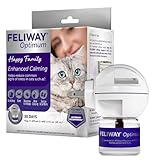
- HELPS REDUCE SIGNS OF STRESS USING A PATENTED PHEROMONE: FELIWAY Optimum is an advanced cat pheromone diffuser that helps reduce signs of stress in cats and helps ease tension between cats.*
- HELPS CATS FEEL CALM IN EVERYDAY SITUATIONS: FELIWAY Optimum is a cat calming diffuser that helps reduce stress‑related behaviors like urine spraying, scratching, hiding, and fearful reactions to change. Cat parents reported noticeable reductions in these behaviors, including a 77% reduction in urine spraying.
- SUPPORTS HARMONY IN MULTI‑CAT HOMES: Helps promote calmer interactions between cats. 72% of cat parents noticed reduced tension between their cats
- SAFE** AND NON-SEDATING: FELIWAY Optimum is not a sedative. It’s safe for use around cats, kittens, people and other pets.
- CONTINUOUS CALMING SUPPORT: This plug‑in cat pheromone diffuser provides 24/7 support when used as directed. To get started, plug into an open outlet with the vents pointed upward, allow at least 4 feet of clearance, and follow the label instructions.
3. Unexpected noise or activity
Thunder, repairs, visitors, or other loud activity can provoke fear. A cat may hide or stay on alert even after the noise stops.
4. A new or moved object
A new object or rearranged furniture may unsettle a cat encountering it in a familiar space. Consider what has changed at the cat’s level, including objects that seem harmless to you.
5. An unfamiliar smell or animal nearby
Cats may respond to environmental cues a caregiver has not noticed. A nearby animal is one possible explanation, but a reaction alone does not establish that an animal is present or identify the cause.
6. A frightening event
A startling or traumatic experience may be followed by fear in situations that seem unrelated. The original event may have happened when no one was watching.
Rank #2

- Help Your Cat Feel Safe Again: Create a calmer, more comfortable home with advanced calming pheromone technology that helps reduce common signs of stress including hiding, scratching, urine spraying, conflicts between cats, and nervous behavior. Ideal for everyday emotional support
- Continuous 120-Days Comfort: Each refill delivers calming support for up to 30 days when used continuously, package include: 2 diffusers, 4 refills. Designed to cover rooms up to approximately 750 sq ft, making it perfect for bedrooms, living rooms, and multi-cat households
- Supports Positive Everyday Behavior: Whether introducing a new pet, moving into a new home, welcoming visitors, or dealing with loud noises such as fireworks or thunderstorms, the diffuser helps cats feel more secure and adapt to changes more comfortably
- Easy Plug-In, No Daily Effort: Simply plug the diffuser into an open wall outlet and let it work around the clock. No sprays, no pills, no complicated routines—continuous calming support with minimal maintenance
- Trusted Care for Cats of Every Age: Suitable for kittens, adult cats, senior cats, and multi-cat families. Designed to support a peaceful home environment while helping strengthen the bond between cats and their owners
7. Pain
Pain can contribute to fear or a change in behavior, even when its cause is not obvious from appearance alone. A cat may withdraw, hide, or react differently to handling when uncomfortable.
8. Illness or another medical condition
Medical conditions can change behavior. Veterinary guidance recommends considering physical causes before treating a new behavior as purely emotional; fear by itself cannot identify a particular disease.
9. A sensory change, including reduced vision
Difficulty seeing can make familiar surroundings seem unpredictable or threatening. Cornell Feline Health Center notes that sudden or noticed blindness can occur, including in older cats with vision loss associated with hypertension. A veterinarian can assess a suspected sensory change.
The Tool Desk
Outbyte PC Repair FREERepair Windows errors before they cause bigger problemsFix Now →Outbyte Driver Updater FREEFix the driver behind crashes, sound loss and screen glitchesFind Drivers →10. Individual temperament and past experience
Cats differ in temperament and resilience. Genetics and early experiences, among other factors, may influence how readily an individual becomes fearful; this does not rule out a new trigger or a health problem.
Rank #3

- HELPS REDUCE COMMON SIGNS OF TENSION BETWEEN CATS: FELIWAY MultiCat, developed by the #1 vet recommended brand, helps reduce common signs of tension between cats such as: conflict, fighting, chasing, and blocking
- ENHANCED CALM AT HOME FOR MULTICAT HOUSEHOLDS: FELIWAY MultiCat plug-in diffuser uses the science of pheromones to send calming messages that mimic a mother cat’s natural pheromones to help reduce tensions & conflicts. 84% of cat owners saw significant improvement in conflict between cats when using FELIWAY MultiCat
- DRUG FREE & SAFE TO USE: FELIWAY diffusers are drug-free, non-sedating, and while cat pheromone analogs may help your cat, they won't affect humans or other pets
- PROVIDES 4 WEEKS OF CALMING SUPPORT: With just one refill, the diffuser offers up to 30 days of continuous calming benefits, helping your cat feel calmer
- COVERS LARGE LIVING SPACES: Each diffuser covers an area up to 700sqft, ensuring widespread calming support throughout your home for cats of all ages. To get started, simply plug your diffuser into an open outlet with 4+ feet of space to diffuse, with the vents pointed upward
What to observe and record
Look at the whole pattern rather than one behavior. Fear may show up as hiding, vocalizing, restlessness, withdrawal, or changes in eating and grooming. Note what is different from your cat’s normal behavior.
- When the change began, whether it is continuous or episodic, and how long episodes last.
- What happens immediately before an episode, and whether its frequency or intensity is changing.
- Recent changes in the home, household, visitors, routine, or nearby activity.
- Changes in appetite, grooming, energy, social behavior, or litter-box habits.
- What seems to improve or worsen the behavior, including any steps you have tried.
These details help your veterinarian take a useful behavioral history. Merck Veterinary Manual identifies onset, duration, frequency, episode length, pattern changes, attempted interventions, daily routine, and household changes as relevant details.
When to contact a veterinarian
Contact a veterinarian when fear is new and pronounced, extreme, persistent, or worsening—particularly if your cat is an adult, seems withdrawn or lethargic, or has other changes in normal behavior. An examination can help investigate causes that cannot be distinguished from behavior alone. Breathing difficulty or inability to urinate calls for prompt veterinary attention rather than waiting to see if the fear passes.
What you can do safely while you assess the situation
- Give your cat a quiet, safe place to retreat, with access to familiar essentials.
- When practical, reduce exposure to an identifiable trigger without forcing your cat to approach it.
- Do not punish hiding, hissing, or other fear behavior; punishment can add stress rather than resolve the cause.
- If fear continues after an acute event or reasonable environmental adjustments, ask your veterinarian about next steps. A veterinary behaviorist may help assess the response and develop a treatment plan.
Medication decisions should be made with the veterinarian treating your cat. A sudden fear response alone is not enough to select a drug or conclude that a calming product is appropriate.
Quick Recap
Product prices and availability are accurate as of the date/time indicated and are subject to change. Any price and availability information displayed on Amazon at the time of purchase will apply.




